



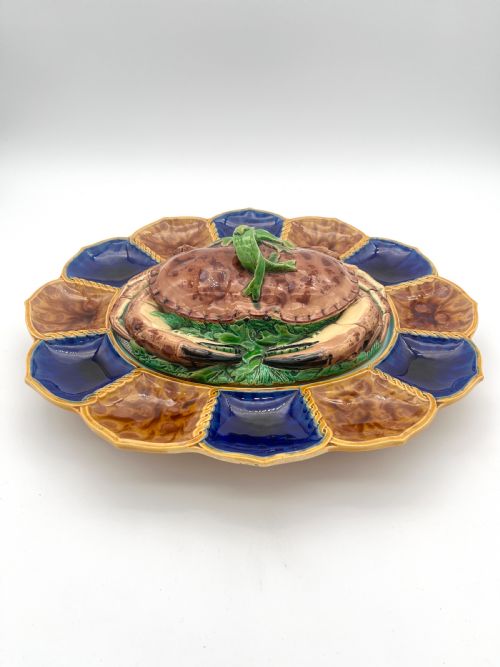
Victorian Ceramic Platter
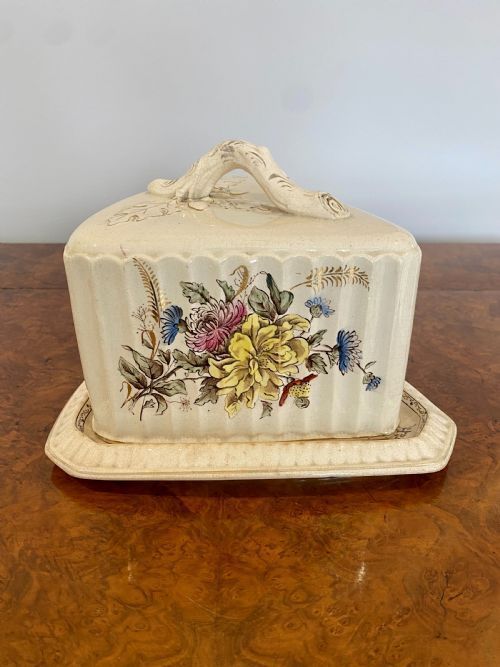
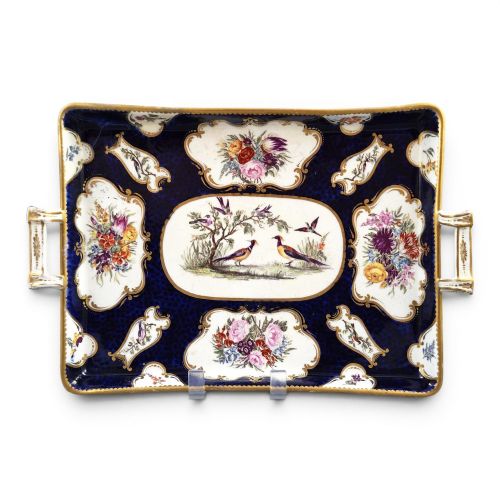
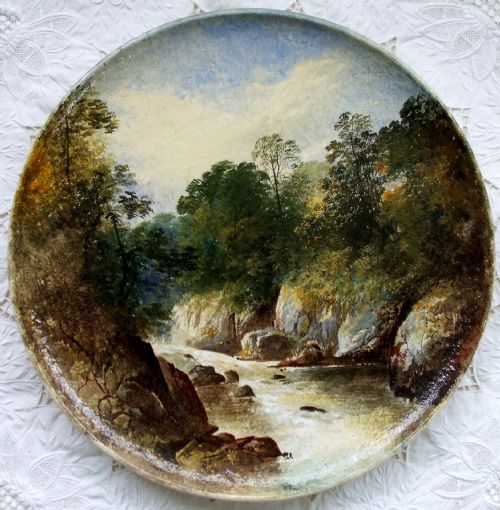
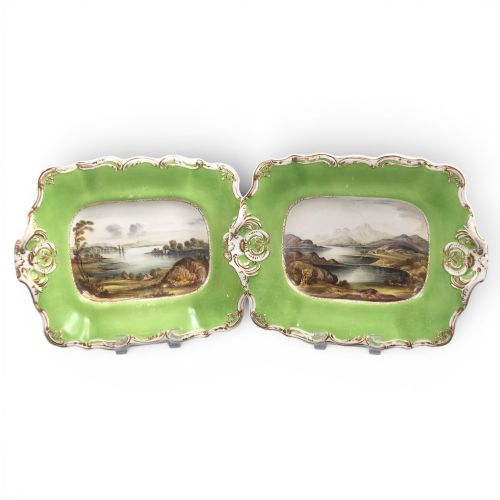
A victorian ceramic platter brings the heft and hand-painted detail of nineteenth-century dining tables directly into a modern home.
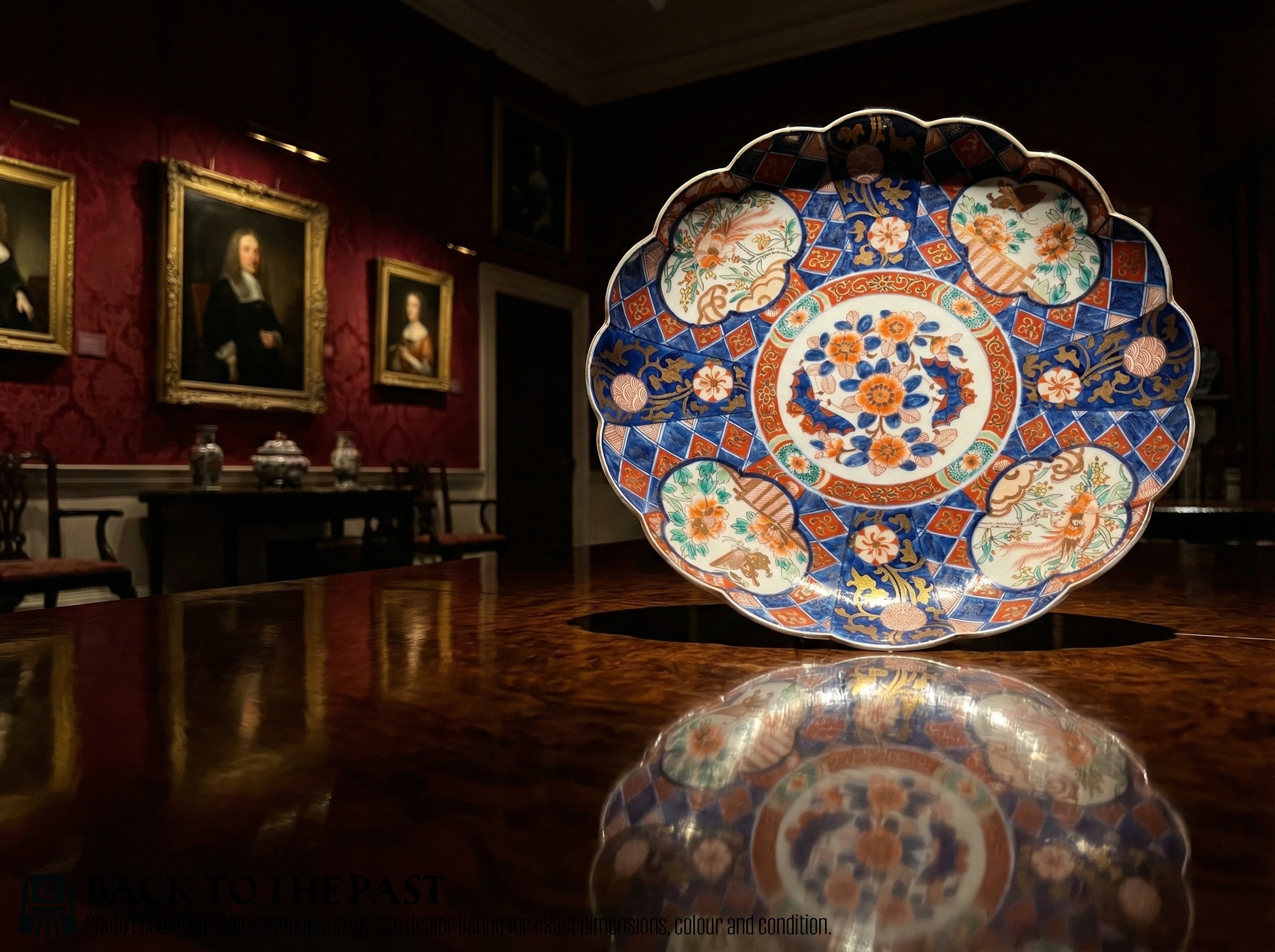
Victorian Ceramic Platter
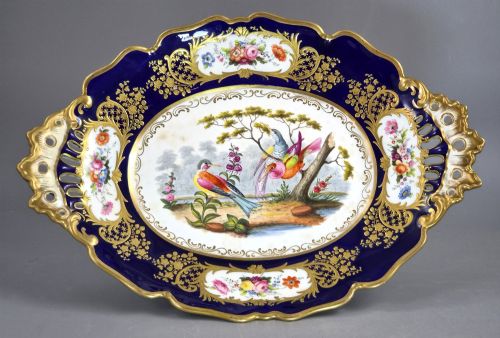
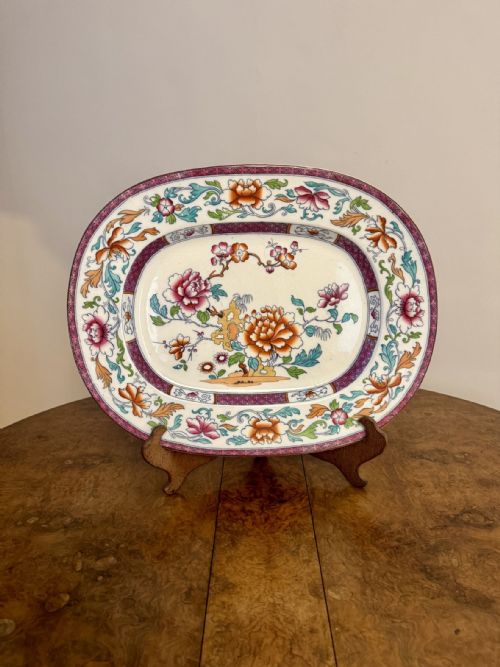
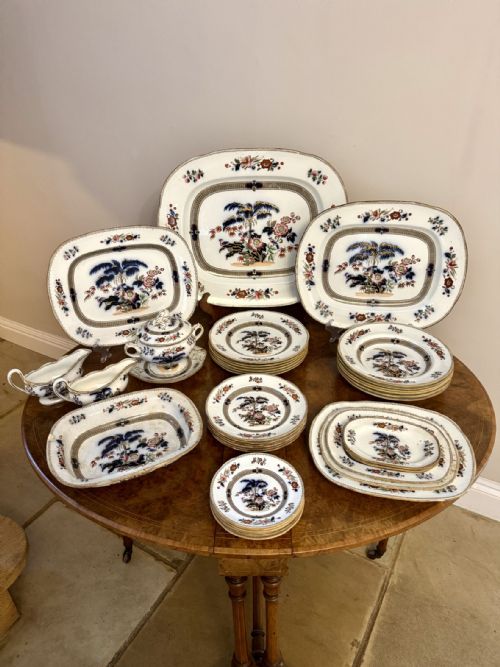
When you search for a victorian ceramic platter, you encounter substantial serving vessels created during the nineteenth century. These pieces include large meat dishes, blue and white transfer-printed servers, and decorative chargers from English and continental potteries.
You are most likely to meet earthenware and porcelain meat platters featuring intricate blue transfer prints or hand-painted botanical motifs. Many carry the impressed marks of notable factories operating between eighteen-hundred and nineteen-hundred.
The form exists to serve large joints of meat, display fruit, or decorate sideboard walls. Makers produced these platters in varied shapes, ranging from simple ovals to grand rectangular serving trays with built-in drainers.
How They Were Made
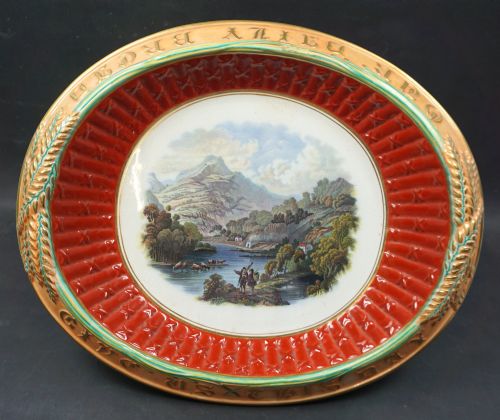
Potters shaped earthenware and porcelain bodies on wheels or pressed them into moulds before applying lead glazes and enamel colours. Transfer printing allowed workshops to transfer detailed copperplate engravings onto the ceramic surface before firing.
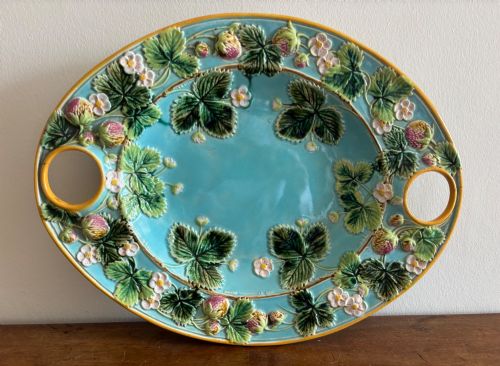
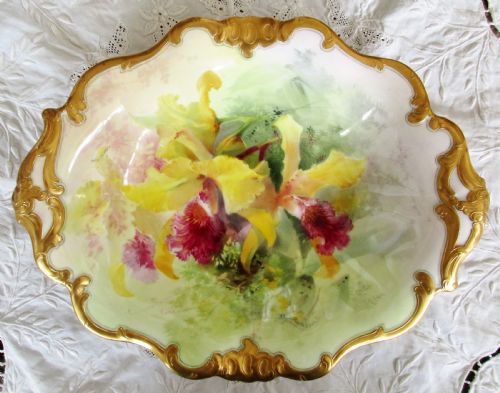
Many high-end pieces received hand-painted touches over the transfer print, alongside gilding with gold leaf applied by specialist decorators. Majolica pieces involved moulded earthenware glazed with coloured lead-tin oxides to create rich, glossy surface reliefs.
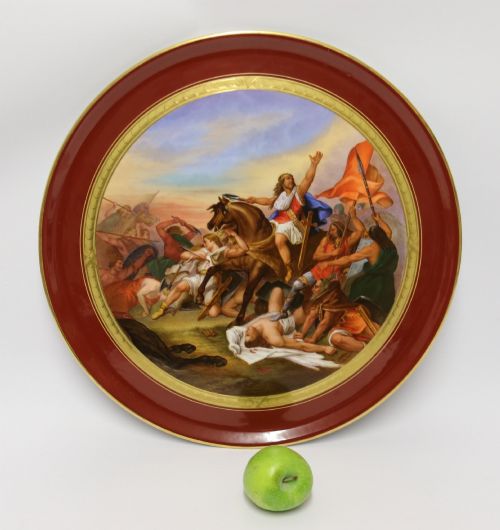
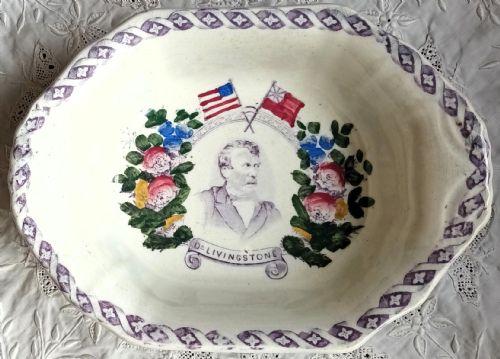
Several platters depict famous historical moments, including the Battle of Tolbiac and portraits of Dr. Livingstone.
What Varies in Quality
Quality rests upon the crispness of the transfer print and the skill involved in hand-applied enamel painting. Pieces decorated by named artists or produced by premier factories display superior detailing and finer clay bodies.
The complexity of the moulding and the depth of the glaze separate standard utility wares from exhibition-grade chargers and majolica display dishes. Preservation of the original gilding and clarity of the underglaze transfer further distinguish the finest examples.
Coalport·George Jones·Royal Doulton·Copeland and Garrett·Minton·John Ridgway
The Victorian Ceramic Platter Glossary
- Transferware
- Ceramic ware decorated by transferring an engraved paper design onto the biscuit body using metallic oxides. This technique enabled mass production of complex blue and white pastoral scenes.
- Majolica
- Victorian earthenware coated with colourful, opaque lead glazes that pool in relief details. It gained popularity for its vibrant hues and naturalistic plant and animal forms.
- Ironstone
- A heavy, durable type of feldspathic stoneware patented in England to rival Chinese porcelain. It resists chipping and served as the sturdy base for large meat platters.
- Meat drainer
- A pierced ceramic insert designed to sit inside a serving platter and keep joints of meat elevated from resting in juices. These removable plates match the surrounding dish in pattern and glaze.
- Imari
- A Japanese decorative style featuring iron-red, cobalt blue, and gold highlights, which nineteenth-century European potteries frequently copied. The bold palette translates readily onto large display chargers.
- Flow blue
- A nineteenth-century transfer-printing method where volatile chloride gas was introduced during the kiln firing to intentionally blur the cobalt blue design. This creates a soft, hazy appearance across the white earthenware.
Victorian Ceramic Platter: Frequently Asked Questions
How do I date a transfer-printed platter?
Potters often stamped factory marks, registry diamonds, or pattern names directly onto the reverse of the earthenware body. Comparing these backstamps with historical pottery records helps narrow down the production decade.
Style also offers clues, as early nineteenth-century pieces favoured pastoral transfer prints while later decades introduced bolder polychrome enamels and aesthetic movement motifs.
Can I use these platters for serving food?
Most nineteenth-century ceramic platters remain structurally sound for serving dry foods at the dining table. However, historic lead glazes and delicate enamel work require careful hand washing rather than machine cleaning.
Crazing in the older earthenware body can absorb liquids over time, so modern users often reserve these antique dishes for decorative display or dry presentation.
What is the difference between earthenware and ironstone?
Standard earthenware uses porous clay fired at lower temperatures, resulting in a heavier, softer body that requires thick glazing to remain water-resistant. Ironstone incorporates slag and feldspar to create a much denser, vitrified ceramic.
Ironstone platters withstand daily kitchen use better than ordinary earthenware, which explains why so many heavy nineteenth-century meat dishes survive in sturdy condition.
Why do some platters have holes in the middle?
Platters featuring a perforated ceramic surface were designed to hold meat drainers. These removable inserts allowed cooking juices to pool underneath the joint, keeping the meat dry during carving at the table.
Finding a platter that retains its original matching drainer is uncommon, as the smaller insert often suffered breakage over decades of kitchen use.