


Victorian Cane Holder
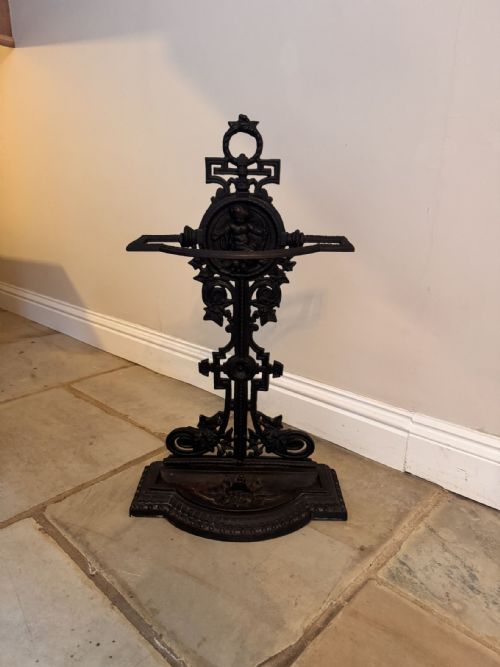
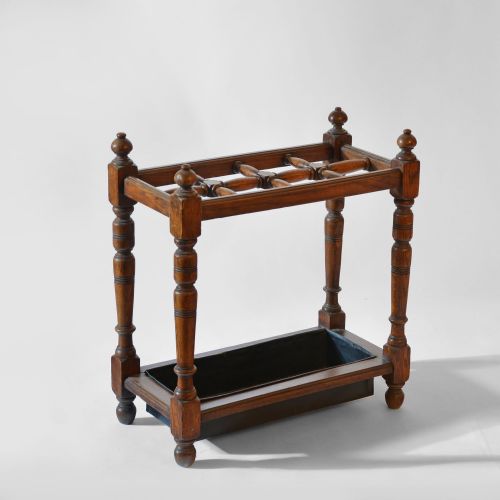
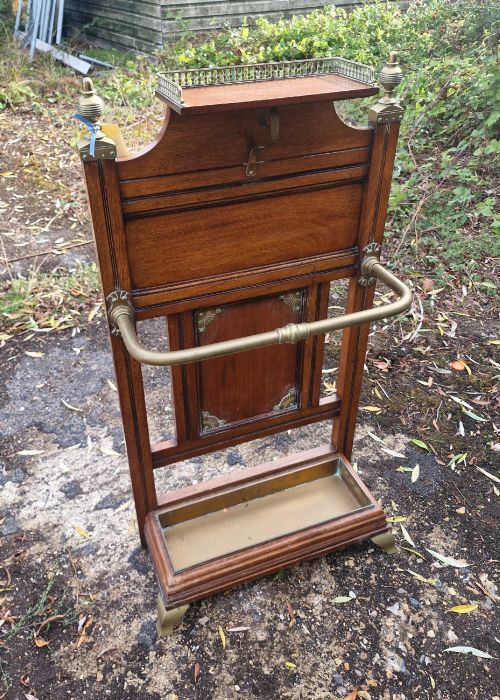
When you search for a victorian cane holder, you encounter robust umbrella and walking stick stands designed to keep hallways orderly.
Victorian Cane Holder
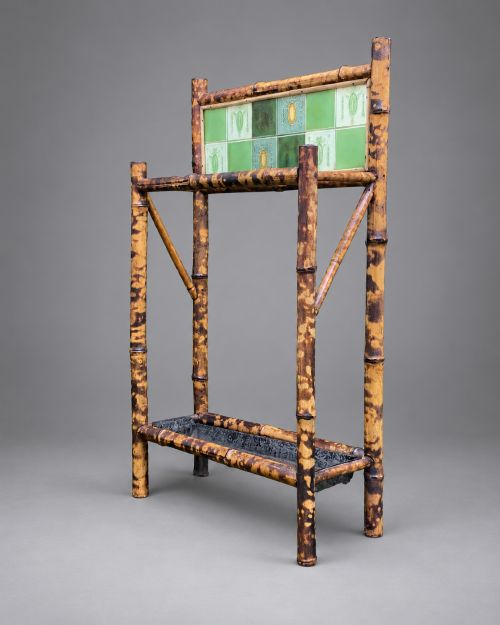
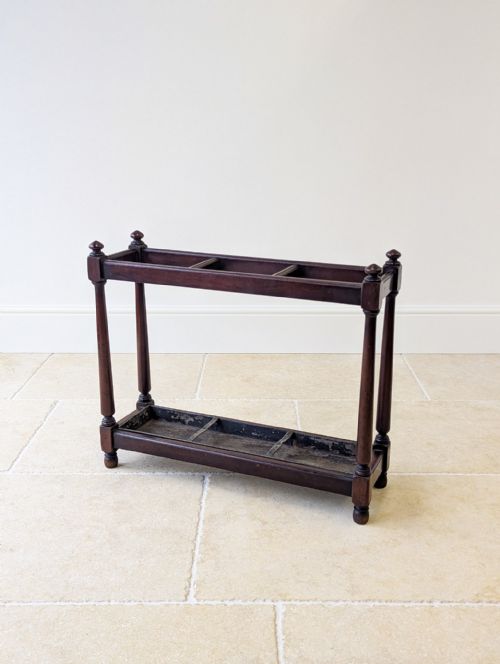
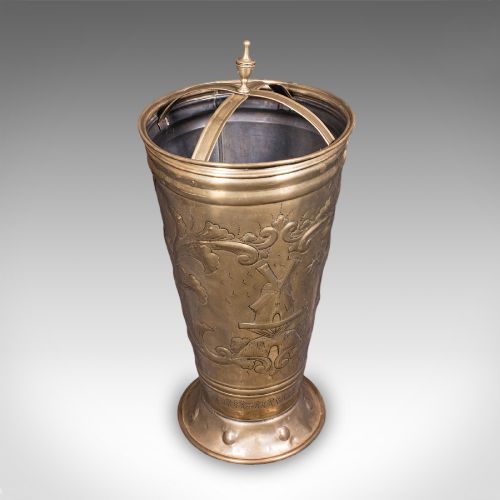
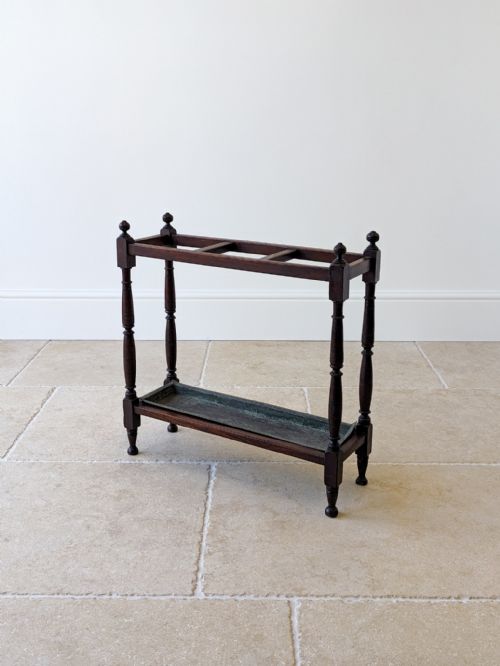
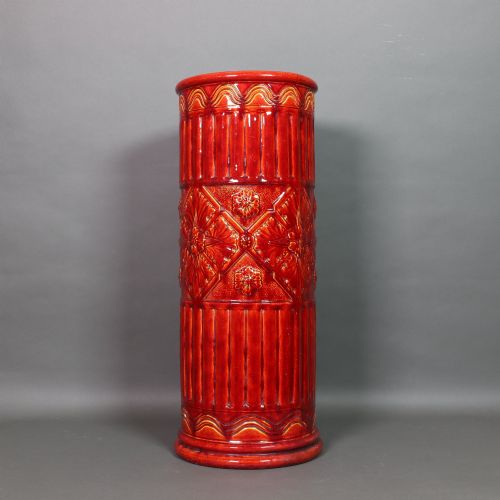
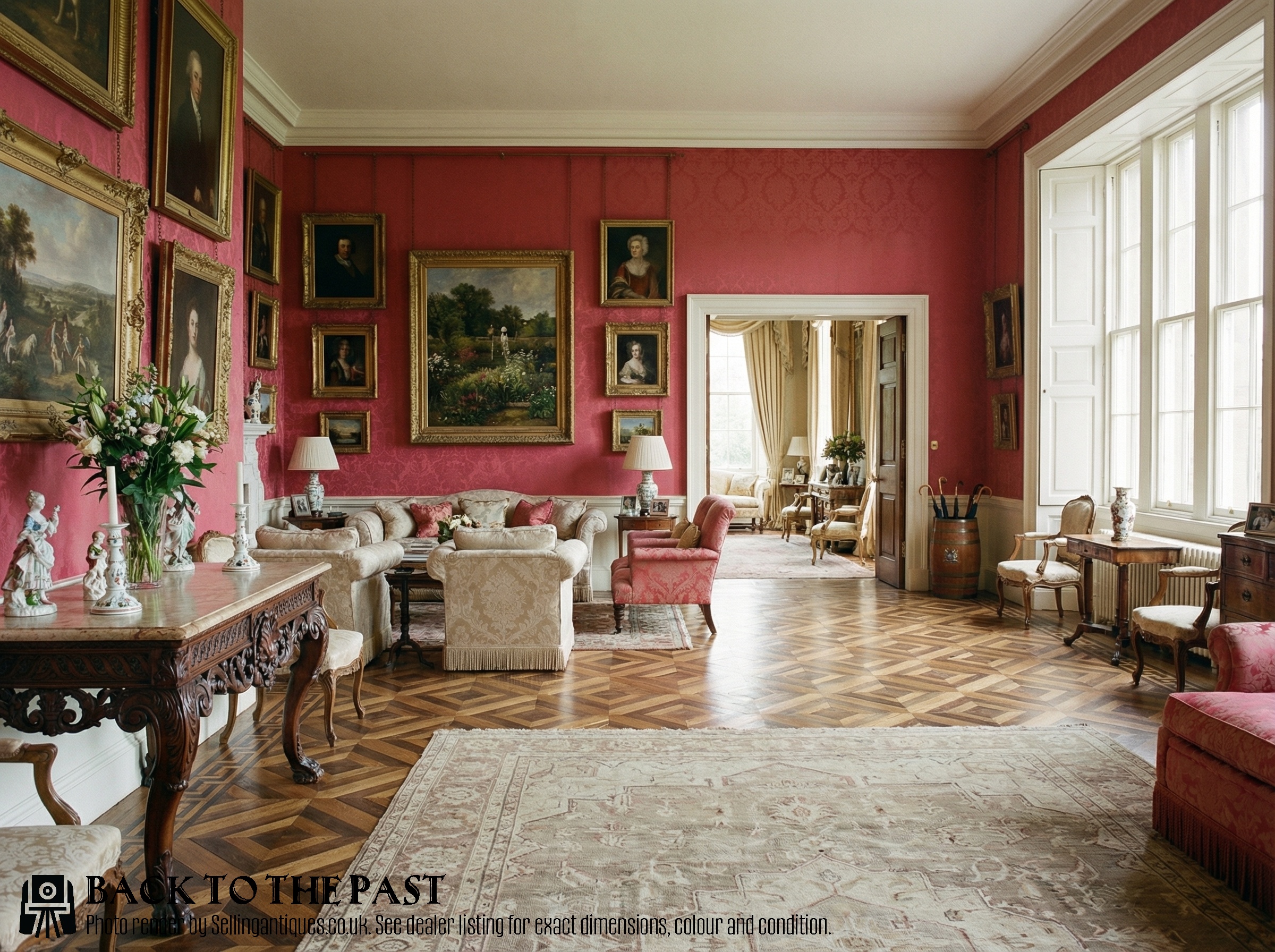
A victorian cane holder serves as a practical repository for walking sticks, umbrellas and parasols within a domestic hall or entranceway. The objects appearing under this search include umbrella stands, stick stands and hall stands originating predominantly from the nineteenth century, alongside Edwardian and later examples.
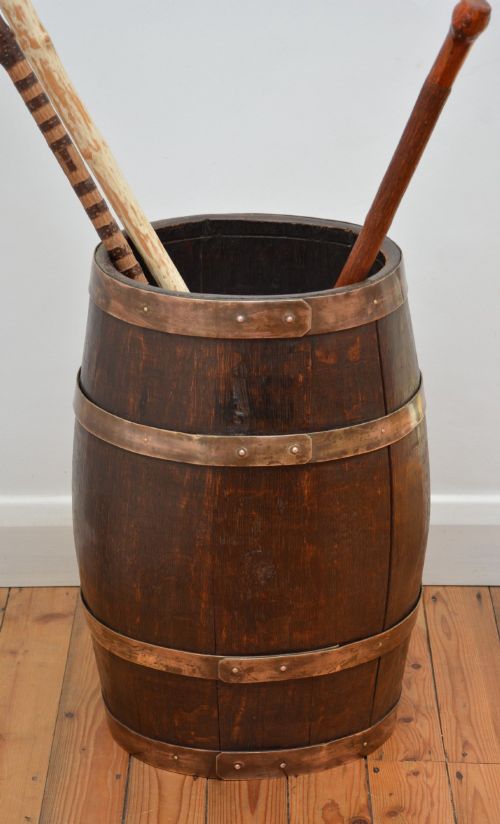
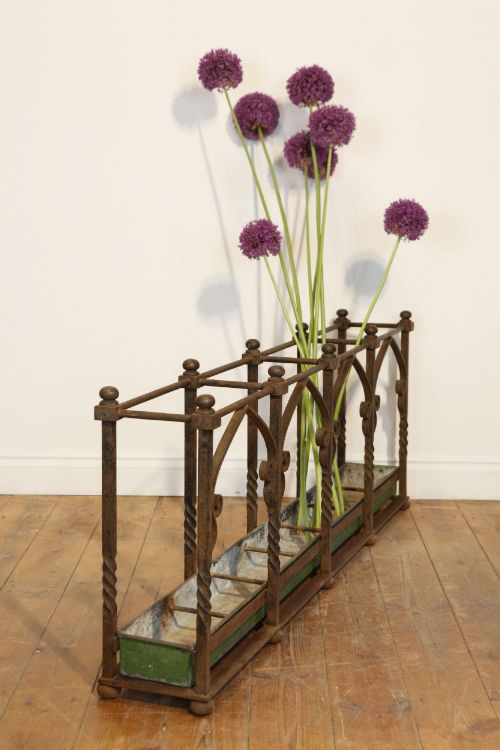
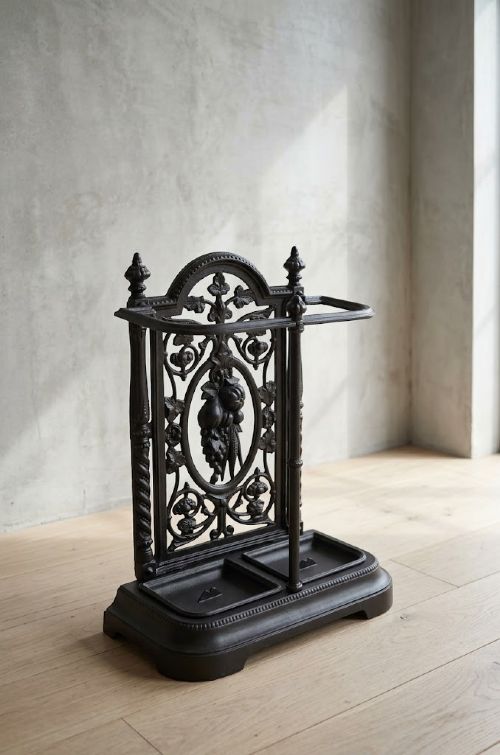
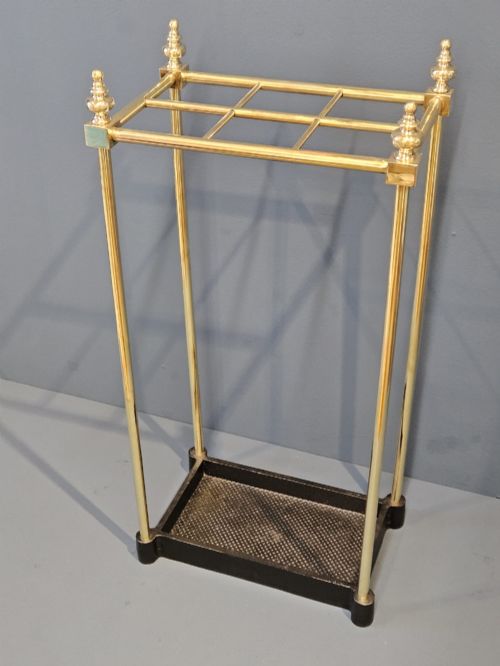
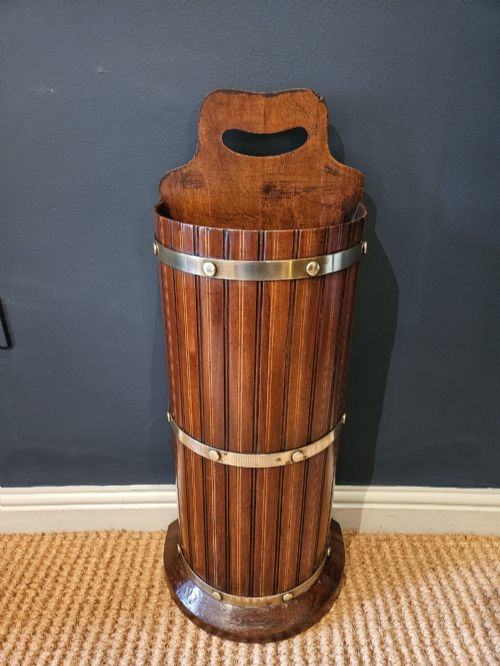
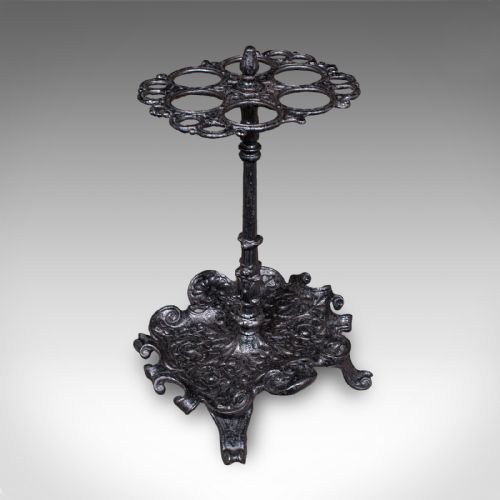
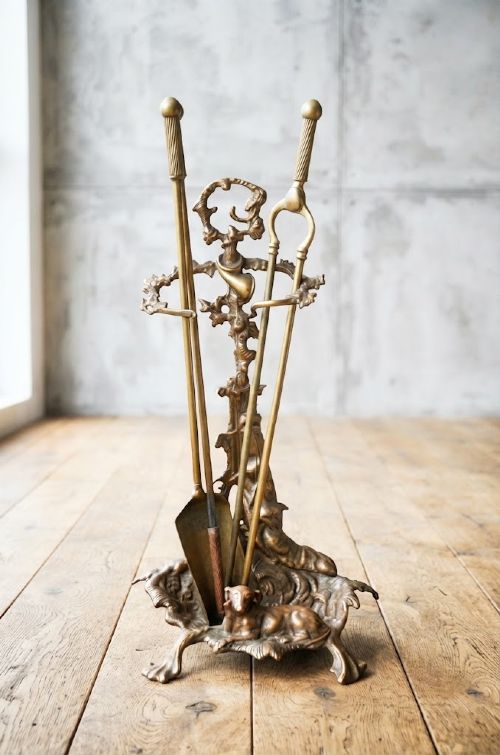
The dominant forms span heavy cast iron frameworks, coopered oak barrels with metal bands, and brass demi-lune designs intended to sit flush against a wall. Makers often incorporated drip trays at the base to catch moisture from wet weather gear, protecting wooden flooring beneath.
While many pieces align with the Victorian period, the inventory stretches from the mid-nineteenth century into the early twentieth century, taking in Aesthetic Movement, Gothic, and Arts and Crafts influences.
How they were made
Foundries utilised cast iron and brass for structural rigidity and decorative pierced patterns, employing techniques such as sand casting to produce intricate botanical or figural motifs. Iron components frequently received a coat of paint or retained a darkened industrial finish.
Woodworkers selected timbers like oak, mahogany and pine, utilising traditional cooperage methods with stave construction and metal hoops for barrel-style stands, or bentwood techniques for lighter frames. Brass and copper fittings, including ball finials and liner trays, were combined with these woods to create durable hall furniture.
Victorian Cane Holder Retail Price Guide 2026
Typical asking prices for victorian cane holder among the pieces listed under this phrase on Sellingantiques today, from the lower quarter to the upper quarter. They describe what is for sale here now, not the wider market.
Ironfoundries occasionally cast unexpected figures into hallway furniture, including an athletic footballer standing ready to guard muddy walking sticks.
What varies in quality
Distinctions in quality rest upon the crispness of the casting in metal examples and the integrity of the joinery in wooden pieces. Heavy, well-proportioned iron stands with defined detailing and original drip trays occupy the upper tier of craftsmanship.
Signatures or stamps from notable foundries and designers elevate an object's standing, whereas unmarked, mass-produced utilitarian versions display simpler construction and lesser weight.
Théodore Deck·Coalbrookdale·Thomas Jeckyll·Thonet·Falkirk Ironworks·James Dixon & Sons
The Victorian Cane Holder Glossary
- Demi-lune
- A half-moon shape allowing furniture to fit flat against a wall. This profile proves common in brass umbrella stands designed for narrow hallways.
- Coopered
- Constructed from wooden staves bound together with metal hoops, resembling a barrel. This method appears frequently in oak country house stick stands.
- Drip tray
- A shallow metal basin positioned beneath the stand to catch water from wet umbrellas. These trays are often removable for easy emptying.
- Finial
- A decorative ornament fixed to the top of a post or frame. Brass stands frequently feature ball finials at their corners.
- Bentwood
- Wood heated and bent into curved shapes. This technique defines specific lightweight umbrella stands produced in the early twentieth century.
Victorian Cane Holder: Frequently Asked Questions
Where should I place a stick stand?
These pieces suit entrance halls, porches, or boot rooms where visitors deposit wet outdoor accessories. Their vertical footprint allows them to occupy narrow spaces without obstructing doorways.
Ensure the floor surface tolerates residual moisture, or verify that the integrated drip tray remains functional to protect underlying timber or carpets.
How do I clean cast iron stands?
Dust regularly with a dry cloth and remove accumulated debris from the base tray. Avoid harsh chemical cleaners that strip historical surface finishes.
If rust appears on unpainted iron, apply a light coat of neutral oil with a soft brush to stabilise the metal without altering its appearance.
Are these stands suitable for modern umbrellas?
Most nineteenth-century apertures accommodate standard modern umbrella shafts and walking sticks comfortably. The internal dividers or rings prevent long items from sliding sideways.
Very slender folding umbrellas might slip through wider grid patterns, so check the divider spacing if you store modern compact items.
How do I identify a Victorian piece?
Look for construction traits typical of the period, such as heavy sand-cast iron, substantial oak staves, and brass components joined with traditional threaded screws. Stylistic clues include Gothic revival motifs, Aesthetic Movement patterns, or registration diamond marks.
While exact dates require stamps or documented provenance, material weight and casting depth generally indicate nineteenth-century production.