


Wooden Cane Stand
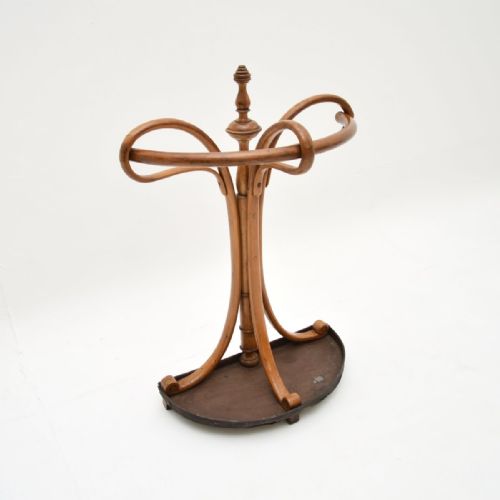
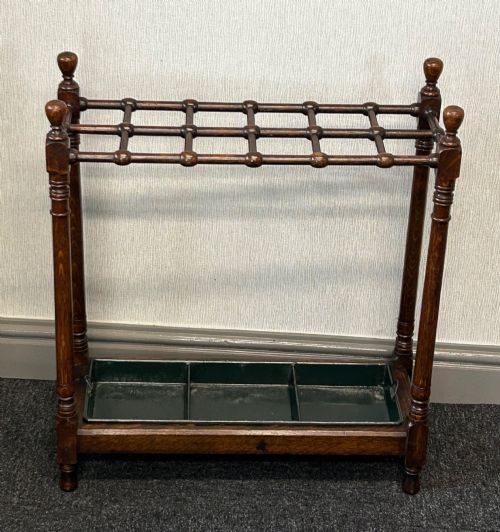
A wooden cane stand keeps hallways orderly while bringing rich timber texture and period character straight to the front door.
Wooden Cane Stand
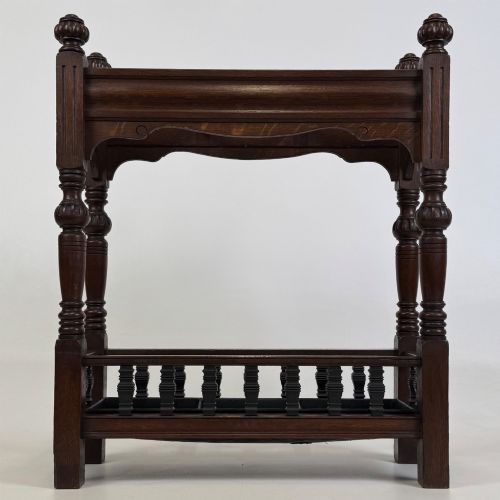
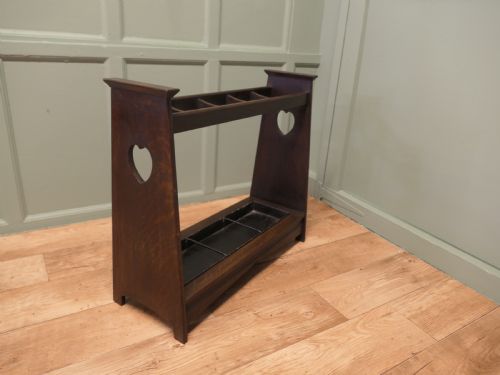
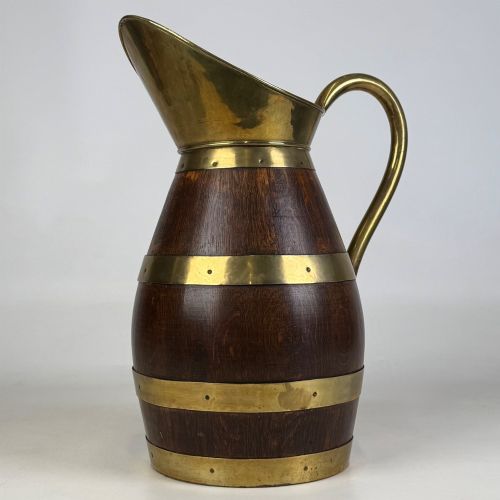
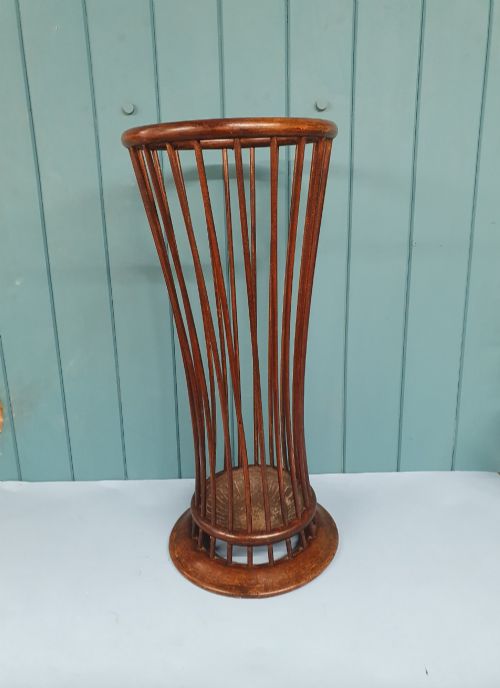
A wooden cane stand groups the hall furniture items designed to hold walking sticks, umbrellas and riding crops upright. The pieces appearing here span the nineteenth century, the Victorian era, the Edwardian period and the early twentieth century.
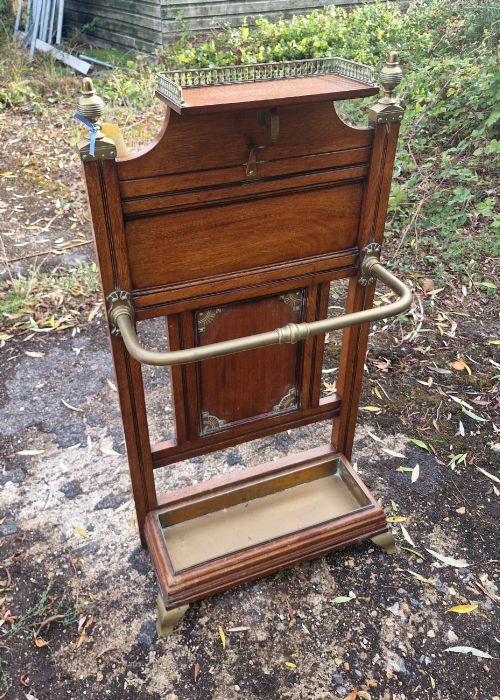
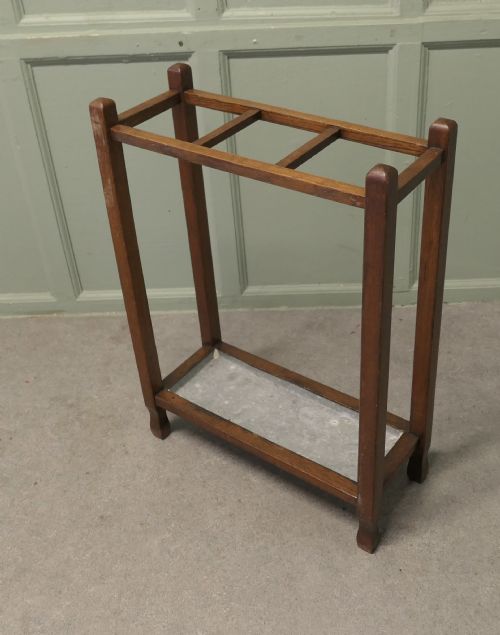
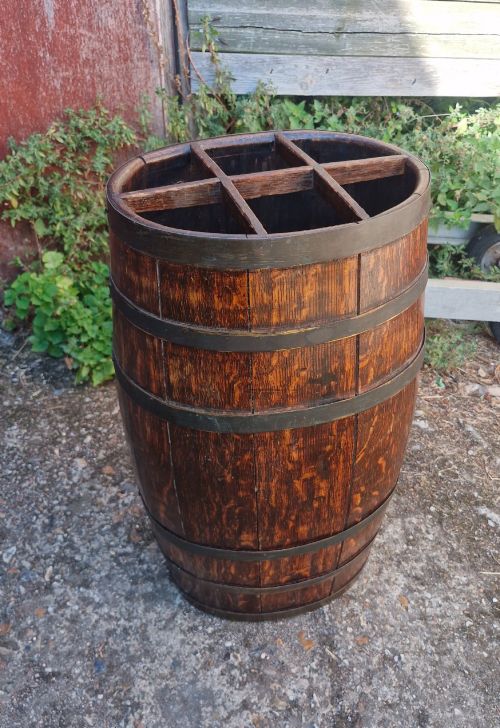
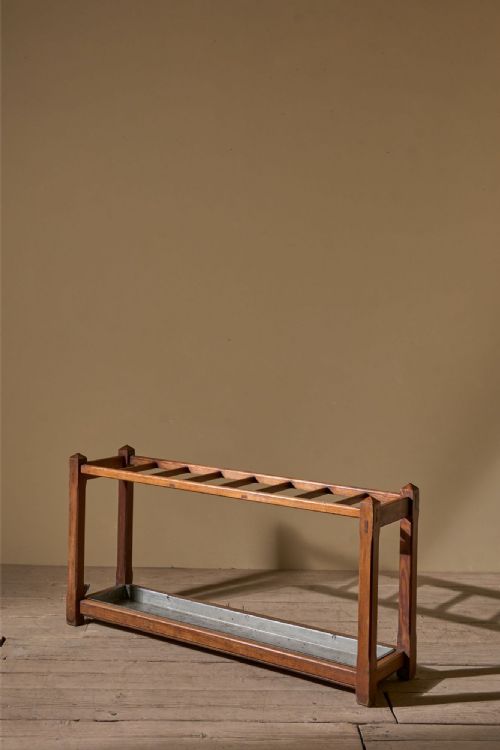
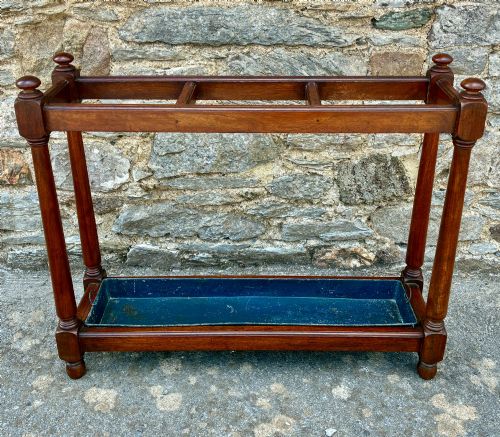
Most examples take the form of oak barrels, coopered vessels or rectangular hall racks made from mahogany and walnut. Buyers frequently encounter sturdy country house designs alongside decorative carved Black Forest items and architectural Gothic Revival pieces.
Makers utilised various timber configurations, pairing solid woods with metal drip trays, brass bands and copper braces. These furnishings served grand country houses and urban entrance halls alike, surviving as both practical organizers and decorative hall statements.
Materials and Construction
Cabinet makers relied primarily on oak, mahogany and walnut, shaping timber through traditional joinery, turning and cooperage. Coopered barrel stands utilised tight wooden staves bound with brass, copper or iron hoops to create stable cylindrical receptacles.
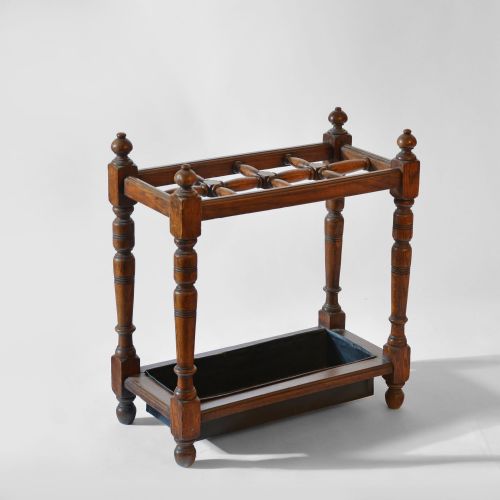
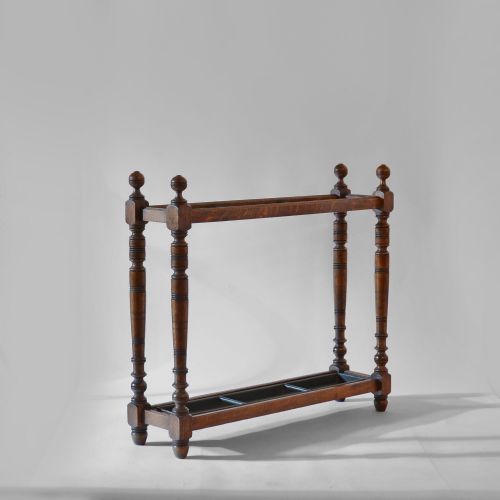
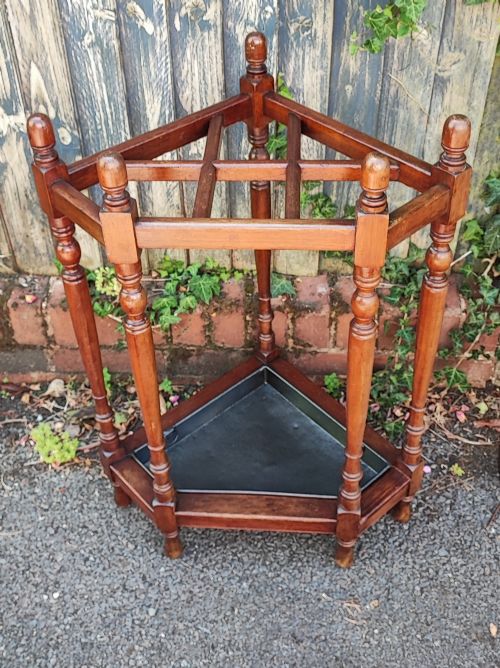
Makers incorporated functional metal elements, fitting original zinc, brass and iron drip trays inside wooden bases to catch rainwater from wet umbrellas. Carved detailing, applied mouldings and turned wooden divisions completed the construction of these utilitarian hall furnishings.
Wooden Cane Stand Retail Price Guide 2026
Typical asking prices for wooden cane stand among the pieces listed under this phrase on Sellingantiques today, from the lower quarter to the upper quarter. They describe what is for sale here now, not the wider market.
Carved bears stand guard over hallway umbrellas in the Black Forest examples.
Judging Quality
Quality rests upon the integrity of the timber framing, the crispness of any carved detailing and the presence of original metal components such as drip trays and securing bands. Stands retaining their fitted metal bases demonstrate greater authenticity than those altered over time.
Design ambition separates standard utility items from superior pieces produced by notable makers or working within distinct aesthetic movements. Well-proportioned coopered barrels with sound staves and robust brass bracing command attention for their structural honesty.
Thonet·Heals of London·Leveson and Sons
The Wooden Cane Stand Glossary
- Coopered
- Constructed from curved wooden staves joined side by side and bound by metal hoops, much like a traditional barrel. This technique provided exceptional strength for holding damp walking sticks and heavy umbrellas.
- Drip tray
- A removable metal basin placed at the base of the stand to catch water running off wet items. Original trays made of zinc, brass or copper add considerable authenticity to the piece.
- Arts and Crafts
- A design movement emphasising handcrafting, honest construction and natural materials over mass production. Pieces from this tradition display simple oak frames and visible structural joints.
- Black Forest
- A style of intricate wood carving originating from central Europe, frequently depicting bears and woodland motifs. These decorative stands often feature lifelike animals supporting the framing.
- Campaign furniture
- Portable items designed for easy dismantling and transport during travel. Folding backrests and modular frames belong to this practical tradition.
Wooden Cane Stand: Frequently Asked Questions
What is a wooden cane stand?
A wooden cane stand is a piece of entrance hall furniture designed to store walking sticks, umbrellas and riding crops in an upright position. These furnishings keep entryways tidy while displaying natural timber grains and period craftsmanship.
Most examples use sturdy woods like oak, mahogany and walnut, often reinforced with brass or iron bands. They range from simple coopered barrels to large multi-division hall racks.
How were coopered stands made?
Coopered stands were built using curved wooden staves fitted tightly together to form a barrel shape. Craftsmen secured these staves using metal hoops made of brass, copper or iron.
This method created a durable vessel capable of containing moisture from wet umbrellas without warping the timber. Original metal drip trays were typically placed inside the base to protect the floor.
Where should I place a wooden cane stand?
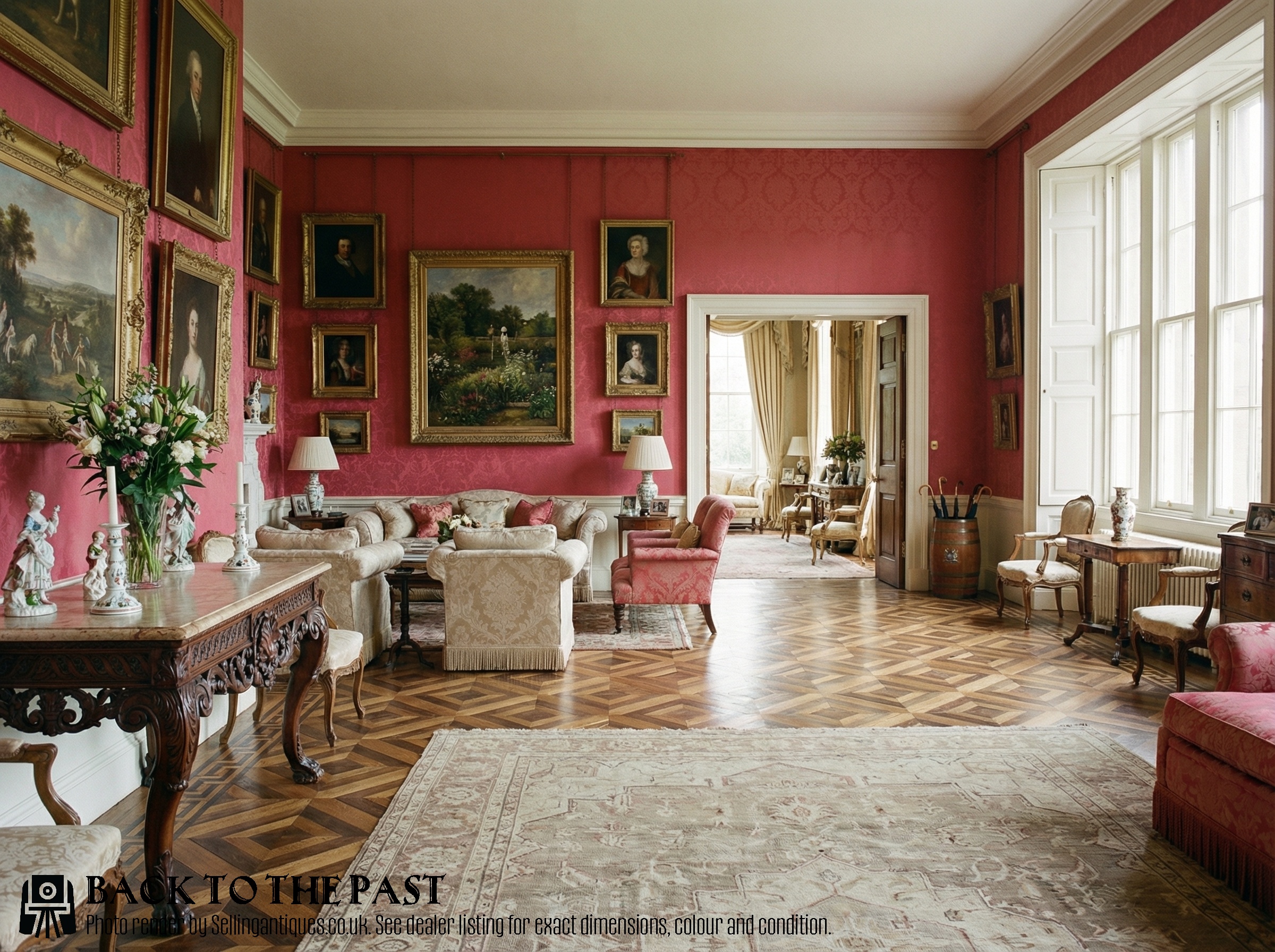
These stands belong in an entrance hall, porch or boot room where guests arrive and depart. Their narrow footprints allow them to fit neatly beside doorways or within hallway corners.
Placing the stand away from direct radiators prevents the older timber from drying out and splitting over time. Ensuring an original metal tray sits inside protects the wooden base from lingering moisture.
How do I identify Victorian and Edwardian stands?
Victorian stands frequently feature darker mahogany timbers, heavy carvings and Gothic or country house proportions. Edwardian pieces often showcase lighter golden oak, cleaner lines and influences from the Arts and Crafts movement.
Examining the construction methods, secondary woods and hardware helps clarify the period. Original metal drip trays and fasteners also provide helpful clues regarding the manufacturing date.