

Victorian Bronze Lighting
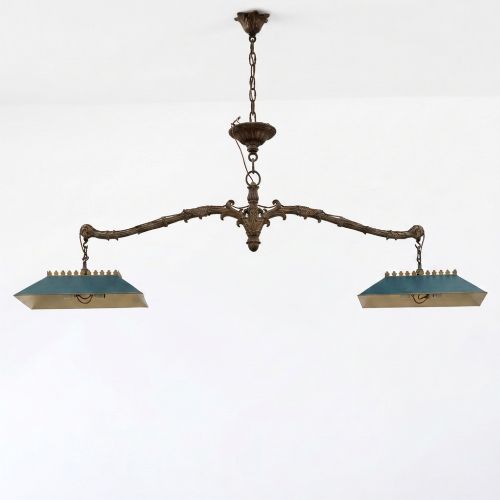
Victorian bronze lighting brings heavy metal weight and intricate nineteenth-century casting into a room, offering both practical illumination and sculptural presence.
Victorian Bronze Lighting
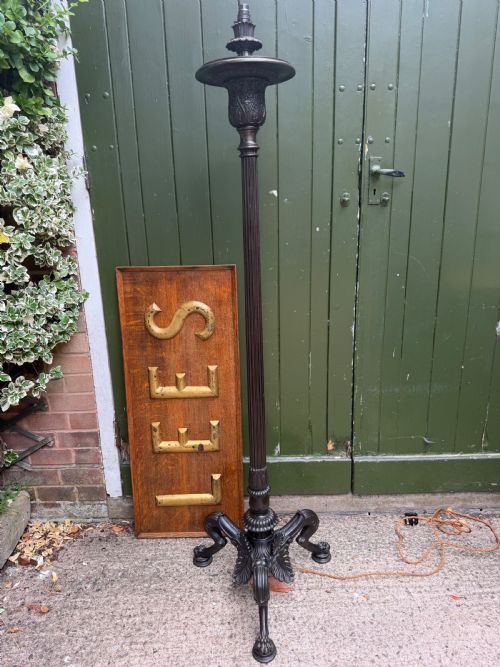
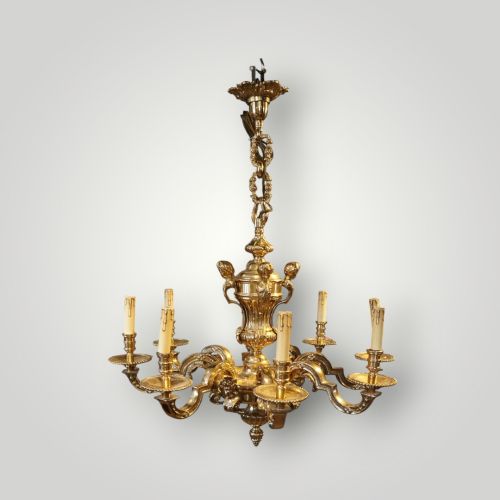
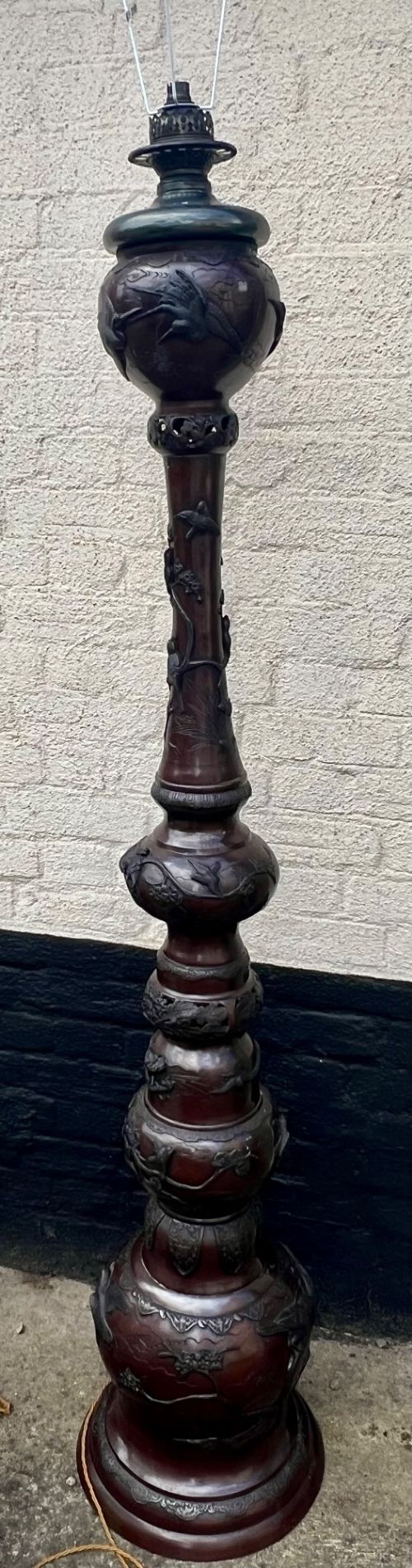
Victorian bronze lighting encompasses a diverse range of metalwork designed to illuminate interiors through candles, oil, or early electricity. Pieces span from small mantel candlesticks to multi-armed chandeliers and tall floor standards.
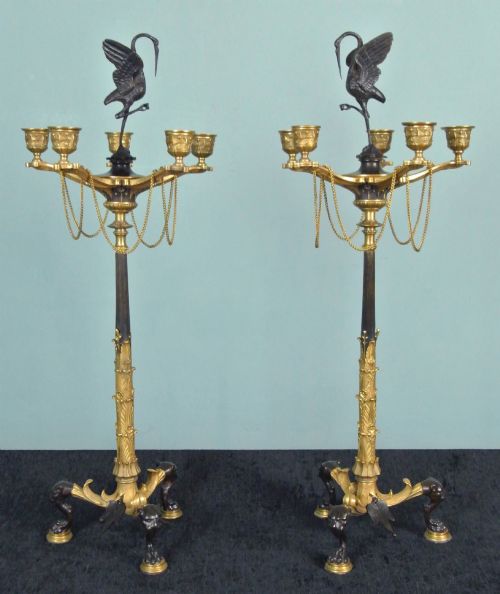
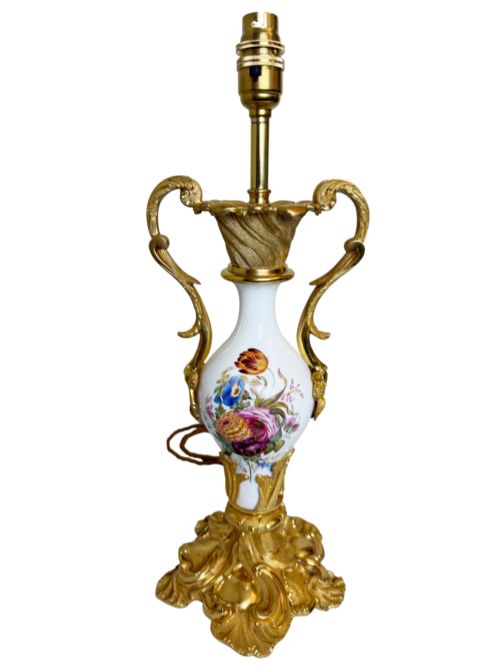
The objects found within this category frequently display heavy casting, dark patination, or gilded surfaces combined with materials like marble, porcelain, and glass. French and English aesthetics dominate the selection, incorporating revival styles from Gothic to Neoclassical.
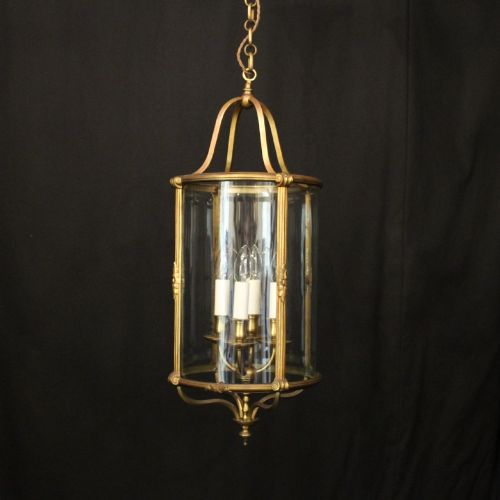
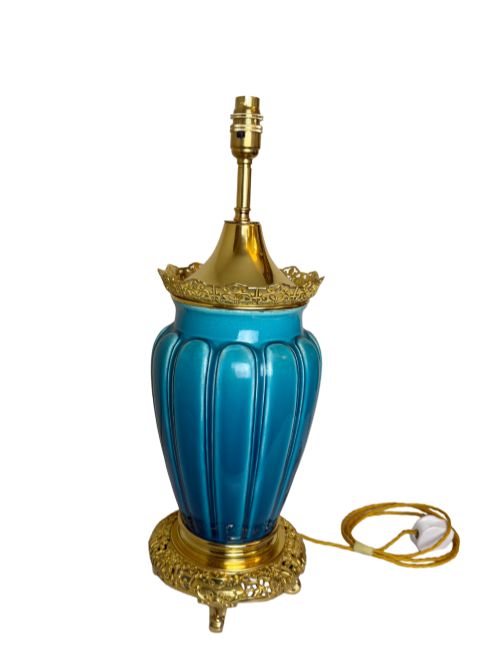
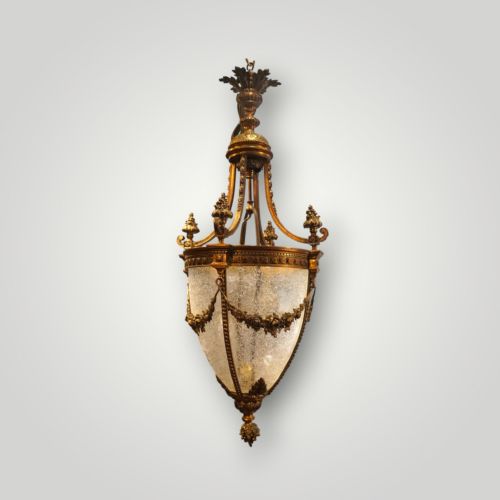
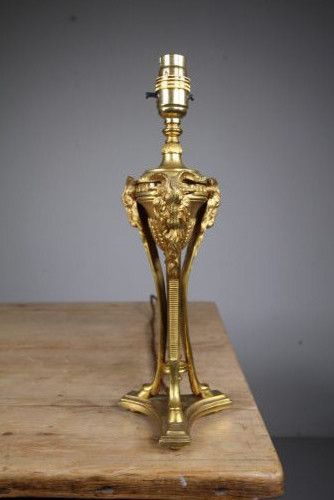
Table lamps, wall sconces, and hall lanterns represent the common forms available for modern placement. Many items began life as candle or oil fixtures before undergoing conversion for electrical wiring.
Materials and construction methods
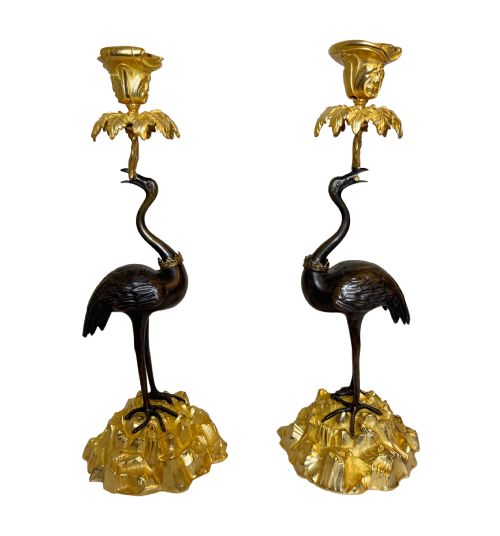
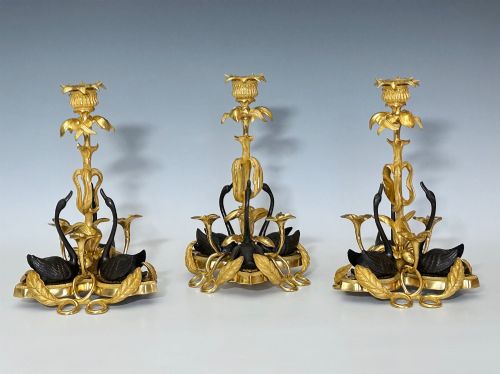
Foundries utilised traditional sand casting and lost-wax techniques to shape bronze, brass, and ormolu into complex figural and foliate forms. Artisans then applied chemical patination to darken the metal or used mercury gilding to achieve a bright golden finish.
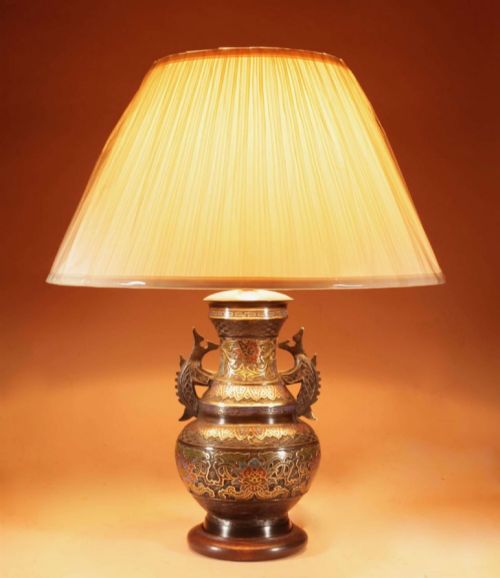
Many lighting pieces integrate contrasting media such as carved white marble bases, hand-painted Sevres-style porcelain bodies, or champleve enamel panels. Glass shades and lustres complement the metal components to diffuse or reflect the light source.
Several Victorian pieces feature sculpted stags, does, flamingos, and bears holding candles, bringing an unexpected menagerie into formal nineteenth-century interiors.
Factors determining quality
The crispness of the chasing and the depth of the casting separate ordinary production from superior workshop output. High-grade pieces retain sharp details in hair, feathers, and acanthus leaves that lesser castings lose during reproduction.
The integration of secondary materials defines the overall standard of an object. Solid marble bases, heavy gauge mounts, and intact fire-gilding indicate skilled manufacturing rather than thin electroplating over base metal.
Barbedienne·Thomas Hope
The Victorian Bronze Lighting Glossary
- Ormolu
- Gilded bronze produced through a mercury amalgamation process that leaves a rich, durable golden layer on the metal surface. This technique was widely utilised in French and English decorative hardware during the nineteenth century.
- Patinated bronze
- Metal treated with chemical solutions to create a controlled surface coloration, typically ranging from deep brown to near black. This finish protects the alloy and emphasises sculptural contours.
- Champleve
- An enamelling technique where troughs are dug into the metal surface and filled with vitreous enamel powder before firing. The resulting coloured patterns frequently decorate nineteenth-century candlesticks and lamps.
- Candelabra
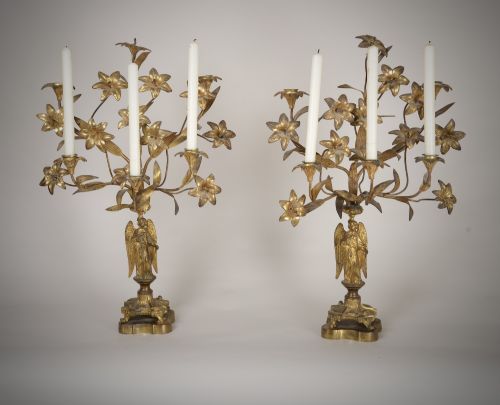
- A branched lighting fixture designed to hold multiple candles simultaneously. These pieces often feature central figural stems and removable drip pans.
- Pricket candlestick
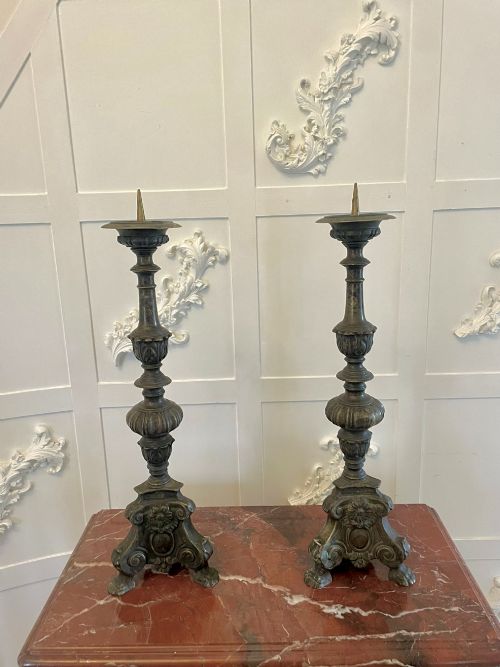
- A spike-topped candleholder designed to impale the base of a thick candle rather than receiving it inside a socket. This medieval form experienced a revival during the Gothic taste of the nineteenth century.
Victorian Bronze Lighting: Frequently Asked Questions
Can these converted lamps take modern bulbs?
Most antique lamps on the market have already received modern wiring to suit standard household supplies.
Buyers should inspect the lampholder to confirm compatibility with current safety standards and local plug types.
How do I clean patinated bronze safely?
Dusting with a dry, soft microfibre cloth prevents the accumulation of grit without disturbing the aged surface finish.
Water and chemical solvents should be avoided entirely to protect vulnerable patination and gilding.
What is the difference between bronze and ormolu?
Bronze is a copper and tin alloy valued for its dark structural strength and suitability for detailed casting.
Ormolu refers specifically to bronze that has received a golden surface coating, creating a bright metallic contrast.
How do I identify a Gothic revival piece?
Gothic revival lighting incorporates architectural motifs such as pointed arches, quatrefoils, and heavy pricket spikes.
These designs draw inspiration from medieval ecclesiastical metalwork rather than classical Greek or Roman art.