
Victorian Bronze Figure
A victorian bronze figure brings classical mythology, animals and historical portraits into domestic spaces through the enduring warmth of cast metal.

Victorian Bronze Figure
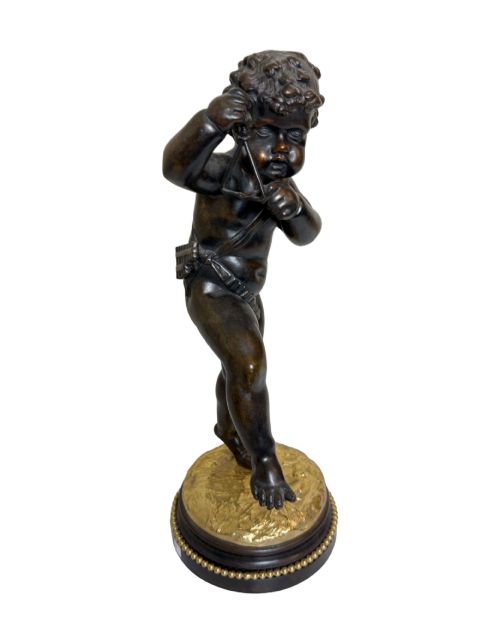
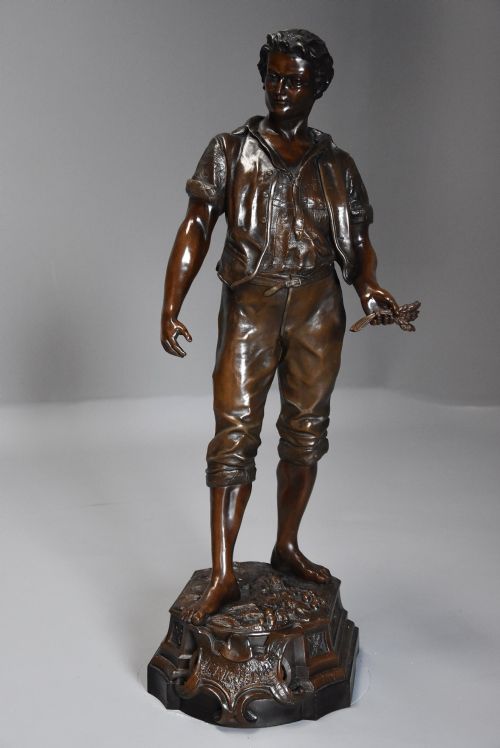
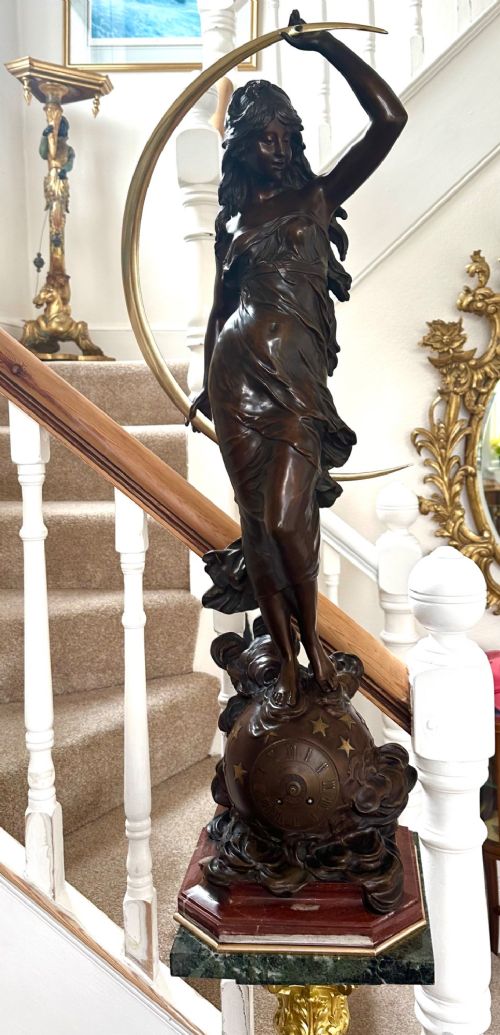
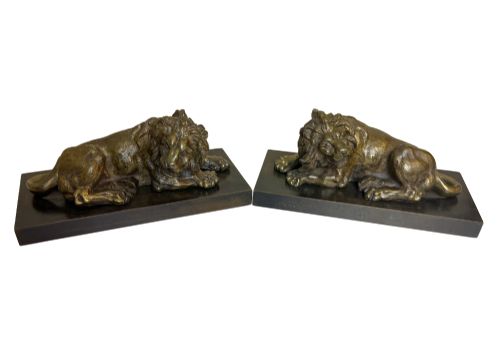
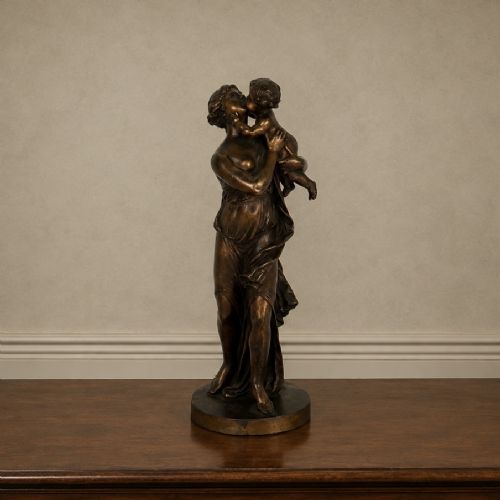
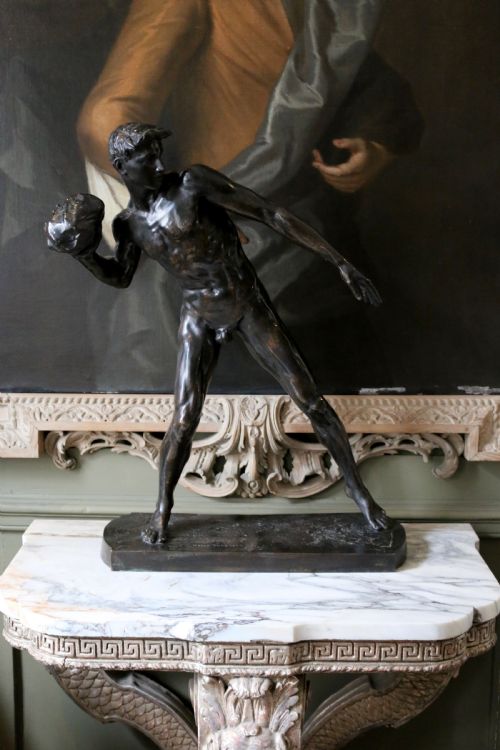
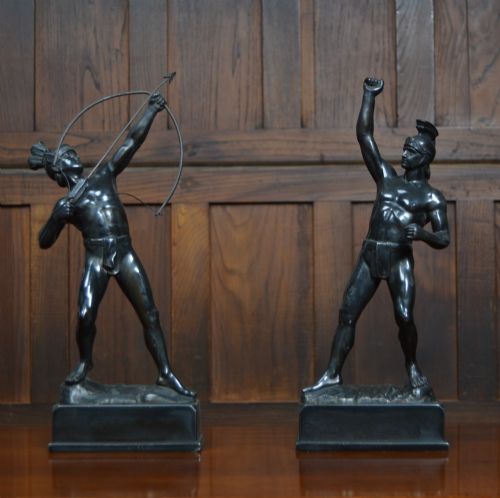
A victorian bronze figure encompasses sculptural works produced during the nineteenth century, ranging from mythological subjects and classical deities to animalier studies and portrait busts. The selection draws heavily upon French animalier works, Grand Tour souvenirs from Italy, and English domestic commissions depicting literary figures, laborers and domestic animals.
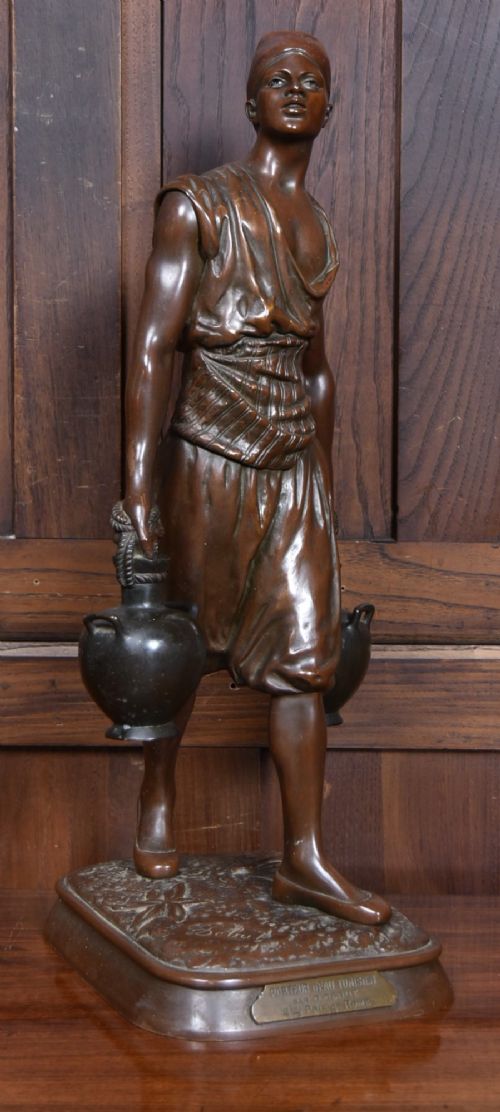
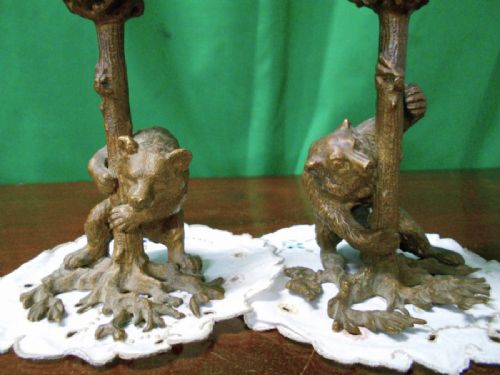
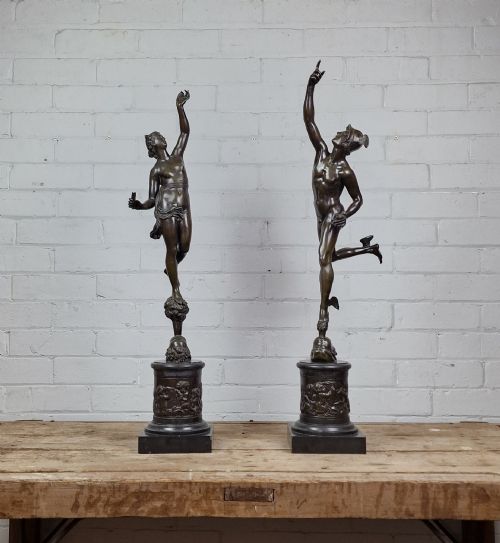
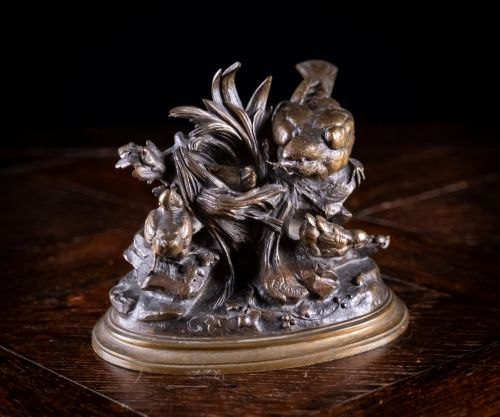
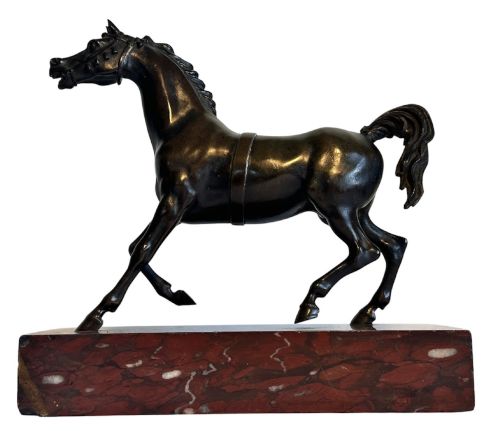
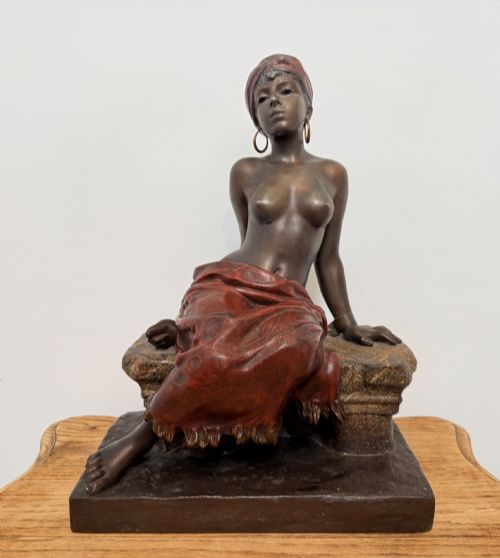
Buyers will encounter these pieces cast as standalone sculptures on marble plinths, table lamps, candlesticks and inkwells. Subjects span from classical figures like Narcissus and Mercury to dogs, stags, lions and orientalist figures, reflecting the varied tastes of the period across domestic and study interiors.
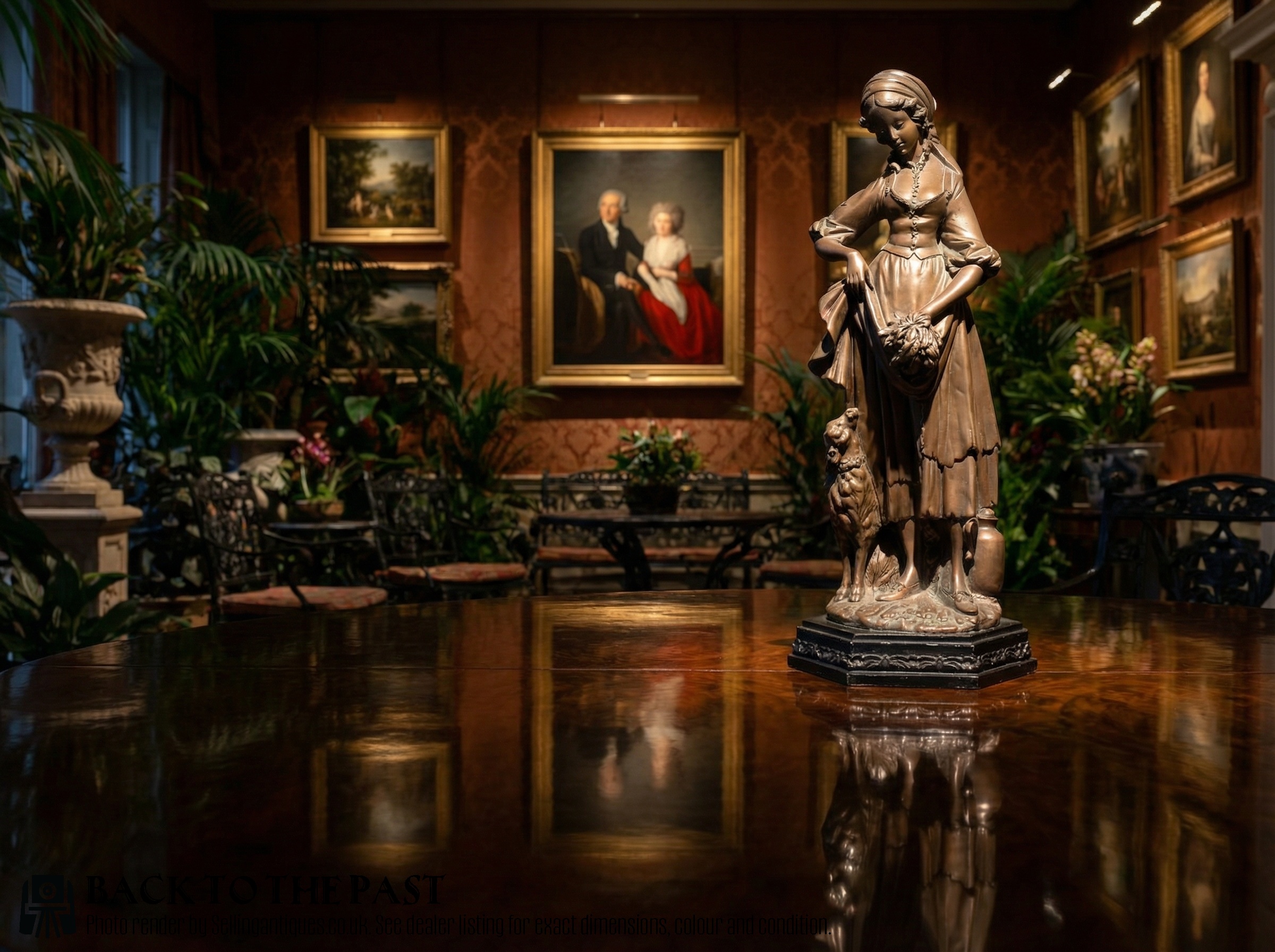
Casting and Finishes
Foundries utilised the lost-wax casting method or sand casting to achieve intricate detail in molten metal, subsequent to which artisans applied chemical patination to produce dark green, brown or black surfaces. Gilding and ormolu highlights were frequently added to create contrast on specific elements of the costume or base.
Alternative compositions include bronzed spelter and chalk figures finished to emulate true bronze, alongside heavy bronze figures mounted directly onto turned marble bases.
Victorian Bronze Figure Retail Price Guide 2026
Typical asking prices for victorian bronze figure among the pieces listed under this phrase on Sellingantiques today, from the lower quarter to the upper quarter. They describe what is for sale here now, not the wider market.
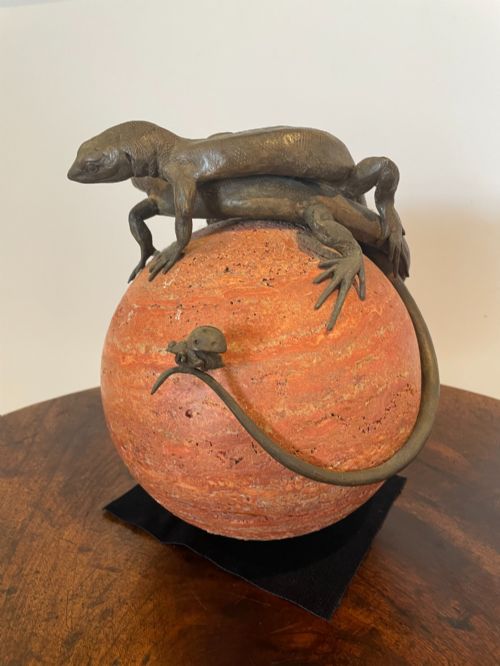
A bronze lizard sculpture from 1890 proves that Victorians appreciated reptiles just as much as stags and Shakespeare.
Casting Fidelity and Finishing
The distinction between tiers of work rests upon the crispness of the chasing and the depth of the initial cast, where superior examples retain sharp feather, fur and facial definition without smoothing from subsequent polishing. Foundries employing skilled chasers after the cast ensured that musculature, drapery folds and engraved signatures remained distinct.
Weight and stability further delineate the standard, with superior casts utilising dense metal alloys and solid mounts rather than hollowed forms or lightweight substitute metals such as spelter.
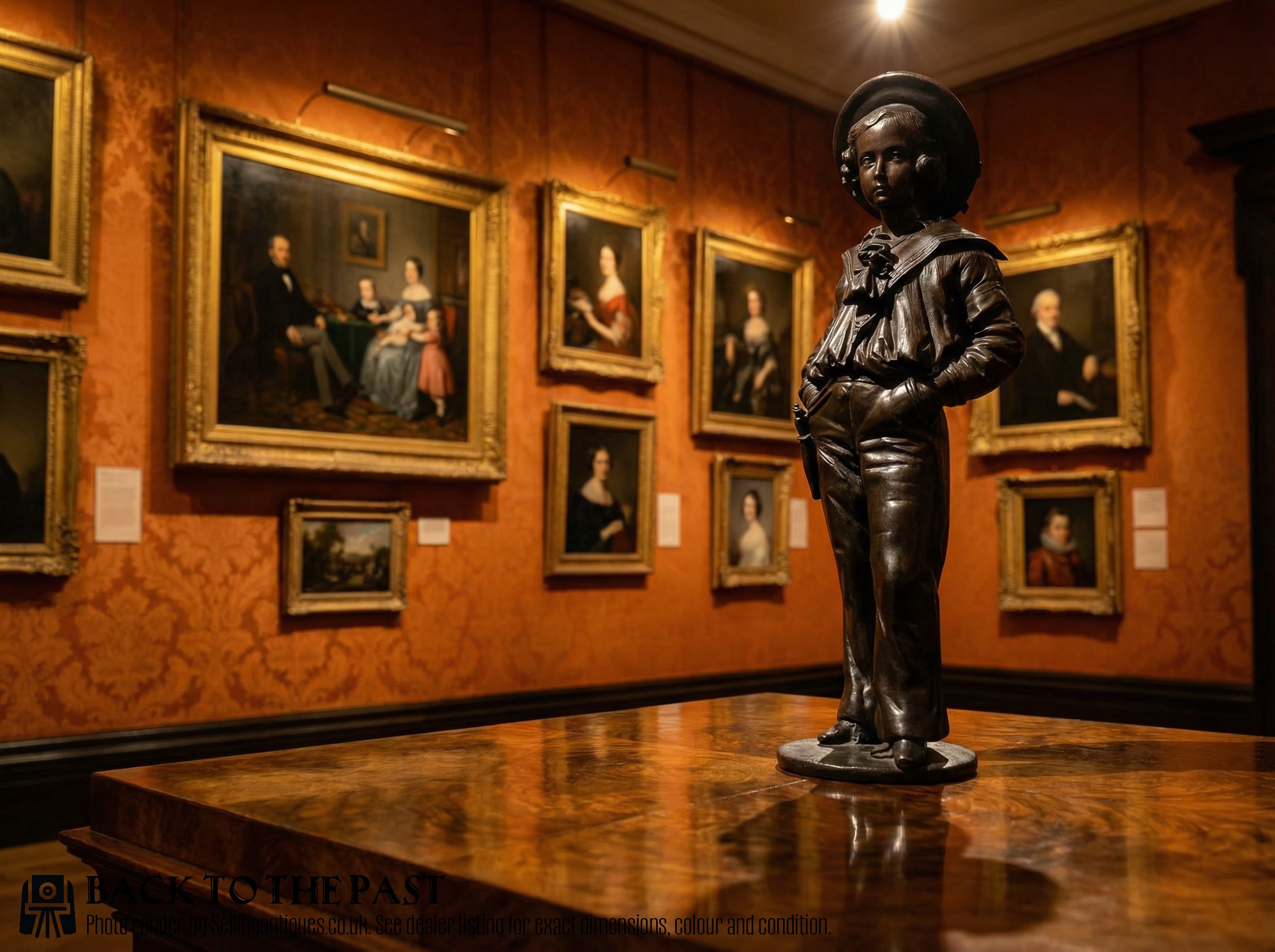
Lemoyne·Louis Emile Cana·F Milliot·August Moreau·E Villanis·Hamo Thornycroft·John Willis Good·Pierre Jules Mene·Prosper Lecourtier·Ernest Rancoulet
The Victorian Bronze Figure Glossary
- Patinated bronze
- A metal sculpture treated with chemical solutions to produce a specific surface colour, most commonly shades of brown, green or black. This protective and decorative layer defines the visual tone of the piece.
- Animalier
- A nineteenth-century French artistic movement focused on realistic depictions of animals, particularly predators, hounds, stags and horses in natural poses. Sculptors such as Pierre-Jules Mène mastered this genre.
- Grand Tour
- A cultural journey undertaken by wealthy young Europeans through France and Italy to study classical antiquities, resulting in the acquisition of small bronze replicas of ancient statues. These souvenirs formed the basis of many nineteenth-century collections.
- Ormolu
- Finely ground high-carat gold applied to a bronze base through a mercury amalgamation process, creating a bright golden surface finish. It appears frequently on garnitures, candlesticks and decorative mounts.
- Spelter
- An alloy of zinc and lead used as a less costly alternative to bronze, frequently treated with a bronze-coloured surface coating. It is lighter and softer than true bronze.
Victorian Bronze Figure: Frequently Asked Questions
How do I clean bronze sculptures?
Dust the surface gently with a soft, dry brush to remove accumulated particles without disturbing the underlying chemical patination.
Avoid using water, soap or metal polishes, as abrasive cleaning agents strip away historic patination and damage the metal.
Are these figures solid bronze?
Many nineteenth-century sculptures are cast as hollow forms to conserve weight and metal, while smaller animals and decorative items may be cast solid.
Heavier pieces often incorporate internal ballast or sit upon dedicated marble plinths to ensure stability.
What does patination indicate?
Patination results from chemical treatments applied by the founder or natural oxidation over time, ranging from deep chocolate brown to dark green.
An undisturbed surface shows consistent coloration appropriate to the age and origin of the casting.
How were Grand Tour bronzes used?
Travellers returning from Italy displayed miniature bronze replicas of classical statues in studies, libraries and drawing rooms as tokens of classical learning.
These decorative objects served as conversational pieces and testaments to the owner's cultural education.