
Victorian Brass Fireplace Fender
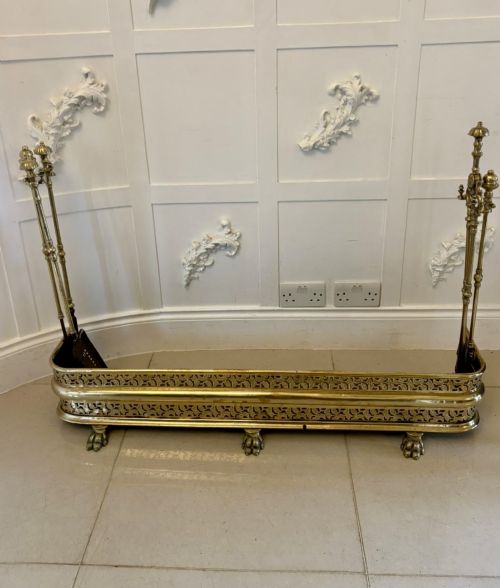
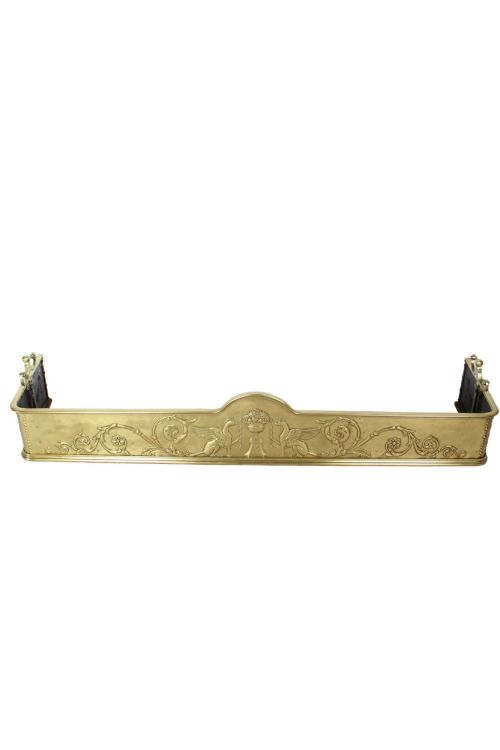
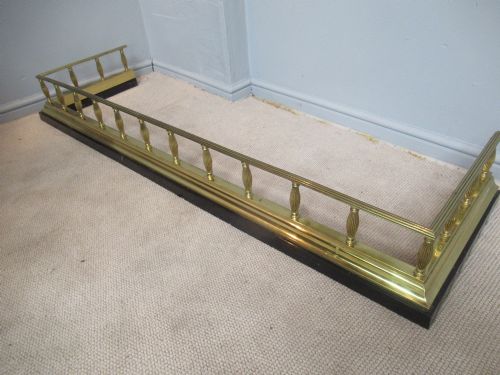
A victorian brass fireplace fender frames the hearth with warmth and presence, offering a practical barrier while anchoring the room's scheme.
Victorian Brass Fireplace Fender
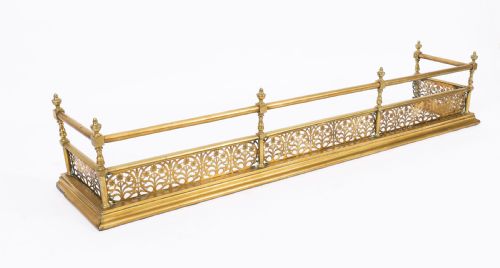
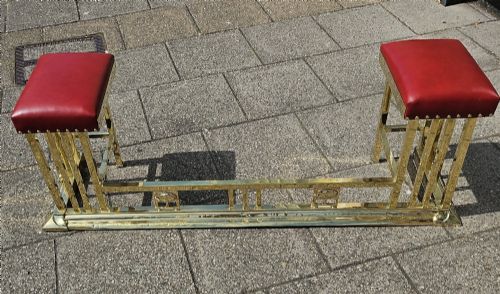
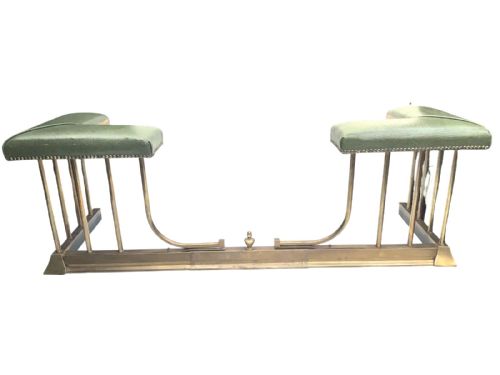
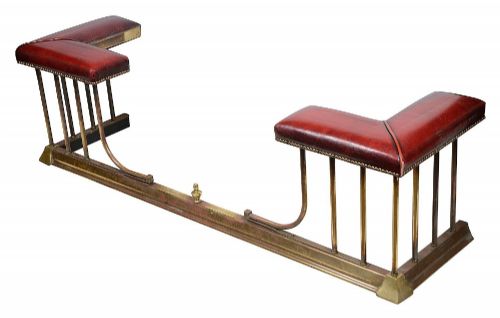
When you search for a victorian brass fireplace fender, you encounter heavy hearth guards designed to contain stray embers and protect the room. The selection spans straightforward kerbs to substantial club fenders equipped with leather seats.
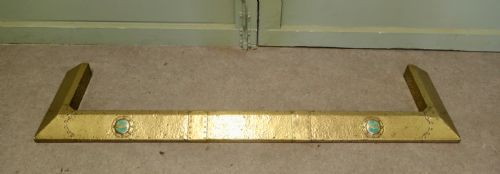
Most pieces date from the nineteenth century, including specific decades such as the eighteen-eighties and eighteen-nineties. You will also find Edwardian examples and pieces reflecting styles ranging from Regency to Art Nouveau and Arts and Crafts.
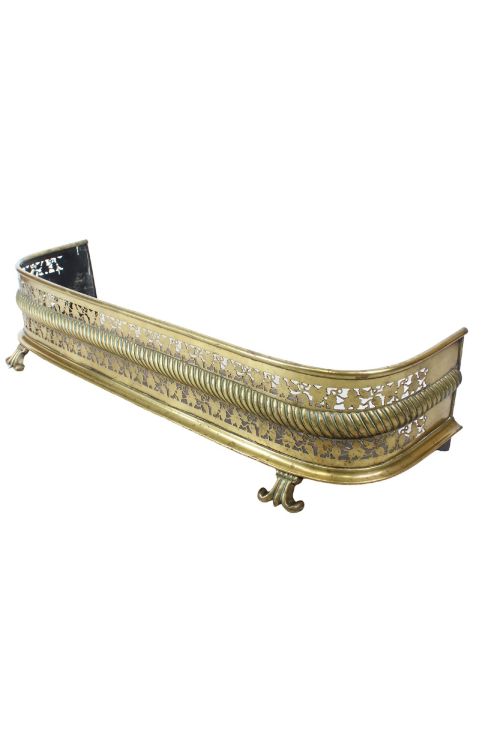
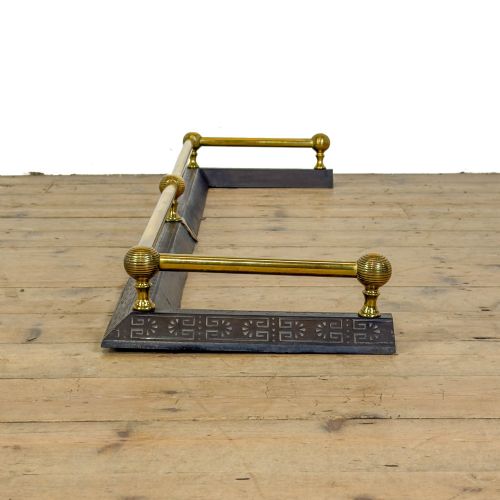
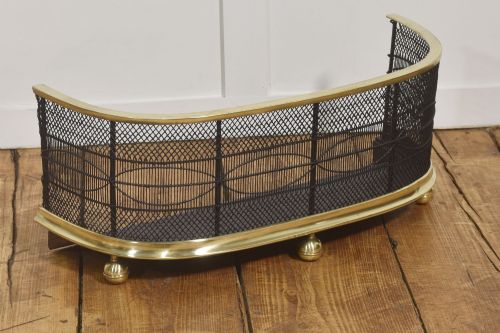
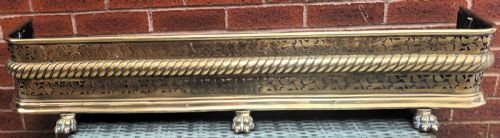
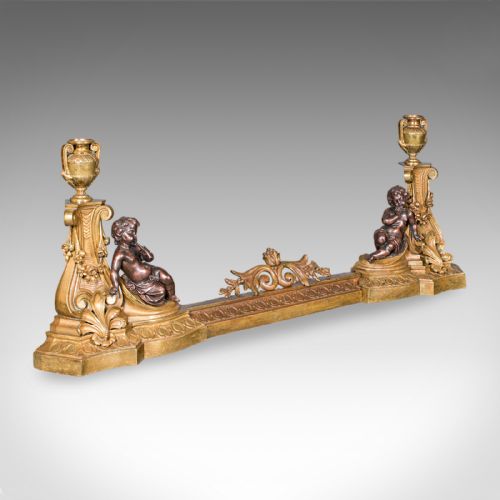
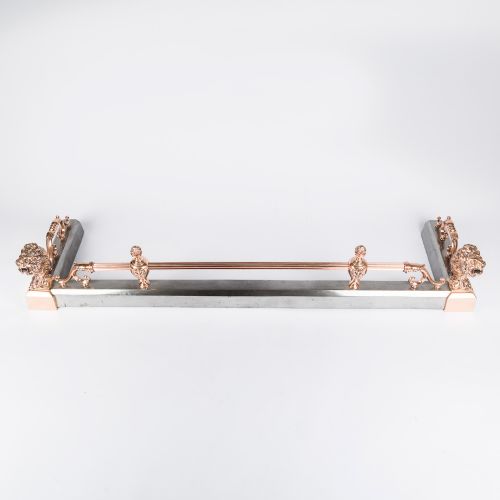
Forms vary from small pierced designs to large adjustable frames and nursery guards with wire mesh or clothes rails. They appear primarily in brass, often combined with iron, steel, bronze, copper and leather.
How they were made
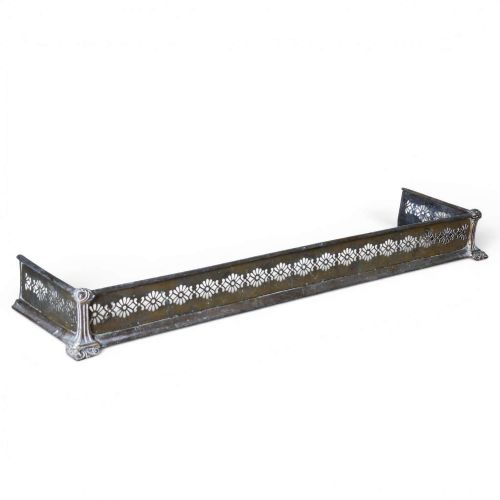
Maker's workshops combined sheet and cast brass with structural iron and steel to build sturdy hearth frames. Pierced decoration involved careful cutting of the metal plates to create intricate patterns.
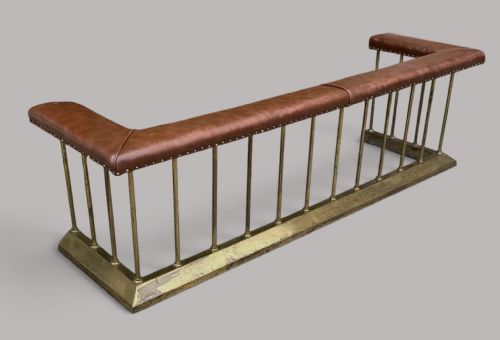
Club versions incorporated mature tan leather for the upholstered seating pads atop the metal bases. Copper, bronze and wire mesh also feature in the construction of guards and decorative kerbs.
Some nursery fenders doubled as clothes dryers, featuring built-in rails designed for warming garments by the hearth.
What varies in quality
The standard of a fender rests on the weight of the metal and the crispness of any pierced or embossed detail. Substantial gauges of brass and integrated steel components indicate a higher grade of manufacture.
Upholstery finish and the quality of leather on club variants separate utilitarian examples from finer parlour pieces. Refined patination on the brass and bronze surfaces adds distinction to the design.
The Victorian Brass Fireplace Fender Glossary
- Club fender
- A low hearth kerb fitted with upholstered leather seats on either end. This design allowed people to sit close to the fire.
- Pierced brass
- Metalwork decorated by cutting patterns through the sheet. It lightened the visual weight of the kerb.
- Nursery fender
- A tall guard enclosing the hearth to keep children and skirts away from the flames. Many included wire mesh and top rails.
- Fire kerb
- A low metal barrier outlining the hearth perimeter without seating. These focus purely on containing ash and embers.
- Patination
- The surface finish and colour developed on the metal over decades of age and use. It reflects the piece's history.
Victorian Brass Fireplace Fender: Frequently Asked Questions
How do I choose the right size?
Measure the width and depth of your hearth space carefully before selecting a kerb. Many pieces offer adjustable frames to help fit specific fireplace openings.
Take into account whether you need a simple narrow kerb or a wider club style that requires additional floor space for seating.
Were club fenders used for sitting?
Club fenders were indeed designed with cushioned leather tops so people could sit directly by the fire. The upholstered corners provided a comfortable vantage point in the room.
This practical seating arrangement remains a popular feature in traditional living spaces today.
What is the difference between a kerb and a guard?
A kerb sits flat on the hearth as a low boundary to contain logs and ash. Guards are taller structures designed to block sparks from reaching the room.
Some nursery guards add extra height and wire mesh panels for increased safety around open fires.
How do I care for antique brass?
Dust the metal regularly with a soft cloth to prevent the buildup of grime. Avoid harsh chemical cleaners that strip the aged patina.
Gentle cleaning preserves the historic character and warm tone of the brass and bronze components.