


Vintage Brass Hearth Guard
A vintage brass hearth guard keeps sparks at bay while anchoring the room with the warm gleam of polished metal.
Vintage Brass Hearth Guard
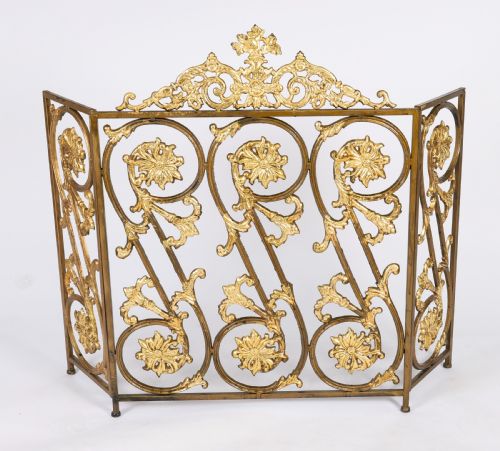
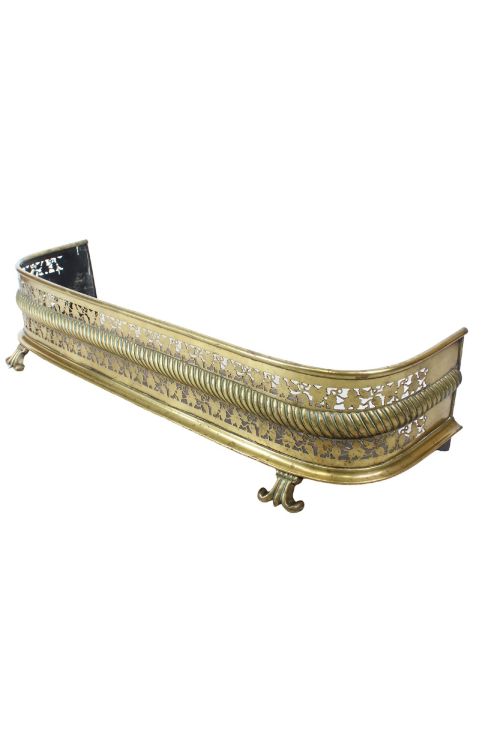
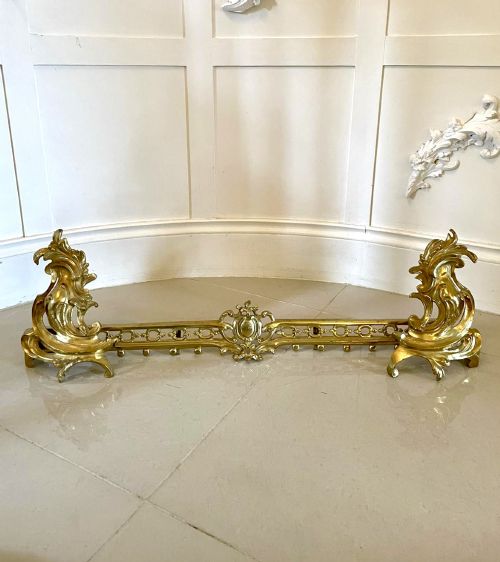
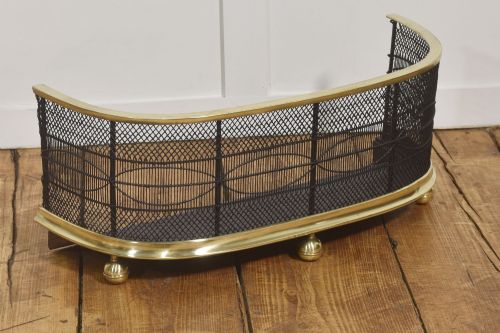
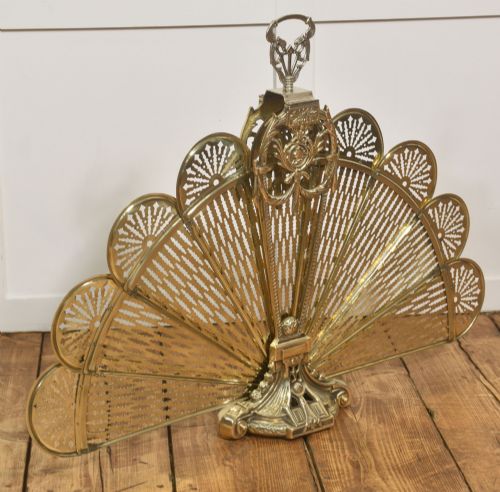
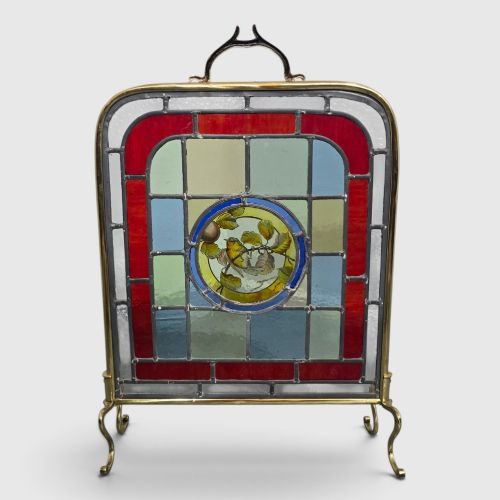
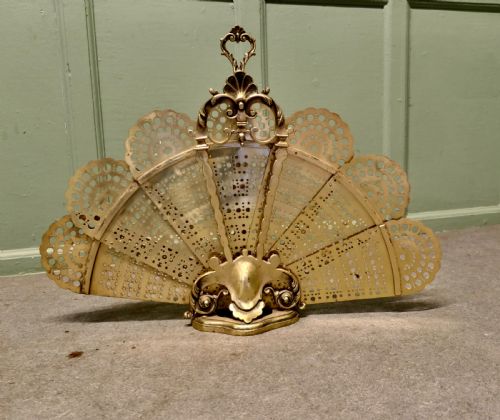
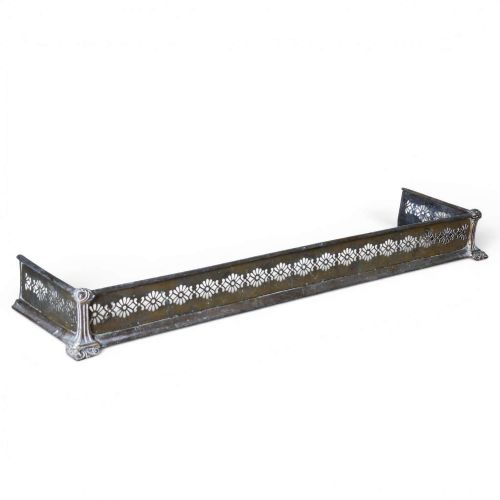
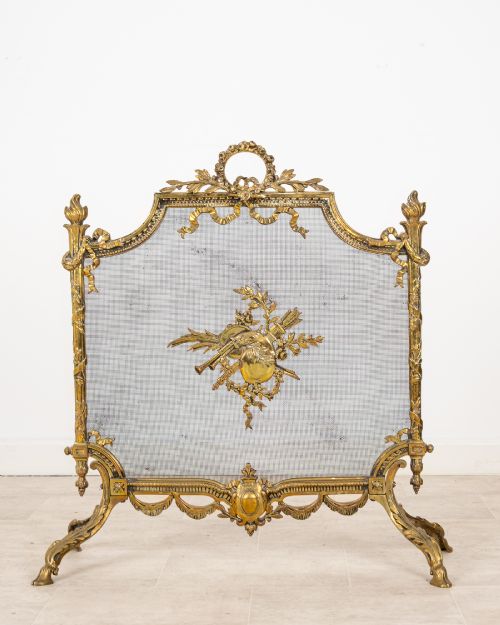
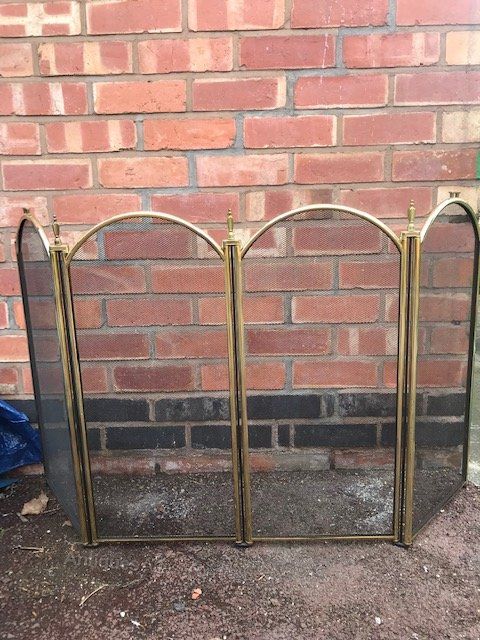
A vintage brass hearth guard encompasses several distinct protective fireplace forms, from solid low fenders and club seats to tall folding screens. These pieces originate across the nineteenth and early twentieth centuries, spanning Victorian, Edwardian, and continental revival periods. When searching for a vintage brass hearth guard, buyers encounter folding peacock fan screens, wire mesh spark guards, and pierced kerbs designed to contain stray embers. The selection ranges from simple domestic wirework to ornate French ormolu and gilded bronze showpieces featuring classical trophies or scrolling foliage.
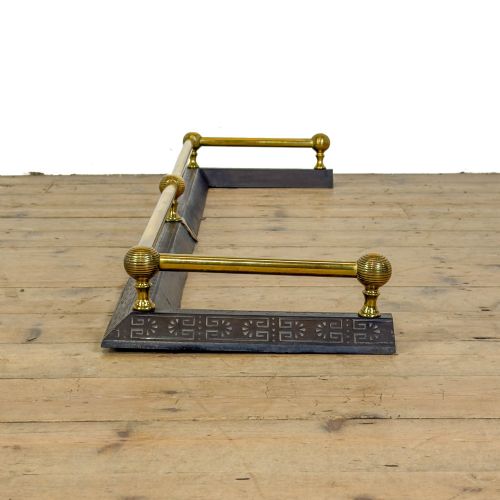
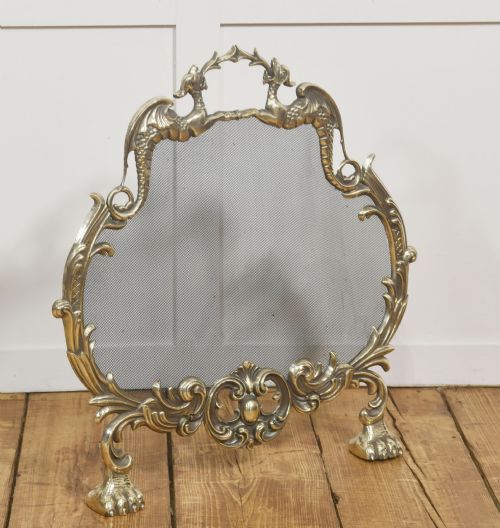
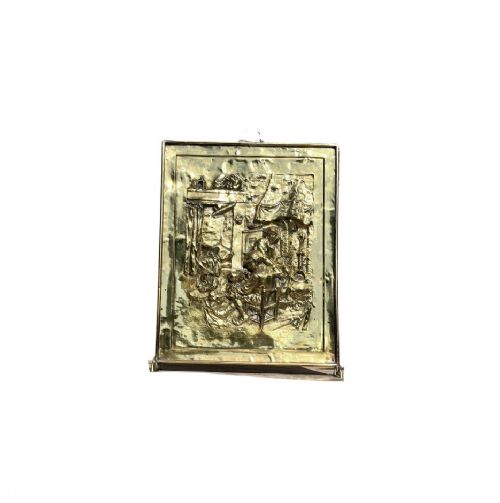
Victorian examples dominate the listings, particularly heavy pierced brass fenders and expanding club designs upholstered in leather. French Rococo and Louis XIV revivals appear frequently, showcasing chased sheet brass, embossed coats of arms, and pivoting glass or mesh panels. Edwardian and later twentieth-century iterations lean towards clean lines or functional nursery barriers fitted with clothes rails. Each variation reflects the heating needs and decorative tastes of its domestic interior.
Materials and Construction
Makers constructed these protective hearth pieces primarily from sheet and tubular brass, frequently combining them with iron, steel, and wire mesh to ensure structural rigidity. Gilt bronze and ormolu surface treatments appear on high-end French models, providing a durable and decorative metallic finish. Wirework panels utilise fine metallic threading for spark containment, while heavier fenders incorporate cast iron bases and leather upholstery.
Techniques relied heavily on hand-piercing, embossing, chasing, and riveting to assemble intricate scrollwork and floral trophies. Folding screens employ hinged segments of brass mesh or individual fan blades that expand outward on a pivot. Frame components connect through traditional joinery and bolting, maintaining stability against the radiant heat of coal and wood fires.
Vintage Brass Hearth Guard Retail Price Guide 2026
Typical asking prices for vintage brass hearth guard among the pieces listed under this phrase on Sellingantiques today, from the lower quarter to the upper quarter. They describe what is for sale here now, not the wider market.
Some folding screens sport dolphin motifs or family coats of arms, turning everyday fire safety into an aristocratic spectacle.
Markers of Quality
Quality rests upon the thickness of the metal gauges, the crispness of the chased or pierced detailing, and the structural integrity of the hinges. Superior items display deep, hand-worked relief rather than flat stamped patterns, maintaining rigidity across wide spans and extending sections. The weight of the brass and the precision of the joints separate utilitarian domestic hardware from fine decorative examples.
The sophistication of the design dictates distinction, moving from plain wirework to sculptural cast frames with detailed classical motifs or armorial crests. Original surface patination and tight, smooth movement in folding fan mechanisms or extending fender arms indicate careful construction. Inferior pieces often exhibit thin, easily bent wire or loose hinges that fail to support the weight of the frame.
The Vintage Brass Hearth Guard Glossary
- Fender
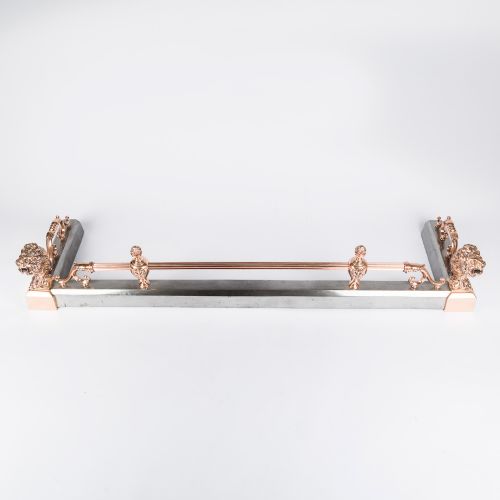
- A low metal barrier placed on the floor around a hearth to contain rolling embers. These items often feature extending arms or pierced brass galleries.
- Spark Guard
- A protective screen, frequently constructed from wire mesh or folding panels, positioned directly in front of the fire opening. This device stops sparks from reaching combustible flooring.
- Club Fender
- A low hearth fender incorporating padded leather seats on either end. Originally designed for social seating close to the fire.
- Ormolu
- Gilded bronze or brass applied to decorative furnishings. This technique creates a rich gold-coloured surface finish on French revival screens.
- Pierced Brass
- Sheet metal perforated with decorative patterns using saws or punches. This method allows airflow while lightening the visual weight of the guard.
Vintage Brass Hearth Guard: Frequently Asked Questions
How do I measure for a fender?
Measure the width and depth of your fireplace hearth opening, allowing clearance for surrounding tiles or raised hearth stones. Ensure you account for any extending or adjustable mechanisms if the piece spans a variable width.
Check the height of the hearth surround so that low fenders do not interfere with fire irons or lower grate openings.
Are these guards safe for open fires?
Most historical guards use iron, steel, and brass mesh specifically designed to catch flying embers from open wood or coal fires. Folding fan screens and tripartite guards provide physical barriers against sparks.
Ensure stability on uneven hearth stones before lighting a fire to prevent accidental tipping.
How do I clean antique brass?
Dust the metal regularly with a soft, dry cloth to prevent soot accumulation. Avoid harsh chemical polishes that strip away historical patination and surface depth.
Gentle wiping preserves the aged character developed across the nineteenth and twentieth centuries.
What is a peacock fan screen?
A peacock fan screen consists of multiple folding metal blades that expand into a semicircular fan shape resembling tail feathers. These pieces fold flat when the fireplace is not in use.
Victorian and Edwardian homes utilised them primarily as decorative summer covers for empty hearths.