


Victorian Anglo Indian
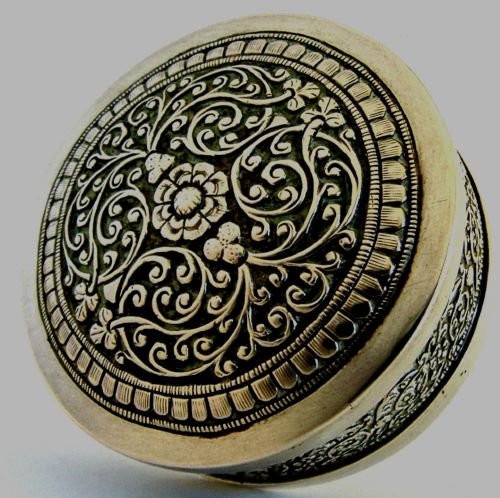
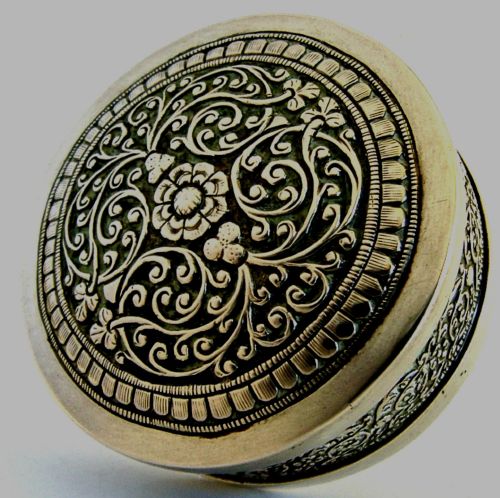
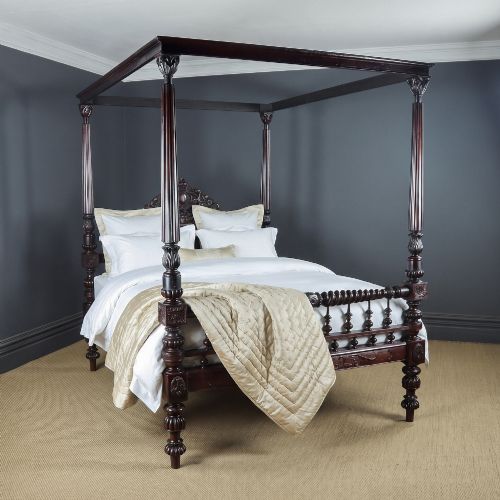
Victorian Anglo Indian furniture and decorative objects combine dense native hardwoods with intricate carving, born from British colonial presence abroad.
Victorian Anglo Indian
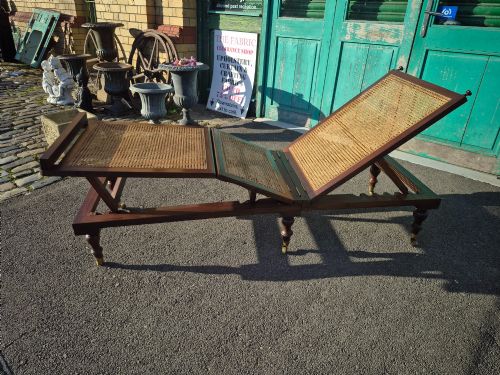
Victorian Anglo Indian items span heavy campaign furniture built for military transit and highly decorative household goods fashioned for colonial officials. Buyers encounter everything from massive teak wardrobes and brass-bound chests to intricate octagonal Hoshiarpur tables and occasional stands.
The category encompasses diverse utilitarian and ornamental forms produced across the subcontinent during the nineteenth century. Side tables, centre tables, armchairs, and writing boxes represent the domestic sphere, while specialised trunks reflect administrative movement.
Moorish Revival and Aesthetic Movement influences also appear alongside traditional colonial carving. Pieces range from straightforward folding campaign gear to deeply carved ebony and padauk display pieces.
How they were made
Artisans utilised dense tropical timbers such as teak, padauk, rosewood, ebony, and camphorwood for structural integrity and rich natural grain. These heavy woods withstand extreme climates and take deep, crisp chisel work.
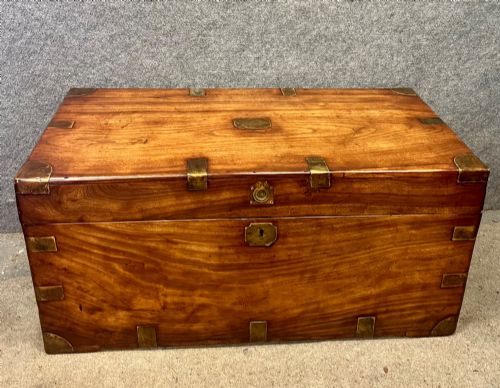
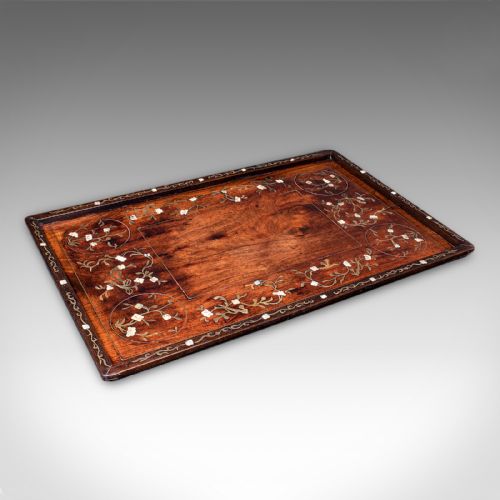
Construction frequently incorporated solid brass binding, flush handles, and corner brackets to reinforce portable campaign boxes and chests. Inlay work combined contrasting bone and lighter woods into geometric and floral panels.
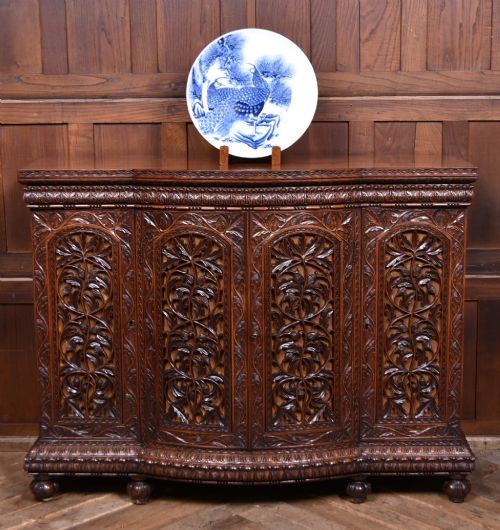
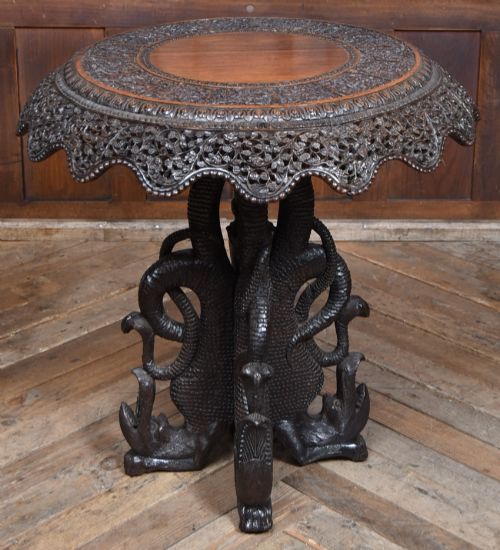
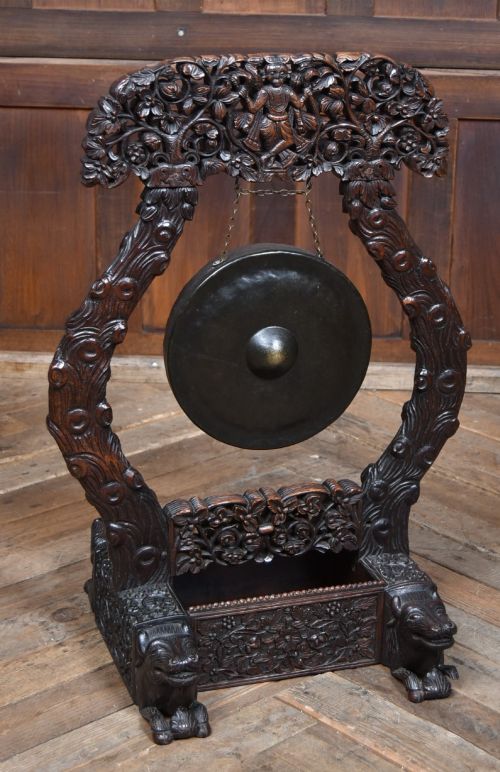
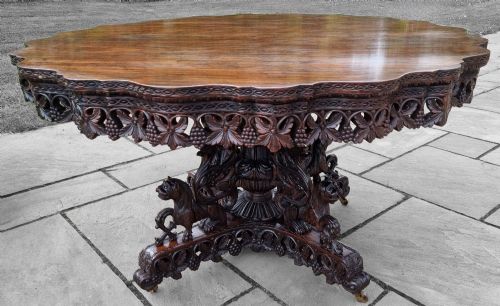
Carving was executed by hand, yielding dense foliage, figures, and architectural motifs across table tops, panels, and chair frames.
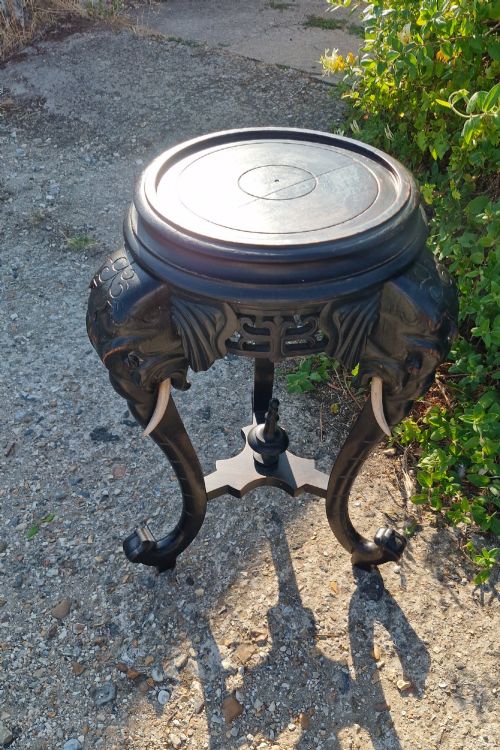
Late nineteenth-century occasional tables occasionally feature carved wooden elephant tusks supporting the top.
What varies in quality
Depth and crispness of the hand carving dictate the aesthetic standard of ornamental tables and cabinets. Superior examples display sharp undercutting and intricate relief without splintering the dense hardwood.
The selection of timber grain and the precision of brass mountings separate standard utility items from elite bespoke commissions. Campaign pieces demonstrate excellence through the exact alignment of folding joints and solid brass hardware.
Completeness of original inlay and the survival of matching secondary woods influence the integrity of desks, boxes, and occasional stands.
Liberty And Co
The Victorian Anglo Indian Glossary
- Campaign furniture
- Portable furnishings constructed in sections with recessed brass hardware for military transport.
- Hoshiarpur
- A stylistic attribution associated with intricate micro-mosaic inlay of bone and dark woods on tables and boxes.
- Padauk
- A heavy, durable reddish-brown tropical hardwood utilised extensively for nineteenth-century tables and sideboards.
- Cachepot
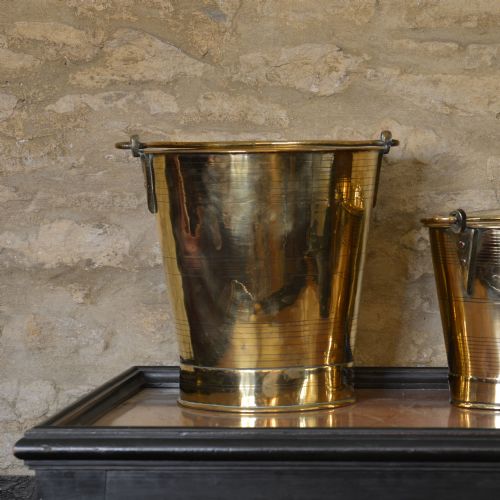
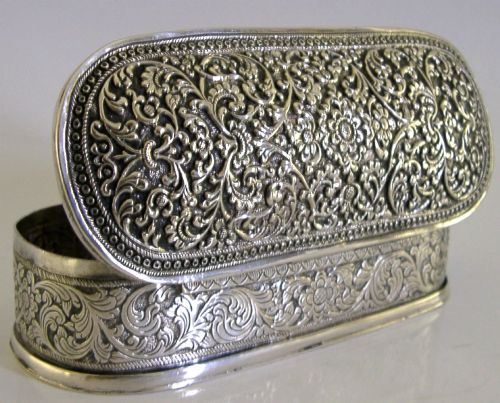
- An ornamental container designed to hold a flowerpot, often found in hammered or engraved brass.
- Sarcophagus
- A monumental tea caddy or box shape tapering toward the base, reminiscent of classical stone tombs.
Victorian Anglo Indian: Frequently Asked Questions
What is Victorian Anglo Indian furniture?
These items are domestic and campaign furnishings made in India for British residents during the nineteenth century.
They blend traditional local craftsmanship with British utilitarian forms.
How do I identify campaign pieces?
Campaign pieces feature modular construction designed for easy disassembly and transport.
Look for flush brass handles, reinforced corners, and folding stands.
What woods were used?
Carpenters relied on dense tropical timbers native to the region.
Teak, padauk, rosewood, and ebony dominate the surviving pieces.
How do I care for these hardwoods?
Maintain stable indoor humidity to prevent the dense timbers from splitting.
Apply gentle wax occasionally to nourish dry surfaces without heavy polish.