
Carved Leaf Table
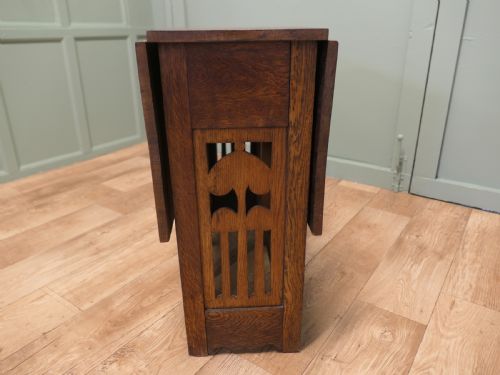
When you search for a carved leaf table, you are looking at timber furniture featuring foliage decoration or mechanisms that extend using leaves.
Carved Leaf Table
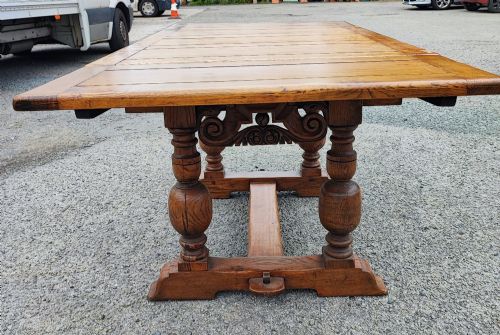
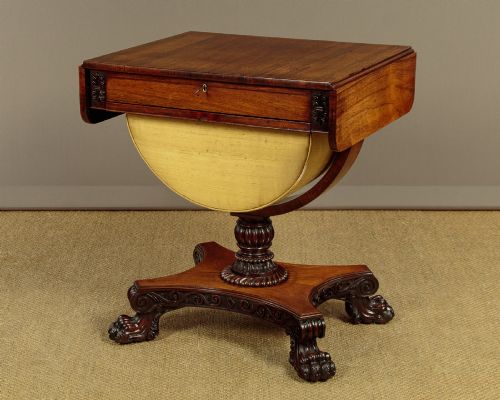
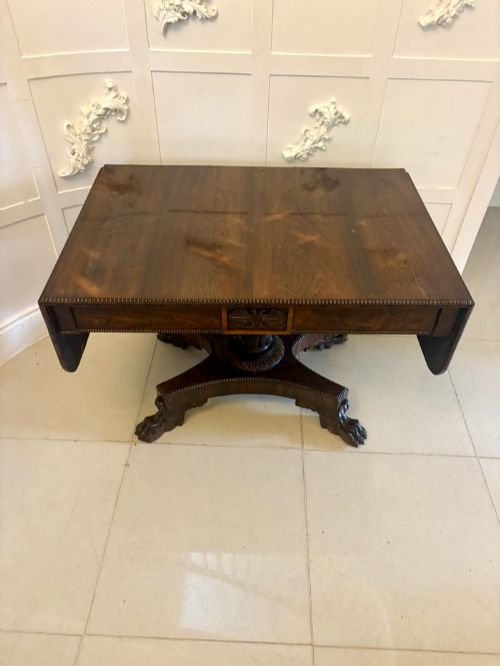
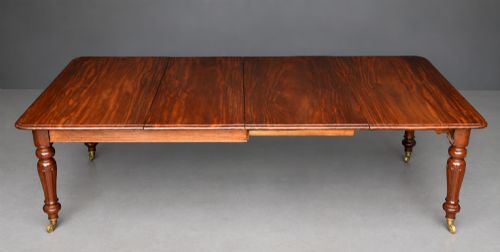
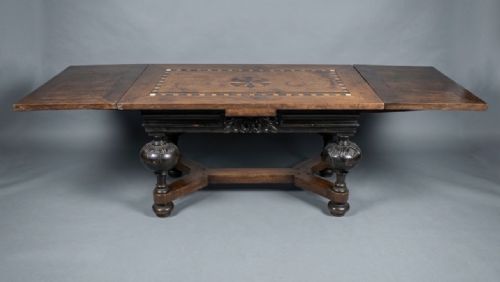
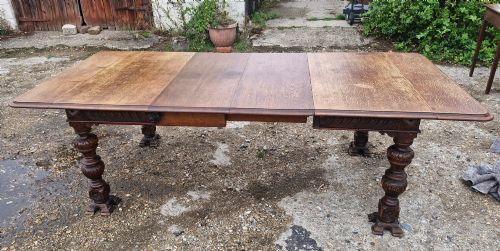
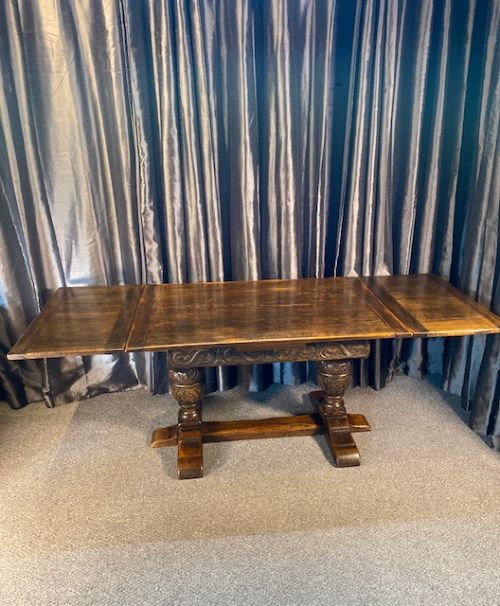
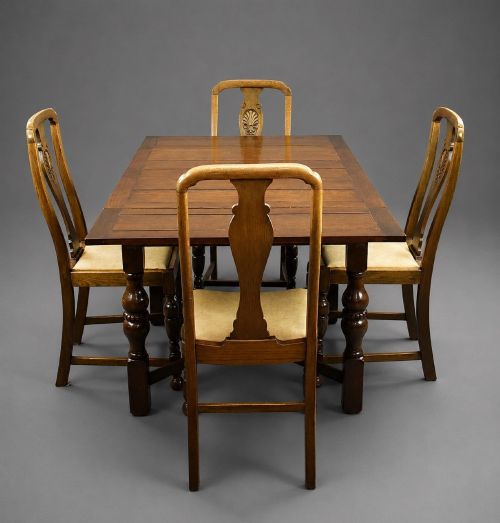
A carved leaf table encompasses dining, console, and occasional furniture spanning the 17th century through to the early 20th century. These pieces appear primarily as oak refectory or draw-leaf dining tables, walnut sutherland tables, and mahogany Pembroke or console designs.
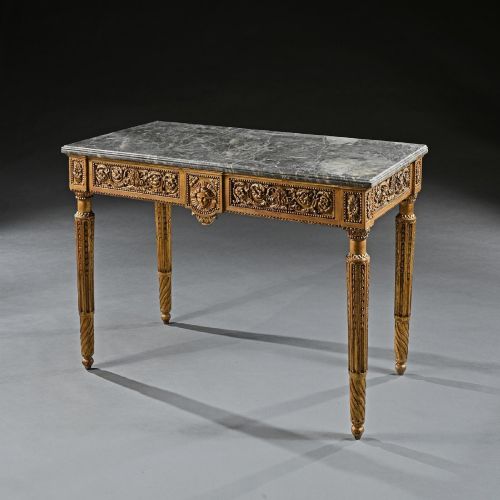
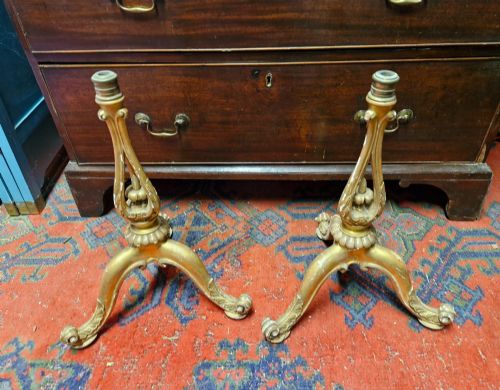
The term bridges functional drop-leaf mechanisms and stationary tables ornamented with carved acanthus, oak leaf, or floral motifs. Buyers encounter sturdy 17th-century and Jacobean revival oak examples alongside refined Victorian walnut and 18th-century Italian giltwood pieces.
How They Were Made
Cabinet makers built these tables predominantly from solid oak, walnut, and mahogany, utilising dense timbers suited to structural extension mechanisms and deep relief carving. Draw-leaf and gateleg variants rely on complex sliding frames and hinged flaps designed to support extra weight when expanded.
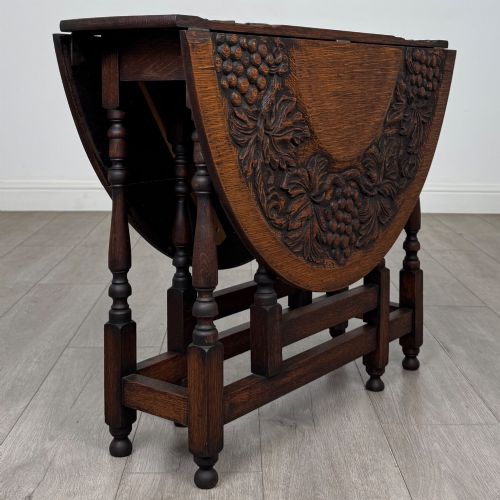
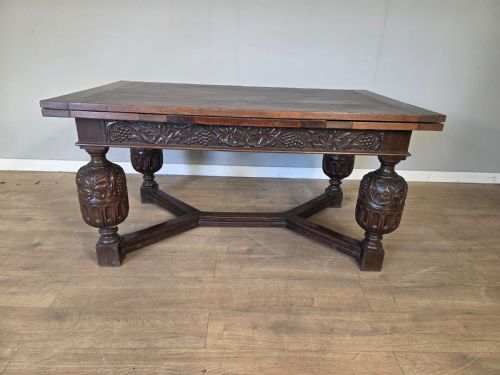
Surface decoration involved hand-chiseled foliage friezes, barley twist turnings, and parquetry or marquetry inlays. Giltwood console tables combine carved wooden bases with shaped marble tops, while 19th-century examples frequently incorporate burr walnut veneers.
Some Victorian occasional tables hide secret compartments beneath clover leaf tops, built for storing letters or small sewing items out of sight.
What Varies in Quality
Quality rests in the crispness of the hand-carved foliage and the structural integrity of the extending mechanism. Superior examples display deep, undercut relief work on the friezes and legs rather than shallow, mechanical stamping.
The choice of timber grain, such as figured burr walnut or quarter-sawn oak, distinguishes finer parlour and dining tables from utilitarian pieces. Original patination and smooth operation of draw-leaf or drop-leaf actions elevate the standing of a table.
The Carved Leaf Table Glossary
- Draw-leaf table
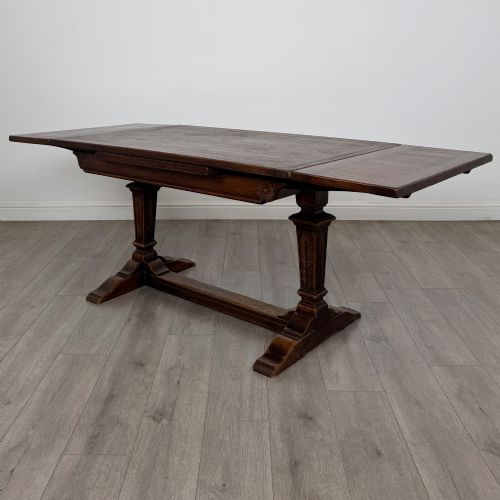
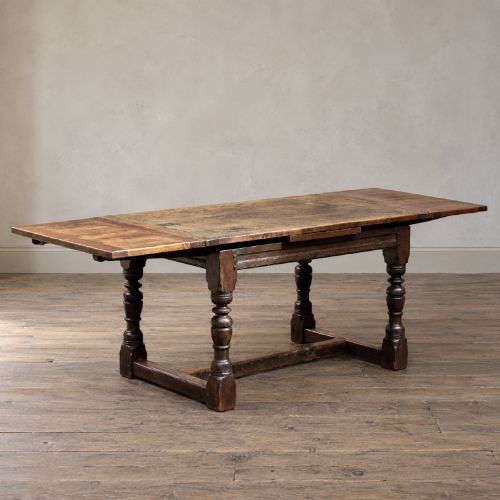
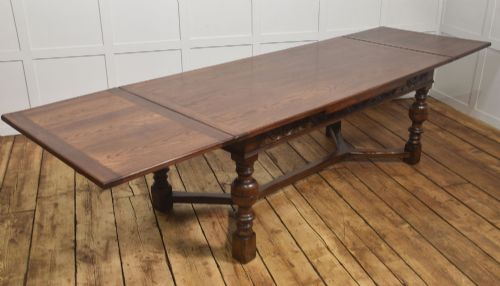
- A table equipped with two pull-out leaves stored beneath the main top that extend to lengthen the surface. This mechanism allows the central surface area to double while keeping the legs at the corners.
- Gateleg table
- A drop-leaf table featuring hinged legs that swing outward to support the folding flaps when raised. The pivoting leg gate resembles a swinging door gate.
- Sutherland table
- A narrow drop-leaf table with exceptionally small flaps and tall, slender legs designed to fold completely flat for storage. Victorian variants often utilise burr walnut and turned supports.
- Pembroke table
- A small rectangular table featuring two hinged drop leaves on opposing sides and usually a single drawer. It was developed in the 18th century as a versatile breakfast or writing table.
- Refectory table
- A long, narrow dining table originating from monastic dining halls and heavily revived in the 17th and early 20th styles. They typically feature solid timber tops supported by stretcher-connected trestles or turned legs.
- Parquetry
- Geometric wood inlay work forming mosaic patterns across the table surface. Craftsmen used contrasting timber species to create visible architectural designs.
Carved Leaf Table: Frequently Asked Questions
How do draw-leaf tables work?
Draw-leaf tables operate by pulling out extension leaves concealed beneath the main top surface. The primary top sections raise slightly as the end leaves slide outward into place.
This clever mechanism extends the dining capacity without requiring separate loose boards to be stored elsewhere. The supporting frame moves outward to keep the extended table stable.
Where were gateleg tables used?
Gateleg tables served as versatile furniture in domestic kitchens, parlours, and dining rooms from the 17th century onward. Their folding flaps allowed them to sit compactly against a wall when not in use.
When guests arrived, the hinged leaves swung up and the supporting gate legs pivoted outward to create a full dining surface. This flexibility made them essential in homes with limited floor space.
What distinguishes Victorian tables?
Victorian tables frequently feature heavier proportions, dark mahogany or burr walnut timbers, and dense machine or hand-carved ornamentation. Stylistic revivals of Jacobean, Gothic, and Elizabethan designs dominated the era.
Many examples incorporate mechanical innovations such as sscissor actions, drop leaves, and extending dining frames. The decoration often includes prominent leaf and acorn friezes or lion head terminals.
How should I care for a antique timber table?
Antique timber tables require protection from direct sunlight and sudden humidity changes to prevent wood splitting and veneer lifting. Maintaining a stable indoor climate preserves the original patina and structural joins.
Use coasters and dry, soft cloths for routine dusting rather than harsh chemical polishes. Periodically feeding the wood with appropriate wax helps maintain the moisture balance of antique oak and walnut surfaces.