


Antique Anglo Indian Furniture
Antique anglo indian furniture brings together British colonial forms and local craftsmanship, offering rich woods and intricate carving that elevate a room.
What antique anglo indian furniture is
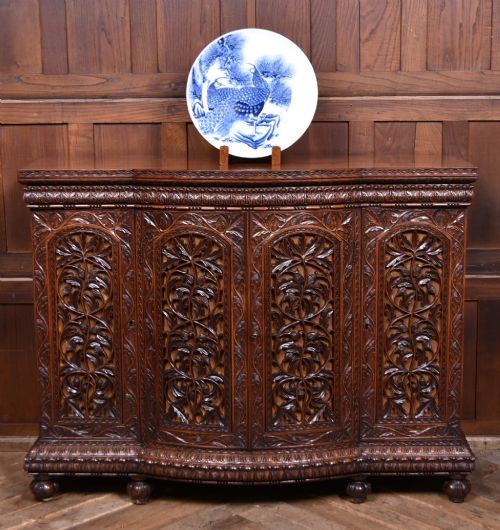
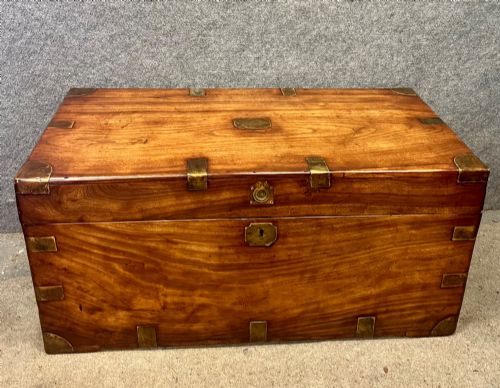
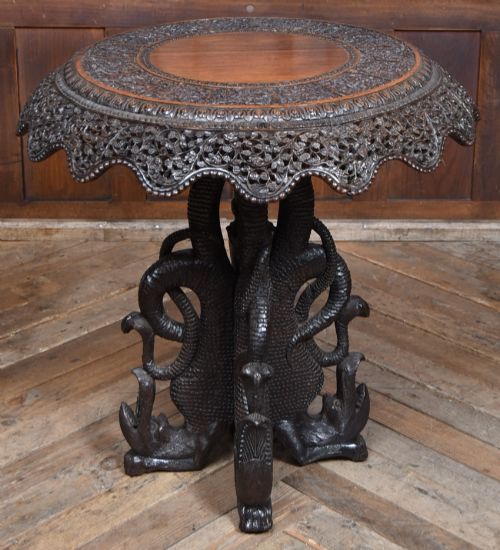
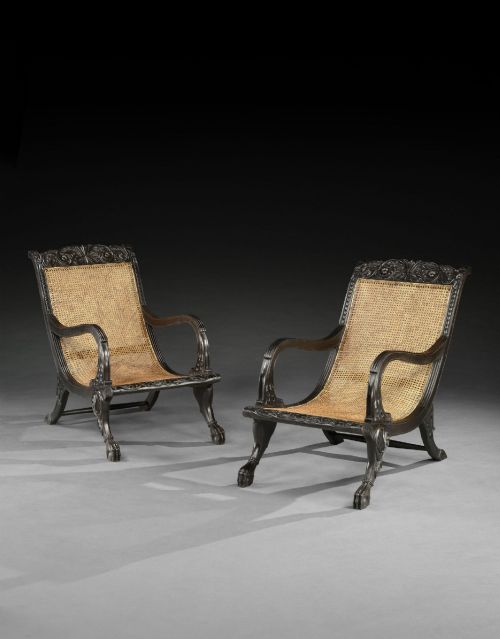
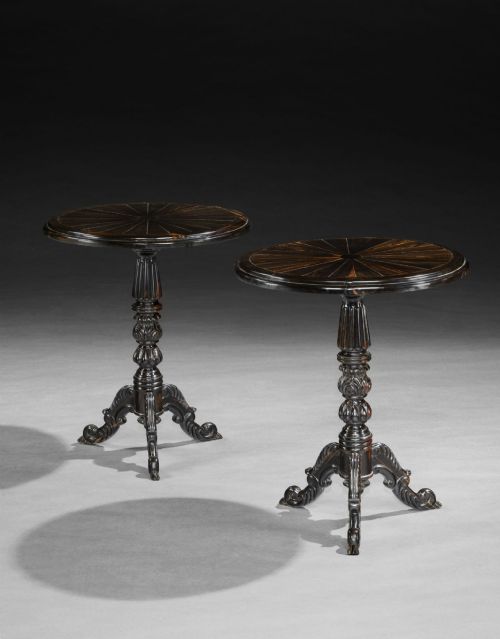
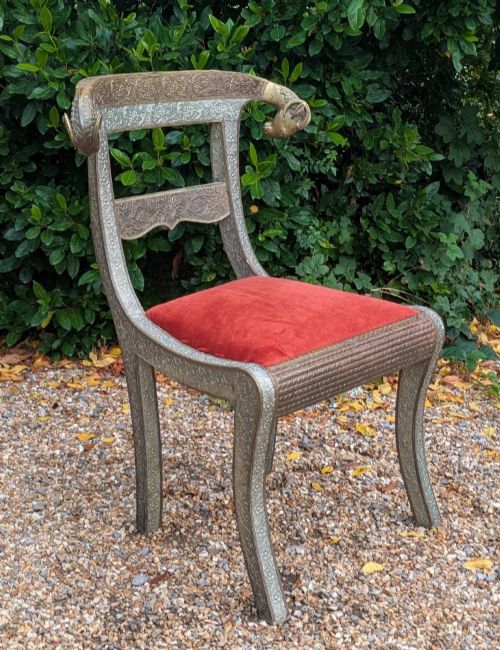
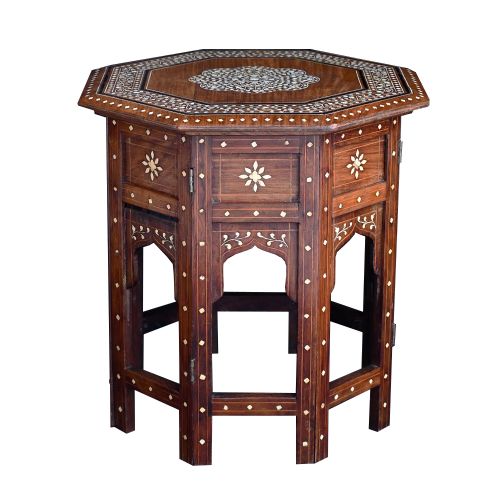
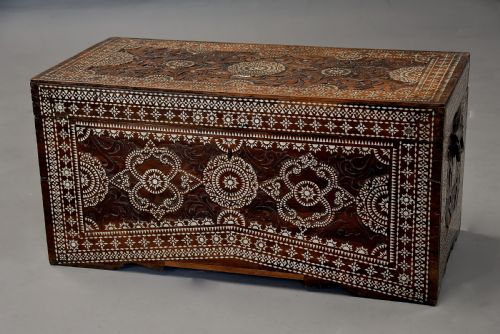
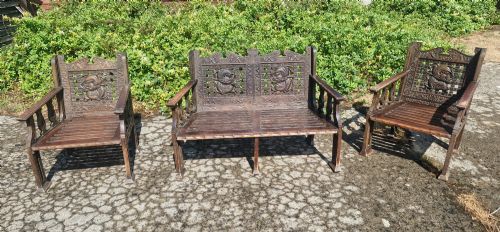
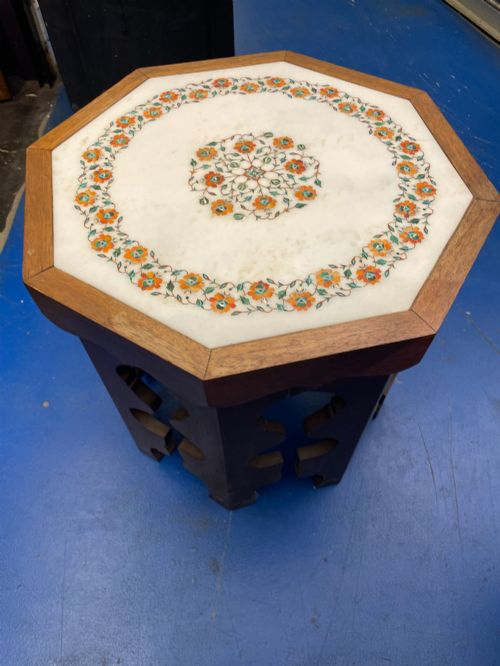
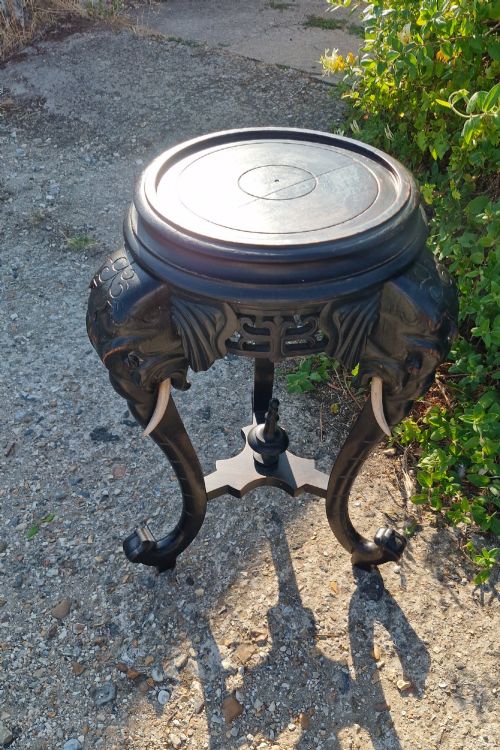
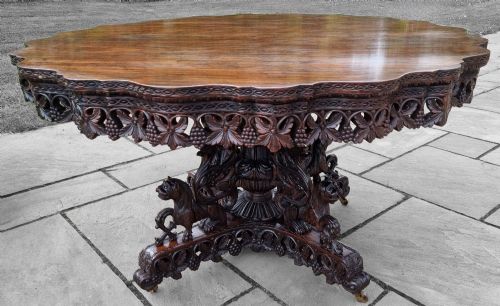
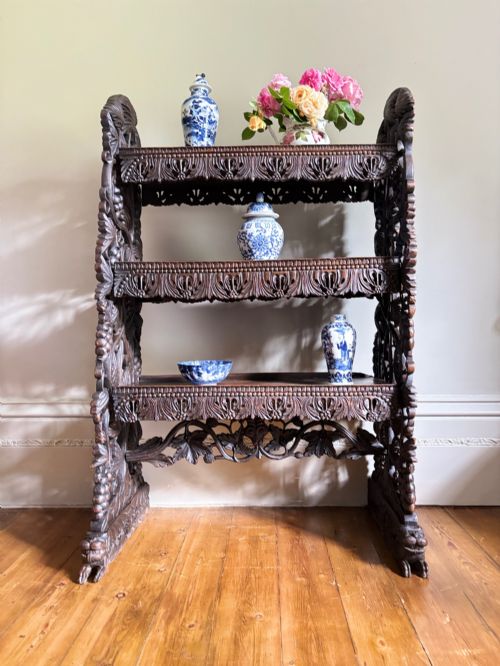
Antique anglo indian furniture comprises pieces made in the Indian subcontinent during the colonial period for both British residents and local elites. These items combine familiar European forms with traditional local craftsmanship and ornament. The selection includes console tables, centre tables, armchairs, footstools, ottomans, and mirrors.
Most examples date from the nineteenth century, including specific items from around eighteen-sixty. Pieces vary from large ceremonial armchairs to wall and overmantle mirrors. The influence of Regency design appears in specific mirror frames alongside heavier carved forms.
How they were made
Cabinetmakers utilised dense timbers native to the region, constructing pieces from solid teak, rosewood, ebony, and calamander. These heavy hardwoods provided a stable base for deep relief carving and structural stability in tropical climates. Workshops often combined multiple dark woods to create contrast within a single item.
Surface decoration frequently incorporated bone inlay alongside carved vegetal and geometric motifs. Certain items also integrated tapestry textiles and glass, particularly within seating upholstery and mirror frames.
Retail Price Guide 2026
Typical UK retail prices for anglo indian furniture, calculated from the Sellingantiques database of over a million retail prices indexed since 2003. This retail price guide relies exclusively on Sellingantiques data; no external sources or auction records are used, so the figures do not describe the wider market.
The listings show nineteenth-century dates exclusively, centred around eighteen-sixty, utilising teak, rosewood, ebony, calamander, and bone.
What varies in quality
Quality depends upon the crispness of the hand carving and the selection of timber. Dense, heavily figured woods like calamander and ebony demand greater skill from the carver than softer or plainer timbers. The depth and precision of the carved motifs distinguish finer workshop production from simpler output.
Construction methods and the integration of decorative elements such as bone inlay also dictate standard. Pieces that maintain structural integrity alongside intricate, undamaged surface detail represent the upper tier of the range.
The Antique Anglo Indian Furniture Glossary
- Calamander
- A heavy, highly figured tropical hardwood with dark brown and light stripes. It was often utilised for high-end nineteenth-century tables.
- Ebony
- A dense black hardwood prized for its smooth finish and weight. Cabinetmakers used it for decorative contrast and solid construction.
- Teak
- A durable, oil-rich hardwood native to South and Southeast Asia. It served as the structural foundation for many colonial pieces.
- Console table
- A table designed to stand against a wall, frequently supported by brackets or legs. Examples from this tradition feature deep relief carving.
- Overmantle mirror
- A large mirror designed to hang directly above a fireplace mantel. Frames in this category display Regency styling executed in regional timbers.
Frequently Asked Questions
What is antique anglo indian furniture?
Antique anglo indian furniture refers to decorative and utilitarian household items produced in India during the British colonial era. These pieces merge British furniture forms with local carving techniques and materials.
Craftsmen utilised native timbers such as teak and rosewood to build console tables, armchairs, and mirrors for colonial homes.
Which woods were used?
Maker workshops relied primarily on dense tropical hardwoods native to the region. Common materials include teak, rosewood, ebony, and calamander.
These heavy woods supported intricate hand carving and resisted the local climate, ensuring longevity for tables and seating.
How do I date these pieces?
Dating relies on stylistic clues and construction methods associated with the nineteenth century. Many surviving items date from around eighteen-sixty or reflect Regency design influences.
Examining the wood type, carving style, and secondary materials like bone inlay helps place an item within the colonial period.
Where were these pieces made?
Items were manufactured in various workshops across the Indian subcontinent, including Ceylon. British commissioners and local elites commissioned them for use in colonial residences.
Production combined European furniture blueprints with the distinct skills of local artisans.