



Venetian Carved Statue
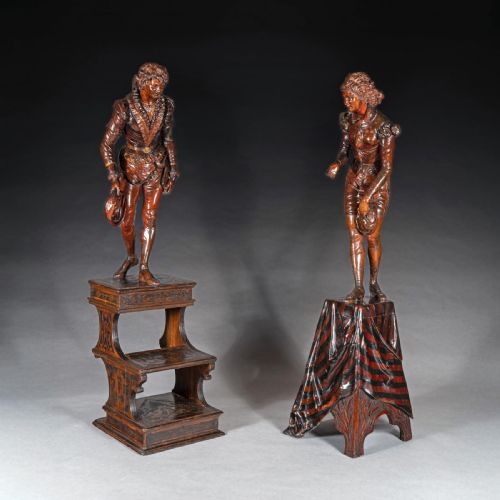
When you want a venetian carved statue, you are looking at dramatic nineteenth-century figures finished in rich polychrome and gold leaf.
Venetian Carved Statue
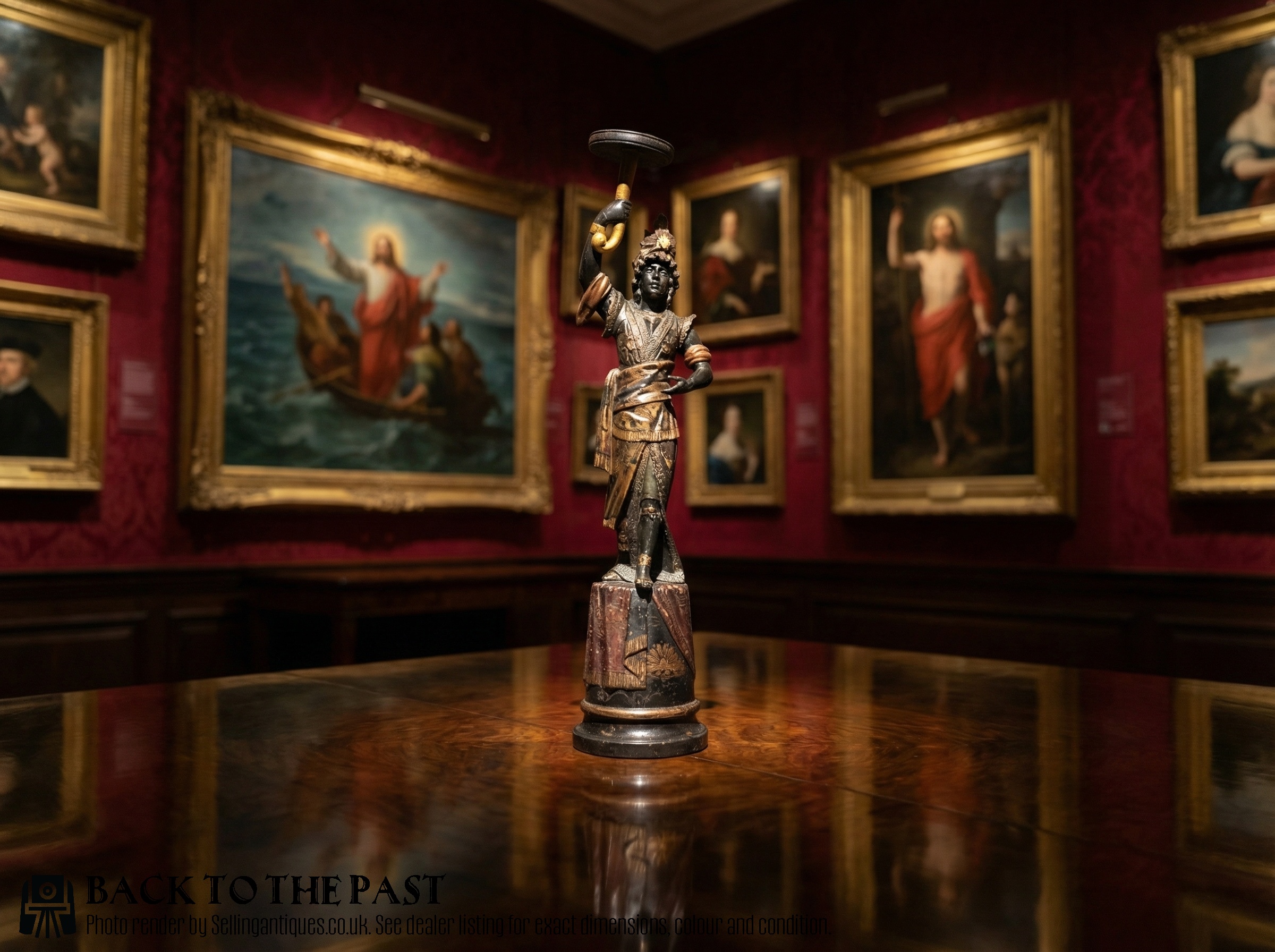
A venetian carved statue captures the ornate sculptural traditions of Italy, appearing most frequently in nineteenth-century forms such as blackamoors, torcheres, and decorative figures on stands. These pieces range from grand floor lamps and waiters to standalone sculptures and pairs of figures.
The objects seen here span several decades from the mid-nineteenth century into the early twentieth century, reflecting styles from Venetian Baroque and Italian Renaissance Revival to Grand Tour pieces. Buyers encounter both single figures and matched pairs, often retaining their original painted and gilded surfaces.
How they were made
Carved wood forms the structural core of these pieces, shaped from timbers such as walnut and ebonised woods to create intricate drapery and expressive human or animal forms. Artisans applied layers of gesso to smooth the wooden surfaces before adding fine details and sculptural depth.
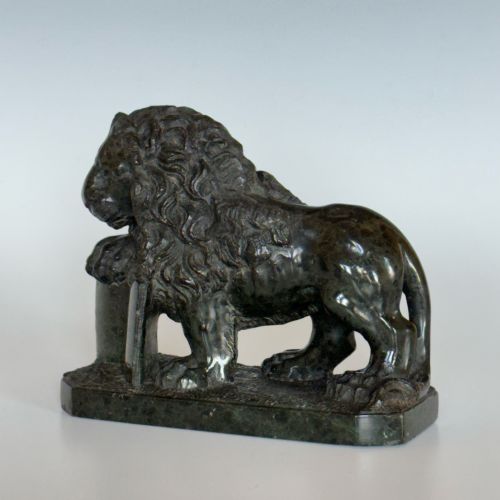
Finishing relied heavily on hand-applied polychrome paint, gold leaf, and parcel-gilt highlights to achieve the vibrant coloration characteristic of Venetian work. Some items also incorporate glass elements or serpentine marble, combining mixed media to enhance the theatrical appearance.
Listings span from eighteen-fifty to nineteen-thirty, with materials ranging from carved wood and gesso to serpentine marble and glass.
What varies in quality
Preservation of the original surface decoration dictates much of the distinction among pieces. Statues retaining their untouched gilt and polychrome layers possess greater visual coherence than those with extensive later repainting or heavy surface losses.
Valentino Besarel
The Venetian Carved Statue Glossary
- Polychrome paint
- Decoration utilising multiple colours applied to the surface of wood or gesso. This finish is central to the visual identity of nineteenth-century Venetian figures.
- Gilt
- A thin layer of gold applied as leaf to wooden surfaces. It highlights specific carved details and garments.
- Torchere
- A tall ornamental stand designed to hold a light source or figure. These are frequently encountered in nineteenth-century Venetian groupings.
- Blackamoor
- A European artistic depiction of figures from North or Sub-Saharan Africa, typically rendered as servants or torchbearers in carved wood and polychrome.
- Grand Tour
- Souvenirs and artworks acquired by travellers touring cultural sites in Italy during the nineteenth century. These objects often reflect classical or regional Italian motifs.
Venetian Carved Statue: Frequently Asked Questions
Where were these statues placed?
These figures were traditionally displayed in grand hallways, reception rooms, and principal chambers of nineteenth-century homes. Their scale and decorative presence made them natural focal points for interior spaces.
Many functioned as torcheres or waiters, holding lights or serving trays for guests. Pairs were frequently positioned symmetrically to frame doorways, mantels, or the entrance to a formal parlour.
How do I care for original polychrome?
Original painted and gilded surfaces require gentle treatment, strictly avoiding modern chemical cleaners or excessive moisture. Dusting should be done lightly with a soft, dry brush.
Keep the pieces away from direct sunlight and strong heat sources to prevent the wood from splitting and the gesso or paint from lifting. Stable indoor humidity helps preserve the fragile layers of gold leaf and pigment.
How do I date a Venetian figure?
Dating relies on examining the timber, the preparation layers beneath the paint, and the stylistic cues of the carving. Most pieces seen here date from the mid-nineteenth century through the early twentieth century.
Comparing the specific shade and wear of the polychrome, the tooling marks on the wood, and the form of the base helps place the statue within periods like the Victorian era or the Venetian Baroque Revival.
What is a Venetian Baroque Revival style?
This style draws inspiration from the theatricality and exuberance of earlier seventeenth-century Venetian art. It reappeared in nineteenth-century decorative objects through dramatic poses and rich surface ornamentation.
Statues in this vein emphasise movement, deep carving folds in drapery, and lavish use of gilt and polychrome paint. The aesthetic suited Victorian interiors that favoured opulent display and historical resonance.