



Italian Torchere Pedestal
An italian torchere pedestal brings dramatic height and sculptural presence to a room, carrying lamps, figures or plants with distinctive regional flair.
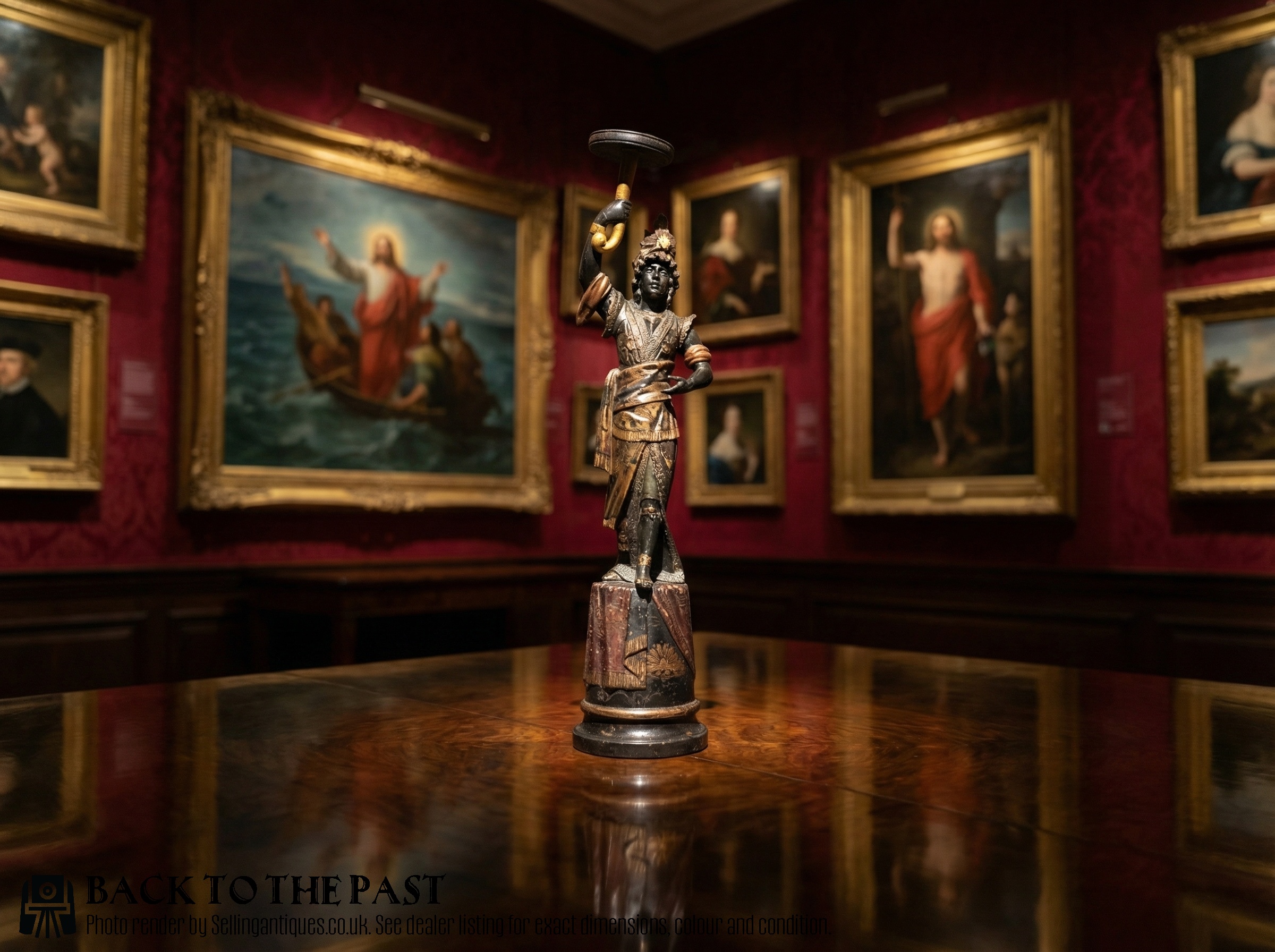
Italian Torchere Pedestal
An italian torchere pedestal serves as a raised support for lighting, plants or decorative objects, utilising slender vertical proportions. These stands often take the form of figural supports, columns or classical revival pillars designed to elevate displays within a grand interior.
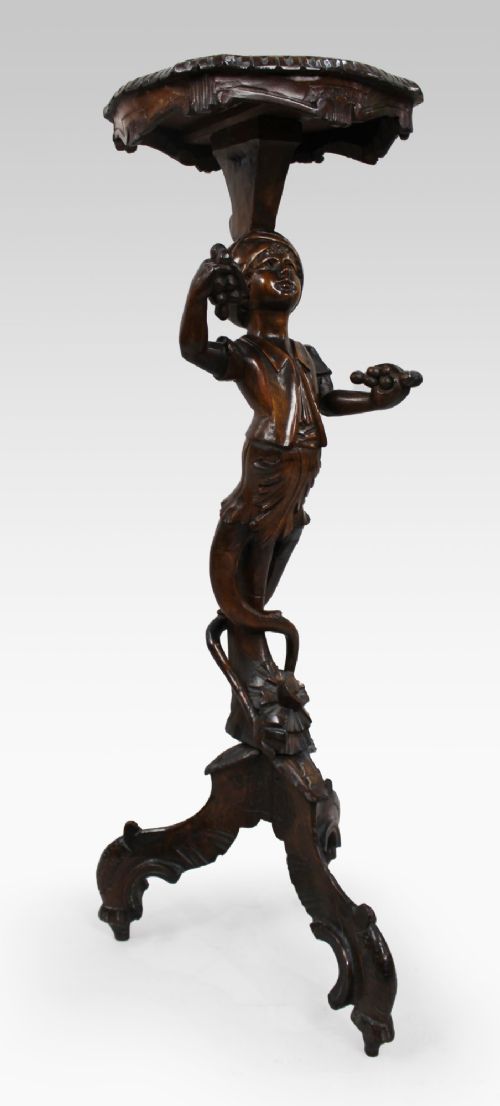
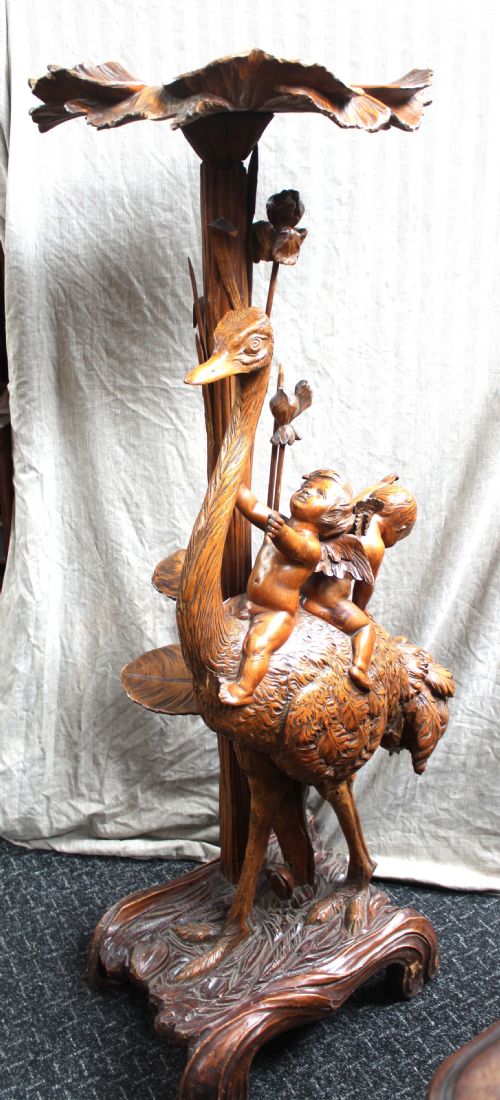
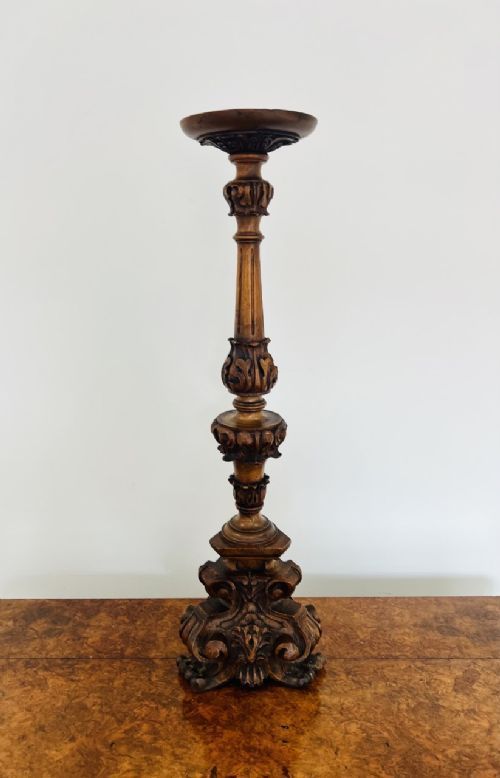
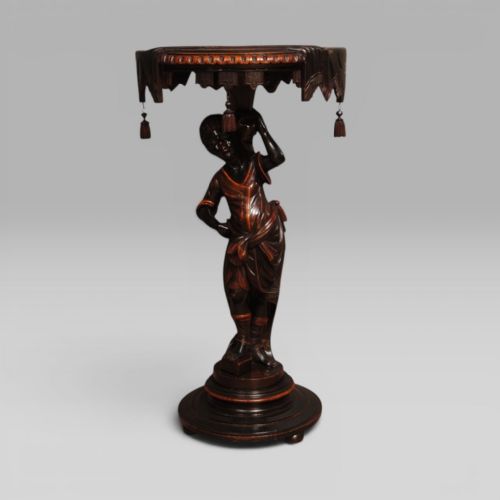
The pieces seen here range from eighteenth-century triform bases to nineteenth-century Venetian creations. Figural blackamoor figures, gondolier carvings and giltwood stands dominate the selection alongside marble lamp columns and simple carved wooden pillars.
How they were made
Alternative examples utilise carved Carrara marble or bronze, reflecting classical revival tastes of the nineteenth century. Glass elements occasionally appear in associated lighting components mounted upon these tall stands.
Gondoliers in striped paintwork stand ready to hold your keys.
What varies in quality
The depth and animation of the carving dictate visual success, distinguishing lifelike figural movement from stiff or rudimentary execution. Master carvers rendered musculature, textiles and facial expressions with anatomical conviction and dynamic posture.
Original surface preservation separates superior survivals from heavily restored examples. Retaining authentic polychrome paint, original gilding and untouched gesso layers maintains the integrity and historical character of the piece.
The Italian Torchere Pedestal Glossary
- Torchere
- A tall ornamental stand originally designed to carry a candle or torch. These freestanding vertical supports now typically display lamps or decorative vessels.
- Giltwood
- Timber treated with a thin layer of gold leaf applied over a prepared gesso ground. This technique creates a brilliant metallic lustre favoured in baroque and revival furniture.
- Polychrome
- Decorated in multiple colours. This paintwork often defines garments, skin tones and ornamental details on figural wooden carvings.
- Triform
- Having a three-sided base or triangular plan. Such pedestal bases provide stable ground support for slender vertical shafts.
- Gesso
- A plaster mixture applied to wood surfaces as a smooth base for gilding and painting. It allows crisp detail work in decorative moulding.
Italian Torchere Pedestal: Frequently Asked Questions
What is an italian torchere pedestal used for?
These tall stands support table lamps, heavy planters or decorative sculptures, raising objects to eye level in a room.
They function as independent decorative statements that introduce height and architectural rhythm to interior corners or hallways.
How do I identify a Venetian blackamoor stand?
Venetian figures typically depict exoticised human forms holding trays, candle holders or stands, often dressed in elaborate polychrome garments with gilded accents.
Such pieces date predominantly from the nineteenth century and reflect historical European tastes for theatrical decorative arts.
Where should I place a torchere in my home?
Place them in empty corners, flanking doorways or beside large pieces of furniture where vertical emphasis is required.
Ensure high-traffic areas leave adequate clearance around the base to protect delicate protruding carvings or gilt surfaces.
Are these pedestals made of solid wood?
Most antique examples utilise carved timber substrates coated in gesso and finished with paint or gold leaf.
Selected items incorporate alternative materials such as Carrara marble or bronze depending on the specific classical revival style.