


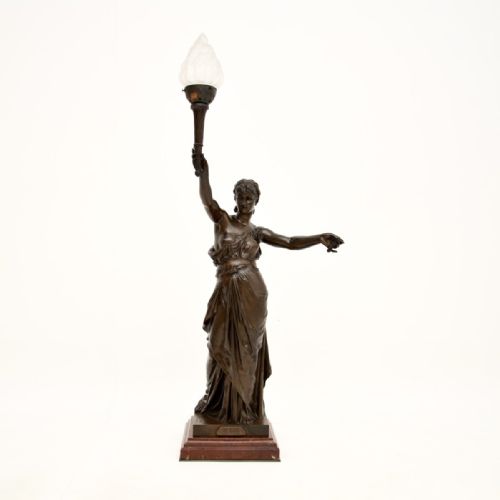


Nineteenth Century Torchere
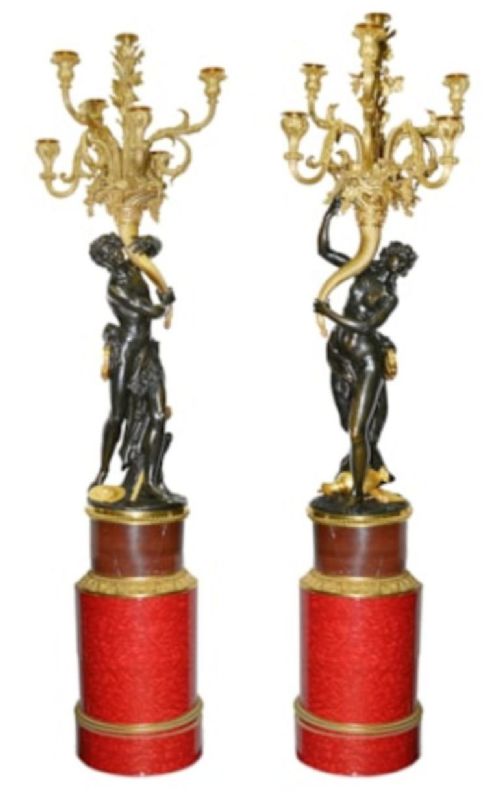
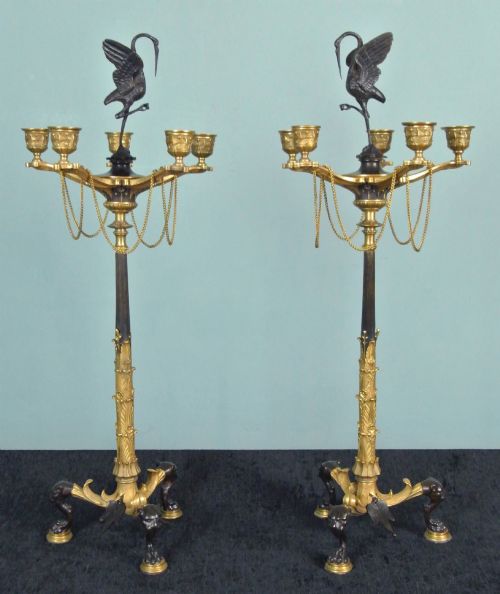
These nineteenth century torchere stands bring sculptural height and classical presence to a room, offering an elevated surface for lamps, urns or plants.
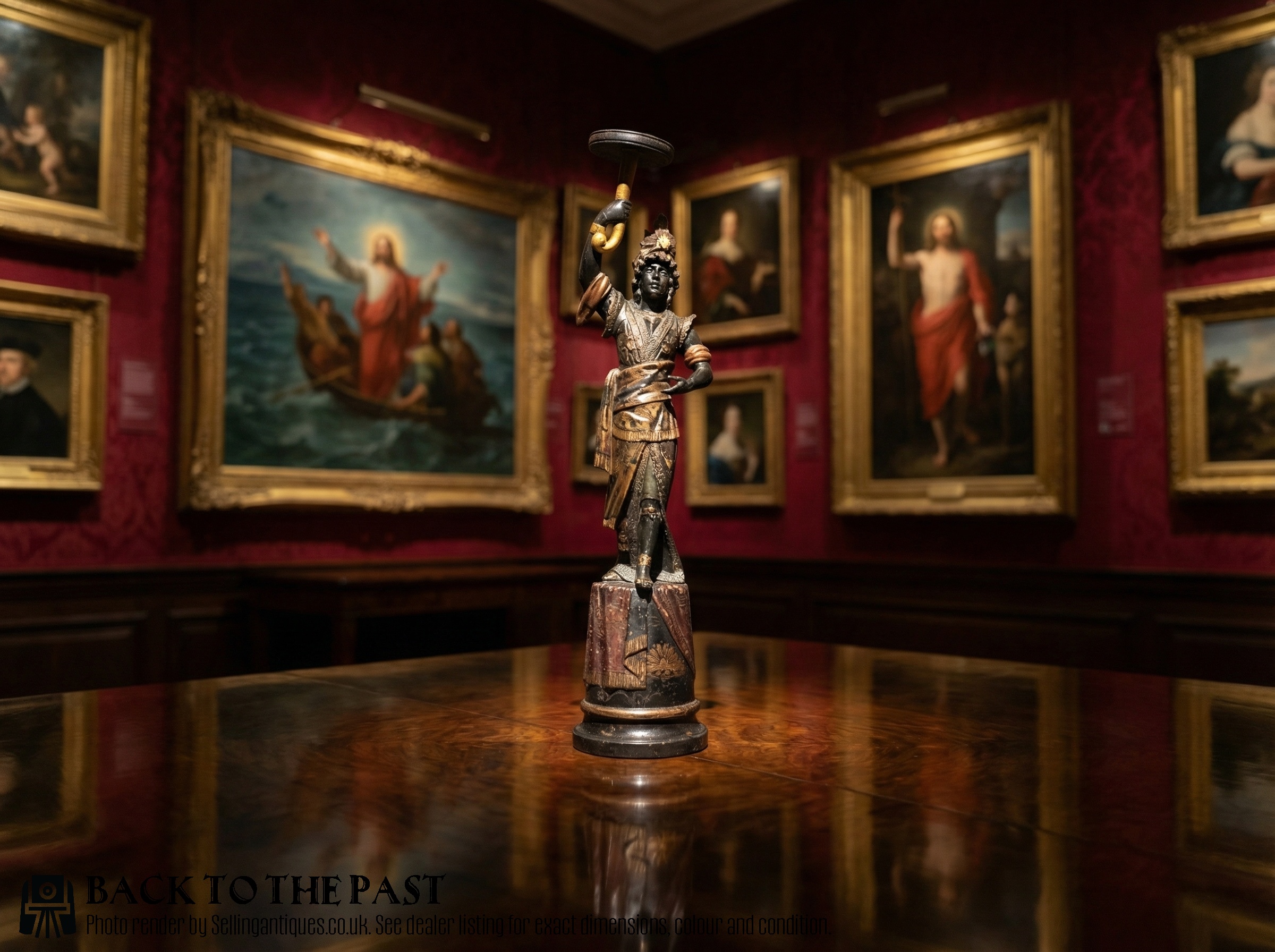
What nineteenth century torchere examples include
A nineteenth century torchere functions as a tall, slender stand designed to hold a light source or decorative object off the floor. The selections span specific periods including Regency alongside revivals and regional interpretations from the 1880s and 1890s.
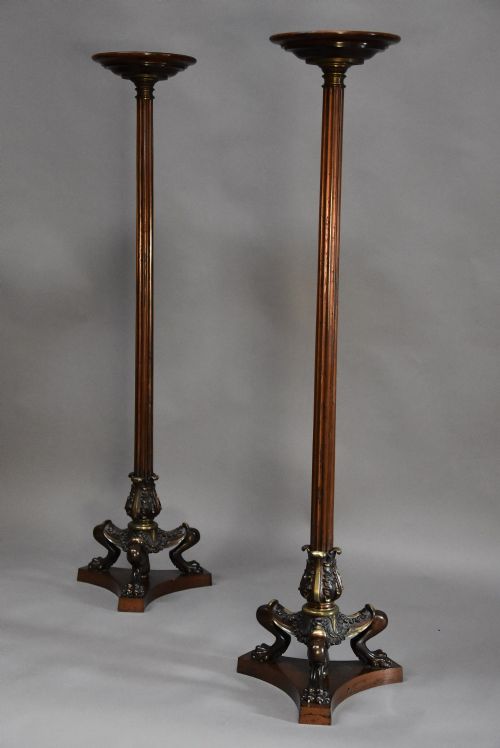
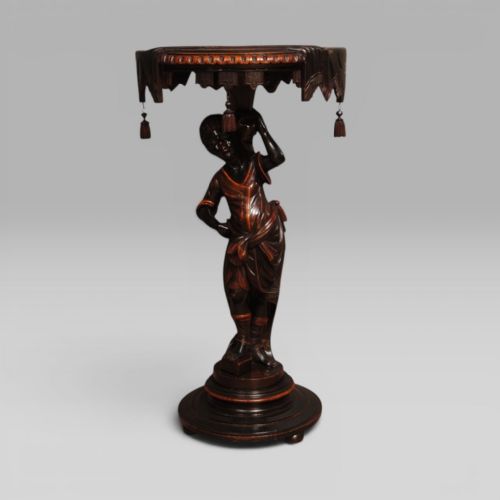
The forms encompass traditional torcheres, pedestals, and blackamoor figures, drawing on Regency Revival, nineteenth century Venetian, and Anglo-Indian design traditions. Mahogany, teak, and carved hardwood provide the structural foundation for these varied decorative objects.
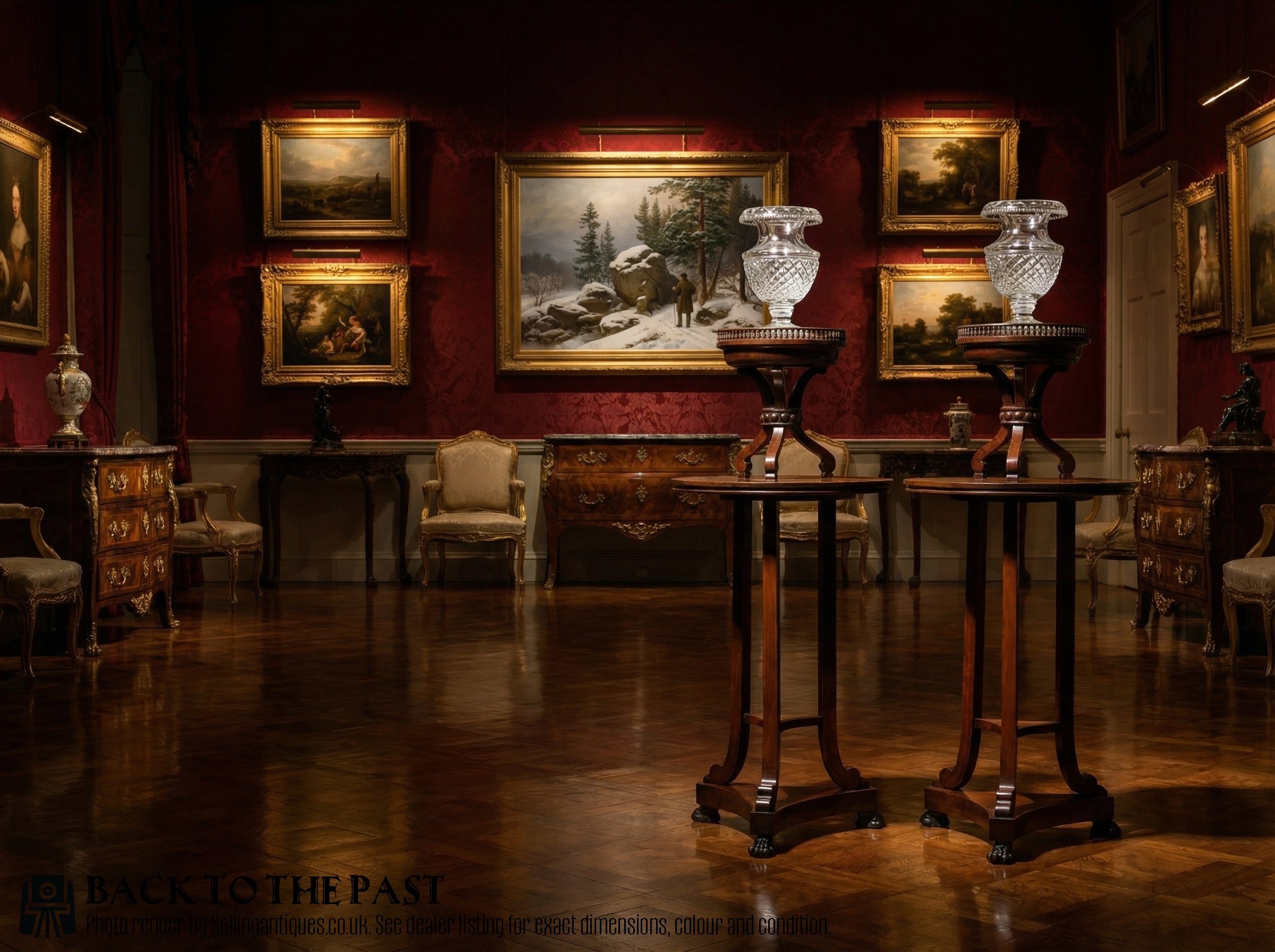
Materials and construction methods
Timbers such as mahogany, teak, and carved hardwood form the primary structure, shaped through traditional joinery and detailed hand carving. Metal elements utilise bronze and brass, sometimes paired directly with timber components.
Surface treatments incorporate gold leaf and polychrome finishes to add colour and highlight the carved detail. These applied finishes work alongside the natural grain of the wood to create visual depth.
Retail Price Guide 2026
Typical UK retail prices for nineteenth century torchere, calculated from the Sellingantiques database of over a million retail prices indexed since 2003. This retail price guide relies exclusively on Sellingantiques data; no external sources or auction records are used, so the figures do not describe the wider market.
Nineteenth century craftsmen occasionally carved wooden figures to hold heavy trays, blending fine cabinetmaking with theatrical sculpture.
Distinctions in quality and execution
Quality separates objects through the crispness and depth of the carved wood details, where confident hand work outclasses softer, mechanical shaping. The integration of materials, such as bronze fittings on mahogany or teak, dictates the visual success of the piece.
The integrity of surface finishes like gold leaf and polychrome decoration defines the upper tier of execution. Original patination on the timber and metal components elevates the character of the stand.
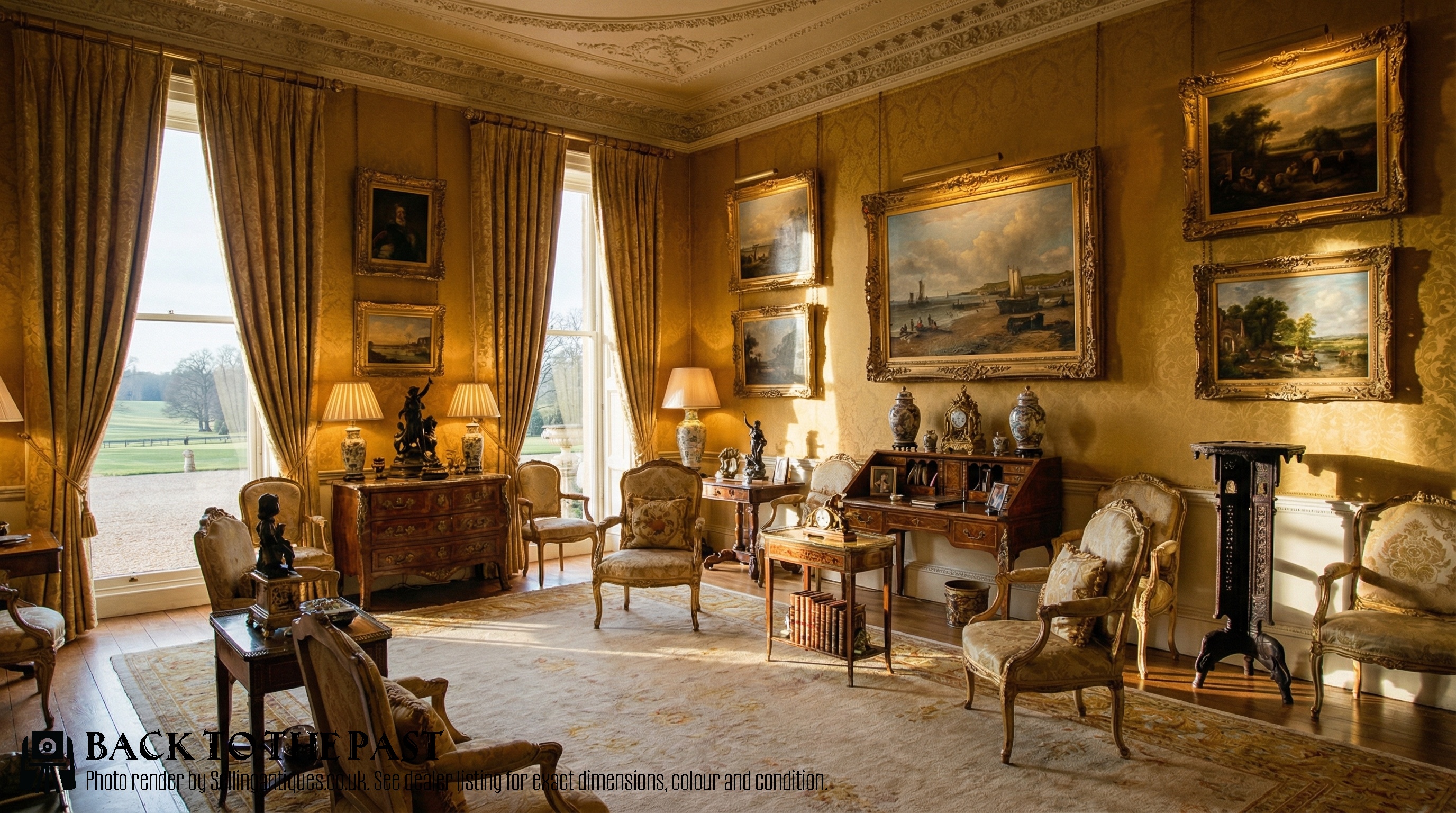
George Smith·Thomas Hope
The Nineteenth Century Torchere Glossary
- Torchere
- A tall stand or pedestal originally intended to hold a torch or candle, later adapted for lamps and decorative urns. These pieces provide vertical accent within a room layout.
- Regency Revival
- A design style from the latter half of the nineteenth century that reinterprets the classical motifs and clean lines of the early nineteenth-century Regency period. It draws heavily on ancient Greek and Roman influences.
- Polychrome
- Decoration executed in multiple colours, often found on carved wood figures and stands to enhance realism or decorative impact. This technique requires skilled brushwork.
- Bronze
- An alloy of copper and tin utilised for decorative mounts, figures, and structural elements on stands. It accepts patination well and offers considerable strength.
Frequently Asked Questions
What is a nineteenth century torchere used for?
These tall stands support table lamps, heavy urns, or decorative objects, raising them to eye level to create vertical focus in a room.
Historically, they held candles or oil lamps to illuminate dark corners, but today they serve primarily as display furniture.
How do I identify a Regency style stand?
Regency style stands typically feature classical architectural motifs, such as reeded columns, paw feet, and dark mahogany timbers.
Later revivals from the nineteenth century often incorporate bronze mounts and precise carving that echo the earlier Regency period.
Where should I place a torchere in my home?
A torchere fits well in corners, empty wall spaces, or flanking a doorway where height is needed to balance low furniture.
Ensure the base sits on a level floor so that heavy items placed on top remain stable.
What materials are common in these stands?
Timbers such as mahogany, teak, and carved hardwood form the structural core of these nineteenth-century pieces.
Many examples incorporate bronze, brass, gold leaf, and polychrome finishes to add decorative contrast and colour.