

Georgian Mahogany Pedestals
Georgian mahogany pedestals encompass grand extending dining tables and supporting occasional pieces built to anchor formal rooms with robust timber.
Georgian Mahogany Pedestals
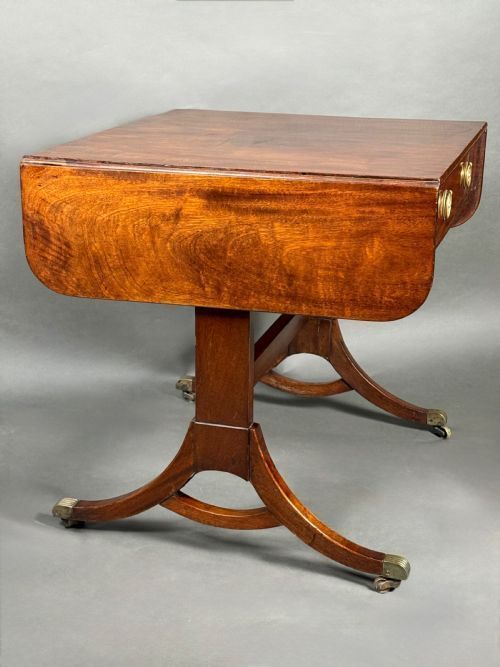
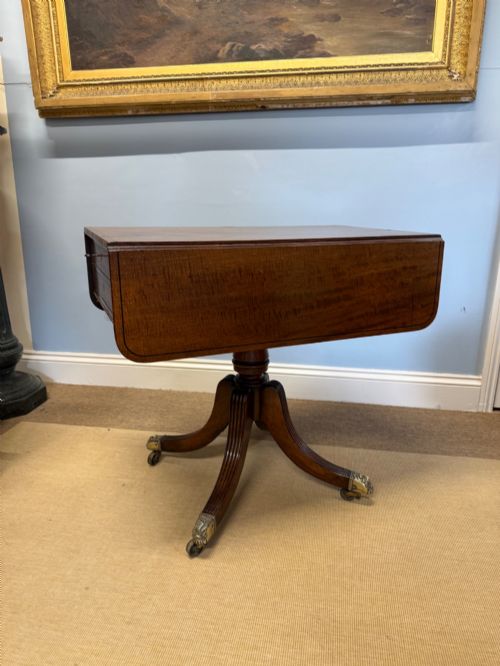
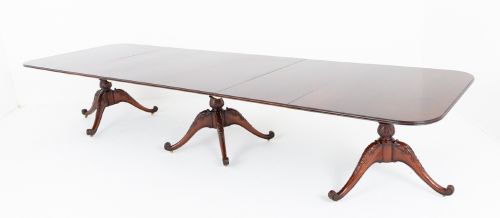
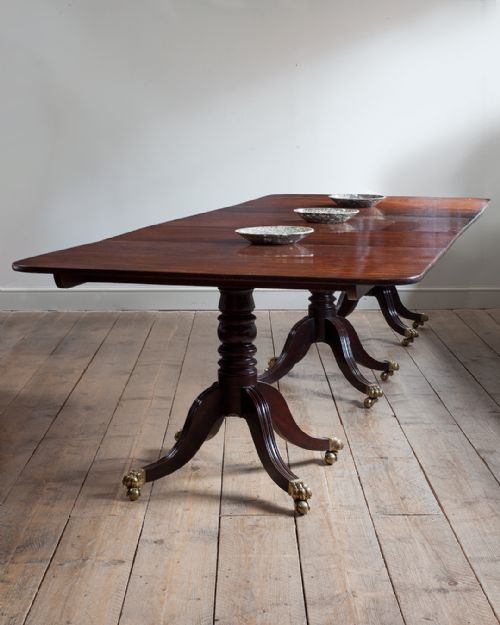
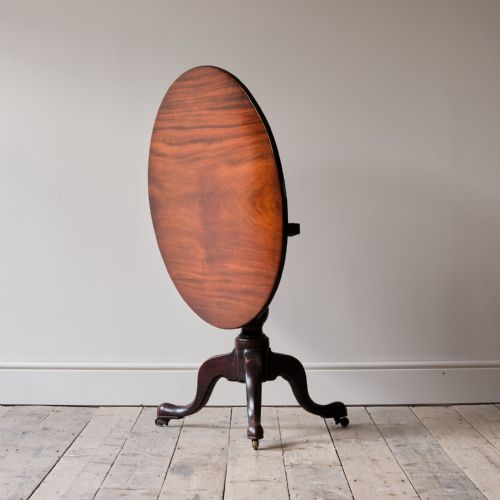
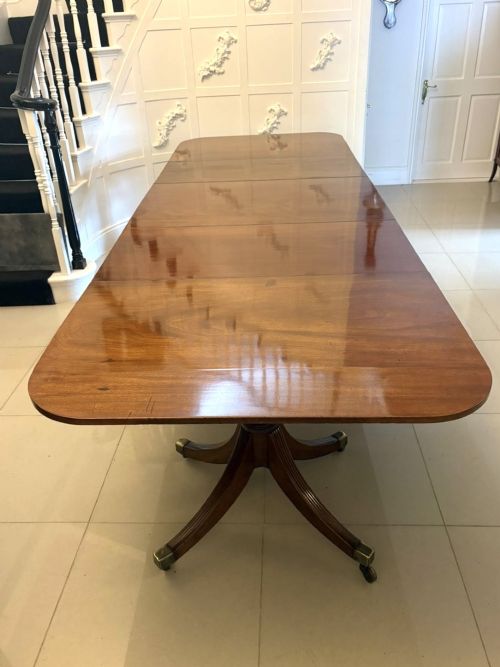
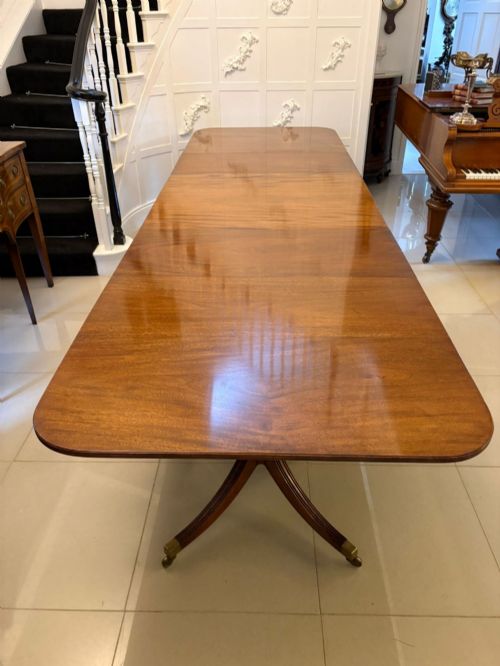
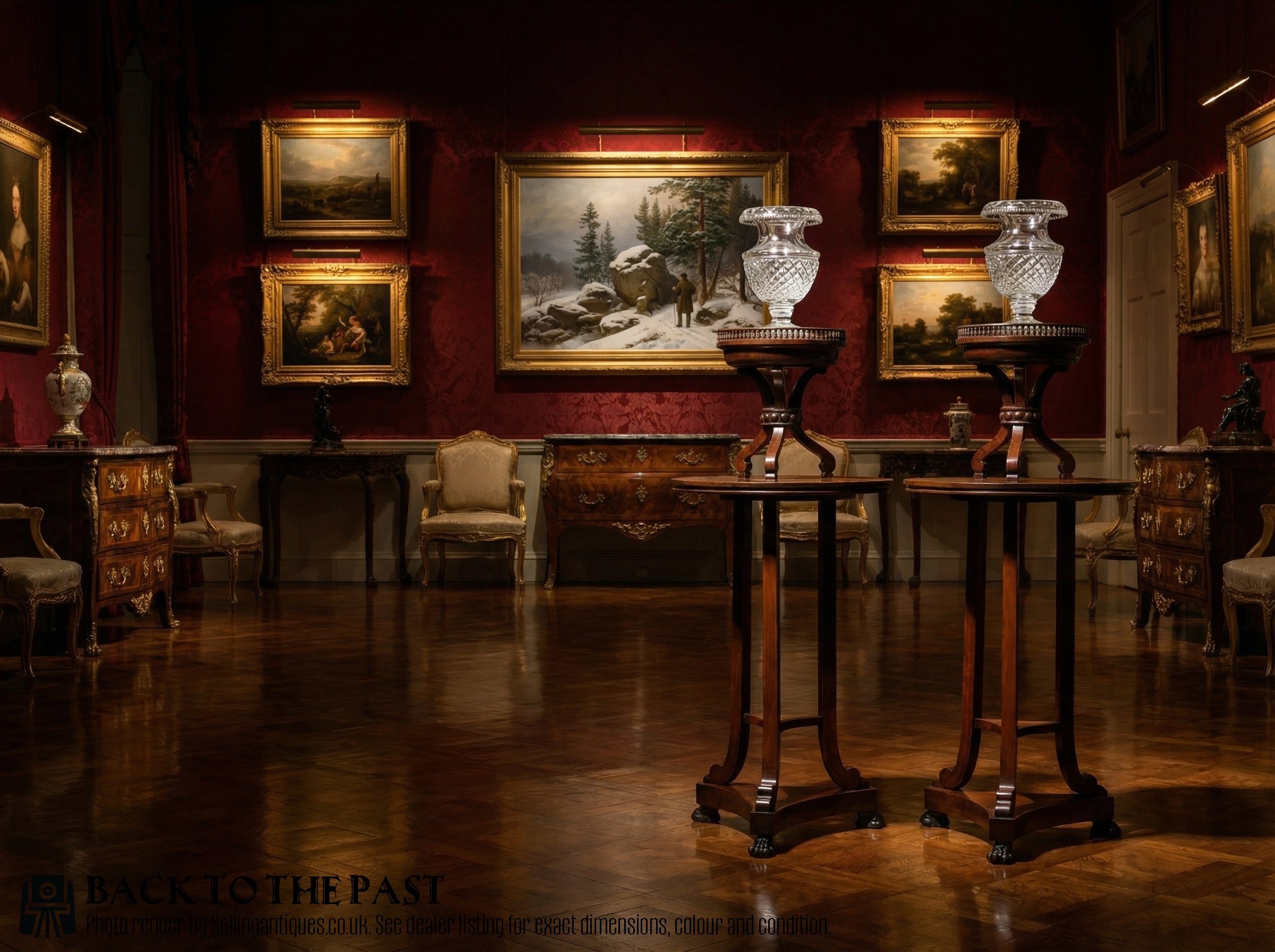
Georgian mahogany pedestals appear primarily as large multi-pillar extending dining tables, alongside smaller wine tables, tilt-top occasional pieces, and bedside cabinets. Buyers searching for this phrase encounter sturdy timber dining structures supported by column pillars, as well as distinct paired cabinets.
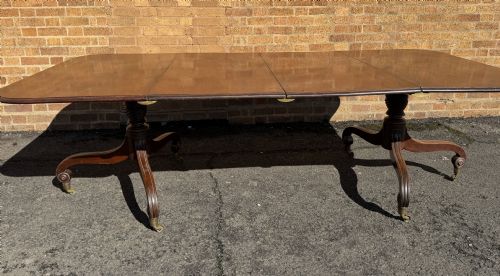
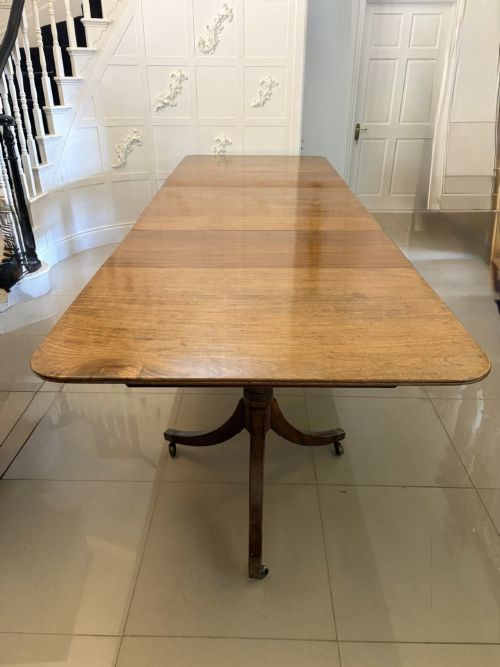
The material forms span multiple periods, with pieces originating from Georgian, Regency, and Victorian eras, as well as later revival dates. Dining formats range from twin-pillar setups to extensive sixteen-seater tables resting upon heavy pillar bases.
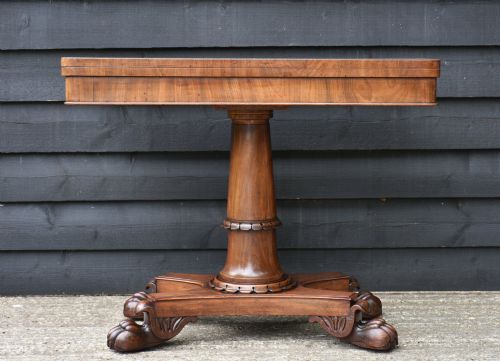
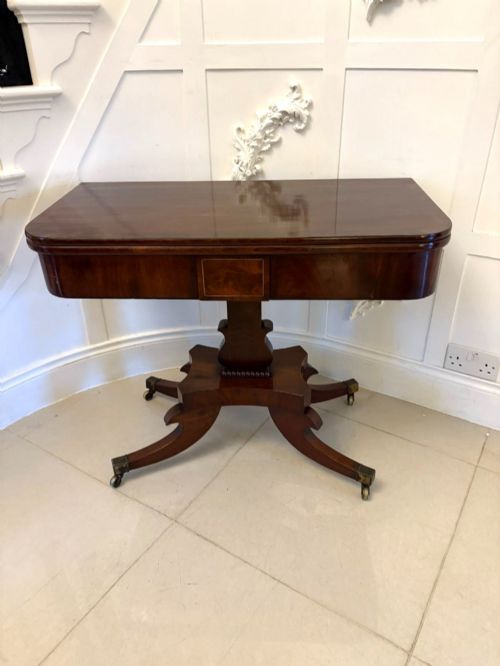
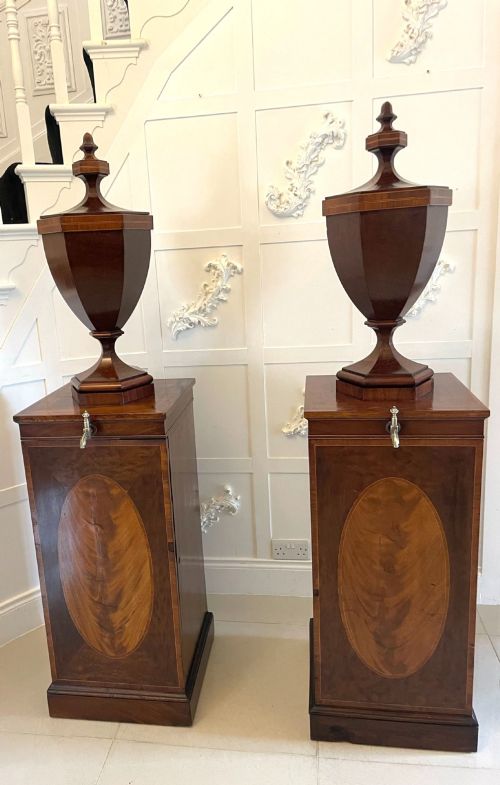
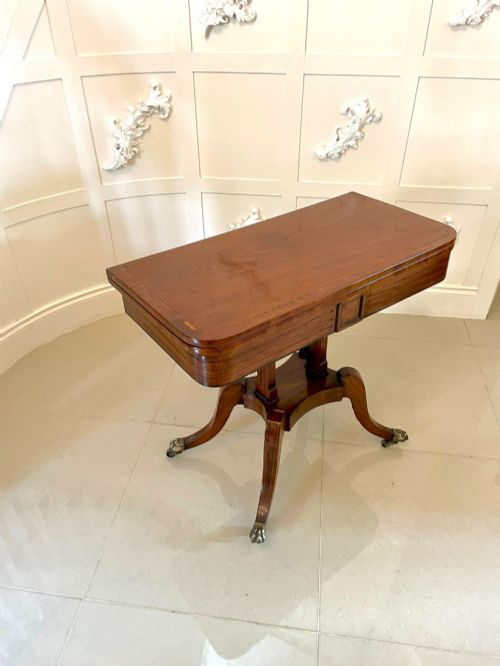
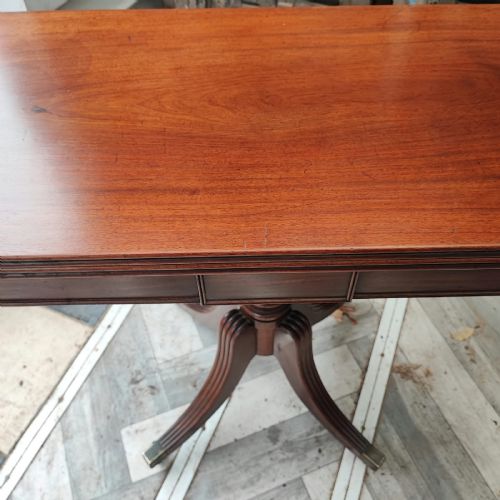
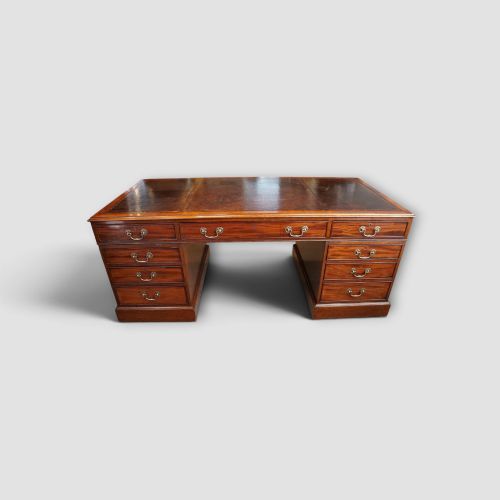
Individual items also include card tables, pedestal desks, and wine urns resting upon original pedestal cupboards. The common thread linking these varied forms is the reliance on mahogany timber and strong pillar or pedestal supports.
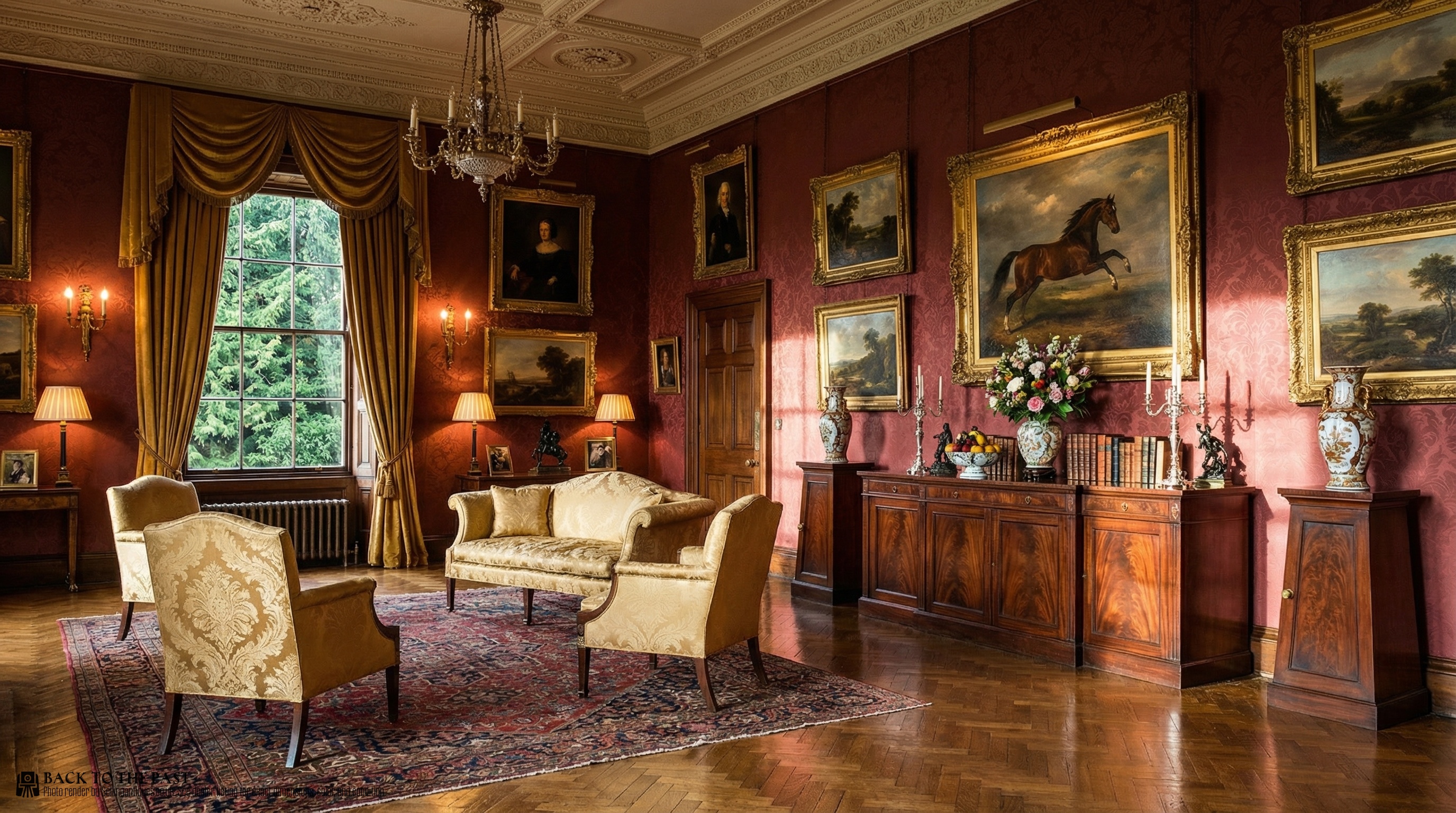
How they were made
Cabinet makers utilised solid mahogany and flame mahogany veneer over dense timber carcases, often selecting figured boards to create striking grain patterns on table tops and cabinet doors. Brass mounts, boxwood inlay, and leather inserts appear as secondary materials to accent the primary timber surfaces.
Construction techniques combined stable joinery with heavy pillar supports, tripod bases, and multi-pedestal arrangements designed to bear the weight of large extending dining boards. Turning, veneering, and edge inlay defined the workshop methods used across the Georgian and Regency periods.
Listings feature mahogany, rosewood, cherry wood, and boxwood inlay across 18th Century, Regency, and Victorian periods.
What varies in quality
The standard of timber selection largely dictates quality, separating striking flame mahogany surfaces and finely figured tops from plain, unfigured boards. The crispness of carved tripod legs, brass inlay work, and boxwood details also separates standard workshop output from exceptional cabinet making.
Structural integrity across extending dining mechanisms and the balance of pillar bases differentiate the best examples. Pieces that retain their original proportions and matching pillar assemblies hold greater coherence than modified formats.
Thomas Butler of London·Gillow
The Georgian Mahogany Pedestals Glossary
- Flame mahogany
- A veneer cut from the fork of the mahogany tree to create a distinctive flickering flame pattern. This decorative grain was favoured for prominent table tops and cabinet fronts.
- Tilt-top table
- A small occasional or wine table featuring a mechanism that allows the top to pivot vertically when not in use. This design saved space in period rooms.
- Pedestal
- A structural support column or pillar holding up a table top, desk, or cabinet structure. Multiple pedestals allowed long dining tables to extend securely.
- Boxwood inlay
- Contrasting pale wood set flush into darker mahogany surfaces to form geometric borders and lines. This decorative technique adds linear definition to table edges.
- Tripod base
- A three-legged support structure commonly found beneath wine tables and occasional stands. The splayed legs provide stability for a central pillar.
Georgian Mahogany Pedestals: Frequently Asked Questions
How do I seat guests around a multi-pillar table?
Multi-pillar extending tables utilise separate pedestal bases connected by removable leaves to adjust the overall length. This modular construction allows hosts to add or remove sections depending on the required seating capacity.
The pillar arrangement underneath also helps distribute weight evenly while providing adequate legroom for diners seated along the sides of the extended board.
Where were tilt-top tables placed in a room?
Tilt-top tables functioned as versatile occasional pieces that could be moved easily against a wall when the top was tilted vertically. They served tea, held candles, or supported books in sitting rooms.
When needed for use, the top locked back into a horizontal position on its central pillar and tripod base.
What is the difference between twin and triple pillar tables?
Twin-pillar tables rely on two central pedestals to support the top, typically suiting moderate dining lengths. Triple-pillar tables add a third central support to accommodate much longer boards.
This extra pillar prevents sagging along extended dining surfaces and provides support for large family gatherings.
How should I care for mahogany surfaces?
Mahogany furniture benefits from regular dusting with a soft, dry cloth to protect the polished finish. Avoid placing timber pieces in direct sunlight or near heat sources to prevent the wood from drying out.
Applying a traditional wax polish periodically helps maintain the natural lustre of the grain without building up heavy residue.