
Regency Pedestals
Regency pedestals unite formal dining and architectural display, bringing balanced proportion and rich timber grain to domestic interiors.
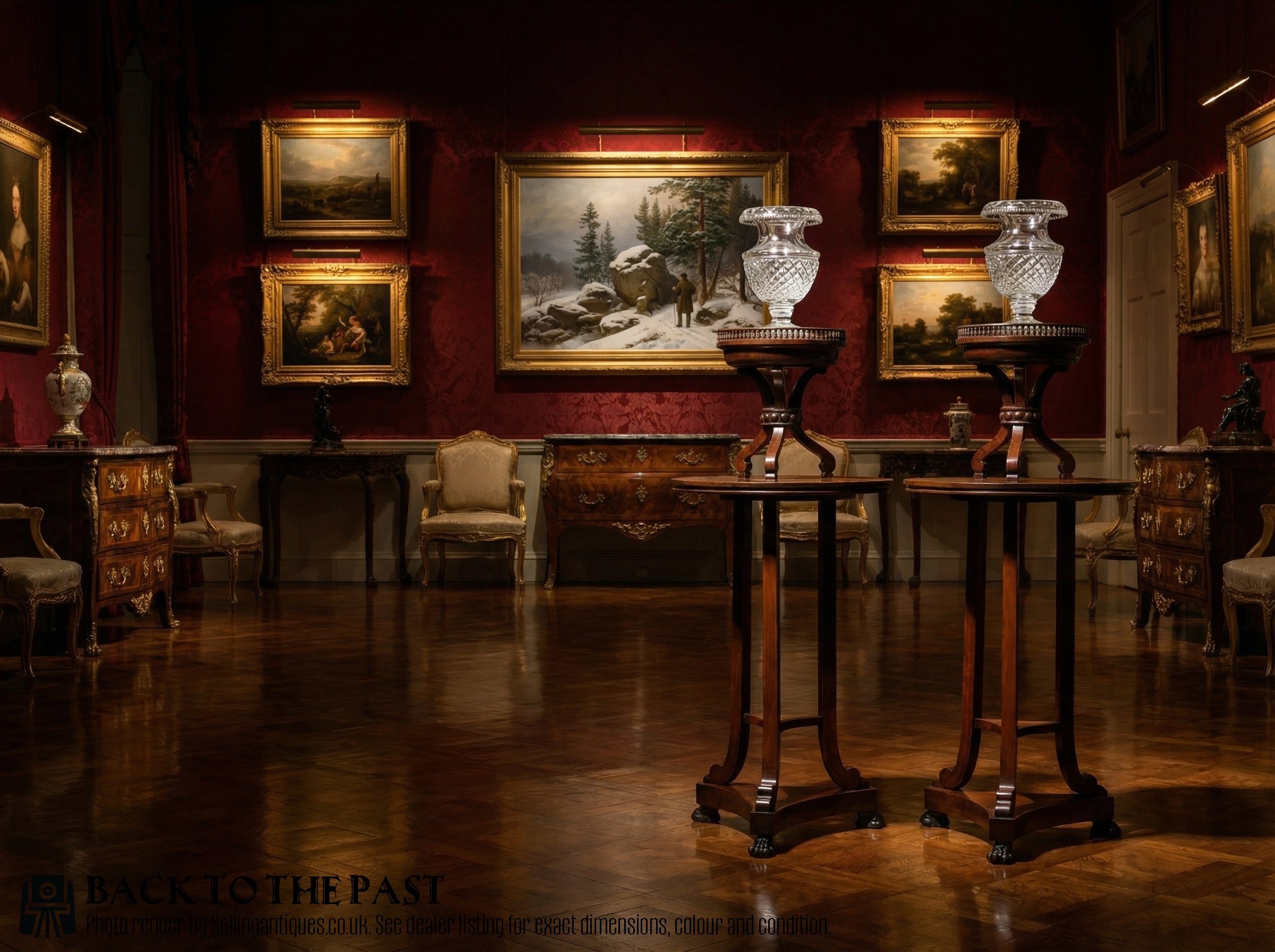
Regency Pedestals
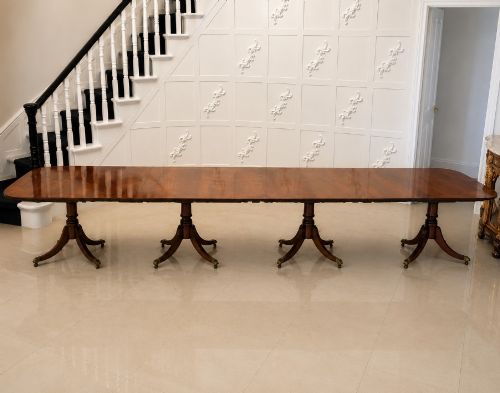
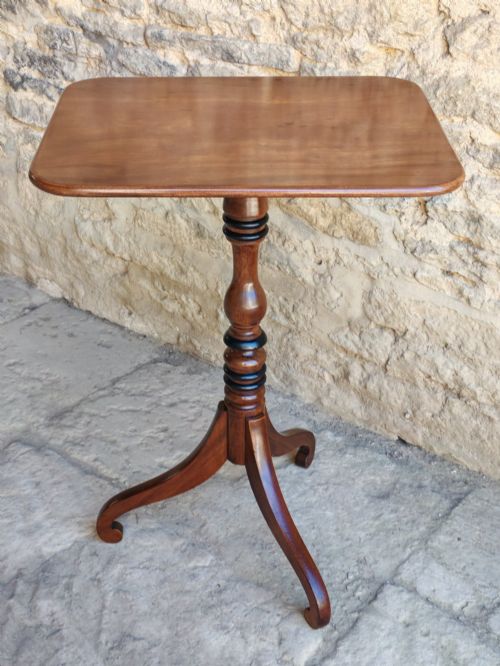
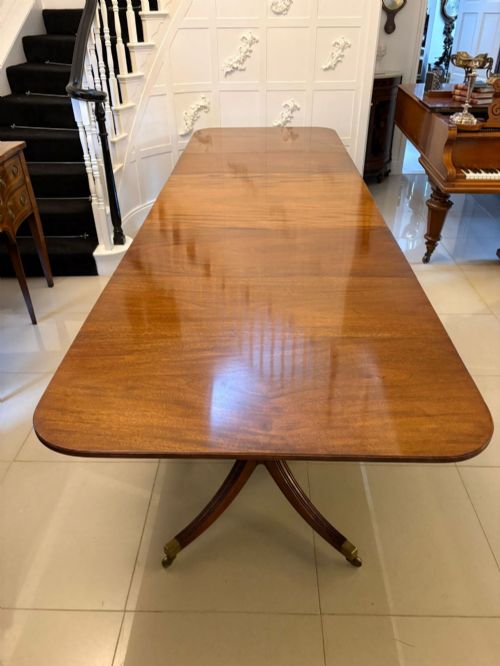
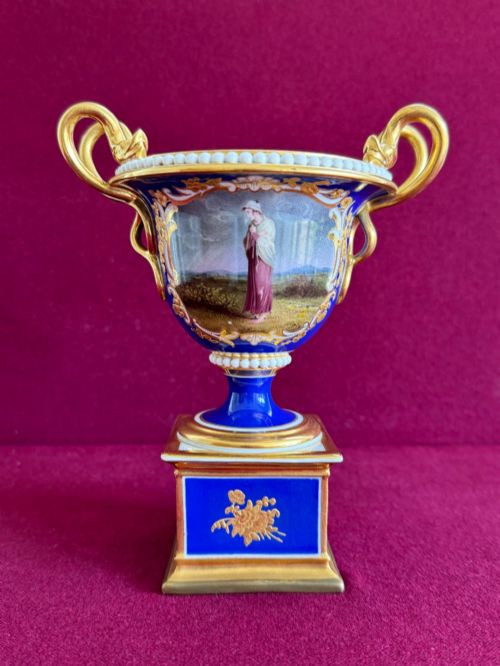
Regency pedestals represent a specialised form of furniture designed to support architectural urns or expand large dining surfaces through multi-pillar configurations. The evidence demonstrates that these pieces emerge principally in the nineteenth century, spanning the Regency period itself alongside later revivals from the Edwardian era and the nineteen-twenties.
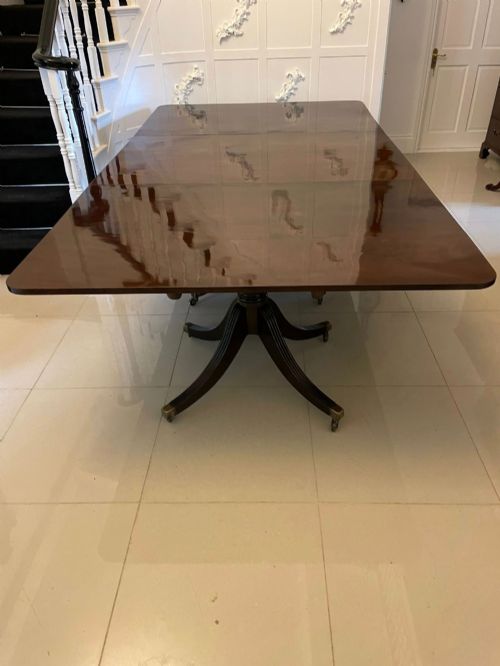
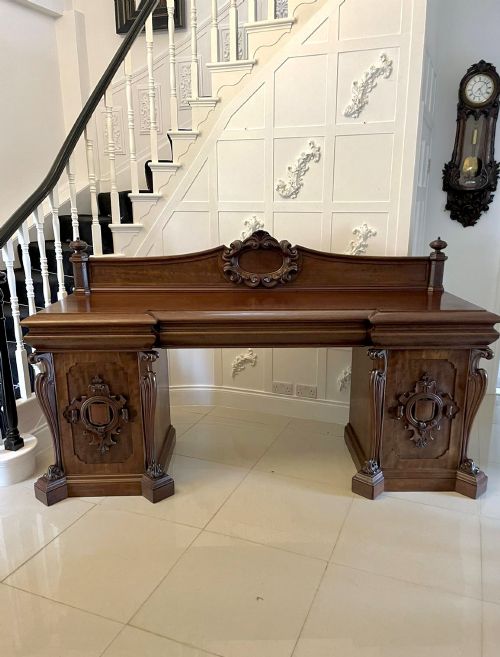
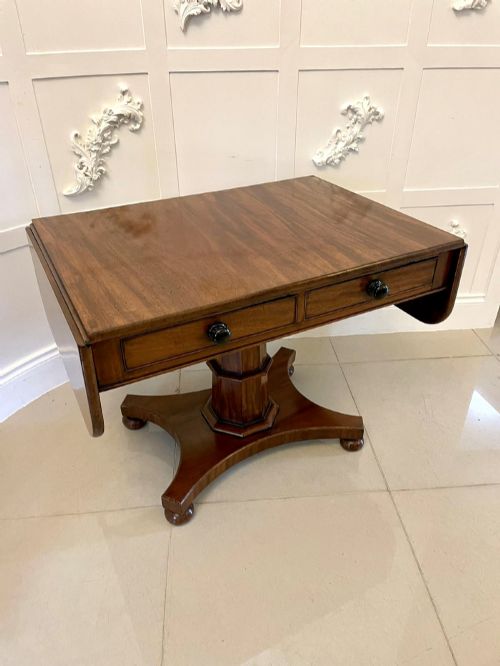
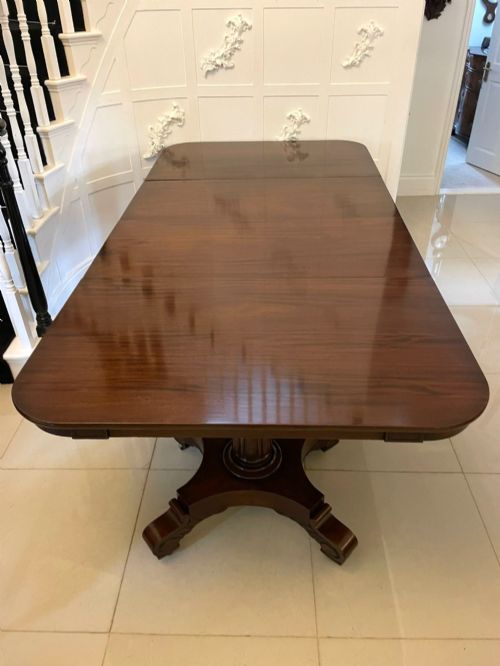
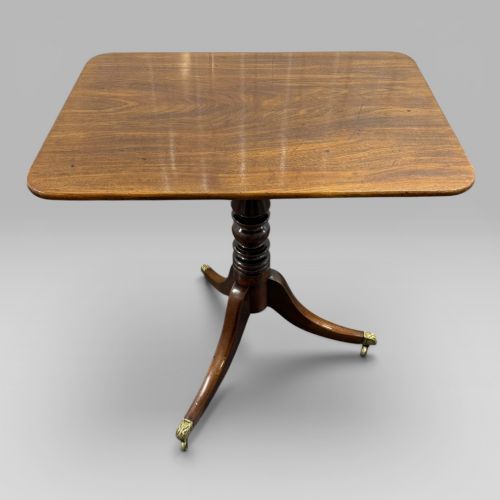
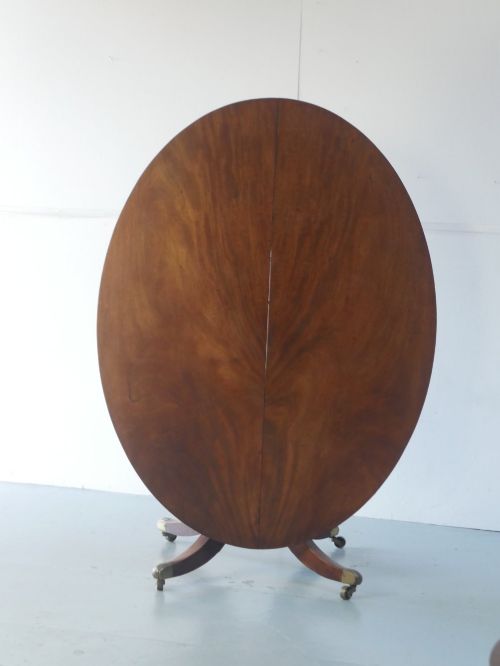
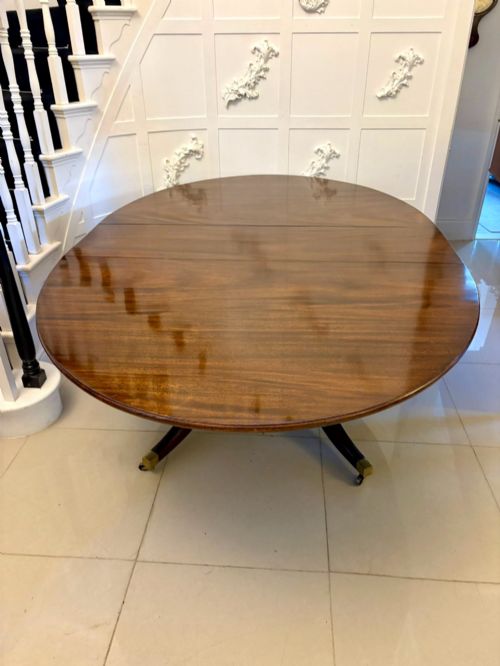
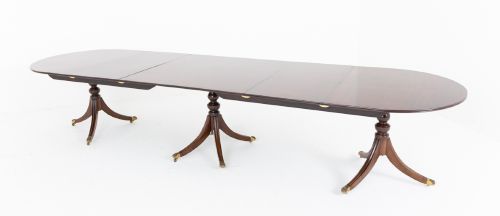
Buyers seeking this phrase encounter both standalone pedestal columns in flame mahogany, burr elm or cast iron, and expansive multiple-pillar dining tables that utilise pedestal supports. The forms range from pairs of classical column pedestals to substantial three and four pillar dining variants accompanied by related card, sofa and console tables.
Materials and Construction
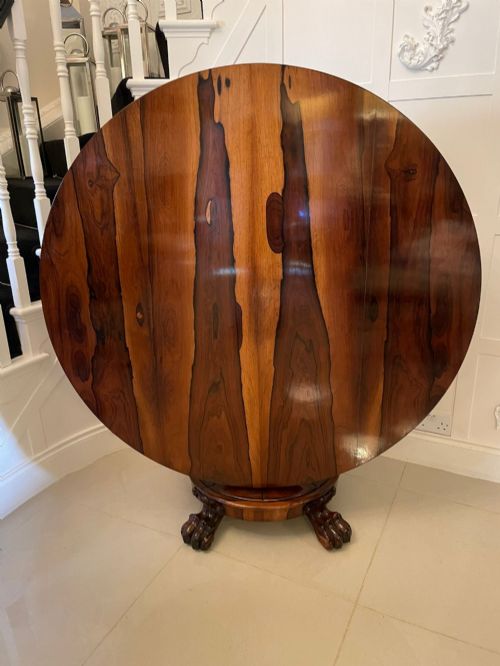
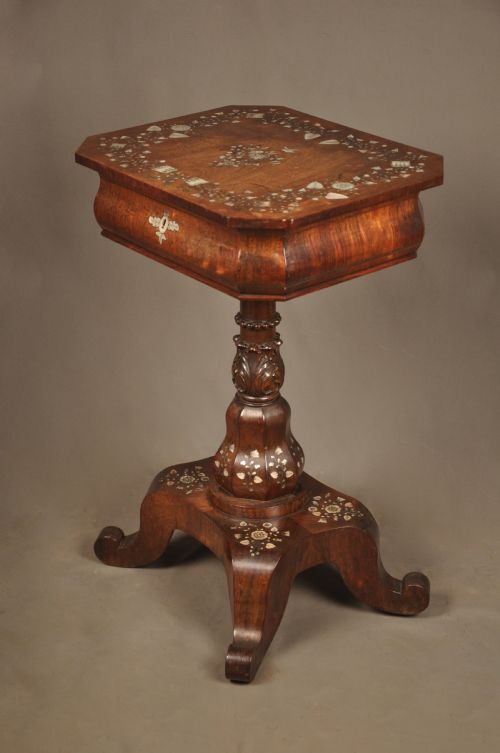
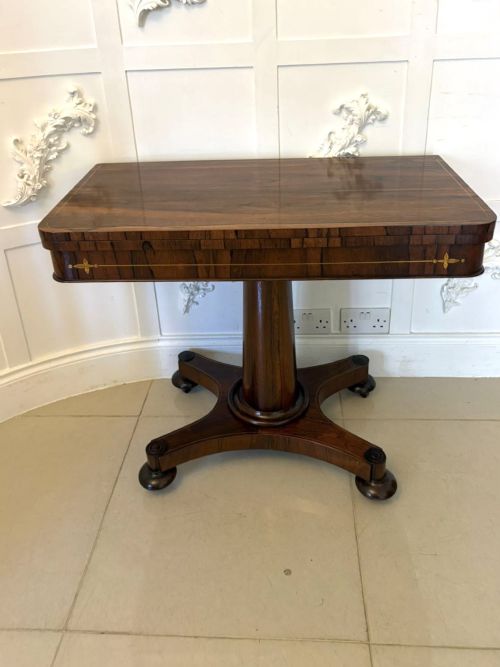
Cabinetmakers constructed these pieces primarily from figured mahogany, flame mahogany veneer and dense rosewood, often applying brass inlay to accentuate the geometric lines. Structural elements occasionally incorporate cast iron, as seen in foundry-marked examples, while writing and game surfaces frequently integrate leather inserts.
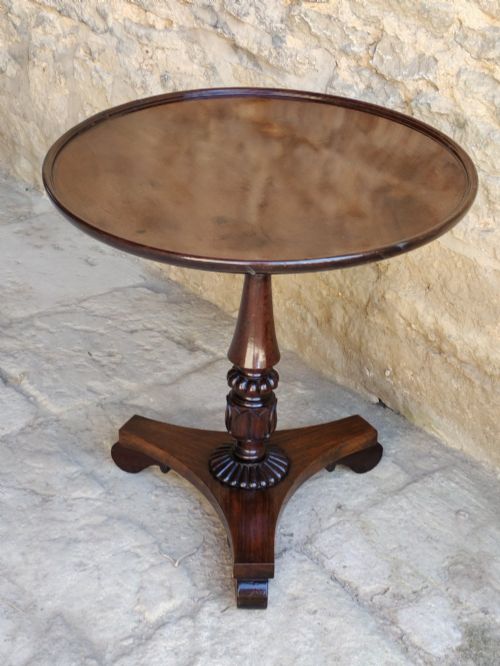
Joinery methods relied on solid timber framing paired with applied veneers to display dramatic wood grain figures across tops and plinths. Pedestal bases typically anchor onto triform or platform supports that distribute weight for large extending dining boards or heavy decorative urns.
Iron foundry urns rest on original plinths, proving that heavy industrial metal once dressed the same rooms as delicate rosewood card tables.
Judging Quality
Quality rests upon the selection and matching of timber veneers, where superior pieces exhibit symmetrical flame mahogany or figured rosewood across wide surfaces. Precision in brass inlay work and the crispness of carved wooden details distinguish workshop production from later revival interpretations.
Proportion and stability define the upper tier of these pieces, particularly in extending dining tables that require seamless pillar alignment. Original plinths and matching timber patination across multiple pedestals or table sections indicate superior preservation.
Gillows of Lancaster·George Bullock·Falkirk Carron foundry
The Regency Pedestals Glossary
- Flame mahogany
- Timber veneer cut to reveal a flamed, fiery grain pattern. This decorative surface appears frequently on high-status Regency furniture.
- Pedestal
- A structural column or support base. These elements carry urns or hold up extending dining table sections.
- Triform base
- A three-sided foot support system. This configuration provides stability for circular breakfast and centre tables.
- Console table
- A wall-mounted or freestanding side table. Many examples feature fold-over tops and elaborate brass inlay.
- Pembroke table
- A small drop-leaf table with hinged flaps on two opposite sides. It serves versatile functions as a side or occasional piece.
Regency Pedestals: Frequently Asked Questions
How do I style a pair of pedestals?
Place matching pedestals in entrance halls or reception rooms to display classical urns, bronze figures or ceramic vessels. Their architectural silhouette provides height and structure to empty corners.
Ensure the surrounding furniture aligns with nineteenth-century proportions so the pedestals command appropriate visual space without crowding the room.
Are multi-pillar tables practical for daily dining?
Multi-pillar dining tables accommodate variable seating capacities through removable leaves and stable pedestal columns. They adapt easily from intimate meals to large gatherings.
Care for the polished timber surface by using protective mats and maintaining stable room humidity to preserve the underlying mahogany veneer.
What distinguishes Regency from William IV furniture?
Regency pieces typically display lighter proportions, refined brass inlay and classical restraint inspired by Greek and Roman archaeology. They favour slender lines and delicate column supports.
William IV furniture, emerging slightly later, tends toward heavier construction, bolder rosewood grains and more robust architectural forms with substantial circular bases.
How do I identify a revival piece?
Revival pieces from the Edwardian period or the nineteen-twenties often utilise standardised machine-sawn timbers and exhibit uniform factory patination. Examining the interior secondary woods provides clues regarding age.
Original nineteenth-century examples display hand-cut joinery marks, iron fixings appropriate to the period, and natural surface wear accumulated over generations.