
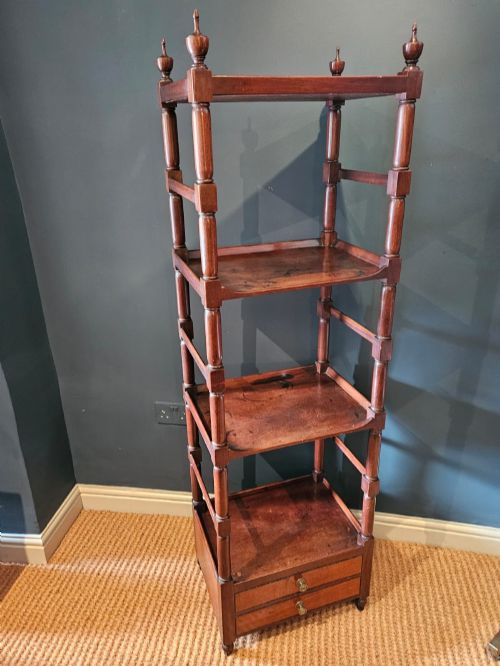
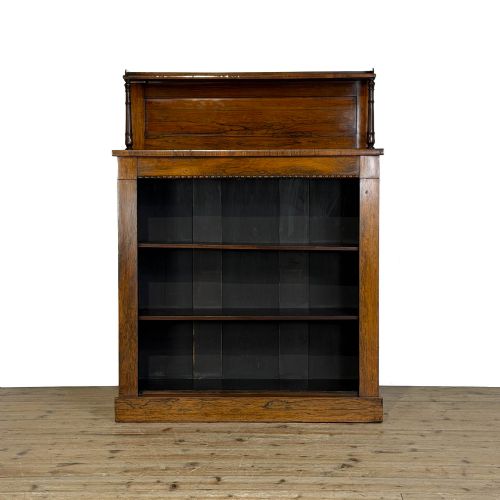
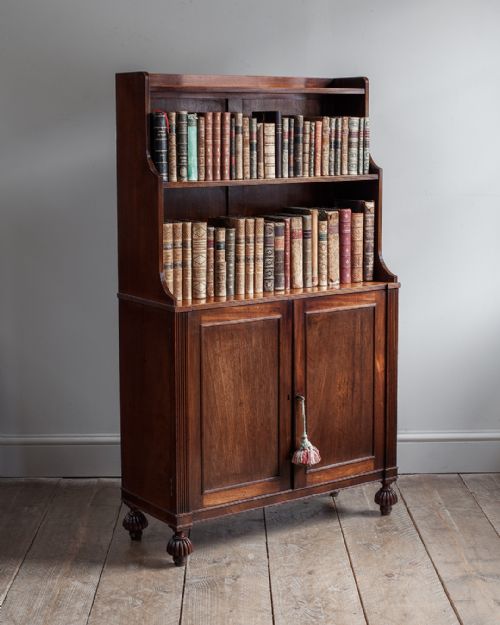
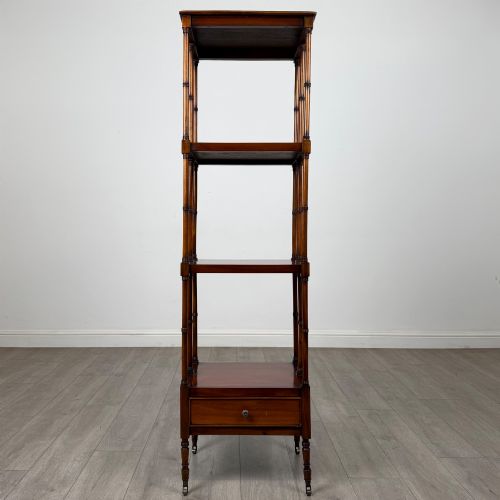
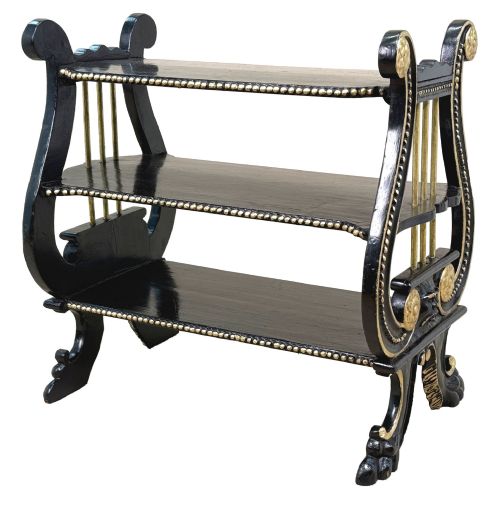
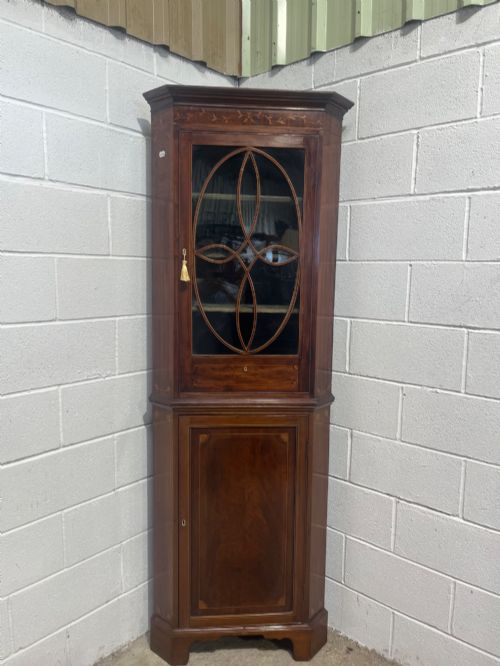
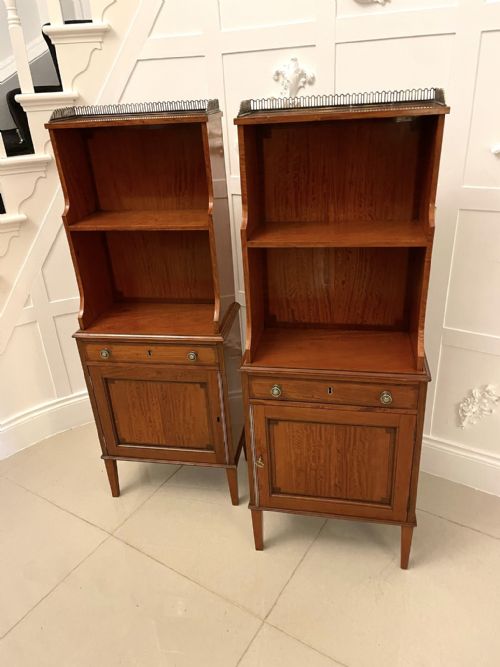
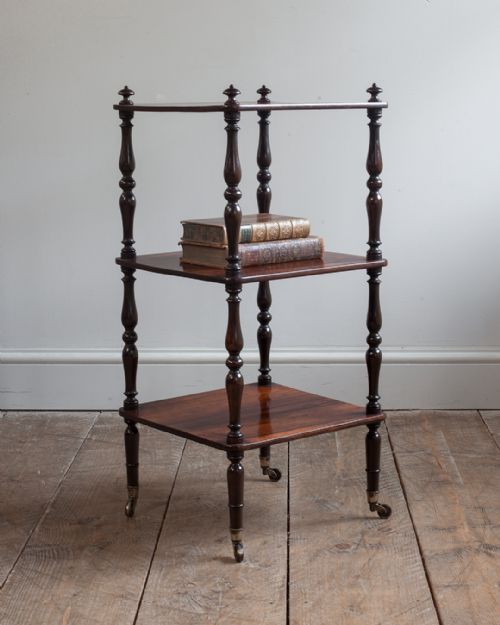
Regency Display Stand
A regency display stand brings architectural elegance to any room, offering tiered shelving and pedestals designed to showcase treasured objects.
Regency Display Stand
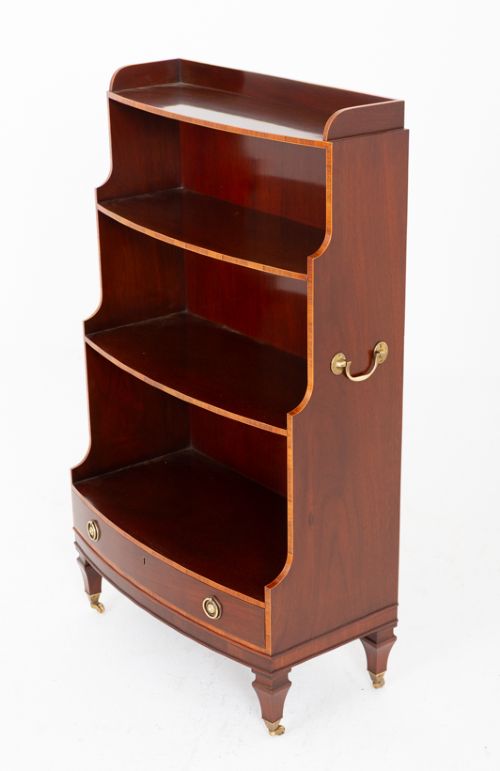
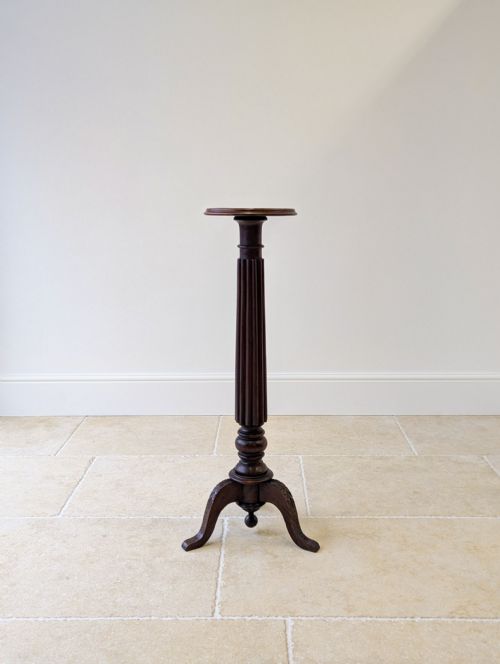
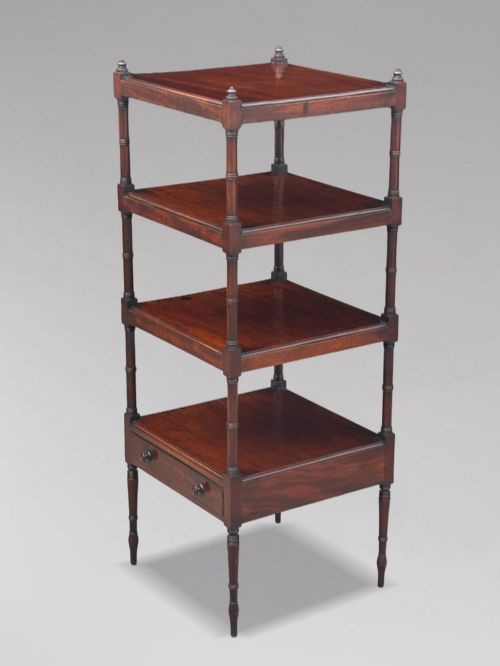
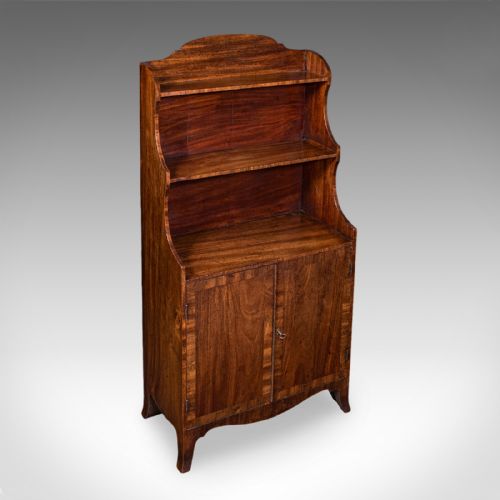
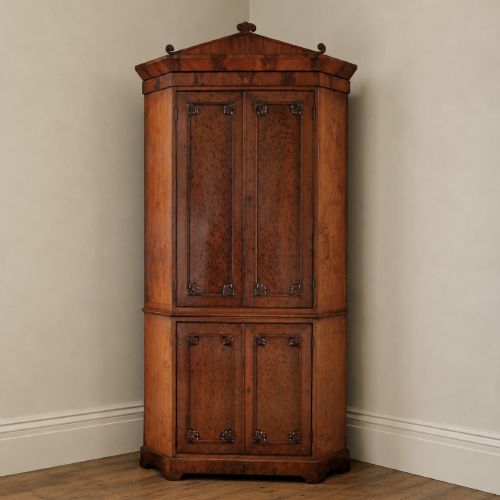
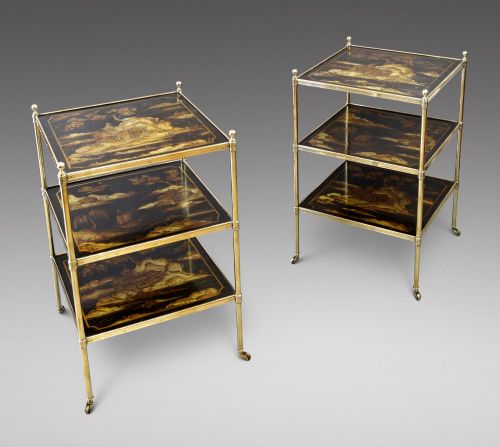
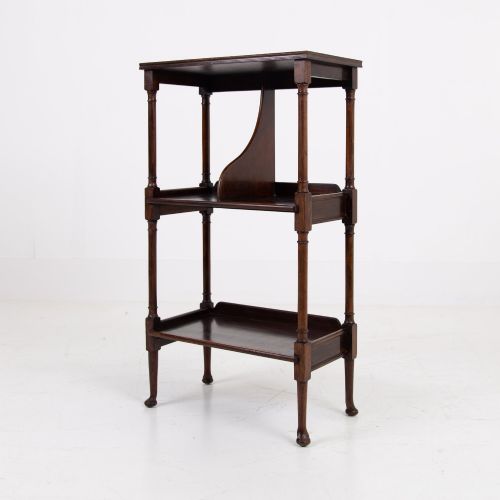
A regency display stand encompasses multifaceted furniture forms designed to elevate and exhibit objects, spanning from multi-tiered whatnots and etagere units to open bookcases, torcheres, pedestals, and music stands.
The pieces appearing most frequently across these listings are mahogany and rosewood whatnots, tiered corner stands, and waterfall bookcases rooted in the Regency, Georgian, and William IV periods.
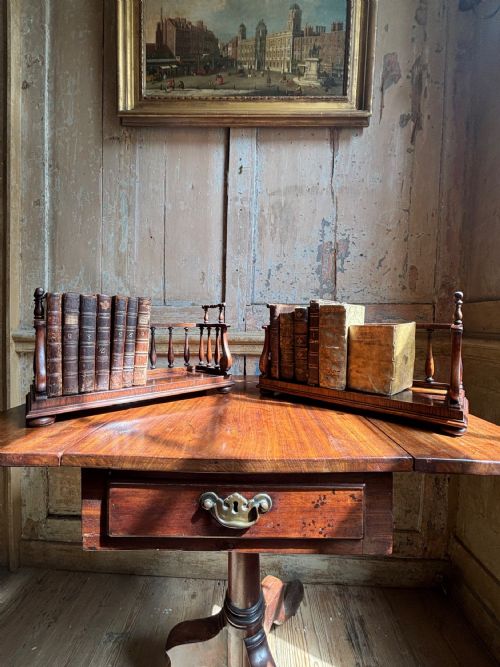
Makers and craftsmen of the era conceived these stands for domestic utility and display, leading to versatile formats including folding book stands, folio stands, and glazed cabinets on stands.
Materials and Construction
Cabinet makers relied heavily on dense timbers such as mahogany, rosewood, and satinwood, often accentuating pieces with ebonised wood, birdseye maple, or walnut veneers.
Structural elements frequently incorporated brass fittings, bronze mounts, and parcel gilding, while specialised items utilised glass panels or inlaid details to enhance visual depth.
Keep an eye out for portable mahogany bookshelves designed for travellers who simply could not leave their library behind.
Determining Quality
Excellence in a regency display stand is evident in the selection of figured timber veneers, such as plum pudding mahogany, and the crisp execution of turned columns and inlaid borders.
The structural integrity of stacked tiers, the balance of heavy pedestals, and the retention of original brass casters or gallery rails separate standard utilitarian items from exceptional pieces.
Gillows·George Smith·Thomas Hope
The Regency Display Stand Glossary
- Whatnot
- An open shelved piece of furniture with multiple tiers designed for displaying ornaments, books, or small objects. It originated in the eighteenth century and became widely popular during the Regency period.
- Étagère
- A French term for a piece of furniture consisting of a set of open shelves for displaying small articles. They mirror the function of whatnots with distinct decorative flourishes.
- Torchère
- A tall, slender stand or pedestal originally intended to hold a candle or torch. These pieces later served to elevate urns, sculptures, or decorative plants.
- Waterfall Bookcase
- A stepped shelving unit where each successive shelf is deeper than the one above, creating a cascading profile. They appear frequently in mahogany and rosewood.
- Folio Stand
- A specialised stand featuring an adjustable or V-shaped trough designed for holding large books, prints, or portfolios. Examples from the period often incorporate folding mechanisms.
Regency Display Stand: Frequently Asked Questions
What is a regency display stand used for?
These stands were originally built to hold books, sheet music, needlework, or decorative ornaments in domestic reception rooms.
Today, they serve the exact same purpose, offering vertical storage and display surfaces that preserve floor space while highlighting collections.
How do I identify a regency period piece?
Look for classical proportions, restrained classical ornamentation, and characteristic timbers like premium mahogany and rosewood.
Genuine pieces often display period-appropriate joinery methods and subtle brass accents rather than heavy Victorian carving.
What is the difference between a whatnot and an étagère?
The terms are frequently used interchangeably to describe tiered shelving units, though étagère often implies a more decorative French-influenced design.
Both forms provide multiple open tiers supported by slender columns or uprights.
Can these stands support heavy books?
Sturdier multi-tiered mahogany bookcases and floor-standing units are structurally engineered to bear the weight of substantial volumes.
Lighter or more delicate pieces, such as small torchères or satinwood stands, are better suited to lighter ornaments and single display items.
How do I care for rosewood and mahogany?
Maintain these antique timbers by keeping them away from direct sunlight and sudden fluctuations in room temperature.
Regular dusting with a dry, soft cloth is generally sufficient to protect the polished surface without applying heavy chemical polishes.