





Antique Dumbwaiter Stand
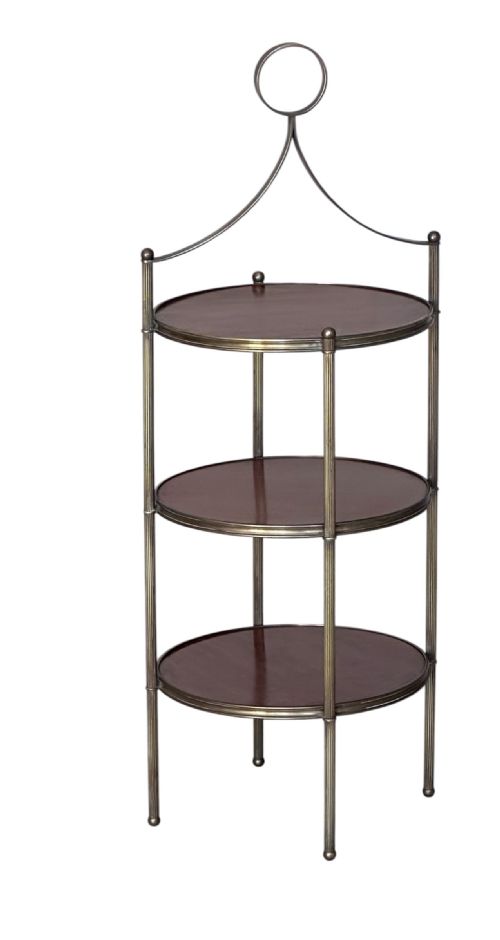
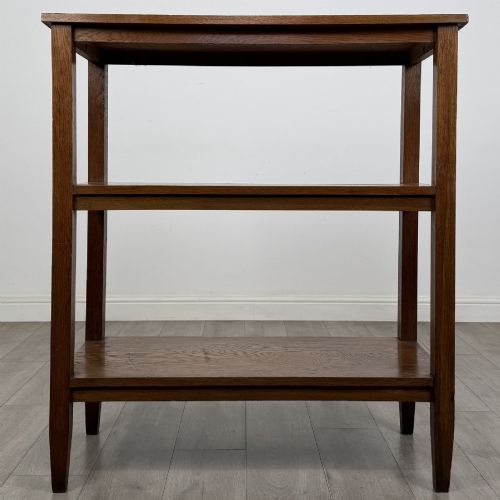
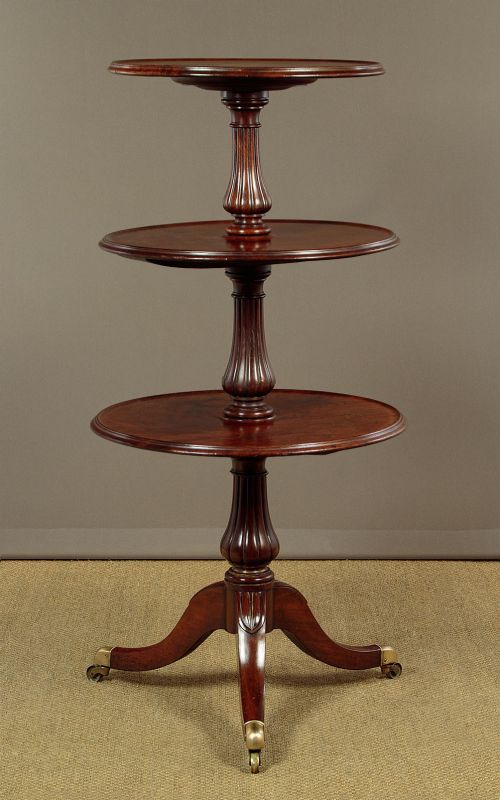
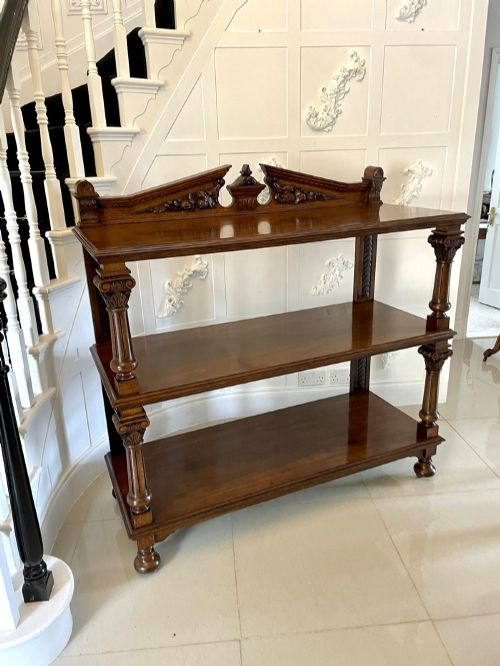
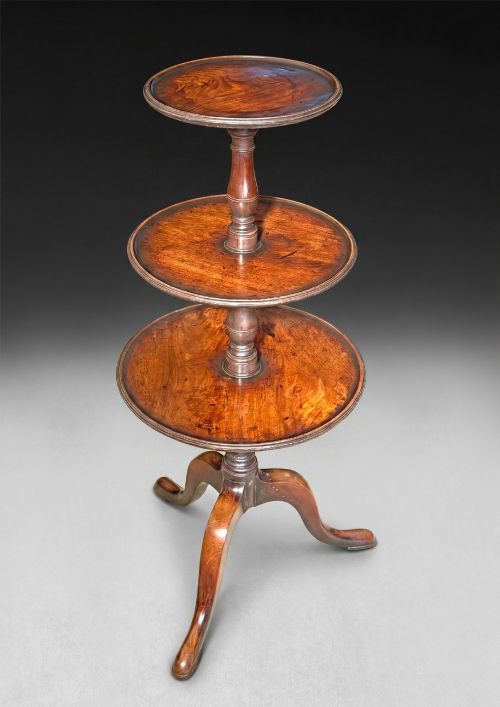
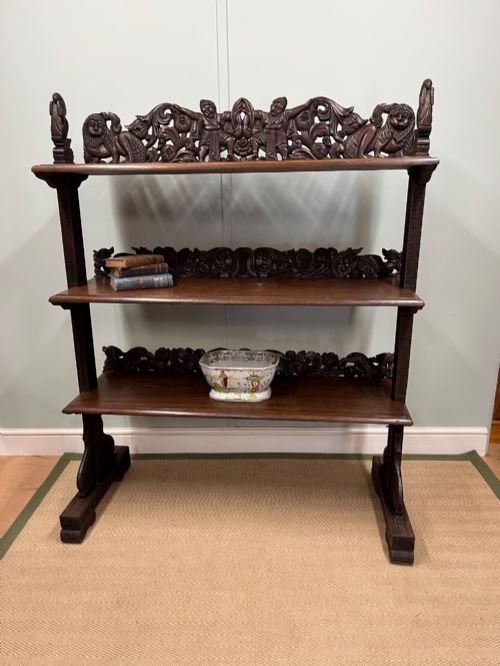
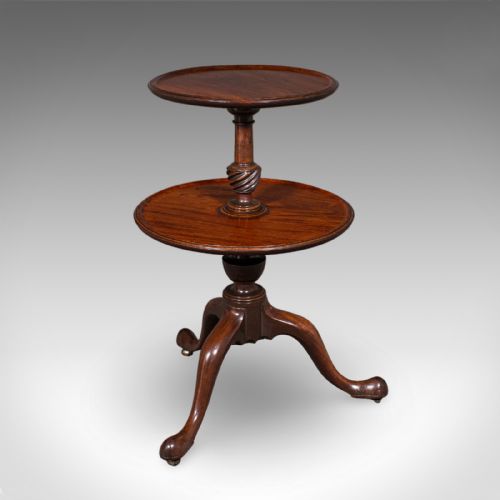
These antique dumbwaiter stand pieces are tiered servers and etageres designed to hold dishes or display objects with tiered elegance.
Antique Dumbwaiter Stand
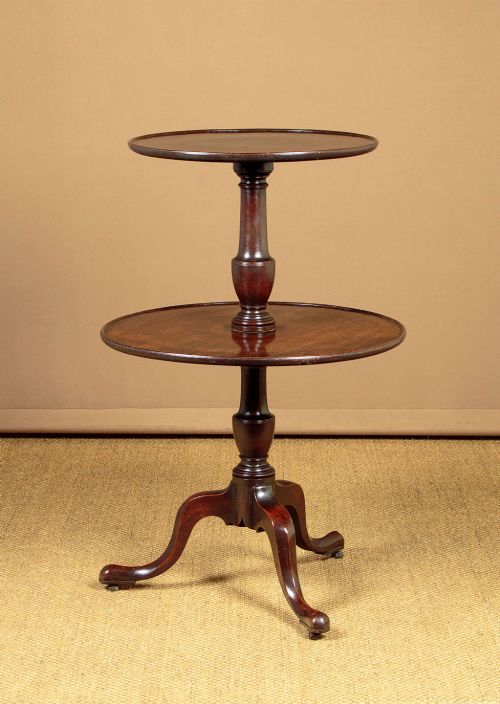
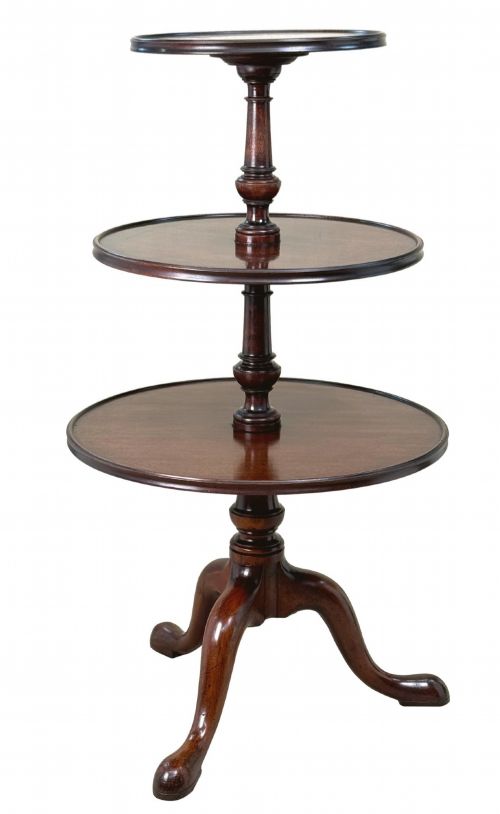
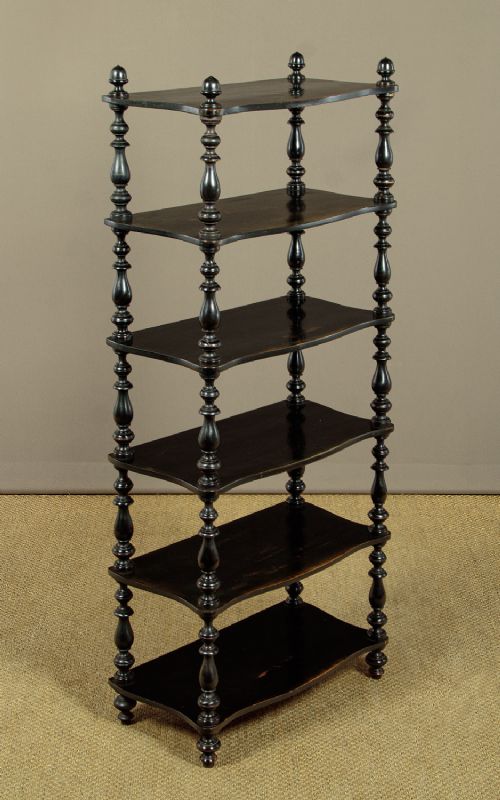
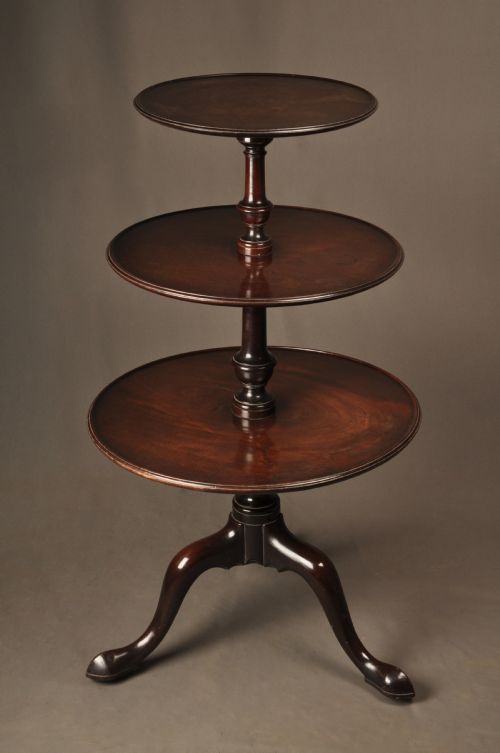
An antique dumbwaiter stand offers multiple tiers for service and display, appearing in forms such as etageres, occasional tables, cake stands, and tiered stands. These tiered items emerge from periods including the Regency, Edwardian, Victorian, Georgian, and the opening years of the twentieth century.
The most common examples on this page follow classic forms like the two tier etagere or the galleried three tier dumb waiter. Buyers encounter both folding cake stands and refined occasional pieces reflecting Georgian and Regency taste.
Materials and construction
Joiners and cabinetmakers utilised rich timbers such as mahogany, rosewood, and satinwood to build these stands, often enhancing surfaces with parquetry veneer. Brass and metal fittings provide structural support and decorative detail on gallery edges and folding mechanisms.
Construction techniques range from traditional joinery on Georgian galleried pieces to specialised folding frames for Edwardian cake stands. Makers incorporated raised trays, multiple stacked platforms, and delicate turned supports to create stable tiered structures.
Antique Dumbwaiter Stand Retail Price Guide 2026
Typical asking prices for dumbwaiter stand among the pieces listed under this phrase on Sellingantiques today, from the lower quarter to the upper quarter. They describe what is for sale here now, not the wider market.
Some Edwardian stands fold flat, proving that Victorian and Georgian ancestors of modern flat-pack furniture knew how to clear space after tea.
Judging quality and execution
Superior examples reveal themselves through the choice of timber and the crispness of decorative veneers. Fine grain selection in mahogany or satinwood distinguishes a master workshop piece from standard production.
Proportion and the integration of brass or metal hardware dictate the visual success of a tiered stand. Pieces that balance delicate galleries with sturdy tier supports demonstrate superior cabinetmaking skill.
Donald Ross
The Antique Dumbwaiter Stand Glossary
- Etagere
- A piece of furniture consisting of a set of open shelves for displaying small objects. This form shares close ties with tiered dumbwaiter stands.
- Galleries
- Raised edges or small railings around the perimeter of a shelf or tray to keep items from sliding off. Georgian pieces frequently employ this feature on their tiers.
- Parquetry
- Geometric patterns of wood veneer laid down on a surface like a floor or tabletop. This technique adds decorative visual texture to the tiers.
- Tiered
- Having levels arranged one above another. Dumbwaiters and etageres rely on this vertical structure for holding multiple items.
Antique Dumbwaiter Stand: Frequently Asked Questions
What is an antique dumbwaiter stand?
An antique dumbwaiter stand is a multi-tiered piece of furniture designed historically to hold dishes, food, or serving items without the need for attendants. Today these pieces function as versatile display surfaces and etageres in living spaces.
They appear primarily in timber such as mahogany and rosewood, featuring two or three stacked levels supported by central columns or delicate legs.
How were these stands used originally?
Dining rooms utilised these multi-level pieces to hold extra plates, glasses, and courses during meals. The tiers allowed hosts to keep food and tableware within easy reach.
Over time, the function shifted toward display, and related forms like cake stands and etageres emerged for parlour and drawing room use.
How do I date a tiered stand?
Dating relies on observing the prevailing style, timber choice, and construction details. Pieces from the Georgian and Regency eras show different turning styles and proportions compared to Victorian or Edwardian revivals.
Reference materials, revival styles like Chippendale, and specific hardware types help narrow down the period of manufacture.
How do I style these in a home?
These tiered stands fit well in corners or beside seating areas where vertical display space is needed. Their multiple levels provide room for books, ceramics, and decorative objects without taking up excessive floor area.
Placing items by height across the tiers creates a balanced arrangement that highlights the architectural form of the stand.