
Brass Gallery Stands
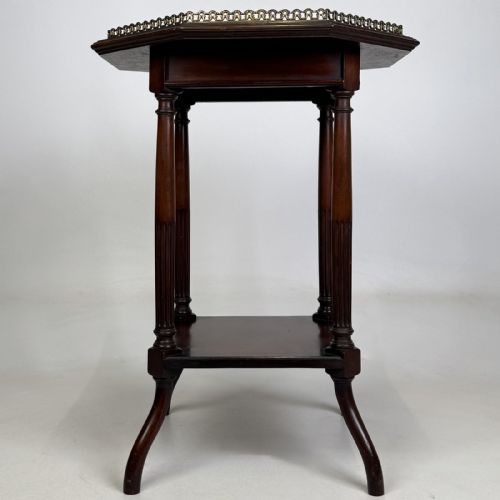
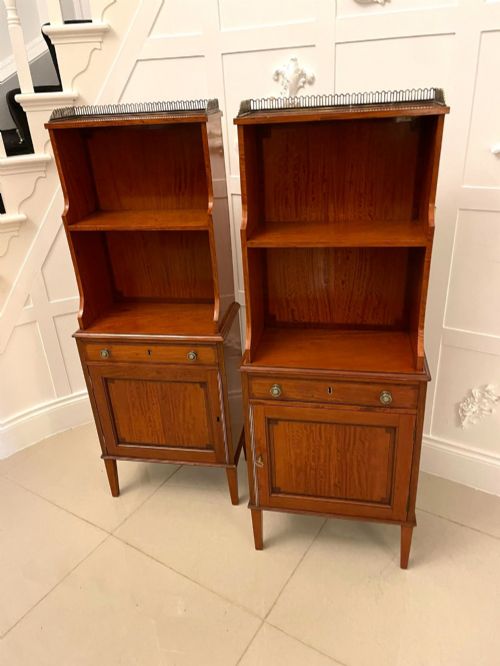
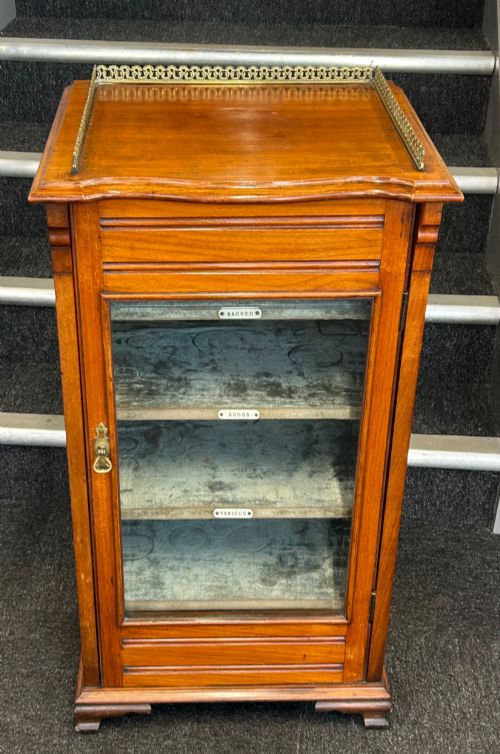
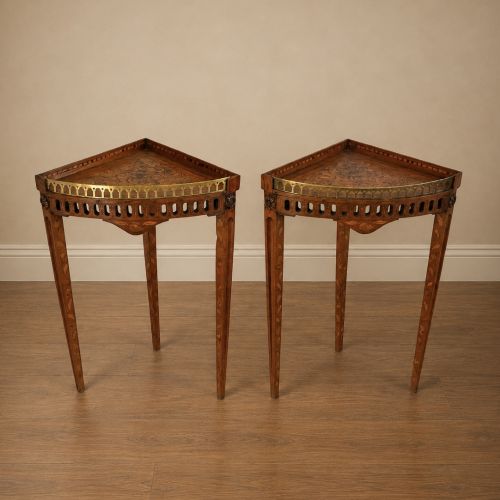
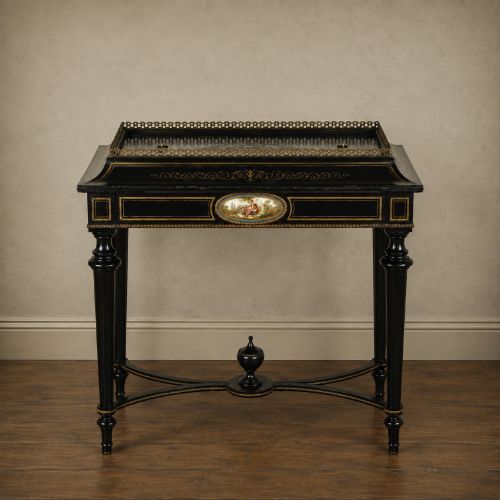
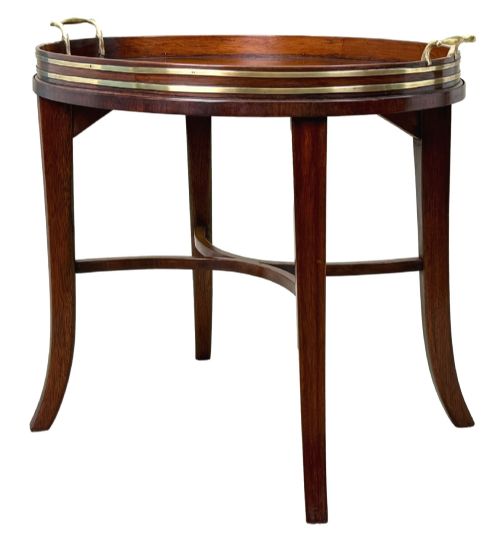
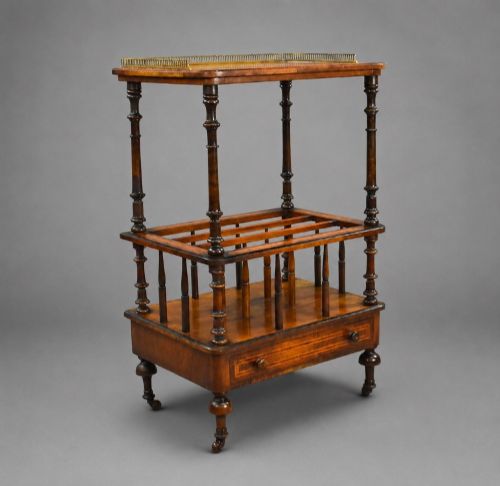
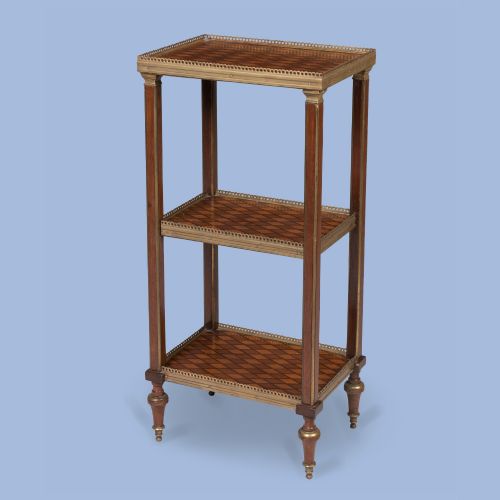
Brass gallery stands secure the perimeters of occasional tables, music cabinets and étagères with raised metal railings.
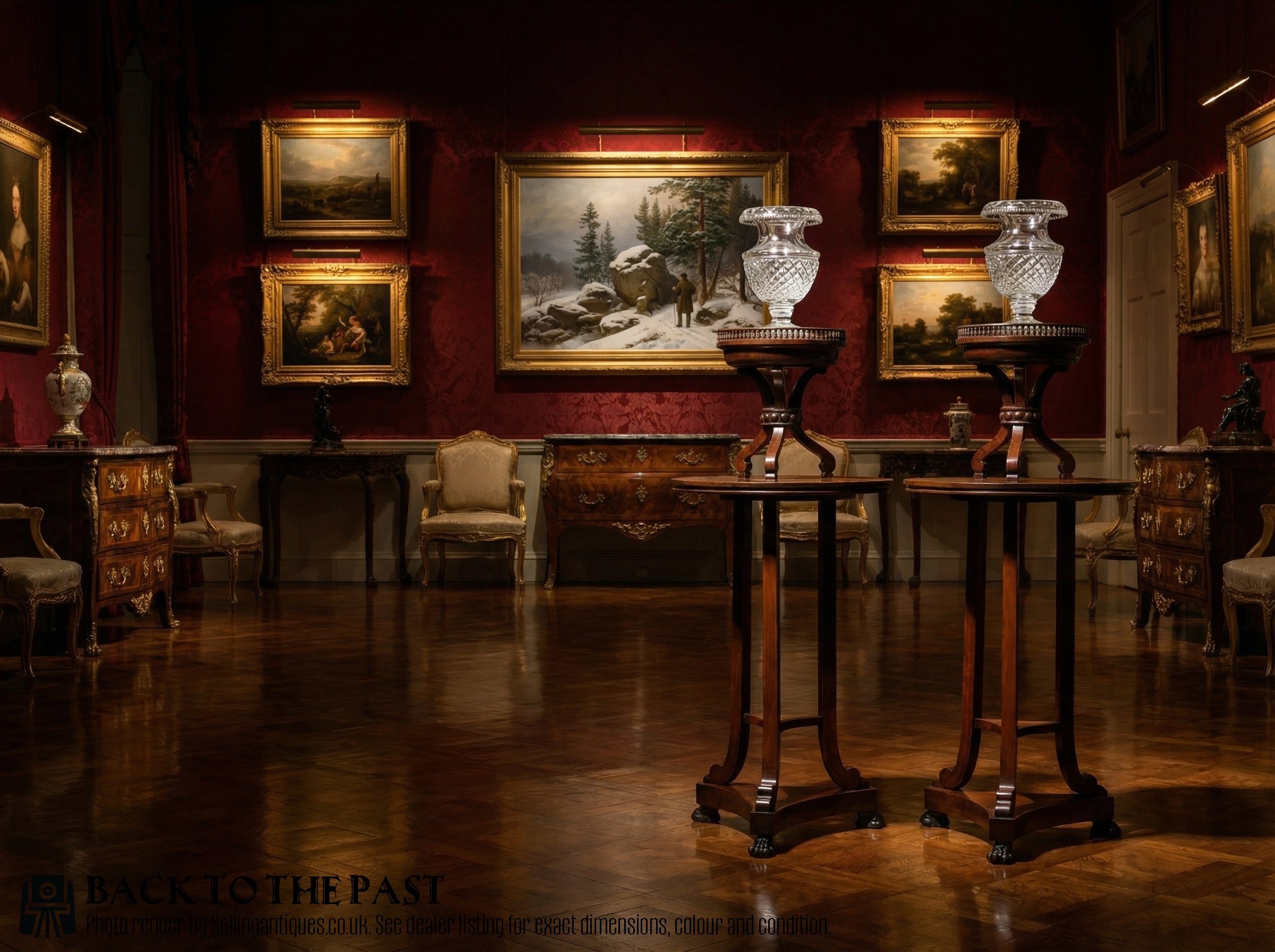
Brass Gallery Stands
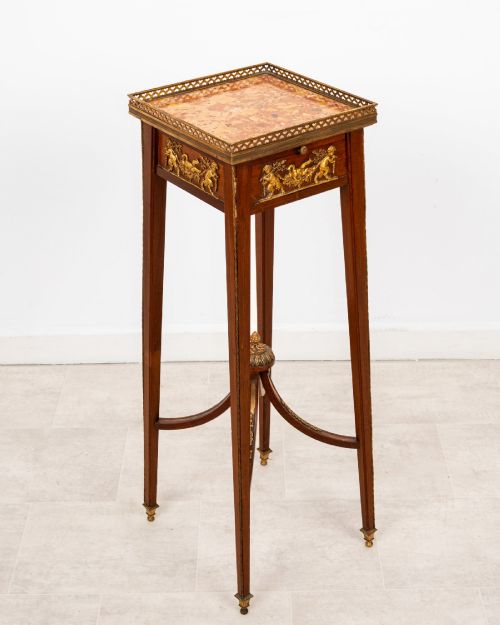
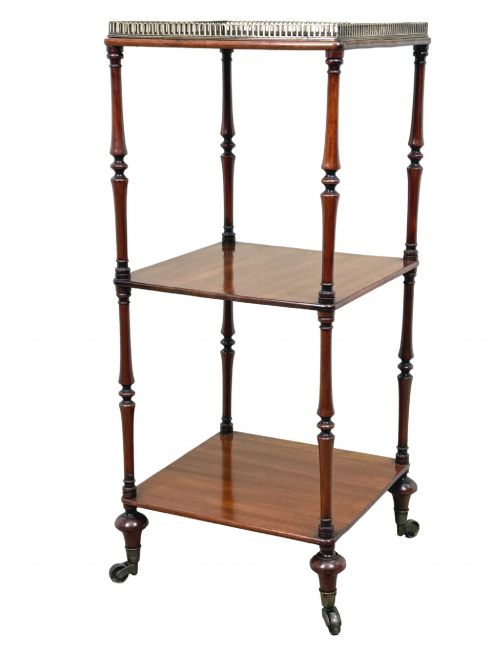
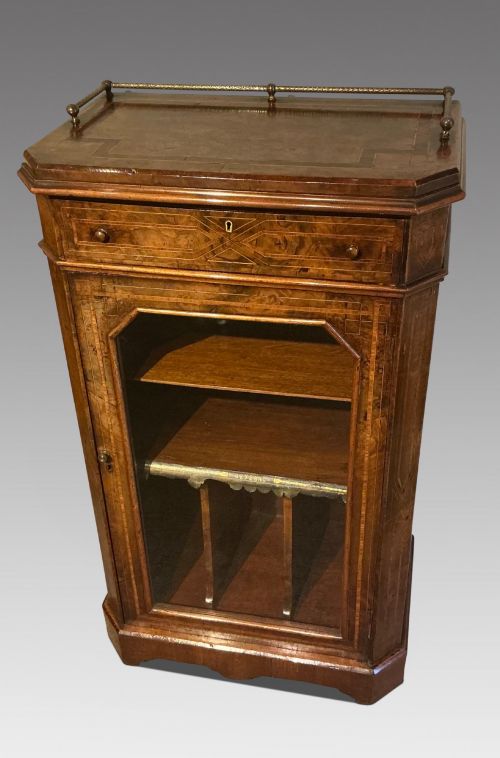
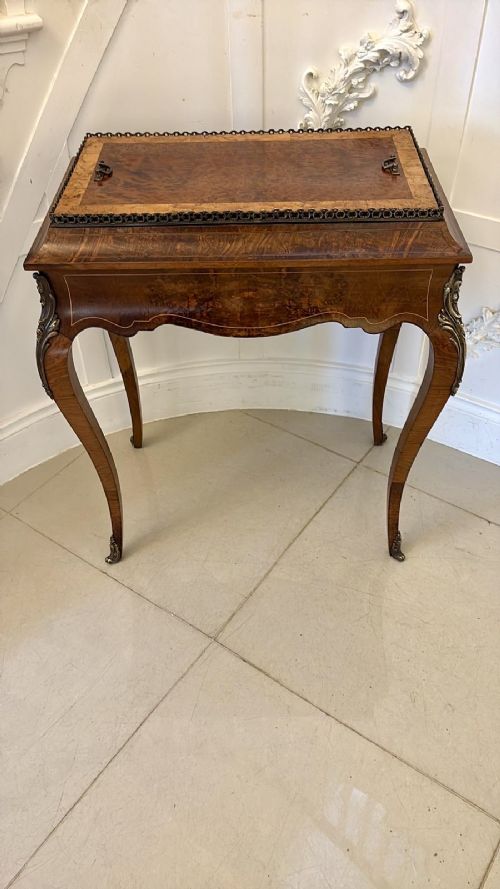
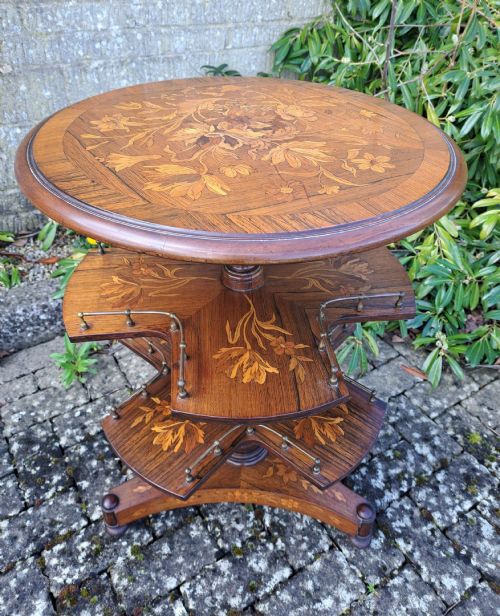
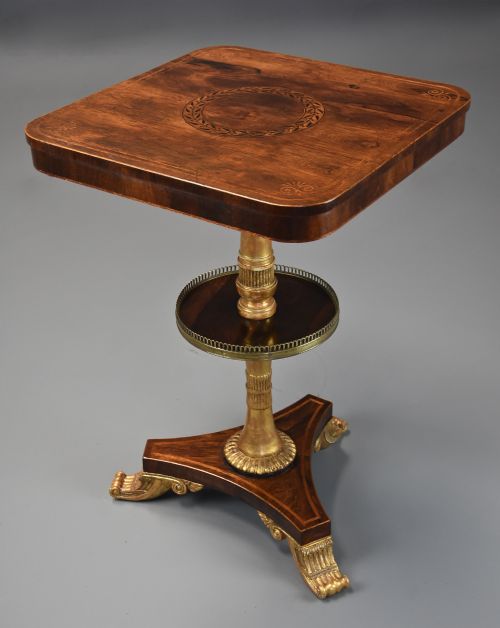
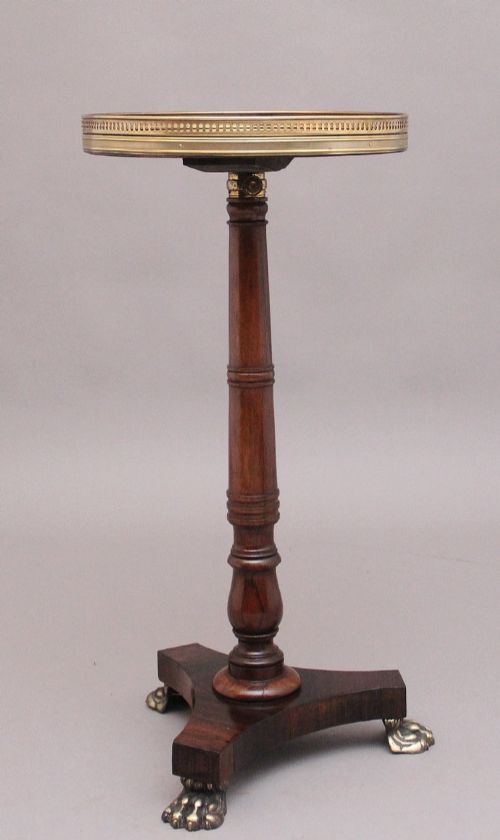
Brass gallery stands incorporate pierced or spindle railings atop items like occasional tables, side tables, and music cabinets. You will frequently encounter these fixtures mounted on surfaces designed to display or contain books, plants, and decorative objects.
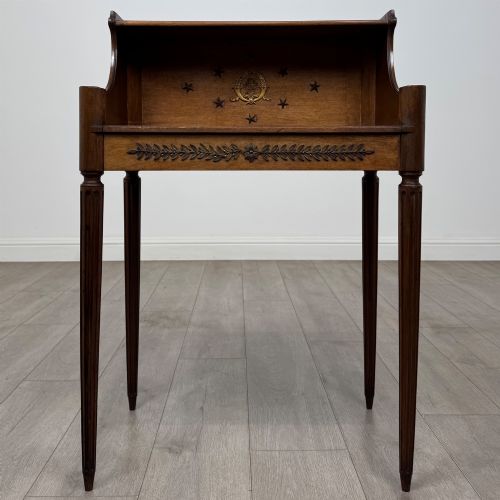
The pieces span multiple centuries and stylistic traditions, ranging from Georgian and Victorian English examples to French Empire and Napoleon III designs. Makers utilised forms such as tiered étagères, corner tables, and jardinieres to showcase figured timbers.
Many of these items serve a dual purpose, functioning as bedside tables, drinks tables, or compact bookcases. The raised brass border prevents items from sliding off the polished timber or marble surface during use.
How they were made
Craftsmen built the main structures using solid and veneered timbers including mahogany, walnut, rosewood, and satinwood. Artisans frequently added marquetry inlay, ebonised details, or ormolu mounts to enrich the primary wood grain.
The characteristic gallery consists of brass spindles or perforated sheet metal screwed directly into the tabletop or marble slab. Workshops often integrated stone elements such as rouge marble or onyx inserts alongside the timber surfaces.
Some nineteenth-century tables doubled as pianist servers, keeping sheet music and drinks within arm's reach.
What varies in quality
The refinement of the timber selection and the crispness of the marquetry inlay dictate the standing of a piece. Finer examples display meticulous grain matching and intricate brass casting on both the gallery and mounts.
Structural integrity depends upon the joinery of the legs and tiers, as well as the secure fastening of the metal gallery. Superior items retain their original brass components and uncompromised surface finishes across every tier.
Gillows·François Linke·George Bullock·Halls Patent
The Brass Gallery Stands Glossary
- Gallery
- A raised border or railing placed along the edge of a shelf or tabletop. It keeps small objects secure while adding a decorative metallic accent.
- Étagère
- A piece of furniture consisting of open shelves for displaying small ornaments. These tiered stands frequently feature brass galleries on each level.
- Jardiniere
- A receptacle or stand intended for holding plants or flowers. They often incorporate metal liners and galleried tops to protect the surrounding timber.
- Marquetry
- Decorative veneer applied to furniture in geometrical patterns or pictorial designs. Craftsmen cut contrasting woods to form intricate motifs on tabletops and cabinet doors.
- Ormolu
- Gilded bronze ornamentation applied to furniture. This technique imparts a rich metallic highlight to the corners and frames of tables and cabinets.
Brass Gallery Stands: Frequently Asked Questions
What is a brass gallery stand?
A brass gallery stand is a piece of furniture featuring a protective metal railing around its upper surface. These items include occasional tables, étagères, and music cabinets.
The raised brass border serves to contain items placed on the top surface while providing a decorative contrast to the timber or marble below.
How were these stands used historically?
These pieces functioned as versatile display surfaces for books, decorative objects, and plants in period drawing rooms and parlours. Some variations served specifically as bedside tables or drinks stations.
The elevated railing prevented glassware, decanters, or small volumes from sliding off the edge during daily domestic use.
How do I identify the period of a stand?
Dating relies on examining the underlying wood species, construction methods, and stylistic influences. Georgian and Regency pieces show different proportions and joinery compared to later Victorian and Edwardian examples.
Cabinetmakers incorporated specific decorative treatments, such as French neoclassical or Napoleon III motifs, which help place the item within a chronological timeframe.
How do I care for timber and brass?
Maintenance involves keeping wooden surfaces clean with appropriate furniture wax and avoiding excessive moisture. Brass galleries benefit from gentle dusting to preserve their metallic sheen without harsh chemical cleaning.
Protecting the pieces from direct sunlight and extreme temperature fluctuations preserves both the veneer and the integrity of the metal fittings.