
Carved Wooden Candle Stand
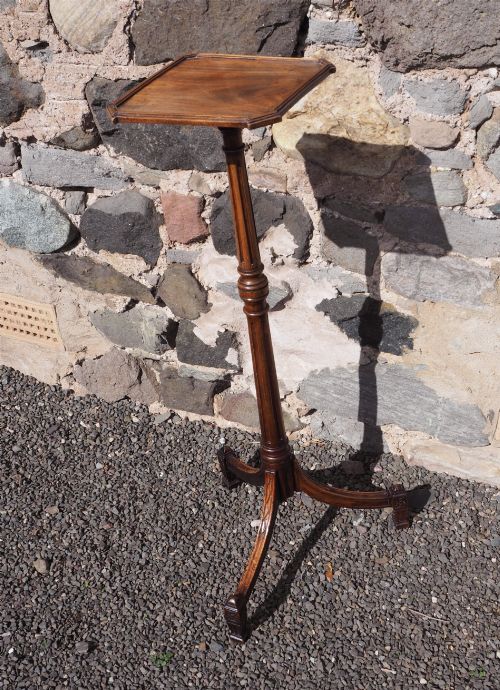
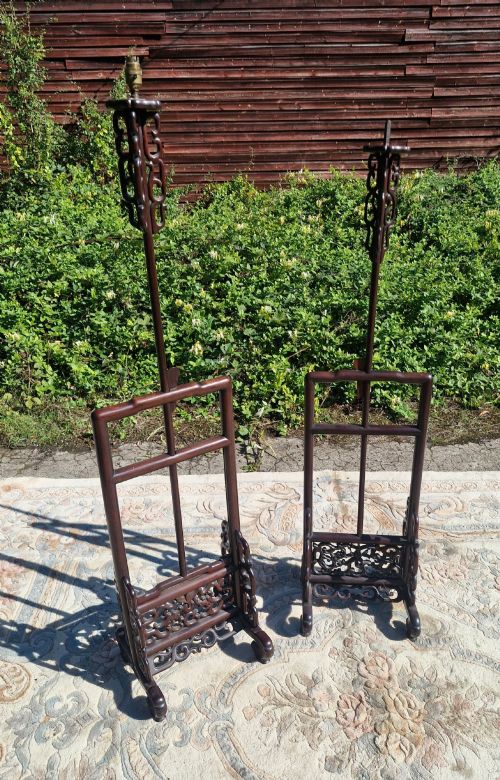
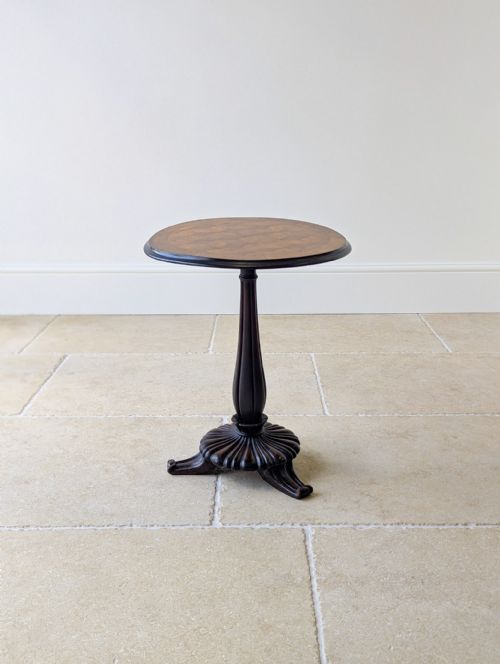
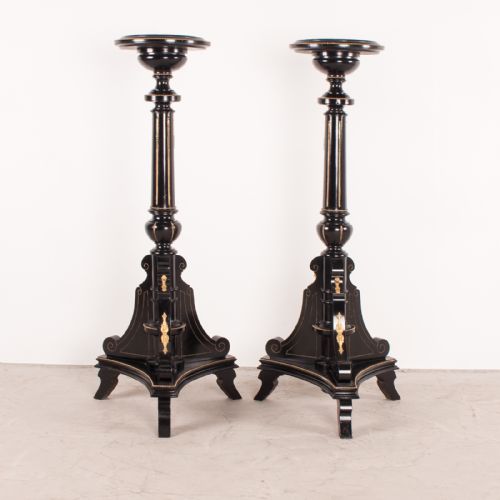
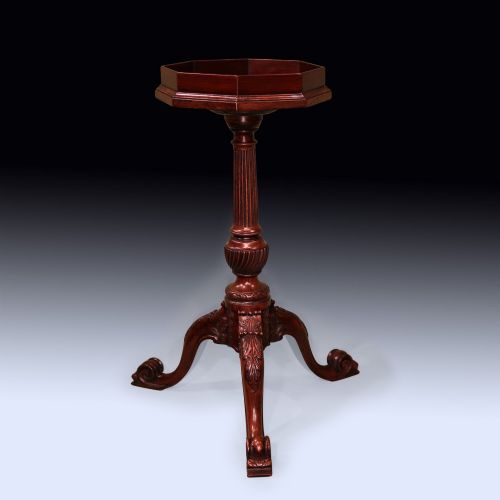
These carved wooden candle stand pieces bring height and sculptural presence to a room, holding light or plants on slender timber shafts.
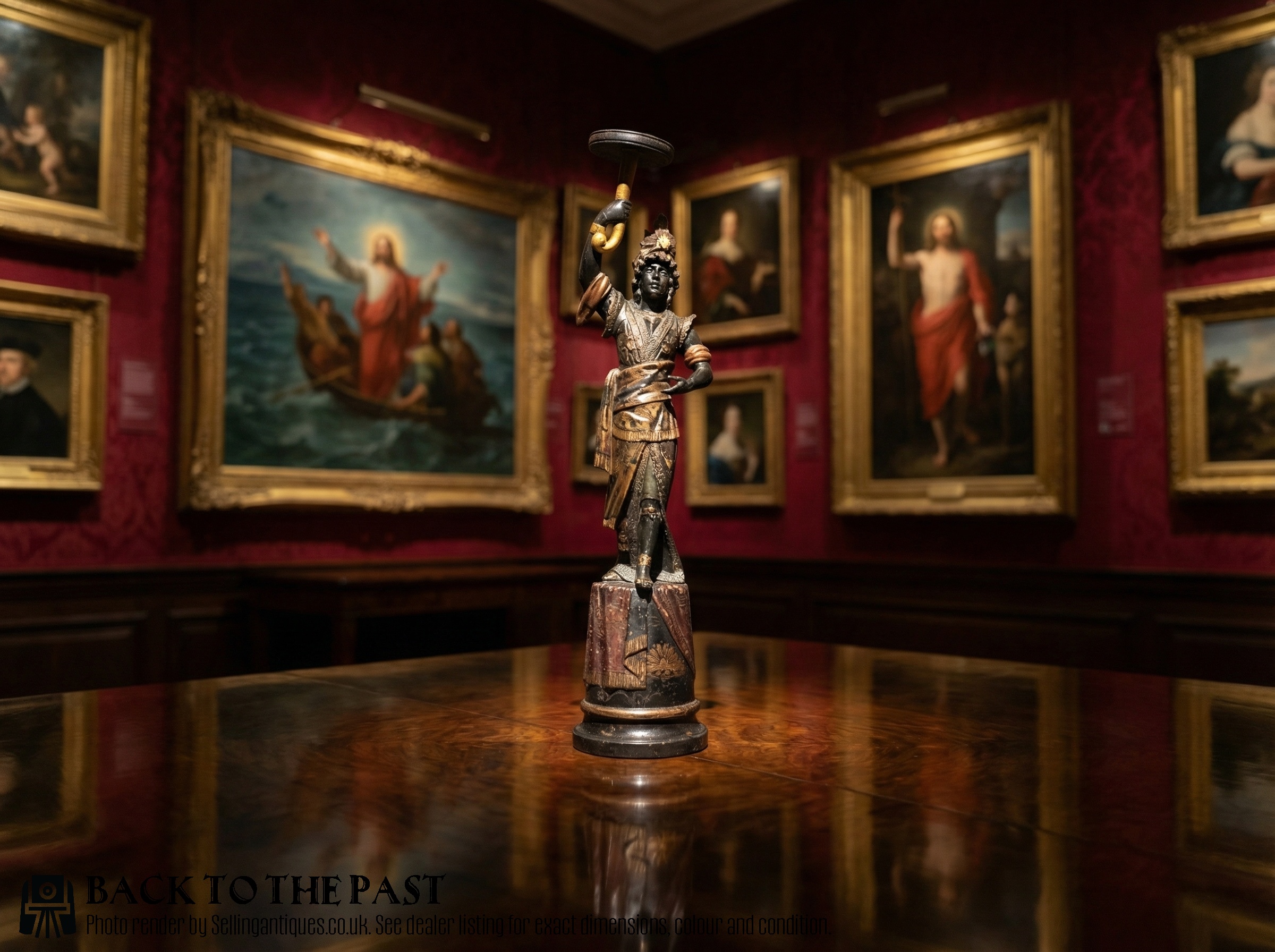
Carved Wooden Candle Stand
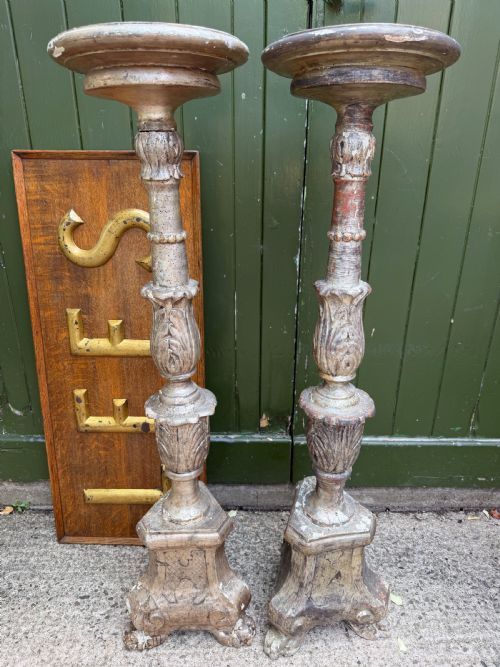
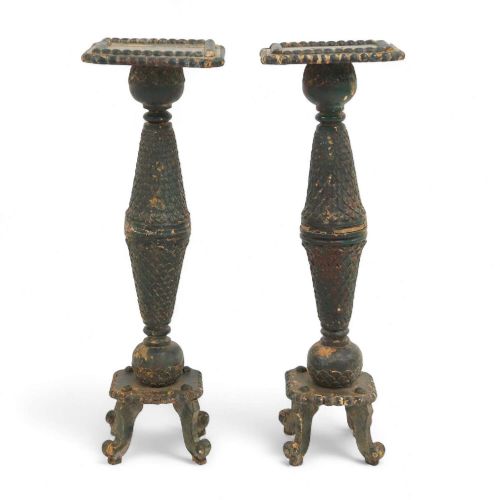
A carved wooden candle stand serves to elevate illumination or display decorative objects upon a raised platform, originating in forms such as torcheres, torchieres, pedestals, and plant stands. Pieces found on this page span the 17th, 18th, 19th, and early 20th centuries, covering periods from the Georgian and Regency eras through to the Victorian and Edwardian decades.
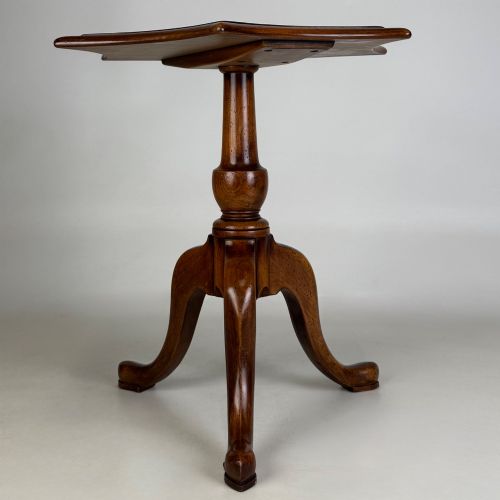
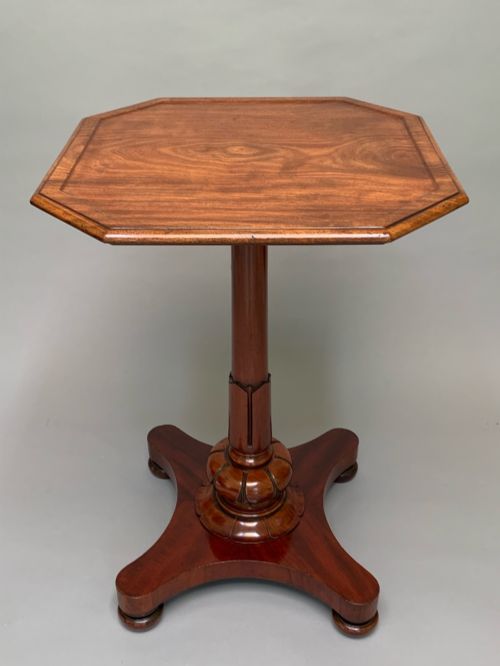
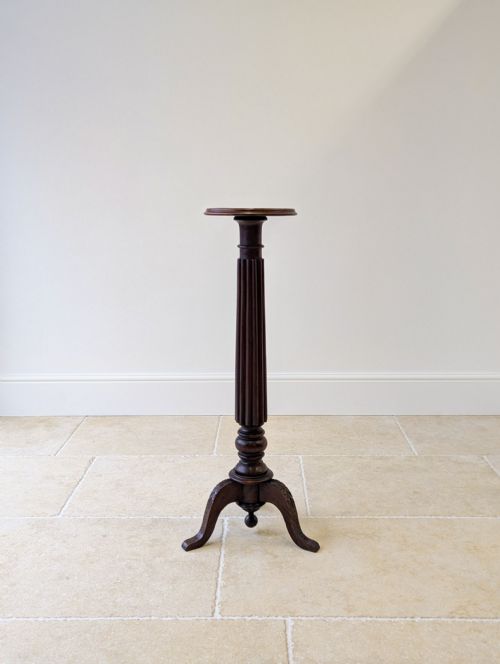
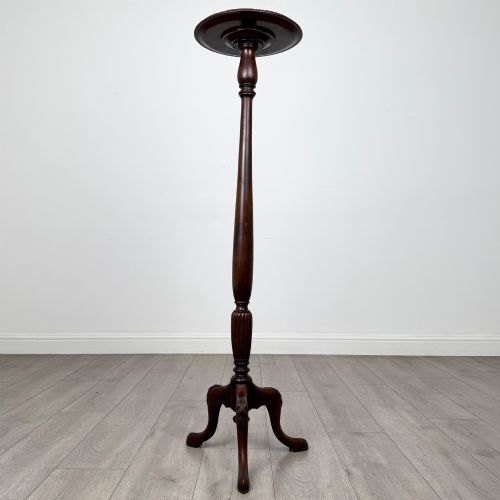
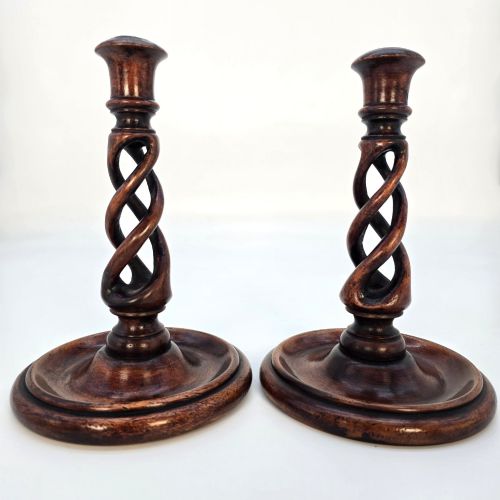
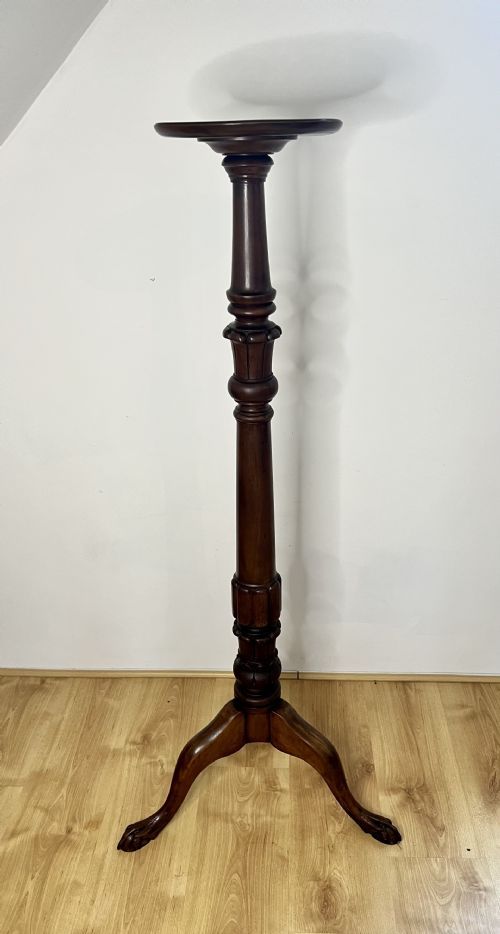
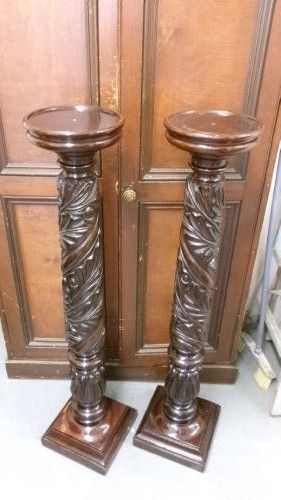
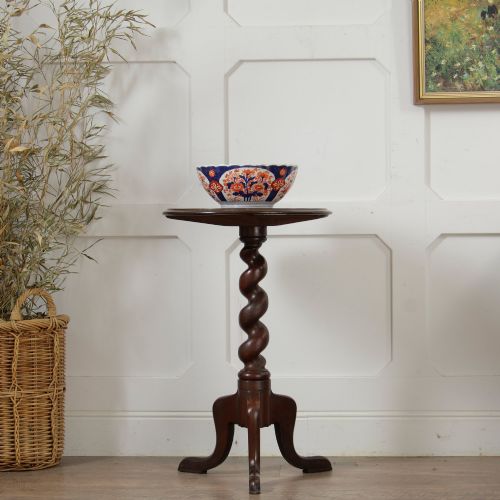
The assortment on this page includes tall Italian and Dutch torchieres alongside British mahogany wine tables, side tables, and occasional tables. Buyers encounter forms featuring tripod bases, barley twist stems, and columnar supports, executed in styles ranging from Victorian and William IV to Italian Baroque and French Chateau.
Materials and construction
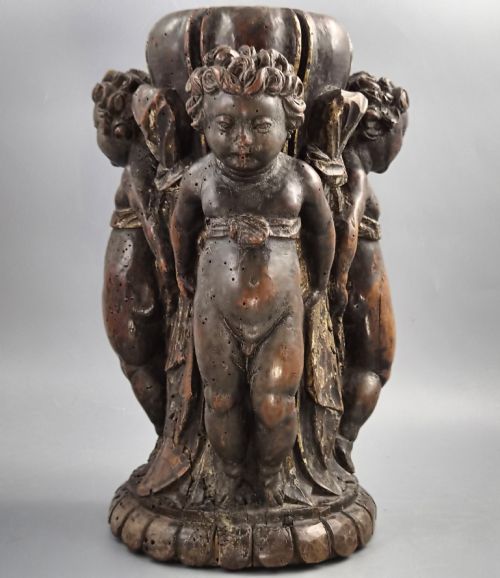
Carved wooden candle stand examples utilise dense hardwoods like mahogany, walnut, oak, fruitwood, and yew, occasionally paired with brass components, gesso, or iron details. Construction relies on traditional joinery, turning lathes for barley twist columns, and skilled hand-chizzling to achieve figurative motifs, putti, and decorative fluting.
Surfaces receive varied finishes across the periods, including original green paint, silvered leaf, ebonising, or polished wax that highlights the natural grain of the timber. Structural stability is provided by tripod or socle bases designed to support vertical weight safely.
Three carved wooden putti cheerfully hoist up Italian walnut torchere bases, refusing to let tired arms spoil the party.
Markers of quality
The standard of a carved wooden candle stand rests upon the crispness of the hand-carving and the proportional balance between the upper platform, the slender shaft, and the supporting base. Finer examples display deeply undercut foliage, figures, or architectural mouldings rather than shallow, mechanical tooling.
Material selection and structural integrity separate robust pieces from lesser items, with quality visible in well-seasoned hardwoods that resist warping and original surface treatments such as untouched paint or period gilding remaining intact over the centuries.
The Carved Wooden Candle Stand Glossary
- Torchere
- A tall ornamental stand designed originally to carry a torch or candle, frequently taking the form of a slender column or pedestal. These pieces now often support lamps or floral displays.
- Barley twist
- A spiral turning resembling a twisted rope, carved into the wooden stem of a stand or table. This technique gained particular popularity during the 17th century and saw revivals in later periods.
- Tripod
- A three-legged base providing stable support for slender tables and torchieres. This configuration allows the stand to remain steady on uneven floors.
- Gesso
- A plaster-like mixture applied to wood surfaces as a smooth base for painting, gilding, or silvering. It allows for intricate relief ornamentation before the final metallic or colour layer is added.
- Socle
- A short plinth or pedestal acting as a footing for a figure, column, or candlestick. It provides a solid geometric foundation for upward-reaching designs.
Carved Wooden Candle Stand: Frequently Asked Questions
What is a torchere used for?
A torchere functions as a raised stand for lighting, originally holding candles or oil lamps to illuminate dark corners of a room. Today, these tall supports frequently carry table lamps, floral arrangements, or decorative objects.
Their slender profile allows them to occupy minimal floor space while adding vertical dimension and architectural interest to an interior scheme.
How do I tell an 18th-century stand from a Victorian one?
Dating relies on observing timber choices, joinery methods, and the specific decorative vocabulary of the carving. Eighteenth-century examples often employ walnut, fruitwood, or dense mahogany with restrained, hand-chiseled proportions characteristic of Georgian or continental Baroque design.
Victorian and later pieces frequently introduce heavier turned elements like barley twists, softer pine cores beneath gesso, or eclectic revival styles that reflect 19th-century manufacturing shifts.
Can these stands support modern lamps?
Many sturdy torchieres and pedestals accommodate modern table lamps or torchiere light fixtures, provided the top platform offers sufficient surface area and stability. Buyers often use them alongside seating or in corners where extra height is required for ambient lighting.
Care should be taken with wiring to ensure cords run neatly down the stem without compromising the balance of the tripod or socle base.
Where should I place a candle stand at home?
These pieces suit placement in empty corners, beside armchairs, or flanking doorways where their vertical height fills awkward vertical voids. Their compact footprints make them versatile additions to hallways, living rooms, and bedrooms.
Positioning them away from heavy foot traffic protects delicate carved elements and maintains the stability of the tall wooden shaft.