





Gold Leaf Figure
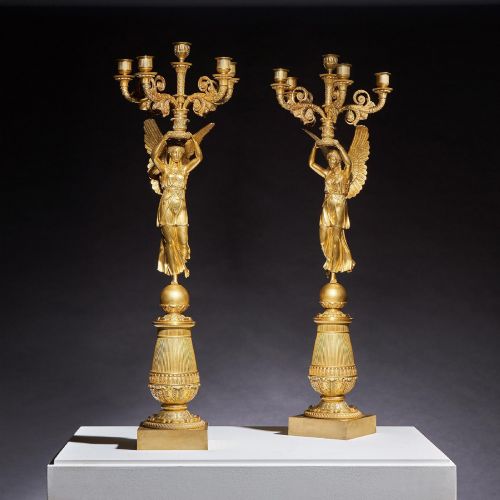
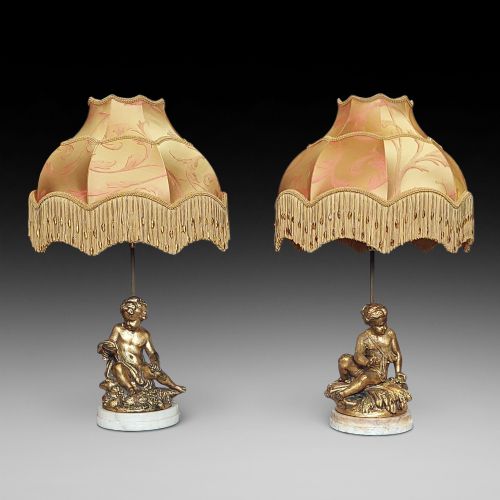
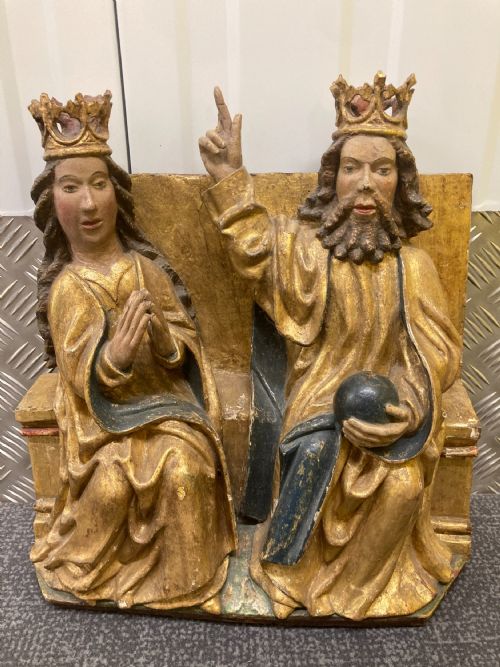
When you search for a gold leaf figure, you encounter carved wooden saints, bronze candelabra, and porcelain deities enriched with precious metal.
Gold Leaf Figure
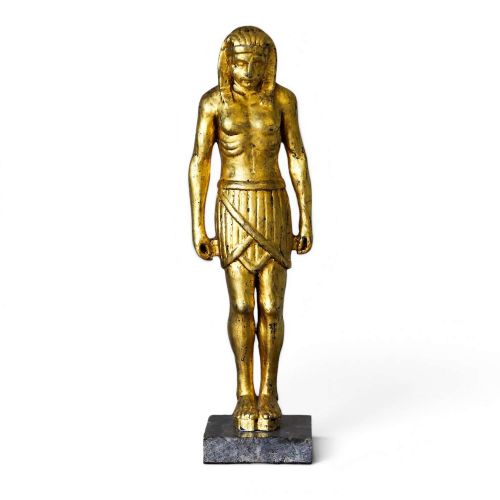
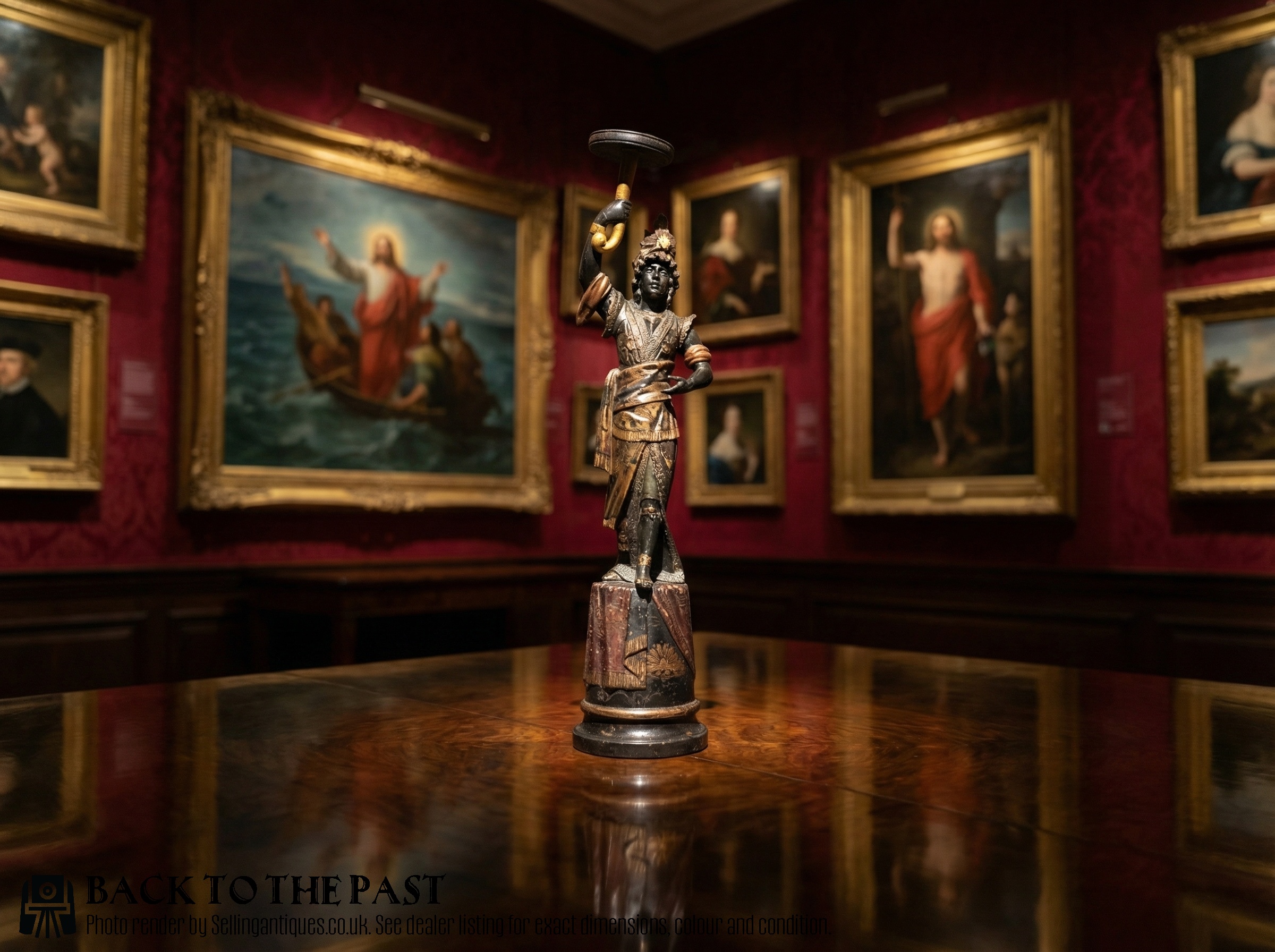
A gold leaf figure encompasses sculptural representations rendered in wood, stone, porcelain, and bronze, frequently finished with gilding or applied gold leaf. These works originate from diverse cultural traditions spanning Europe and Asia, ranging from European religious carvings to Asian deities.
The selections on this page draw from multiple centuries, including pieces produced across the seventeenth, eighteenth, nineteenth, and early twentieth centuries. Common incarnations take the form of saints, shabtis, cherubs, Buddhas, and architectural figures.
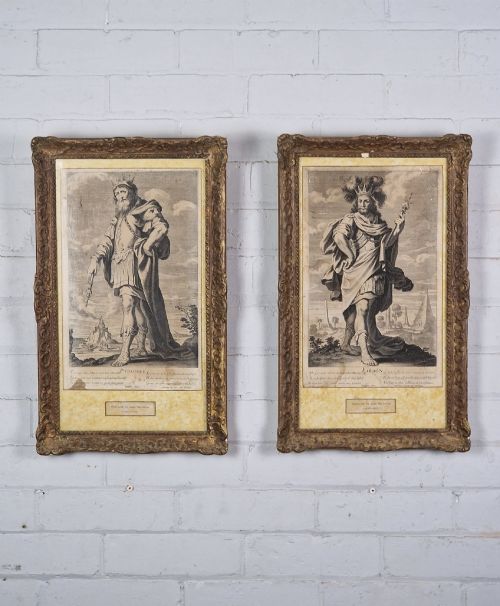
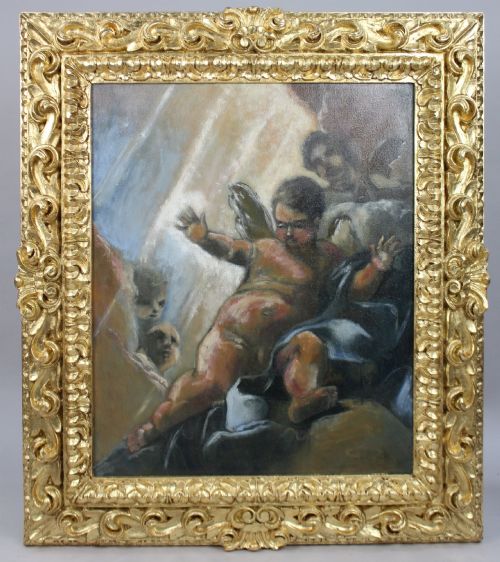
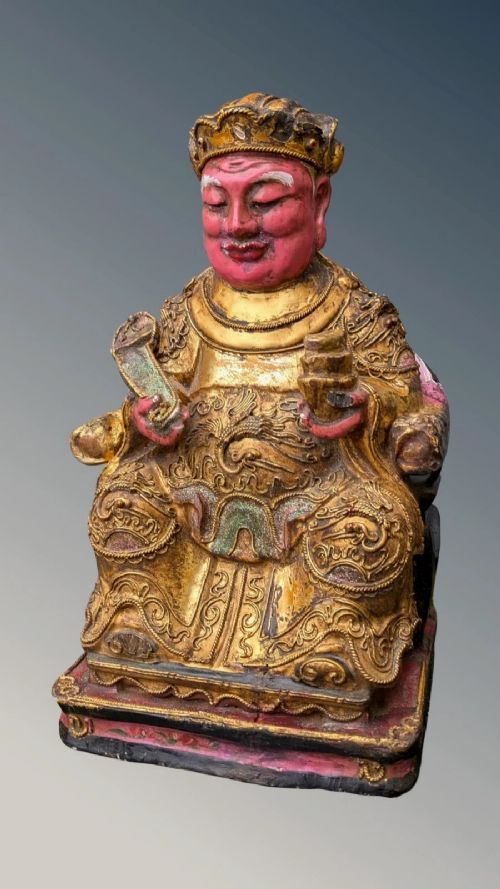
European examples frequently display Christian iconography, such as depictions of Saint Barbara, Saint Francis, or divine groups set within giltwood frames. Asian examples present Satsuma bijin, Chinese deities, and Burmese Buddhas finished in gold paint or leaf.
Materials and Technique
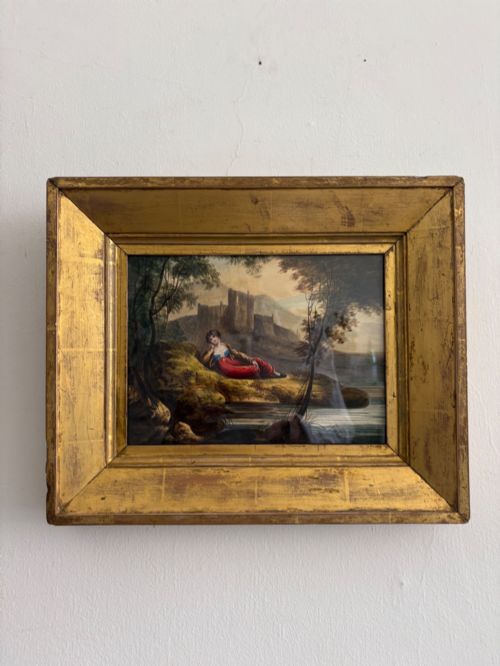
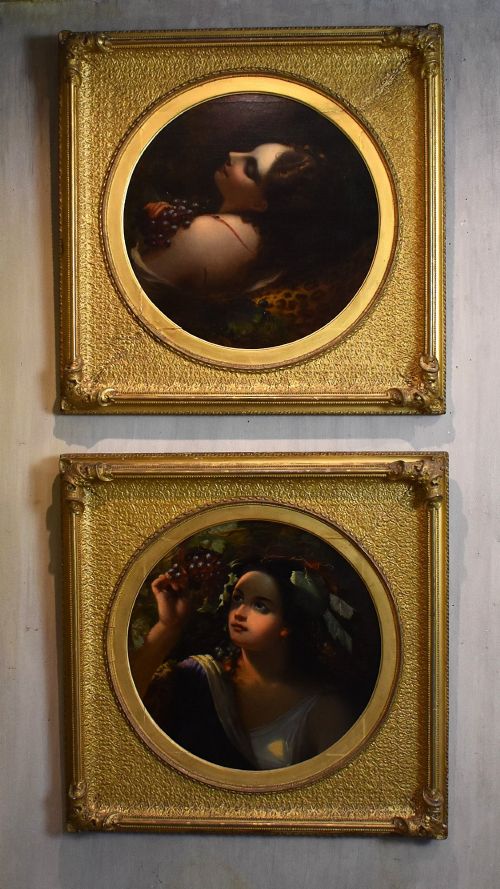
The creation of these objects relies heavily on carved timber, gesso, and stone as structural foundations, upon which delicate layers of gold leaf or parcel-gilt paint are applied. Giltwood and carved wood surfaces often receive a preparatory layer of gesso to smooth the grain before gilding.
Certain figurative works combine carved timber with polychrome paintwork, blending pigments directly beneath or alongside the gold leaf finish. Bronze and brass variants utilise casting techniques, subsequently finished with applied gilding or gilt bronze components.
Listings feature items spanning the 16th century to the mid-20th century, utilising materials such as carved wood, giltwood, stone, and porcelain.
Craftsmanship and Preservation
Quality within this category rests upon the precision of the initial carving and the intactness of the surface gilding. Masterful handling of anatomical detail in wooden or stone subjects distinguishes finer studio output from utilitarian production.
The preservation of original polychrome and gold leaf surfaces heavily influences the standing of a piece. Examples retaining their untouched historic patination and original painted detailing command greater regard among collectors.
Pierre Philippe Thomire·Theodore Jensen·Johann Hamza·Henry John Yeend King·Cornelis Van Poelenburgh·David Bates·Alexis De Leeuw·Richard Wilson
The Gold Leaf Figure Glossary
- Gold leaf
- Extremely thin sheets of beaten gold applied to the surface of wood, stone, or metal objects. This technique provides a luminous, durable metallic finish.
- Giltwood
- Timber that has been coated with gold leaf or gold paint. It appears frequently in frames and decorative figures from various European periods.
- Polychrome
- The practice of decorating architectural elements, sculptures, or pottery in a variety of colours. It is frequently found combined with gilding on historic religious carvings.
- Shabti
- A funerary figurine used in ancient Egyptian religion to work for the deceased in the afterlife. Examples found in later collections often date from Grand Tour revivals.
- Parcel-gilt
- An object or frame where only specific parts are gilded while other areas reveal the underlying wood or paint. This technique creates visual contrast across the sculpture.
Gold Leaf Figure: Frequently Asked Questions
What is a gold leaf figure?
A gold leaf figure is a sculptural work finished with thin beaten sheets of gold on materials like wood, stone, or bronze. These objects include religious statues, decorative brackets, and cultural icons from European and Asian traditions.
They serve primarily as decorative artworks, devotional pieces, or historical artefacts. Collectors display them to introduce metallic warmth and historic craftsmanship into interiors.
How were antique figures gilded?
Artisans typically prepared a wooden or stone base with layers of gesso before applying size as an adhesive. Gold leaf was then carefully laid across the surface and burnished to a brilliant shine.
Alternative methods included parcel-gilt painting, where gold was applied selectively alongside polychrome pigments. This technique added depth and liturgical significance to religious carvings.
How do I date a gilded figure?
Dating relies upon stylistic markers, carving techniques, and the underlying material composition of the piece. Renaissance and Baroque figures display different facial carving conventions and drapery styles compared to Victorian or twentieth-century creations.
Examining the gesso and the wear patterns on the gold leaf helps determine age. Historic preparation layers oxidise and craze naturally over centuries of exposure.
Where should I place these figures?
These sculptures suit locations away from direct sunlight and excessive moisture to protect delicate gold leaf and polychrome finishes. Placing them on stable consoles, mantels, or within dedicated cabinet displays ensures physical security.
Pairing gilded sculptures with neutral backgrounds allows the metallic reflection to stand out. Proper interior lighting enhances the carved contours and textured surfaces.