



Antique Venetian Sculpture
These antique venetian sculpture pieces bring dramatic carved detail and historic presence into a room, capturing centuries of Italian artistry.
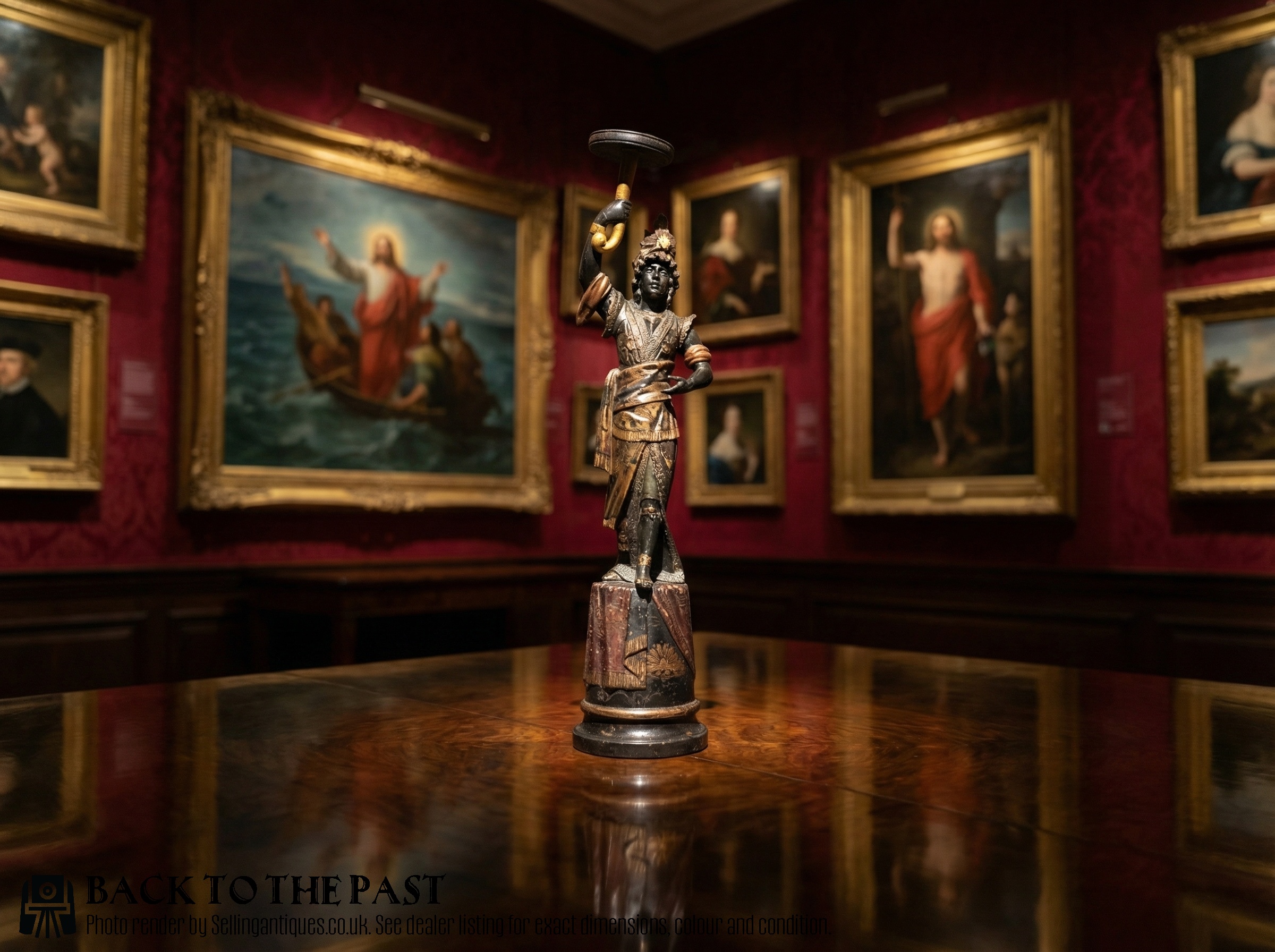
Antique Venetian Sculpture
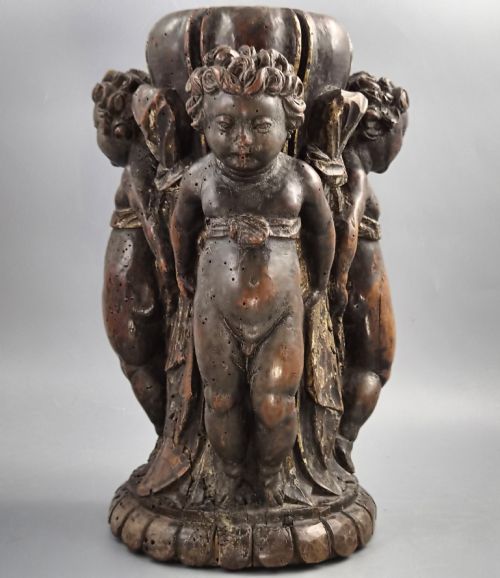
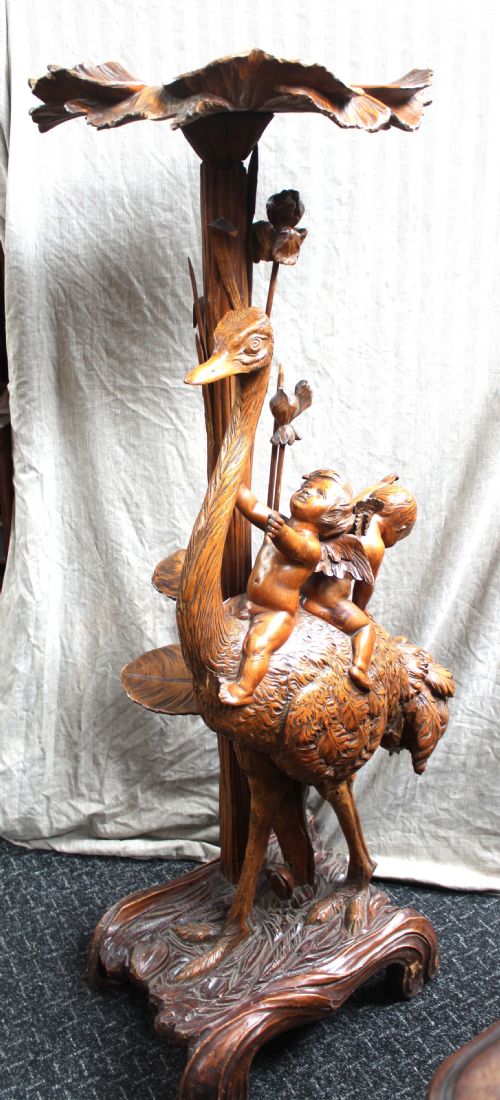
When you search for antique venetian sculpture, you encounter a dramatic array of figural works, torchieres, and architectural carvings. These pieces range from grand seventeenth-century walnut bases featuring multiple putti to nineteenth-century polychrome figures and grand tour bronzes.
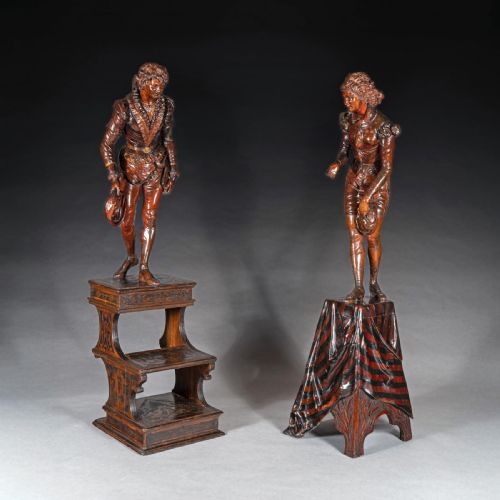
The objects on this page frequently take the form of blackamoor figures, winged lions of St Mark, and decorative standards designed to hold lights or display items. You are most likely to meet nineteenth-century polychrome painted wooden figures on stands, alongside bronze animals and marble panels.
The origins span across distinct historic periods, including the Georgian era, the Victorian period, and the Edwardian years. Makers and workshops from these times drew upon Venetian Baroque, Italian Renaissance Revival, and Neoclassical styles to create works of striking visual impact.
Materials and construction
Wood serves as the primary medium for these figures, with walnut and ebonised timber providing dense foundations for intricate carving. Artisans applied layers of gesso to smooth wooden surfaces before adding intricate details and structural support.
Colour and surface decoration play a central role, utilising gold leaf for parcel-gilt highlights alongside rich polychrome paint. Bronze and serpentine or sienna marble appear in smaller sculptural works and Grand Tour pieces, offering varied textural contrast.
Venetian artisans possessed a wonderful habit of turning everyday lighting stands into theatrical musicians and attendants holding trays.
Assessing craftsmanship and condition
Quality in these works rests upon the crispness of the carving and the preservation of original surface finishes. Superior examples display depth and anatomical precision in the figures, whether depicting putti or human forms.
The survival of original polychrome paint and gold leaf elevates a piece significantly. Finer items retain their early gilding and paint without heavy over-painting, whereas lesser examples suffer from later, unsympathetic surface renewals.
Valentino Besarel
The Antique Venetian Sculpture Glossary
- Gesso
- A plaster-like mixture applied to wood to create a smooth surface for gilding or painting. It provides the crisp base necessary for fine sculptural detail.
- Polychrome
- Painted in several colours. This finish distinguishes many Venetian figures with vibrant hues and naturalistic flesh tones.
- Torchiere
- A tall ornamental stand designed to carry a light or candle. These architectural supports often take figural forms in Venetian design.
- Putto
- A figure of a small chubby male child, frequently winged, seen in Baroque carvings. These motifs add movement and theatricality to furniture and bases.
- Grand Tour
- The traditional trip of Europe undertaken by upper-class Europeans. Souvenirs from these journeys included small bronzes and marble panels.
Antique Venetian Sculpture: Frequently Asked Questions
What are blackamoor figures?
Blackamoor figures are decorative carvings depicting human figures from African or Moorish backgrounds, often dressed in ornate, exotic clothing. In Venetian tradition, they frequently serve as torchieres, stands, or waiters.
These sculptures date largely to the nineteenth and early twentieth centuries, reflecting a long-standing European taste for exoticism and theatrical interior decoration.
How were torchiere stands used?
Torchiere stands functioned primarily as lighting supports, holding candles, lamps, or large candelabra. Their height allowed them to cast light effectively across large rooms.
Over time, many of these stands evolved into purely decorative pedestals or display surfaces for other works of art within grand interiors.
How do I identify a Grand Tour piece?
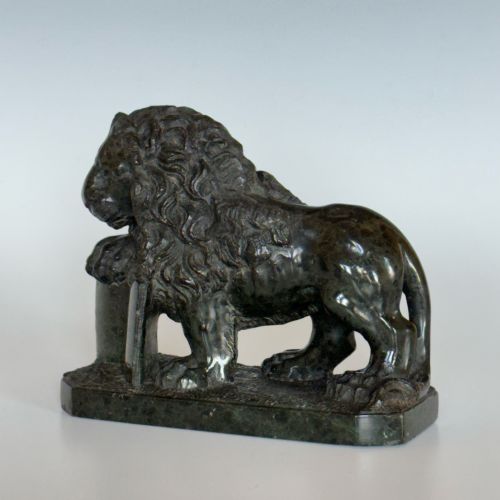
Grand Tour sculptures typically comprise small bronzes or carved marble panels purchased by travellers visiting Italy. Common subjects include the Lion of St Mark and classical architectural motifs.
These items date predominantly from the nineteenth century and demonstrate high levels of reduction work, capturing large monuments in portable formats.
Is original polychrome paint important?
Original polychrome paint preserves the intended aesthetic and historic integrity of Venetian wood sculpture. Surviving early paint schemes show the true palette used by the makers.
Pieces retaining their original surface finish command greater interest from collectors than those with extensive modern repainting or stripped timber.