


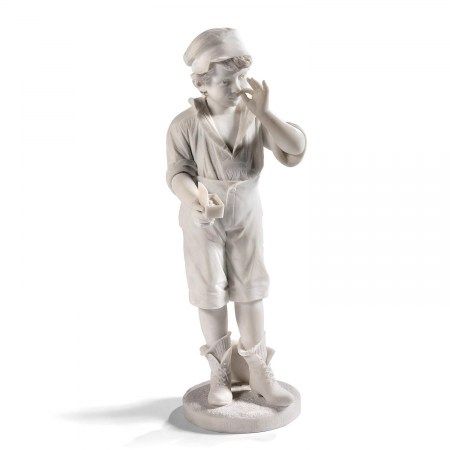
Italian Carved Figurine
These italian carved figurine works capture classical grace and devotional craft, offering enduring sculptural presence for your interior.
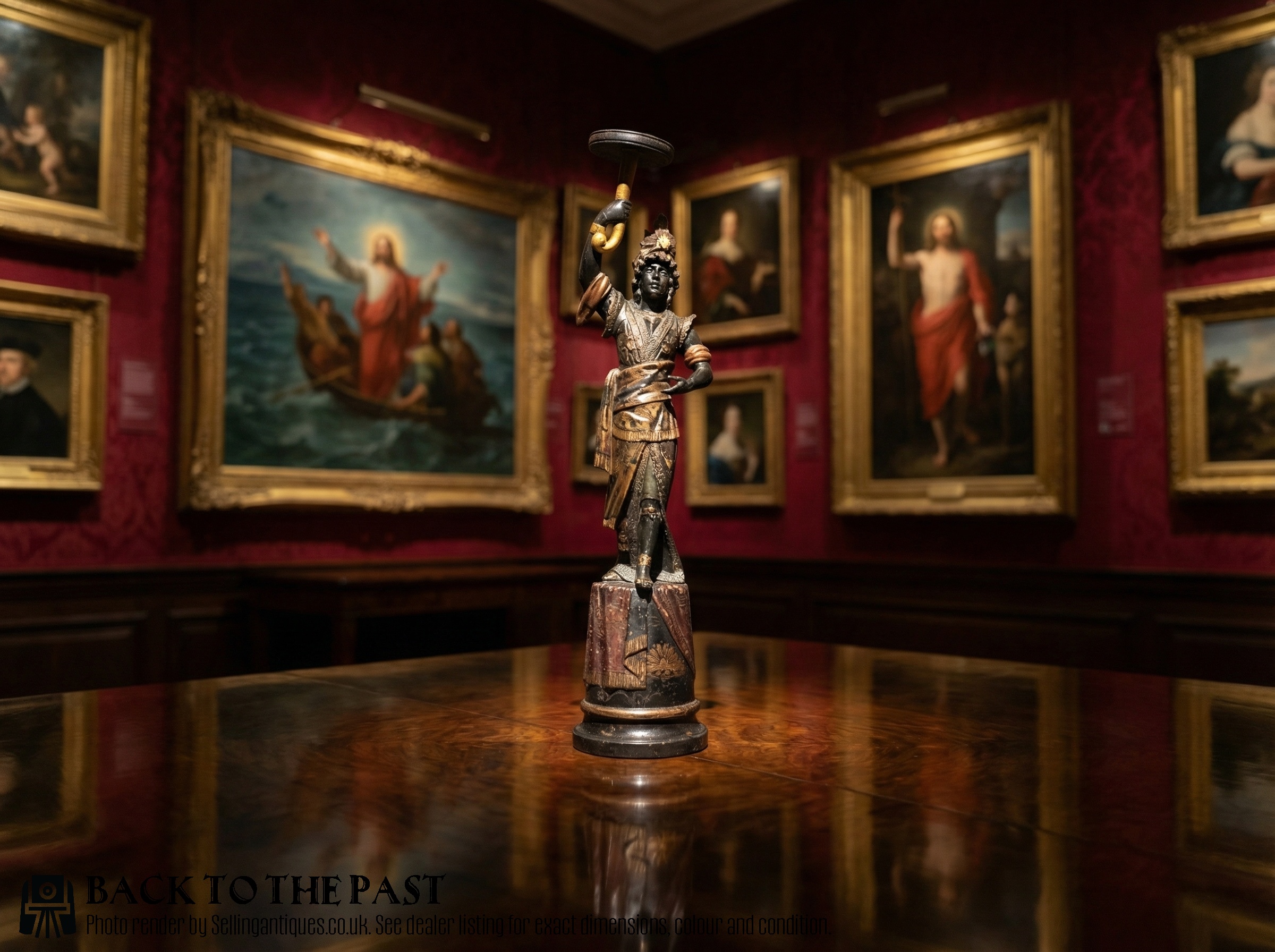
Italian Carved Figurine
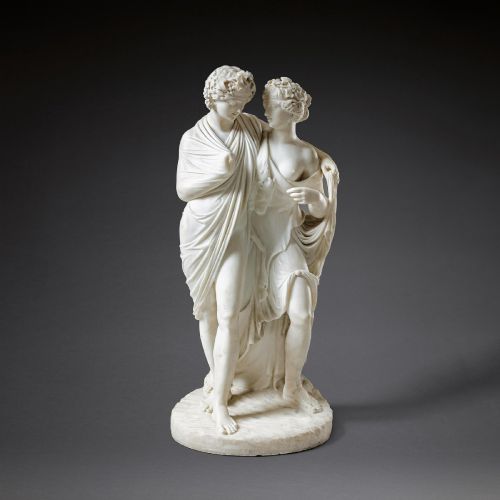
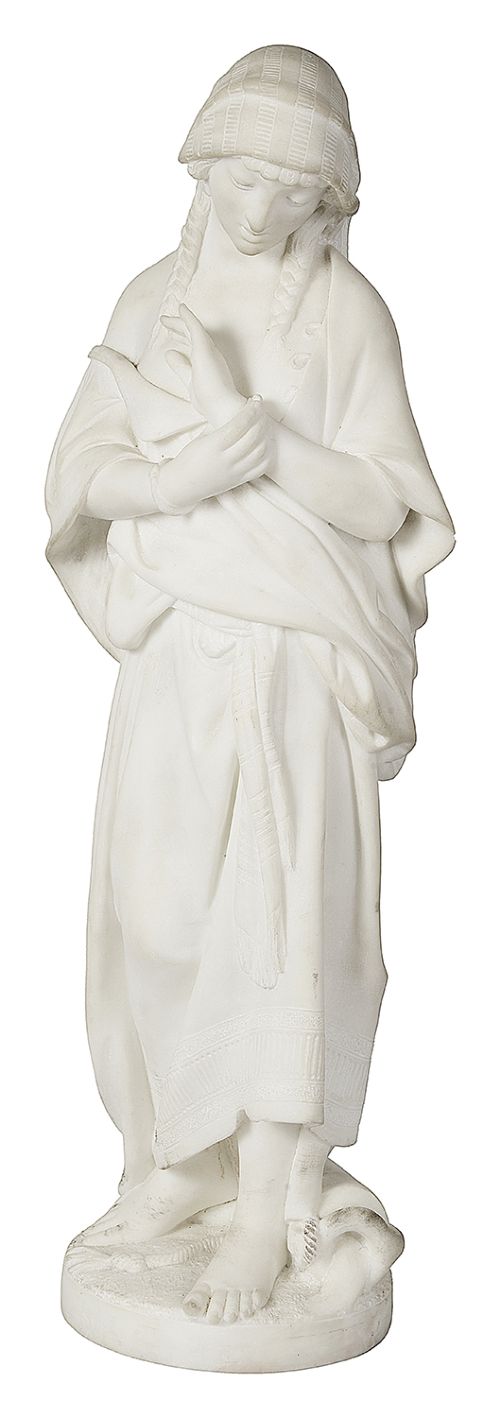
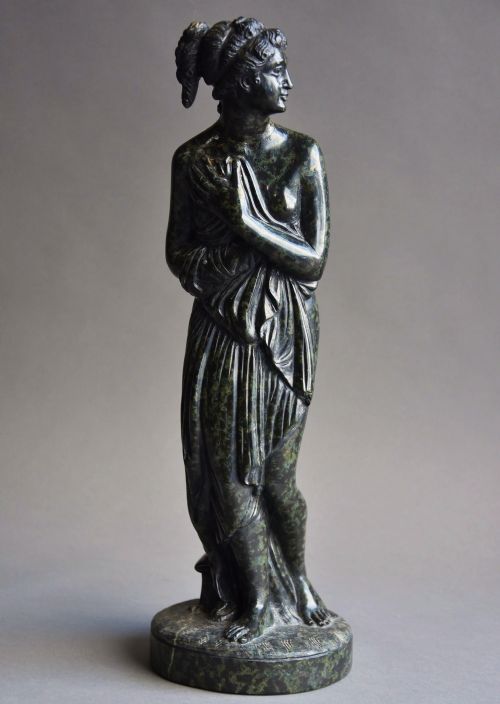
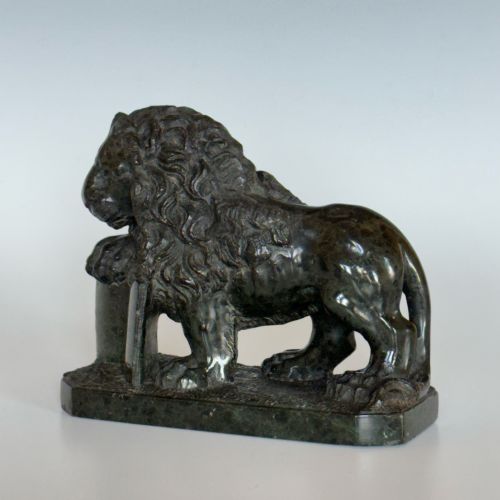
When you search for an italian carved figurine, you encounter sculptural works ranging from Grand Tour classical subjects to devotional figures and decorative bookends. The pieces appearing here predominantly date from the nineteenth century into the early twentieth century, spanning Victorian and Edwardian periods alongside earlier eighteenth-century examples.
The subjects cover mythological figures, allegorical groups, portraits of young children, and saints. You will find grand gallery statues alongside smaller decorative items intended for domestic display.
Origins trace through Florentine studios and Venetian workshops, reflecting both academic Neoclassical traditions and regional folk art expressions.
How they were made
Makers shaped these pieces primarily from translucent alabaster, fine white marble, and Carrara marble, alongside serpentine and carved woods such as olive wood.
Sculptors employed traditional chiselling, rasping, and polishing techniques by hand, frequently combining carved stone with bronze or mounting figures on contrasting portoro marble bases. Certain wooden and figural pieces also received polychrome and silvered paint finishes.
The documented object types range from monumental figural groups and portrait busts to functional bookends and torcheres.
What varies in quality
Quality rests upon the sensitivity of the carving and the fidelity of the form, particularly in works executed after antique models or classical masters. Finer examples display meticulous anatomical precision, delicate drapery folds, and careful finishing of subtle facial expressions.
The selection of the raw material itself dictates distinction, with flawless translucent alabaster or pure white Carrara marble elevating a piece far above standard commercial production.
Carlo Albacini·Barranti·Antonio Canova·Antonio Frilli·Pugi·Ferdinando Vichi·P. Emilio Fiaschi·Gory·A. Cipriani
The Italian Carved Figurine Glossary
- Grand Tour
- Souvenirs and classical replicas acquired by wealthy travellers touring European cultural centres during the eighteenth and nineteenth centuries. These portable marbles and alabasters translated ancient sculpture into domestic scale.
- Alabaster
- A fine-grained, translucent stone favoured by Italian sculptors for its soft appearance and suitability for delicate detail. It allows light to penetrate slightly beneath the surface.
- Carrara marble
- High-grade white or blue-grey marble quarried in the city of Carrara in Tuscany. It served as the primary medium for monumental European sculpture for centuries.
- Polychrome
- Decoration executed in multiple colours, often applied to wood or plaster figures. This technique added lifelike realism to religious and folk art sculptures.
- Portoro marble
- A distinctive black Italian limestone featuring dramatic gold veins. It frequently serves as a contrasting base for mixed-media sculptures.
Italian Carved Figurine: Frequently Asked Questions
How do I care for alabaster figures?
Alabaster is a relatively soft and porous stone that dissolves in water and absorbs oils easily. You should clean it only with a dry, soft microfiber cloth.
Keep these sculptures away from direct sunlight and damp environments to preserve the delicate surface polish and prevent discoloration.
Are these sculptures signed?
Many nineteenth and early twentieth-century Italian sculptures bear signature incisions or stamps from the artist or the Florentine and Venetian studios that produced them. Signatures often appear along the marble base or the rear of the figure.
Unsigned pieces remain common, particularly among anonymous folk art carvings and standard Grand Tour workshop outputs.
What distinguishes Carrara marble?
Carrara marble is a high-grade metamorphic rock quarried in Tuscany, renowned for its bright white ground and subtle grey veining. Sculptors favoured it for its uniform crystal structure.
This material permits fine chisel work and takes a high, smooth polish that mimics human skin in figurative compositions.