
Upholstered Ottoman Bench
An upholstered ottoman bench brings generous seating and surface utility to a room, appearing in forms from long buttoned nineteenth-century stools to compact Art Deco designs.
Upholstered Ottoman Bench
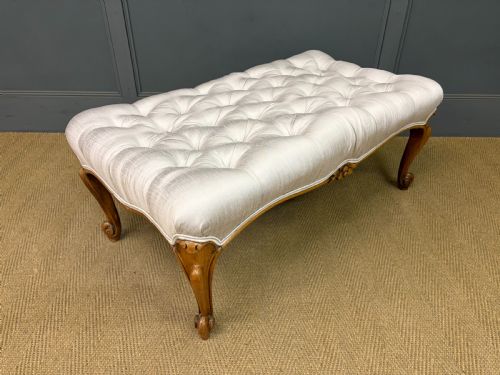
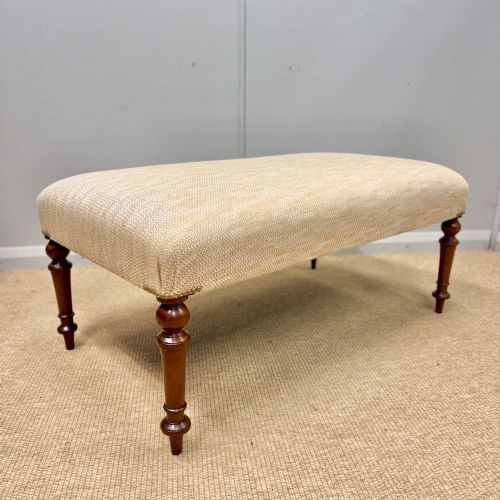
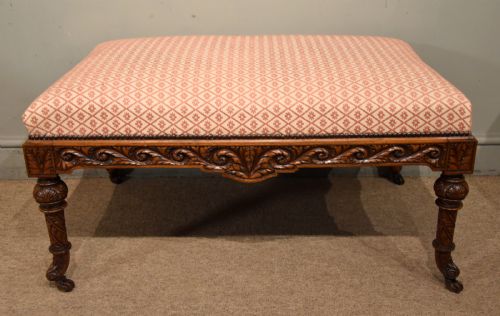
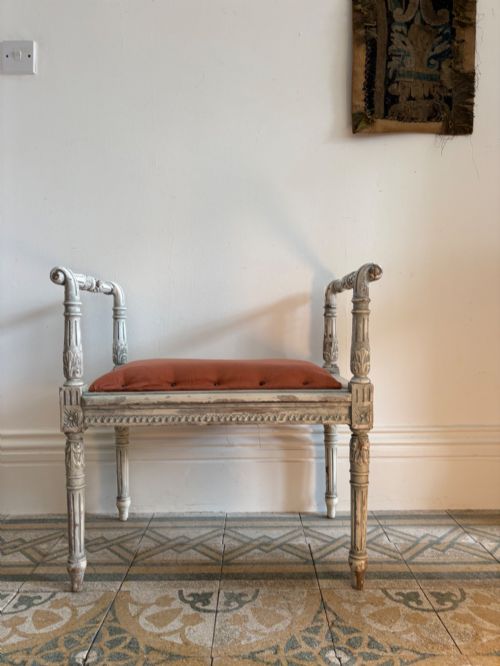
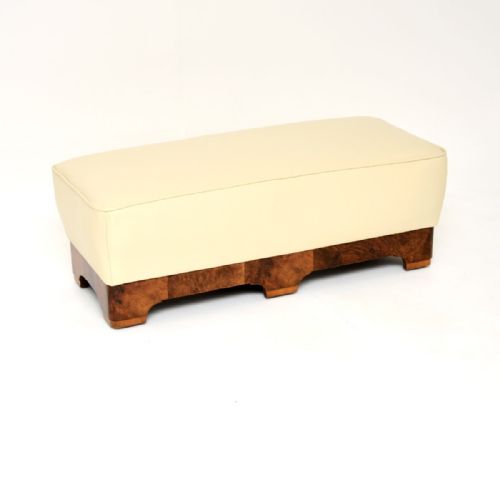
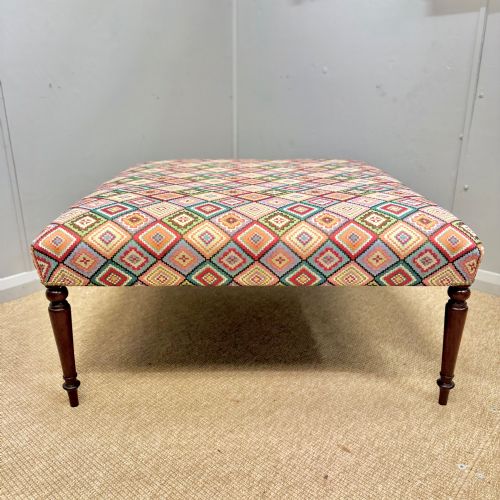
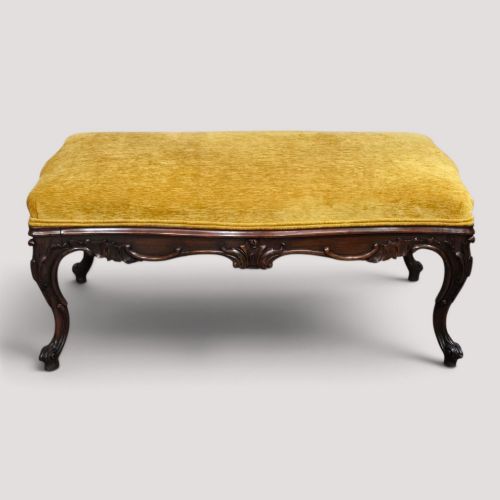
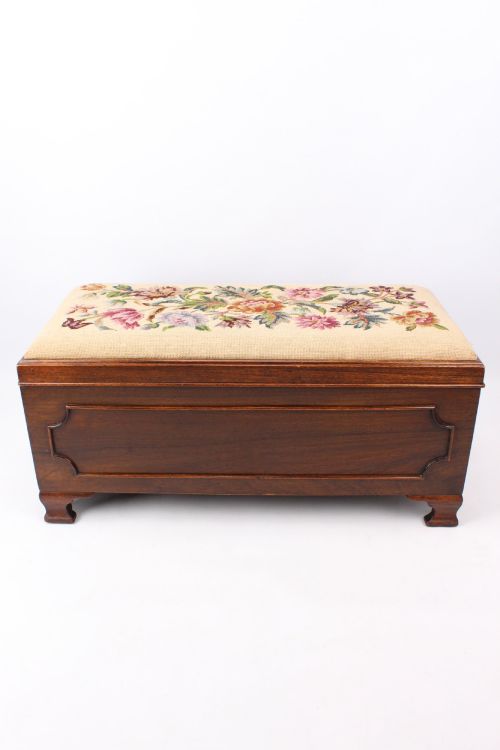
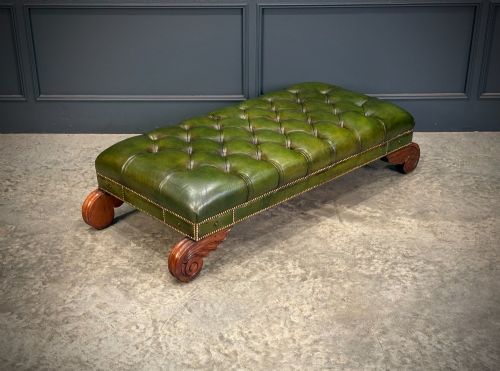
An upholstered ottoman bench serves multiple purposes in interior spaces, functioning as a seat, a footrest, or a low table depending on its proportions. When searching for an upholstered ottoman bench, buyers encounter a wide variety of forms ranging from grand nineteenth-century long stools to compact twentieth-century dressing table seats.
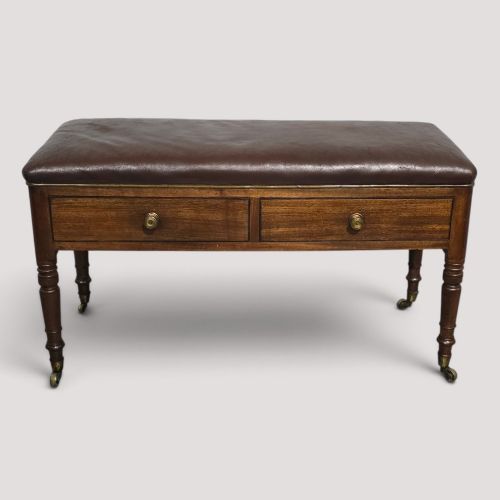
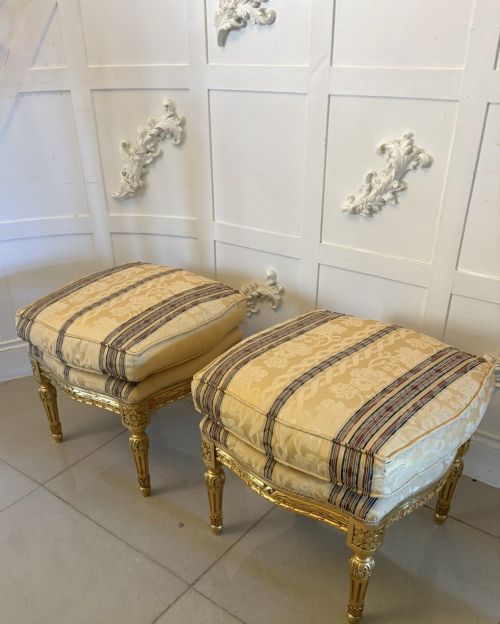
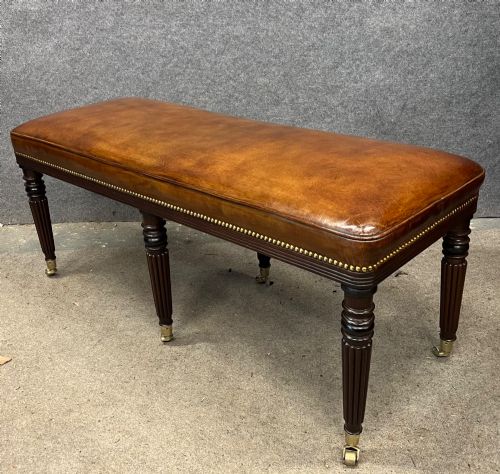
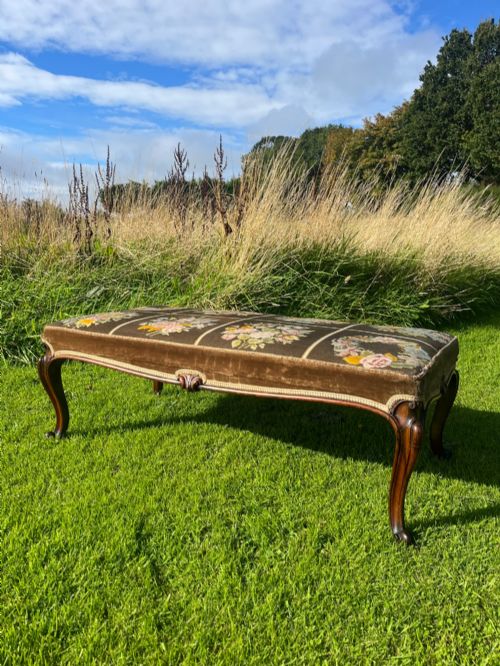
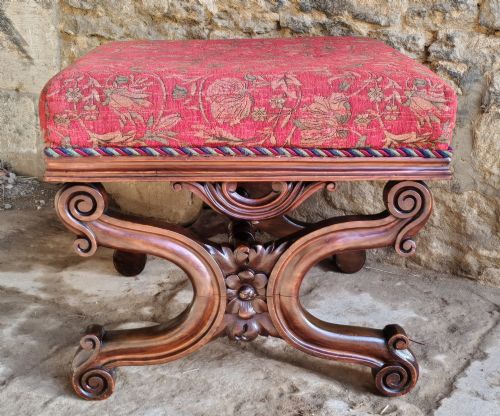
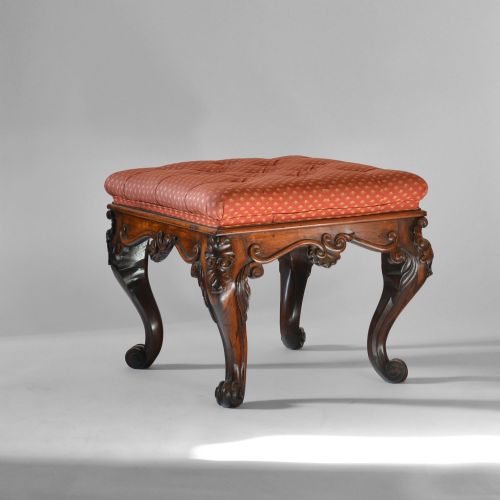
The pieces listed here span the nineteenth century up through the nineteen-thirties, taking shapes such as window seats, dressing stools, and large centre stools. Materials vary considerably, incorporating timbers like mahogany, walnut, rosewood, and oak alongside leather, linen, silk, and needlework coverings.
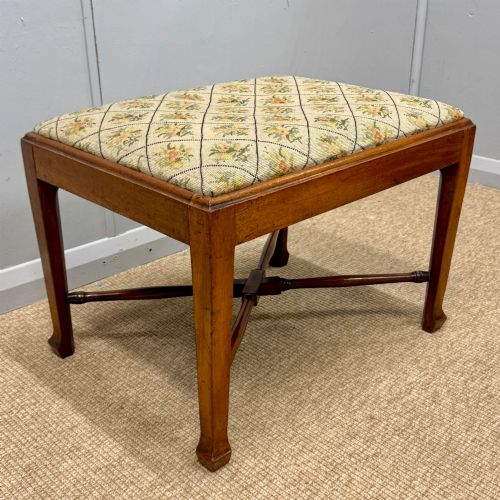
Stylistic influences stretch across Victorian, Regency, Art Deco, William IV, and regional interpretations like Anglo-Indian and Swedish designs. Many examples feature detailed woodwork, including carved cabriole legs, cross stretchers, and brass castors.
Distinguishing quality across examples
Quality in these pieces is dictated by the crispness of the timber carving and the architectural proportion of the frame. Superior examples display carefully selected grain patterns in veneers such as burr walnut or rosewood, paired with precise joinery that maintains stability without excessive bulk.
The standard of upholstery work and the choice of covering material heavily influence the overall execution. Pieces retaining appropriate historic textiles or high-end contemporary specialist fabrics demonstrate greater consideration in their presentation.
The listings feature diverse timber frames spanning mahogany, walnut, rosewood, oak, and maple, paired with upholstery from leather and linen to silk.
Harry & Lou Epstein
The Upholstered Ottoman Bench Glossary
- Cabriole leg
- A furniture leg that curves outward at the knee and tapers inward toward the foot, often ending in a pad or scroll. This form draws inspiration from animal limbs and appears frequently on eighteenth and nineteenth-century seating.
- Cross stretcher
- An intersecting wooden brace positioned between the lower legs of a stool or bench to provide structural rigidity. These supports frequently feature turned components or a central finial.
- Buttoned
- An upholstery method where deep indentations are formed across the padded surface using stitches secured by fabric-covered buttons. This technique creates a diamond pattern that keeps internal stuffing evenly distributed.
- Window seat
- A long, narrow form of bench designed specifically to fit the architectural recess of a window. These pieces often lack backs or feature low, scroll-end arms.
- Needlework
- Hand-stitched textile work using yarn or thread upon a canvas mesh, frequently employed as a durable and decorative seat cover on antique stools.
Upholstered Ottoman Bench: Frequently Asked Questions
What is an upholstered ottoman bench used for?
These versatile pieces serve primarily as footrests, extra seats in living spaces, or dressing table stools. Some variants also incorporate internal storage beneath the seat for domestic items.
Their low profile allows them to sit comfortably at the foot of a bed or beneath a window without obstructing natural light or views.
How do I date an antique stool?
Dating relies on examining the secondary timbers, the style of the leg carving, and the assembly methods used within the frame. Regency and Victorian pieces often show distinct turns, veneers, and wood choices characteristic of their decades.
Upholstery materials and tack types can also provide clues, though many pieces have been recovered or restored during their lifespan.
What is the difference between a stool and an ottoman?
While the terms often overlap in listings, stools typically feature exposed wooden frames and legs supporting a padded top. Ottomans historically leaned towards fully upholstered bodies, sometimes housing storage compartments within.
Both forms share similar functional roots as auxiliary seating and foot support within domestic interiors.
Are these pieces suitable for everyday use?
Most antique frames are constructed from durable hardwoods like mahogany or walnut designed to withstand regular weight. Proper maintenance of the joints ensures structural integrity remains sound.
When fitted with sturdy contemporary or period-appropriate upholstery, they function reliably in modern living spaces.