

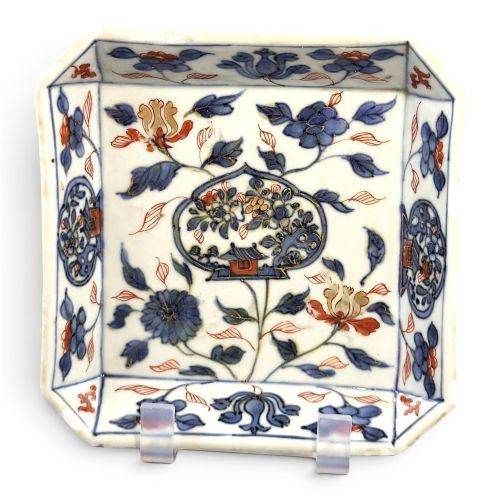
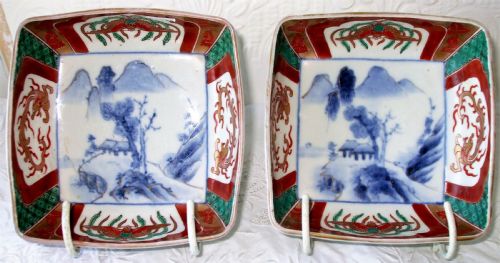
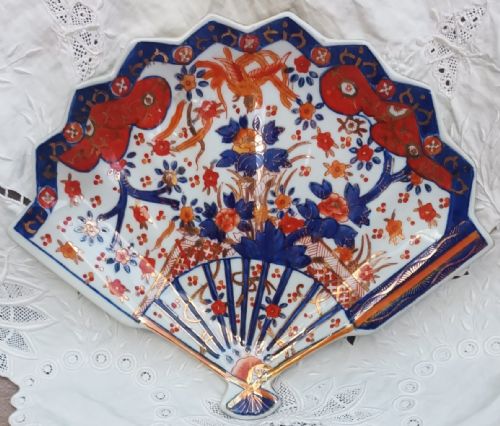
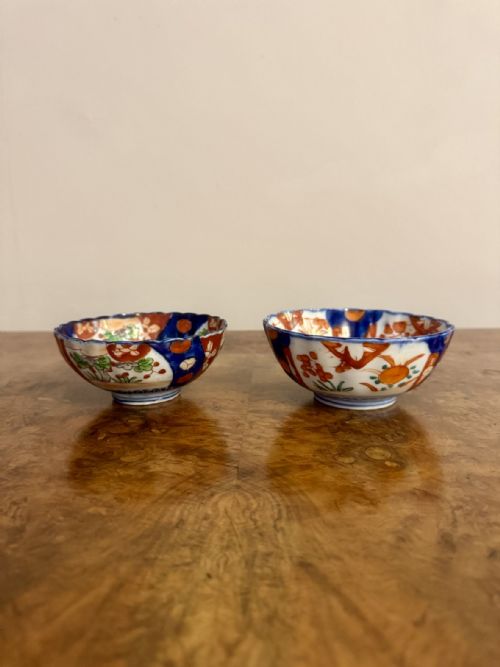
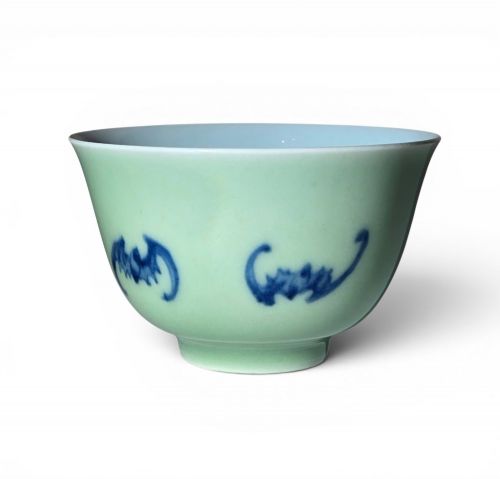
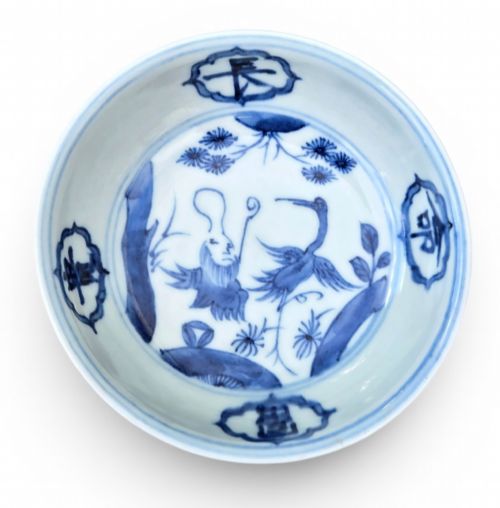
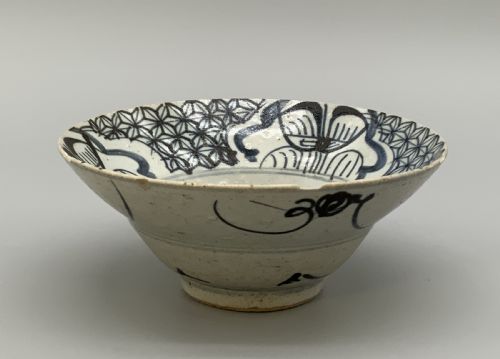
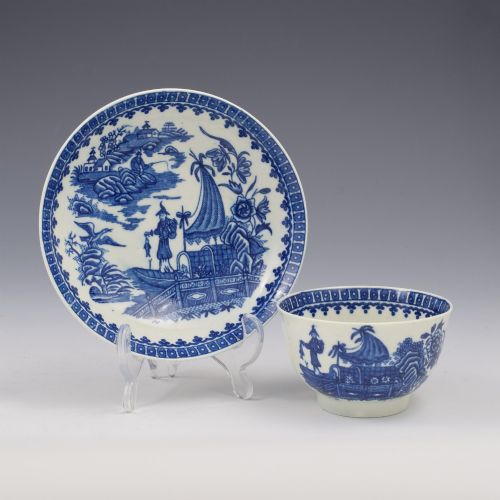
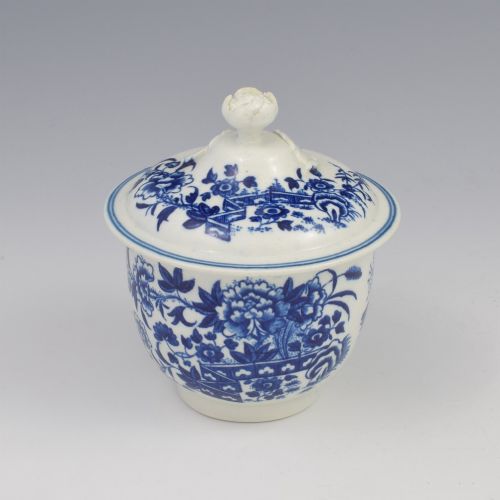


Underglaze Blue Porcelain Bowl
Underglaze blue porcelain bowl pieces bring enduring cobalt decoration and historic ceramic artistry straight to your table.
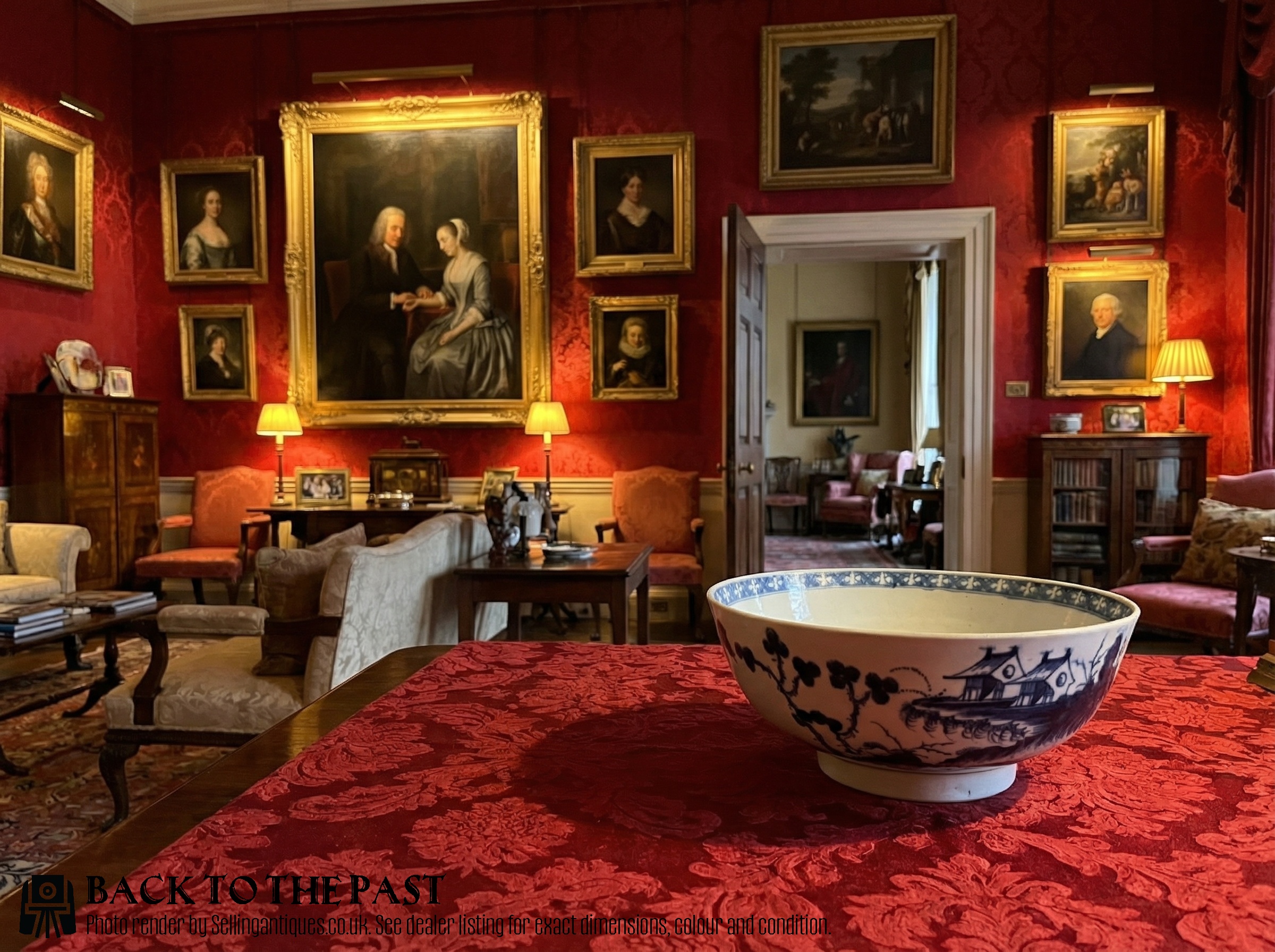
Underglaze Blue Porcelain Bowl
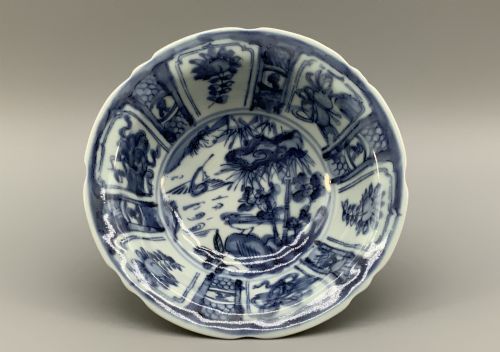
An underglaze blue porcelain bowl encompasses historic vessels decorated with cobalt pigment beneath a transparent glaze. Buyers searching this phrase encounter examples originating from Chinese dynasties, Japanese kilns, and eighteenth-century English factories.
The selections on this page lean heavily toward Chinese Kangxi and Ming output alongside Japanese Arita Imari production. English soft-paste porcelain tea bowls from factories such as Worcester also appear regularly among the offerings.
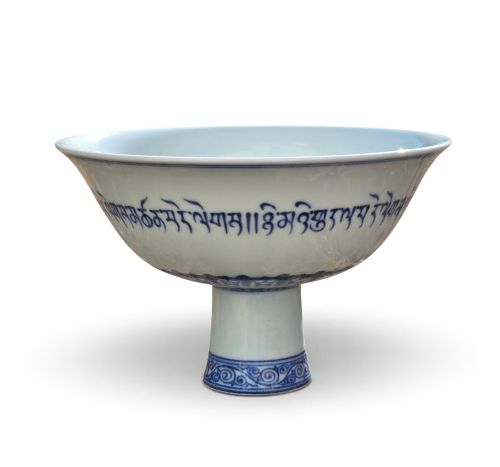
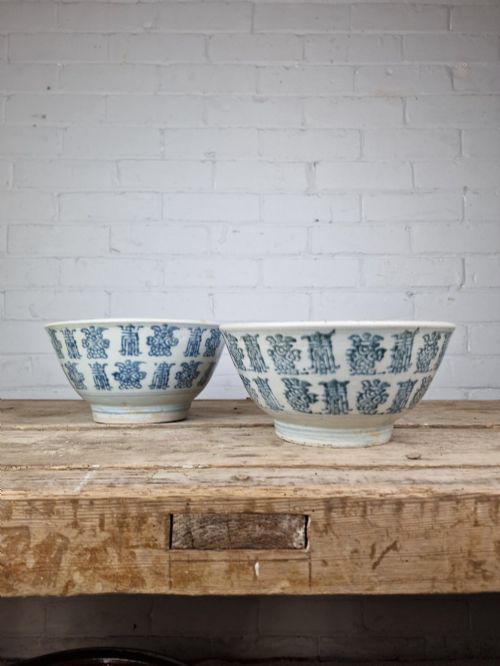
Forms range from deep punch bowls and delicate tea cups to large jardiniere planters and scalloped dishes. Provincial pieces sit alongside heavily decorated imperial wares across the centuries.
Materials and Techniques
Cobalt pigment provides the deep blue decoration, applied directly to the unbaked clay body before glazing and high-temperature firing. This mineral colour sinks into the paste, creating a permanent bond protected by a clear glossy finish.
Body compositions vary from dense Chinese hard-paste porcelain to English soft-paste alternatives containing glass frit and white clay. Japanese kilns utilised local mineral mixes to produce robust bodies suited for everyday domestic utility.
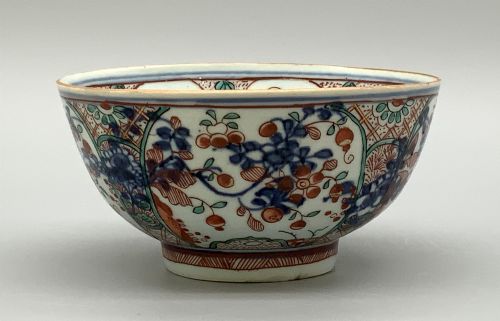
Overglaze enamels and gold leaf sometimes supplement the cobalt design, particularly in Japanese Imari pieces where iron red and gilt enrich the underglaze blue foundation.
Underglaze Blue Porcelain Bowl Retail Price Guide 2026
Typical asking prices for underglaze blue porcelain bowl among the pieces listed under this phrase on Sellingantiques today, from the lower quarter to the upper quarter. They describe what is for sale here now, not the wider market.
Several bowls bear restoration marks, proving that even historic tea drinkers dropped their favourite cups now and then.
Evaluating Quality
The clarity and depth of the cobalt pigment dictate visual success, ranging from blurred greyish washes to crisp cobalt tones with striking tonal variation. Brushwork execution separates hurried commercial production from precise imperial or factory output.
Body weight and potting thickness reveal manufacturing standards, with finer vessels achieving thin, translucent walls while retaining structural stability. Glaze purity matters greatly, as pooling, pitting, or excessive bubbles alter the finished lustre.
Design coherence across the interior and exterior surfaces indicates skilled planning by the potter and painter. Markings, whether reign characters or factory crescents, provide context but quality ultimately rests on the physical execution.
The Underglaze Blue Porcelain Bowl Glossary
- Underglaze
- A decorating technique where pigment is applied to the raw ceramic body before the glaze is added and fired. This protects the design beneath a glassy layer.
- Cobalt
- A metallic oxide pigment used to achieve blue decoration on ceramics. It withstands extremely high kiln temperatures without fading.
- Imari
- A style of Japanese export porcelain featuring underglaze blue combined with iron red and gold. Production centred around Arita from the Edo period onwards.
- Soft-paste
- A ceramic body composed of clay mixed with ground glass and other materials rather than true kaolin and petuntse. It fires at lower temperatures and appears warmer in tone.
- Doucai
- A Chinese porcelain technique combining underglaze blue outlines with overglaze enamel infills. The method gained prominence during the Ming and Qing dynasties.
- Kangxi
- A Chinese imperial reign period associated with exceptional porcelain refinement and vibrant cobalt painting. Pieces from this era often display fine potting and rich blue hues.
Underglaze Blue Porcelain Bowl: Frequently Asked Questions
Can I use an antique bowl for serving food?
Most antique porcelain handles dry foodstuffs perfectly well. Heavy acidic liquids or hot meals may stress older glazes and repair materials over time.
Displaying them as decorative objects keeps fragile pieces secure from kitchen knocks and accidental chipping.
What makes Imari bowls distinct from plain blue and white?
Imari ceramics incorporate iron red enamel and gold leaf alongside the cobalt underglaze blue. This creates a much warmer, multi-coloured palette compared to monochrome blue designs.
Japanese kilns produced these wares primarily for export to European markets during the Edo period.
How do I identify Chinese period marks?
Imperial reign marks appear on the base as six-character script naming the ruling emperor. These indicate the stylistic era of manufacture, though later revival periods also copied earlier marks.
Appraising the potting style, clay body, and cobalt tone alongside the mark confirms the actual age of the vessel.