


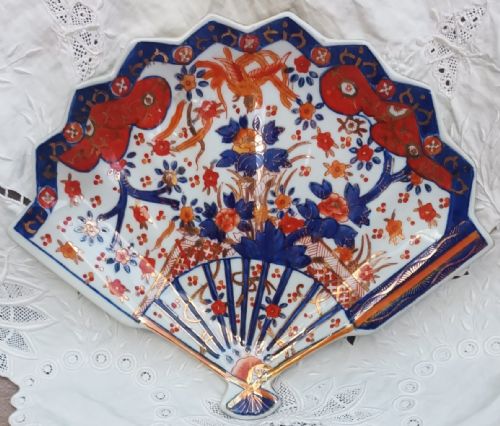
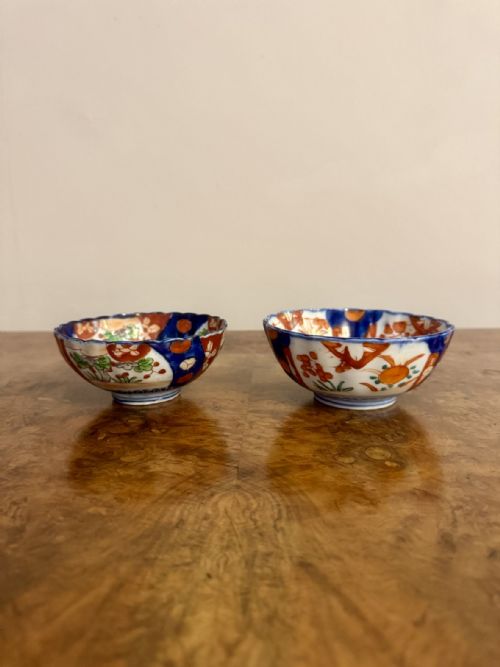
Underglaze Blue Dish
When you search for an underglaze blue dish, you enter a world of cobalt pigment brushed directly onto porcelain before firing.
Underglaze Blue Dish
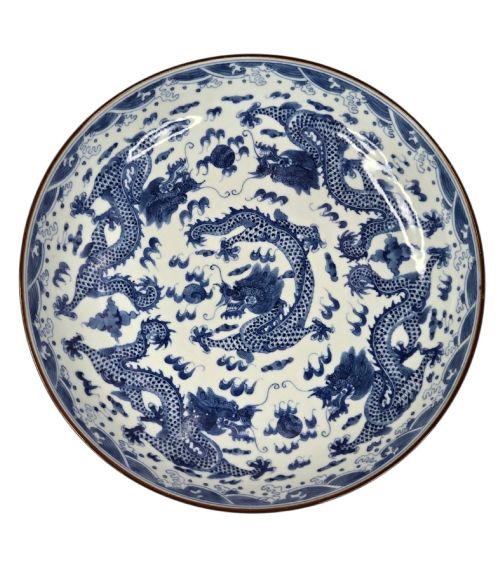
An underglaze blue dish is a ceramic piece decorated with cobalt pigment beneath a clear glaze, taking forms such as chargers, plates, bowls and platters.
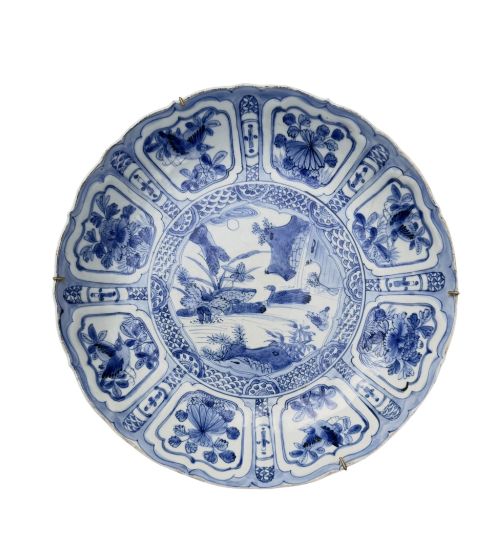
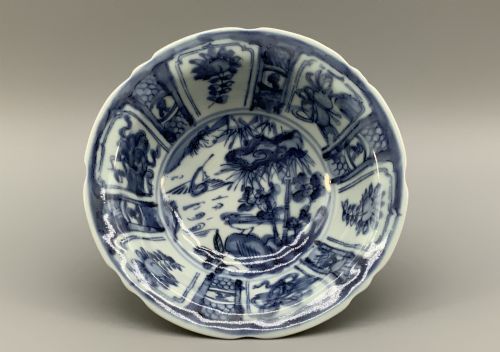
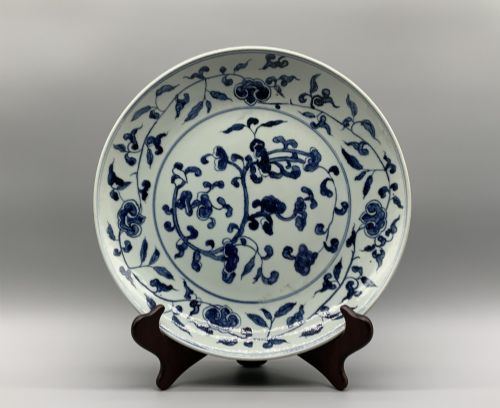
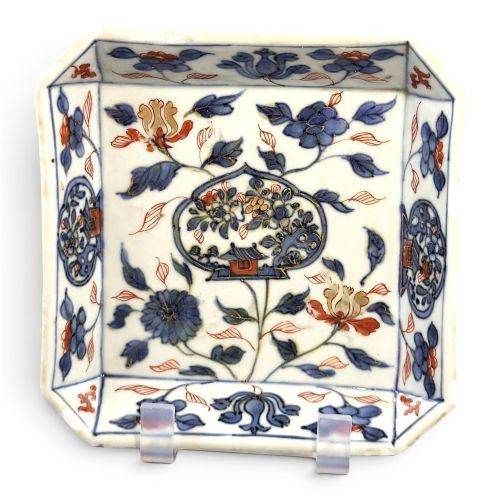
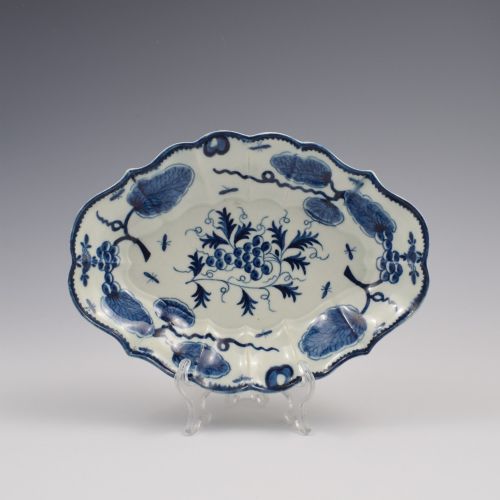
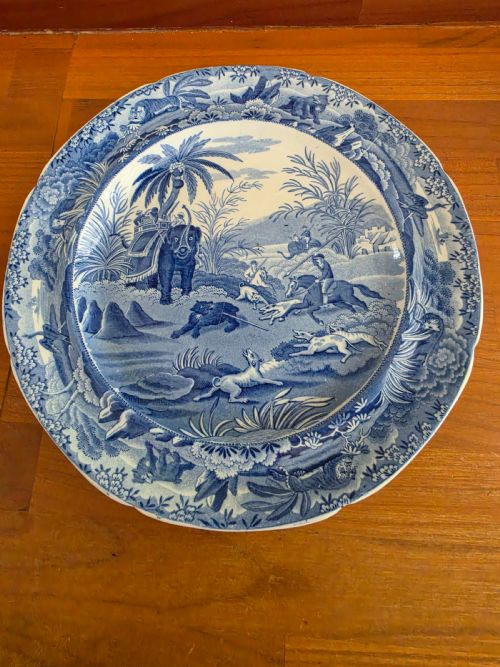
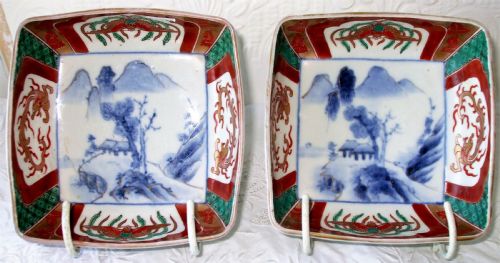
The pieces seen here span the 17th century, 18th century, 19th century and 1900, originating from Chinese, Japanese and English kilns.
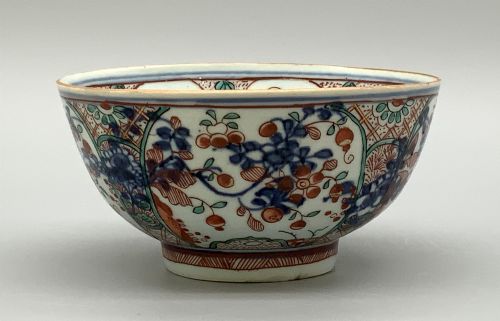
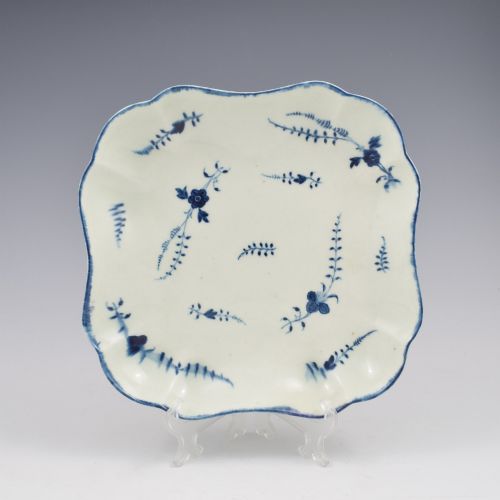
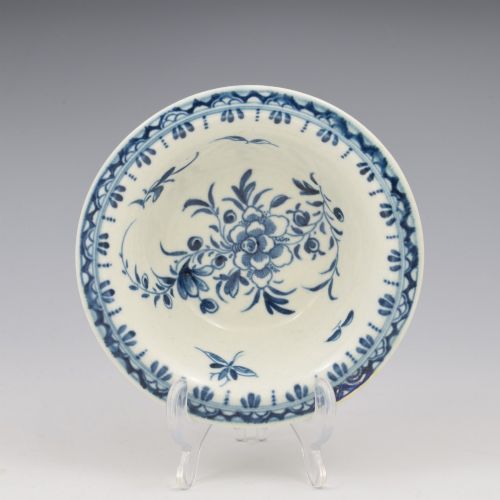
Chinese Export, Kangxi period, Ming dynasty and Japanese Imari examples populate the selection, alongside First Period Worcester wares.
How they were made
Makers applied cobalt pigment directly to the surface of porcelain, soft-paste porcelain or enamel before sealing the piece with glaze and firing it at high temperatures.
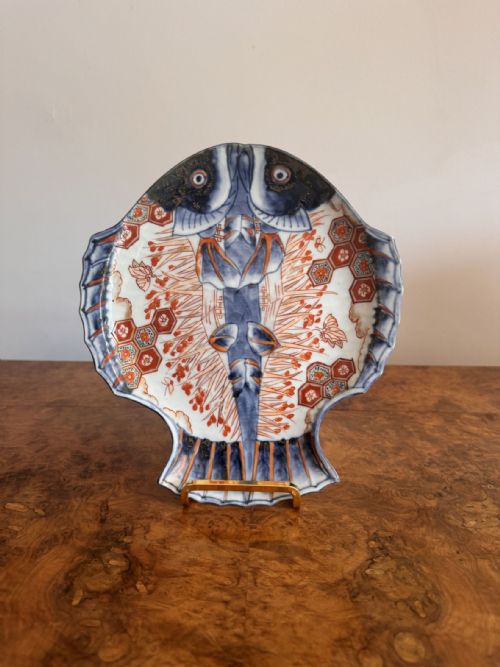
Certain Japanese and Chinese wares incorporate additional details in gold leaf or red and green enamels over the glaze following the initial firing.
Listings include porcelain pieces from the Kangxi period, Ming dynasty, and Japanese Meiji period alongside 18th-century Worcester.
What varies in quality
Quality depends on the crispness of the cobalt underglaze painting and the balance of the composition across forms like lobed bowls, scalloped plates and chargers.
The refinement of the porcelain body and the clarity of the glaze distinguish standard production wares from pieces bearing Kangxi marks or fine Ming dynasty details.
Dr Wall
The Underglaze Blue Dish Glossary
- Underglaze
- Decoration applied to unglazed pottery before a transparent glaze covers the surface.
- Cobalt glaze
- A metallic pigment used to produce deep blue designs beneath the final glass layer.
- Imari
- A style of Japanese porcelain decorated in underglaze blue, iron red and gold.
- Soft-paste porcelain
- A ceramic material composed of white clay mixed with ground glass, fired at lower temperatures than true porcelain.
- Charger
- A large decorative plate or platter intended for display or ceremonial use.
Underglaze Blue Dish: Frequently Asked Questions
What is an underglaze blue dish?
An underglaze blue dish is a ceramic plate, bowl or charger painted with cobalt pigment beneath a clear glaze.
These pieces range from Kangxi period Chinese porcelain to Japanese Imari and First Period Worcester wares.
How do I date an antique dish?
Dating relies on stylistic markers, materials such as soft-paste porcelain, and imperial marks found on the base.
Periods represented in these pieces span the seventeenth, eighteenth and nineteenth centuries.
What is Japanese Imari porcelain?
Japanese Imari porcelain is a style originating in Arita featuring underglaze blue combined with red and gold.
Many examples take the form of chargers, lobed dishes and scalloped plates.
Were these dishes used daily?
While some forms served practical dining functions, many larger chargers and platters were created for display.
Specialist items like pickle dishes and dessert dishes indicate specific culinary uses at the table.