



Turquoise Glazed Ceramic
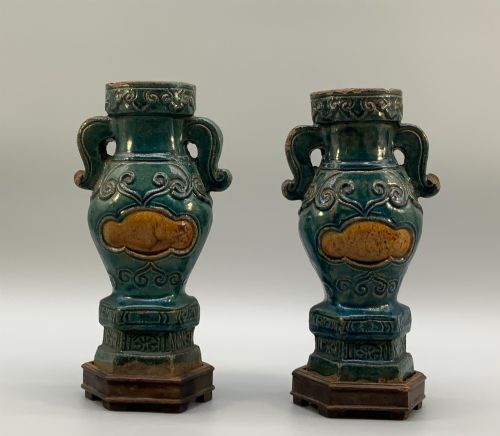
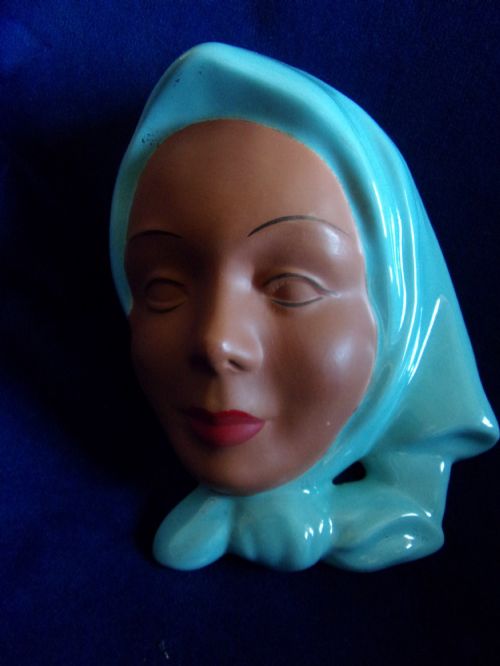
These turquoise glazed ceramic pieces range from Ming Dynasty vases to Art Deco wall masques, prized for their striking colour and historical breadth.
Turquoise Glazed Ceramic
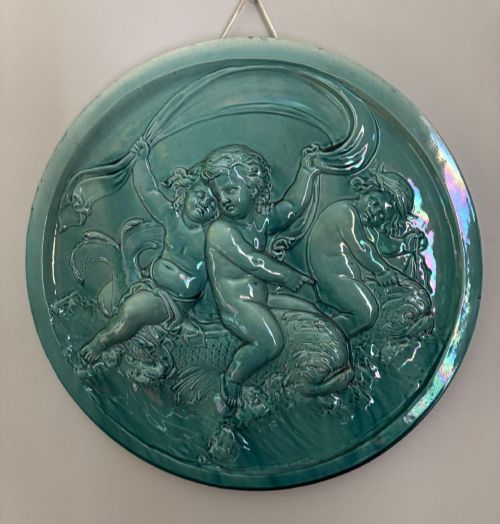
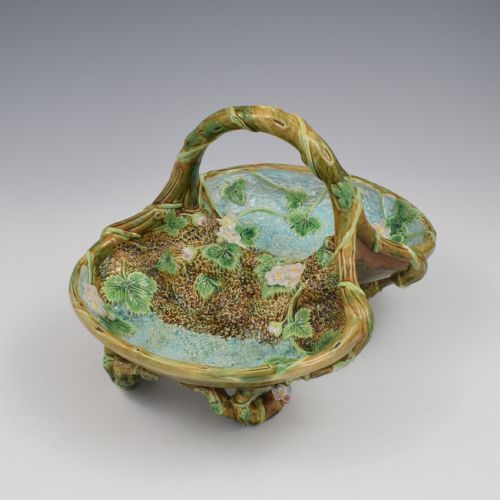
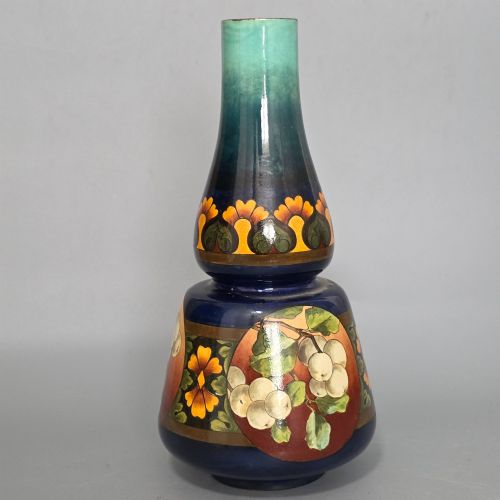
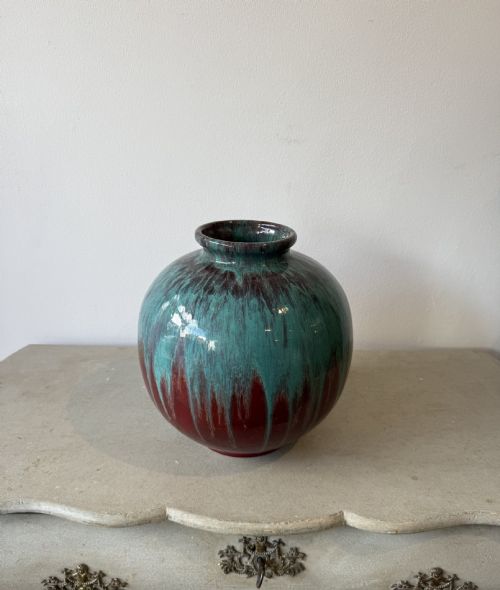
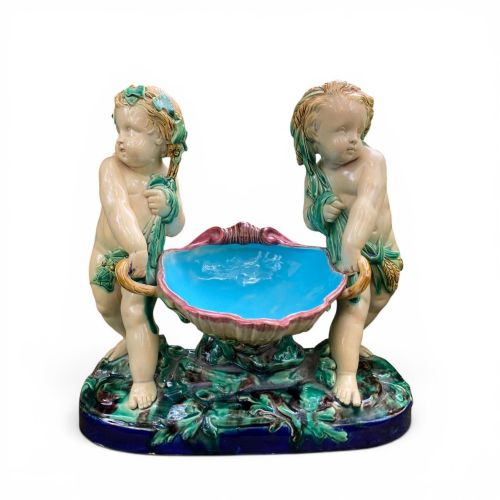
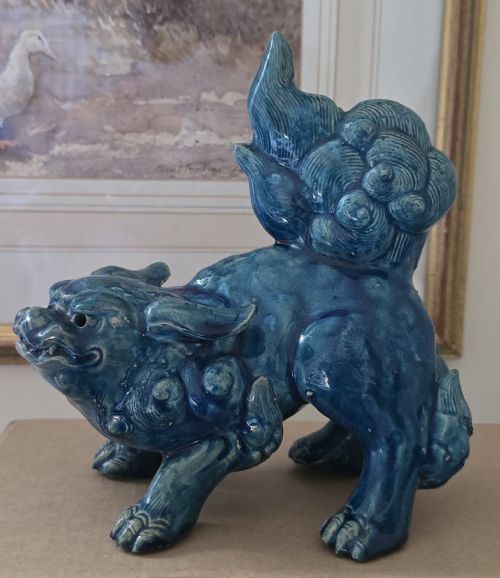
When you search for turquoise glazed ceramic, you enter a diverse field spanning centuries of global kiln production, from ancient Egyptian faience to Victorian majolica. These items take many forms, including large jardinieres, table lamps, garden seats, figural studies, and decorative vases.
You are most likely to encounter 19th-century and early 20th-century European earthenware alongside Chinese monochrome and famille verte vessels. The selection bridges utilitarian vessels, such as salad bowls and pedestals, with purely decorative wall plaques and figures.
How they were made
Makers utilised earthenware, porcelain, and bone china bodies, often applying specialist mineral-based glazes to achieve the characteristic bright blue-green surface. Techniques such as relief moulding, incising, and lustre glazing allowed artisans to create depth and texture beneath the vitreous coating.
Many works incorporate mixed media mounts, pairing the ceramic bodies with gilt bronze trim, brass, or gold leaf. Firing methods varied from traditional Chinese high-temperature reduction kilns to European industrial earthenware production.
A pottery figure of a seated ape from the early 20th century brings a touch of character to the lineup.
What varies in quality
The distinction between standard production and exceptional output lies in the crispness of the modelled detail and the depth of the glaze. Pieces with finely incised motifs, such as stylised peonies or intricate animal studies, show a higher degree of sculptural skill.
The pedigree of the maker or pottery also defines the tier of the piece, with works attributed to established houses like Minton, George Jones, or Burmantofts commanding greater interest. Condition and the preservation of original mounts or gilding further separate ordinary items from significant examples.
George Jones·Clement Massier·Alice Euphemia Thatcher·Royal Doulton·Burmantofts Art Pottery·Reginald Robert Tomlinson
The Turquoise Glazed Ceramic Glossary
- Faience
- Tin-glazed earthenware produced in various European and Middle Eastern traditions. The term covers both historic Islamic tiles and later Western art pottery.
- Tazza
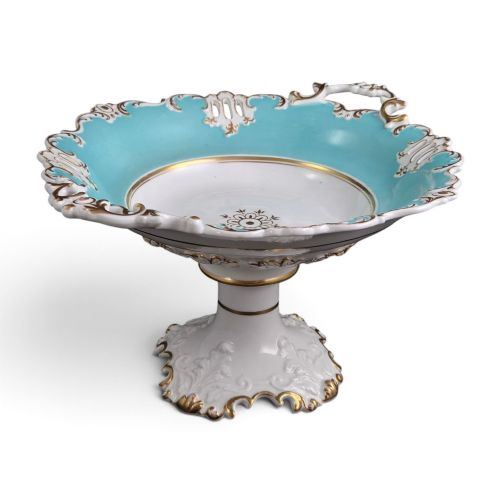
- A shallow ornamental cup or plate mounted on a stem and foot. These were frequently utilised for serving fruit or as decorative cabinet pieces.
- Jardiniere
- A large ornamental pot or stand designed to hold growing plants or flowers. They are commonly found in ceramic or earthenware formats for conservatory use.
- Shabti
- A small funerary figure placed in ancient Egyptian tombs to act as a servant for the deceased. They are often carved from stone or moulded in glazed faience.
Turquoise Glazed Ceramic: Frequently Asked Questions
How do I clean turquoise glazed ceramic?
Dust gently with a soft dry cloth to protect the glaze and any delicate surface details. Avoid using liquid cleaners or chemical agents that might harm older earthenware.
For pieces with gilt bronze trim or metal mounts, keep moisture away from the joins to prevent tarnishing or corrosion.
Were these items meant for daily use?
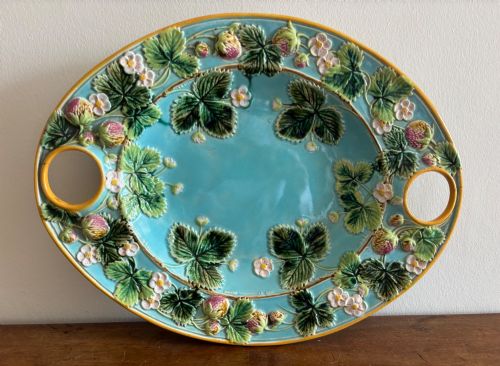
Many forms, such as salad bowls, jardinieres, and garden seats, served practical functions in domestic and conservatory settings. Other objects like wall plaques and figurines were strictly decorative.
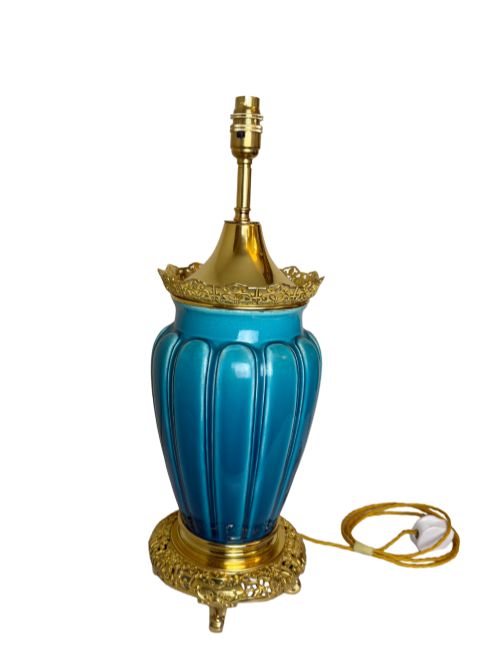
Over time, several vases and vessels have been converted into table lamps while retaining their original ceramic bodies.
How can I tell the period of a piece?
Examine the base for maker marks, impressed pottery stamps, or dynastic characters that indicate the origin and era. Stylistic clues, such as Rococo revival scrolls or Art Deco geometric lines, also point towards specific decades.
Material composition helps distinguish early earthenware and soft-paste porcelain from later industrial ceramic bodies.