
Victorian Earthenware Dish
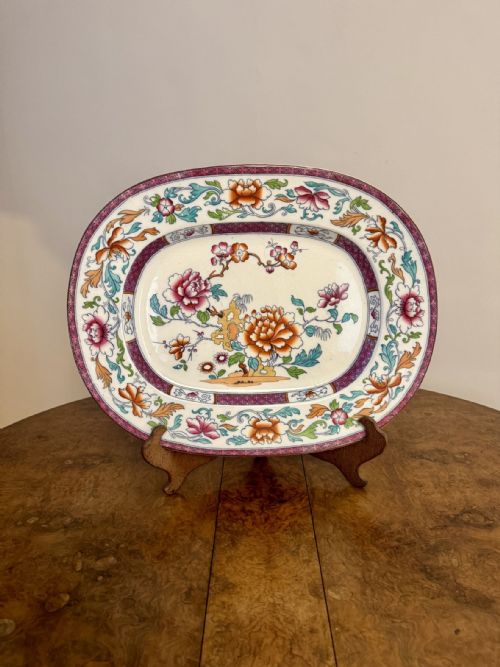
These pieces of a victorian earthenware dish bring functional service and rich colour to the table.
Victorian Earthenware Dish
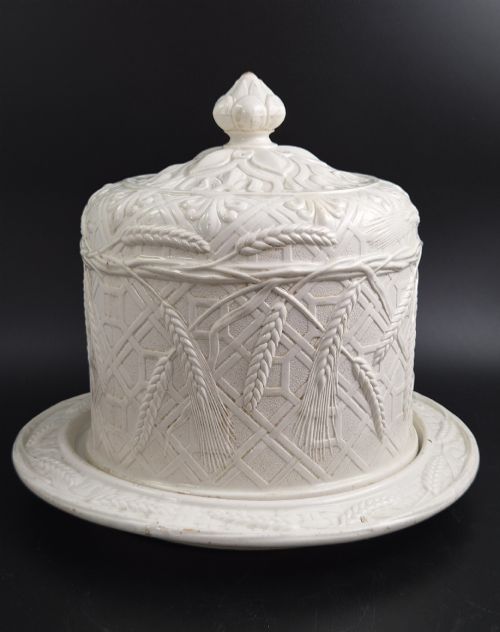
A victorian earthenware dish encompasses domestic serving ware produced during the nineteenth century, including meat platters, cheese domes, vegetable tureens, and game plates. Buyers search for these items to find durable serving vessels that display the transfer-printed scenes, moulded forms, and hand-painted details characteristic of the period.
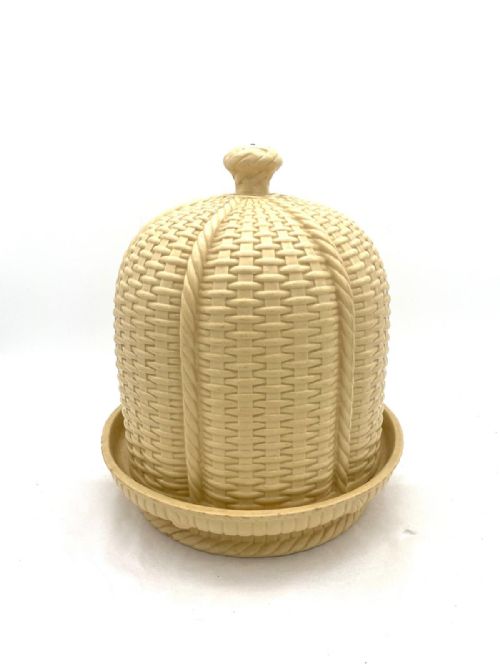
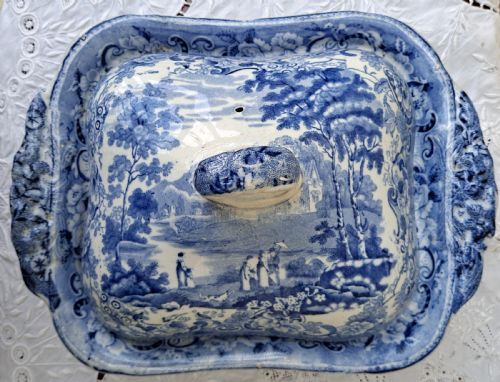
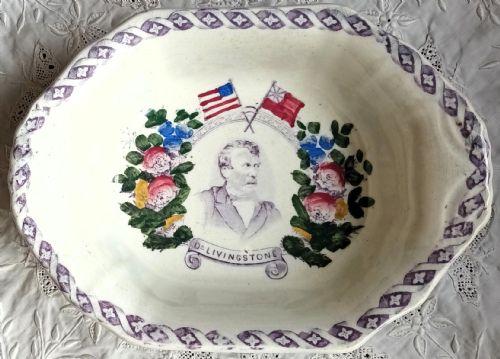
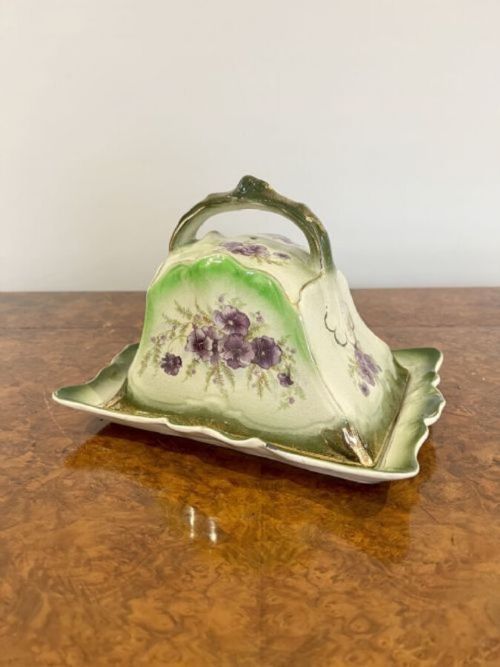
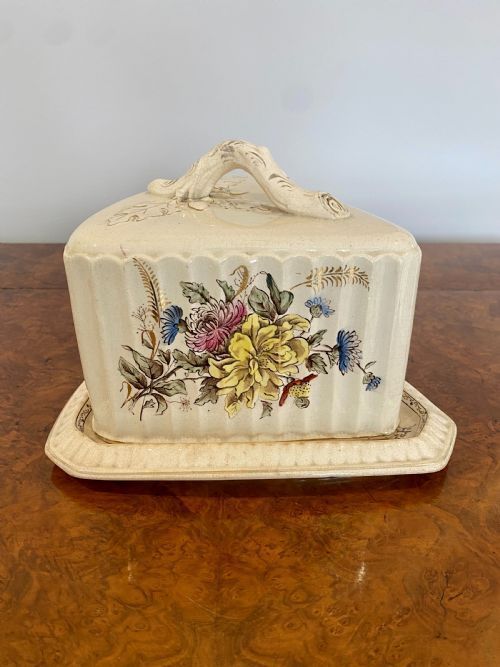
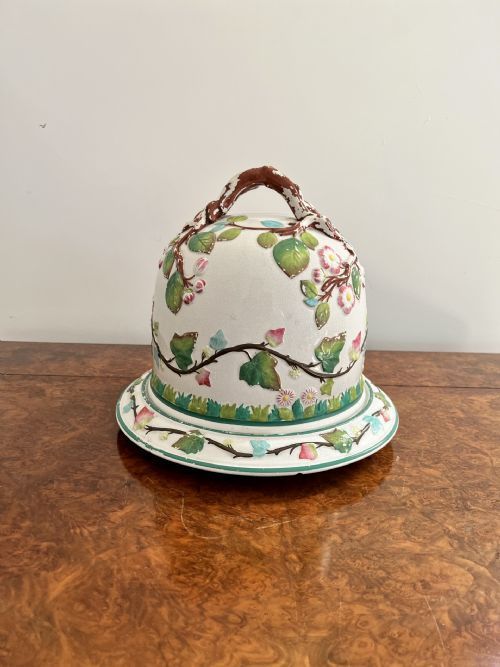
The pieces appearing most frequently on this page span meat platters and lidded cheese dishes, often decorated in blue and white transfer print or finished with heavy moulded ornament. These forms served utilitarian purposes in nineteenth-century dining rooms before evolving into decorative collectors' items.
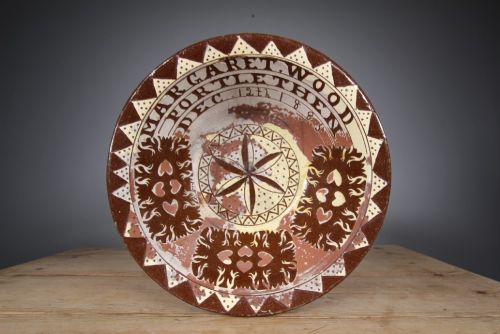
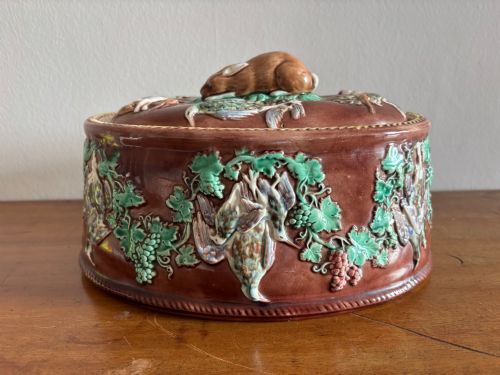
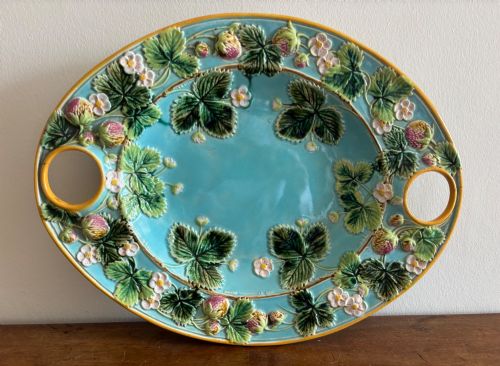
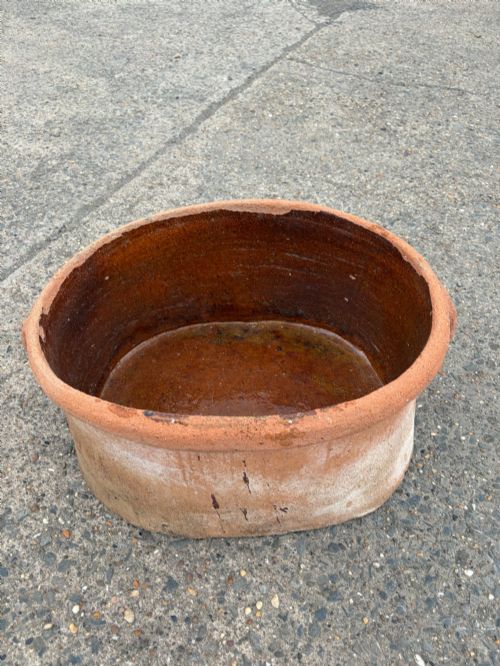
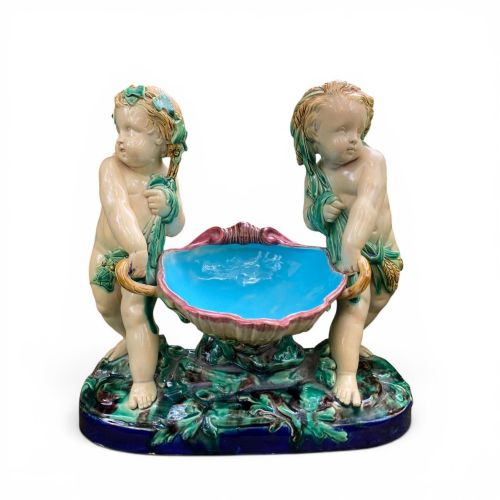
Originating largely from English potteries, the selection includes regional variations such as slipware bowls and terracotta jars alongside refined ironstone and majolica. Each piece reflects the diverse ceramic output of Victorian factories catering to both modest households and grand estates.
Materials and Manufacture
Potters built these items using porous clay bodies like earthenware, terracotta, and ironstone, which were shaped either by throwing on a wheel or pressing into moulds. The resulting vessels received protective coatings of lead glaze or tin enamel to ensure they could hold food safely.
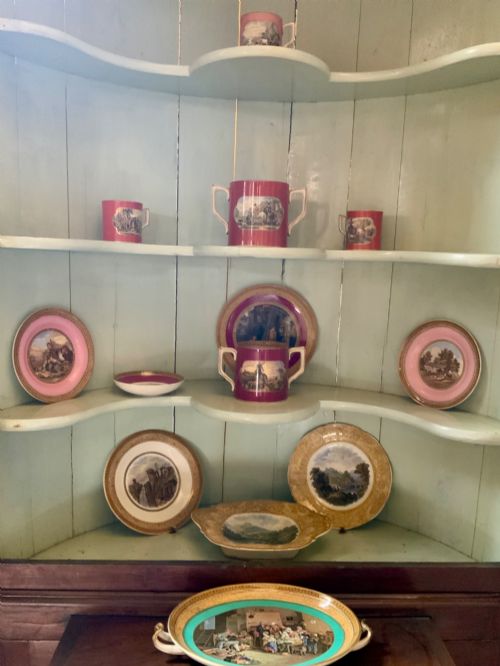
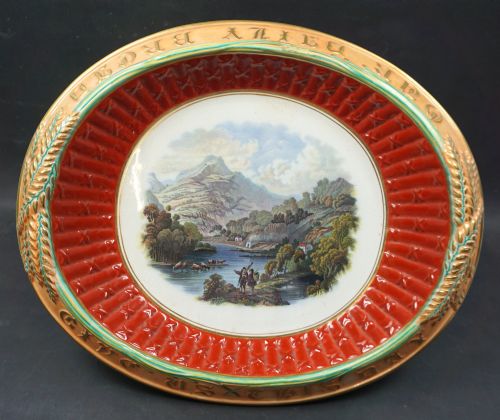
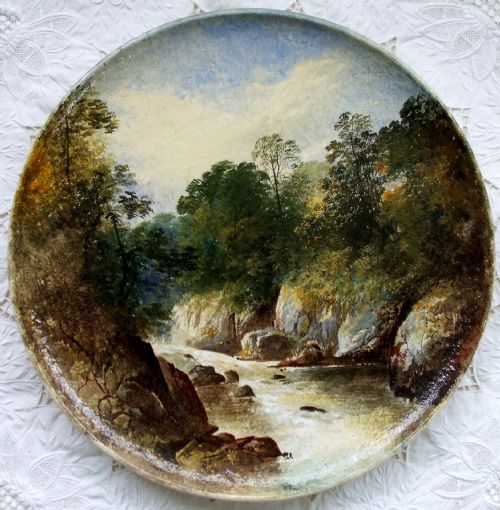
Decoration relied heavily on underglaze transfer printing, allowing factories to apply complex blue and white rural scenery or historical scenes onto flat plates and curved tureens alike. For majolica and slipware pieces, artisans added coloured lead glazes and hand-painted slip directly onto the clay surface to achieve rich tonal depths.
Several pieces shaped as crabs, strawberries, and nested hens prove that Victorian diners enjoyed looking at their food containers almost as much as the contents.
Distinctions in Quality
The sophistication of the modelling and the clarity of the transfer print separate standard utility wares from exhibition-standard pieces. Finely detailed relief moulding on cheese domes and crispness in multi-coloured enamel applications indicate superior workshop execution.
The reputation of the maker and the complexity of the glaze chemistry, particularly in colourful majolica or slipware examples, determine the upper tier of the range. Pieces retaining their matching underplates, covers, or ladles command greater interest among collectors.
George Jones·James Wallace Co·William Yale·James Dudson·Doulton Burslem
The Victorian Earthenware Dish Glossary
- Earthenware
- Porous pottery fired at lower temperatures than stoneware or porcelain. It requires a glaze to become impermeable to liquids.
- Majolica
- A Victorian lead-glazed earthenware characterised by brightly coloured opaque glazes moulded in naturalistic plant and animal forms.
- Transfer print
- A decorative technique where an engraved copper plate transfers a design onto tissue paper, which is then stamped onto the unglazed ceramic body.
- Ironstone
- A dense, durable type of heavy earthenware patented in the nineteenth century to imitate Chinese porcelain.
- Slipware
- Pottery decorated with slip, a liquid clay mixture applied to the wet body before firing to create contrasting surface patterns.
Victorian Earthenware Dish: Frequently Asked Questions
What were cheese domes used for?
Nineteenth-century households used cheese domes and stands to protect large cheeses from dust and drying out on the dining table.
The heavy ceramic covers trapped moisture and kept the food fresh between meals.
How do I care for antique earthenware?
Wash these pieces gently by hand using mild soap and warm water.
Avoid soaking them for long periods because the porous clay bodies and older glazes can absorb moisture.
Are transfer printed dishes safe for food?
Most nineteenth-century transfer printed items contain lead in their glazes.
Collectors generally display these dishes rather than use them for daily dining.