


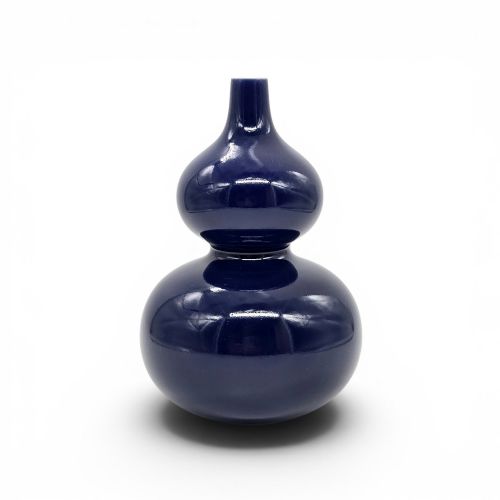


Chinese Porcelain Bottle Vase
A chinese porcelain bottle vase brings fluid form and cobalt detail to a room, offering the collector centuries of kiln craft.
Chinese Porcelain Bottle Vase
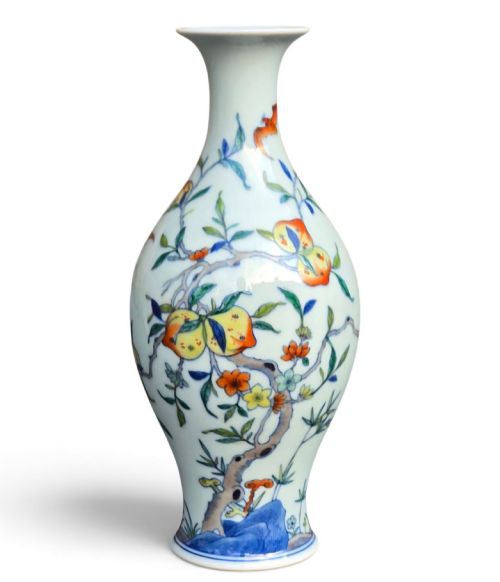
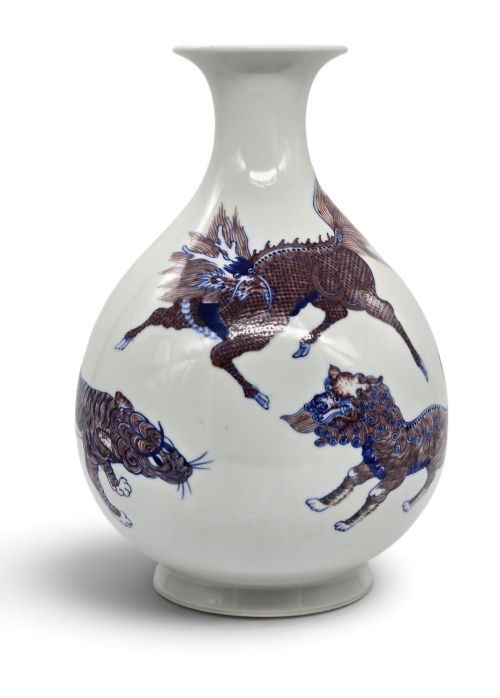
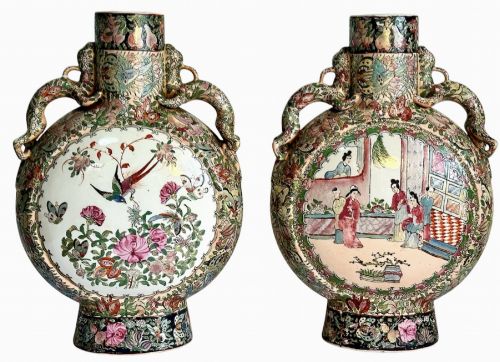
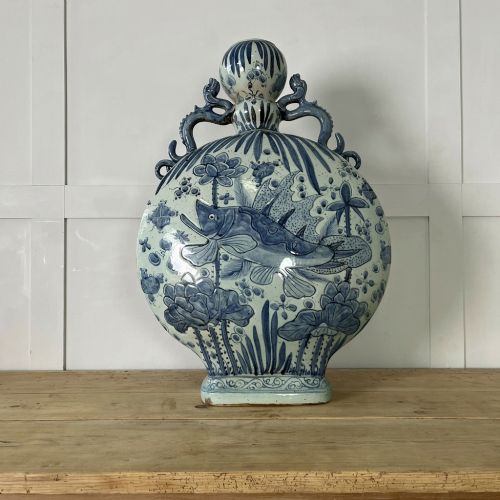
A chinese porcelain bottle vase presents a distinctive globular body rising to a slender neck, designed originally to hold a single bloom or simply to display the potter's control of silhouette. These vessels appear in various guises across the inventory, spanning periods from the eighteenth century through to the early twentieth century and taking in styles such as Qing Dynasty, Chinoiserie, and Chinese Export.
Most examples encountered on this page rely on classic underglaze blue, monochrome, or celadon glazes rather than elaborate polychrome schemes. The profiles range from traditional garlic-mouth necks and flaring rims to double-gourd configurations, showing how subtly the basic bottle form adapts over successive reigns and dynasties.
Materials and Kiln Techniques
Potters built these vessels using fine ceramic porcelain and finished them with mineral-derived treatments such as cobalt oxide, copper-red, and enamel. Cobalt underglaze was painted directly onto the unburned body before a clear glaze sealed the design for the high-temperature kiln firing.
Specialist finishes like celadon glaze, tea dust glaze, and blue-glaze required precise control of reduction and oxidation atmospheres within the kiln. Incised decoration on monochrome pieces was carved into the damp clay body prior to glazing, creating subtle low-relief patterns beneath the surface colour.
Judging the Standard
Quality rests primarily on the crispness of the potting and the stability of the glaze application. A superior vessel shows exact symmetry in the neck and body, with no warping from the intense heat of the kiln.
The definition of the painted decoration marks the finer pieces from routine production. Cobalt pigment that sits sharp and deep within the glaze without bleeding excessively indicates a master potter's hand at work.
The Chinese Porcelain Bottle Vase Glossary
- Celadon glaze
- A pale green iron-rich glaze resembling jade. It develops its characteristic hue during a reduction firing in the kiln.
- Underglaze blue
- Pigment applied to the ceramic body before glazing and firing. This technique protects the blue decoration beneath a glassy protective layer for centuries.
- Double-gourd
- A vase shape formed of two stacked bulbous sections. It symbolises prosperity and auspicious blessings in Chinese tradition.
- Monochrome
- A single uniform glaze covering the entire ceramic surface. These vessels rely entirely on purity of form and tone rather than painted motifs.
- Qing Dynasty
- The final imperial dynasty of China spanning from sixteen forty-four to nineteen twelve. Pieces from this era often carry reign marks to the base.
Chinese Porcelain Bottle Vase: Frequently Asked Questions
What is a chinese porcelain bottle vase?
A chinese porcelain bottle vase is a ceramic vessel featuring a rounded body and a narrow vertical neck designed for display or single stems.
These pieces draw on centuries of imperial and export kiln traditions, utilising glazes like celadon and underglaze blue.
How do I date a bottle vase?
Dating relies on stylistic clues, potting weight, glaze characteristics, and any reign marks found on the base of the vessel.
Many examples span the eighteenth and nineteenth centuries, reflecting the evolving aesthetic preferences of the Qing period.
Where should I place a bottle vase?
These vessels suit well-lit display cabinets, mantels, or console tables where their silhouettes and glaze tones can catch the natural light.
Keep them away from high-traffic zones to protect the slender necks from accidental knocks.
What glazes are most common?
Cobalt blue underglaze and monochrome celadon glazes appear most frequently across these historical porcelain listings.
Specialist finishes like tea dust and turquoise also feature in select pieces from later periods.