
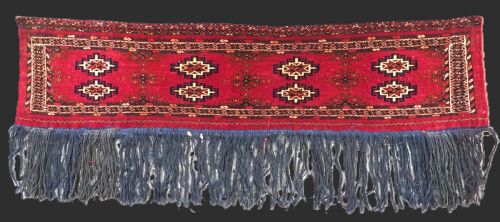


Tribal Tent Bag Textile
A tribal tent bag textile represents the nomadic heritage of Central Asian weavers, offering deep historical connection and rich geometric artistry for the modern collector.
Tribal Tent Bag Textile
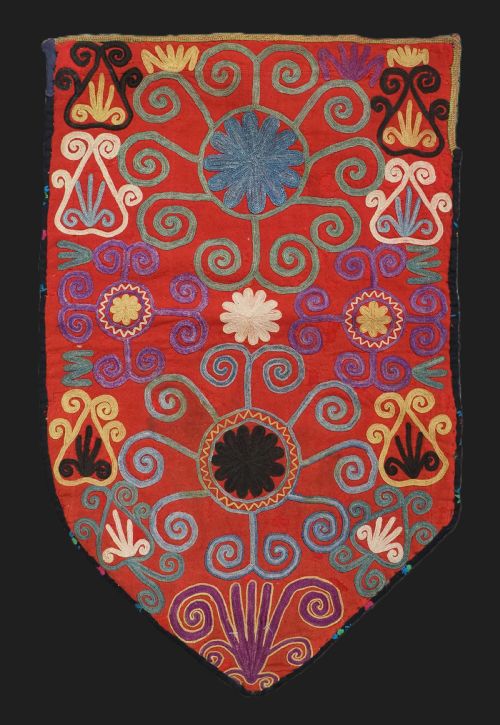
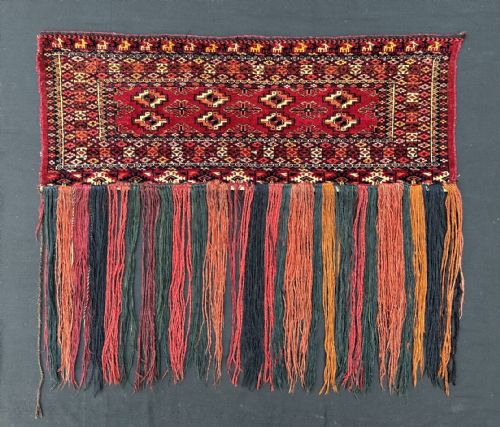
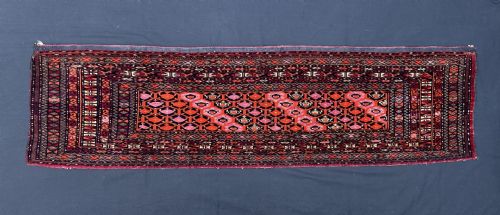
A tribal tent bag textile encompasses utilitarian objects produced by nomadic and settled tribes across Central Asia, primarily functioning as functional storage within traditional dwellings. Pieces on this page span from the middle of the eighteenth century through to the opening decades of the twentieth century, originating from groups such as the Tekke, Yomut, Ersari, Saryk, Chodor, and Uzbek Lakai.
The assortment centres heavily on specific forms used for domestic organisation, predominantly torbas, chuvals, jollars, and okbash. These items served as grain sacks, bedding bags, or tent-pole covers, woven in rectangular formats designed to hang against lattice walls.
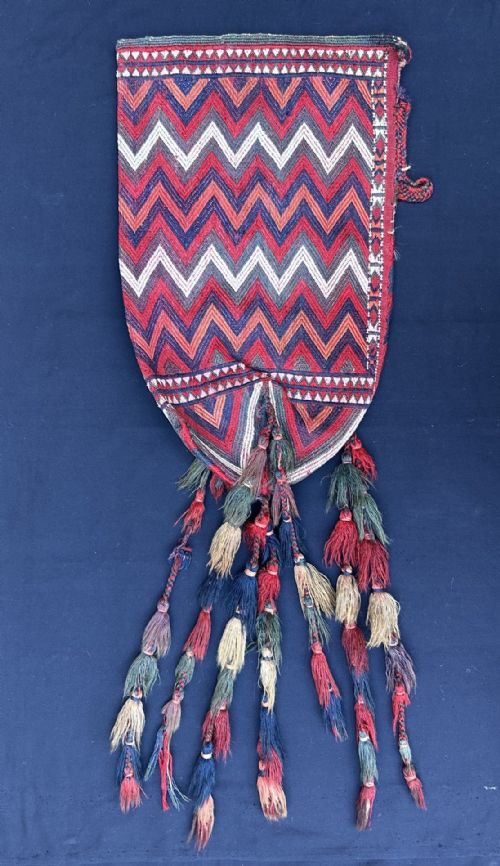
Buyers encounter numerous variations defined by tribal weaving traditions, including pieces complete with original backs and tassels alongside fragmentary survivals. The aesthetic identity relies on structured medallion layouts and symbolic motifs passed through generations of makers.
Materials and Technique
The foundational structure relies heavily on hand-spun wool, chosen for its durability and resilience in nomadic environments. Artisans supplemented this primary fibre with cotton foundations and occasional silk highlights to add contrast and texture.
Colour derives from natural dyes applied to the fleece before weaving, creating deep saturations that age gracefully over time. Skilled hands employed precise pile knotting and flat-weave techniques to build dense, enduring surfaces capable of withstanding daily domestic use.
Several bags still retain their original wool tassels, designed to frighten away evil spirits every time the tent door flap moved.
Assessing Quality
Quality diverges notably according to the density of the weave and the precision of the knotting technique. Finer examples display meticulous execution in complex repeating motifs, whereas simpler pieces show broader structural handling.
The treatment of colour and dye saturation dictates visual impact, separating standard work from exceptional tribal weaving. Surviving structural completeness, such as intact backs, original side cords, and tassels, elevates the integrity of an individual piece.
The Tribal Tent Bag Textile Glossary
- Torba
- A small storage bag woven by nomadic tribes, typically hung inside a tent for personal items. These pieces feature intricate geometric field designs specific to the weaving group.
- Chuval
- A large tent storage bag utilised for bedding and bulky household goods. They often display prominent primary medallions across the face.
- Gul
- A repeating primary medallion motif used by Central Asian tribes to signify clan identity and ancestry. Different tribal groups developed distinct variations of these octagonal or stepped forms.
- Okbash
- A specialised tent-pole cover shaped to fit over the top of upright wooden struts. These scarce woven items display tapered forms and compact geometric ornament.
- Jollar
- A long, narrow bag used primarily for hanging against yurt walls or loading animals. They exhibit compressed horizontal design bands.
Tribal Tent Bag Textile: Frequently Asked Questions
What were tribal tent bags used for?
Nomadic families utilised these woven pieces to store clothing, bedding, and provisions inside traditional round tents. They kept possessions organised and protected from damp ground.
Beyond basic utility, they displayed tribal identity and formed an essential part of a bride's dowry weaving.
How do I hang a textile safely?
Mounting requires weight to be distributed evenly across the top edge using a sleeved fabric backing or specialised display clips. Avoid pulling tension on isolated points of the wool foundation.
Keep pieces away from direct sunlight and damp environments to protect natural dyes and fragile fibres.
How do I tell different tribal designs apart?
Weavers from groups like the Tekke, Yomut, and Ersari relied on specific structural guls and palette choices. Examining the secondary borders and knotting style reveals the maker's regional lineage.
Reference literature helps match specific medallion structures to the correct Central Asian oasis or steppe community.
Why do some pieces have backs attached?
Many utilitarian bags retained their original rear coverings because they remained protected inside nomadic dwellings. Surviving backs provide complete historical context for how the item was constructed and used.
Many examples survive today as detached face panels due to wear along the lower edges over decades of service.