


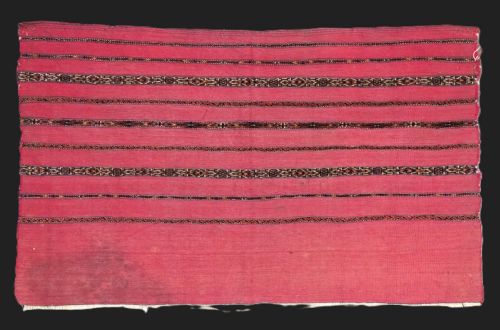

Tribal Flatweave Textile
A tribal flatweave textile brings the rich geometric patterns and nomadic heritage of Persian, Caucasian, and Central Asian weavers straight into a modern interior.
Tribal Flatweave Textile
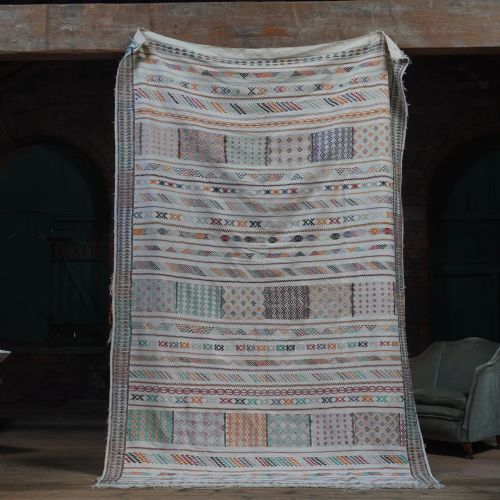
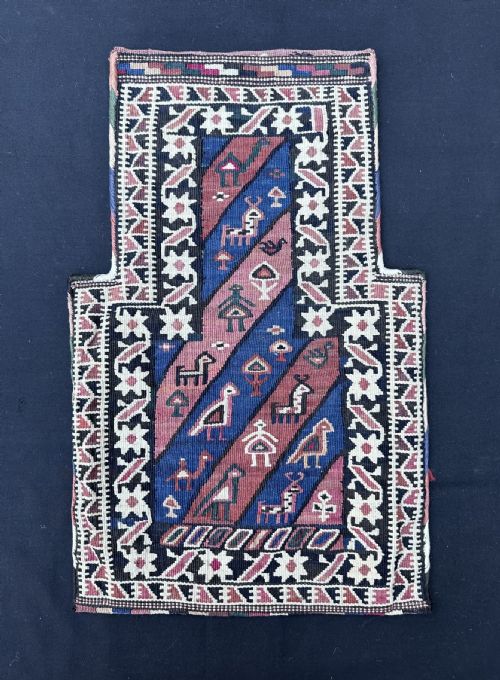
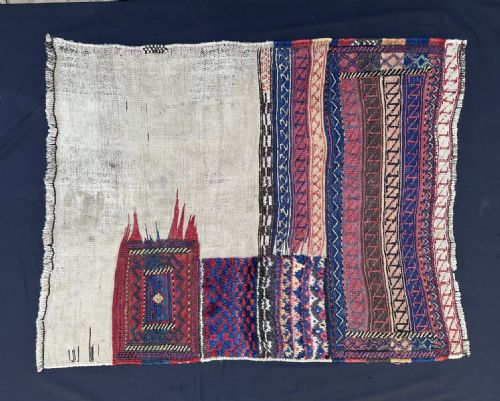
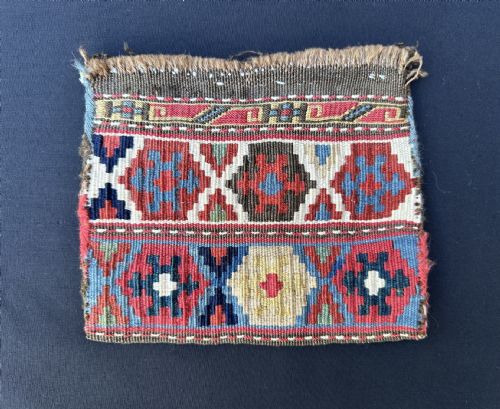
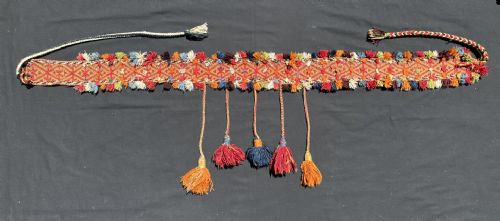
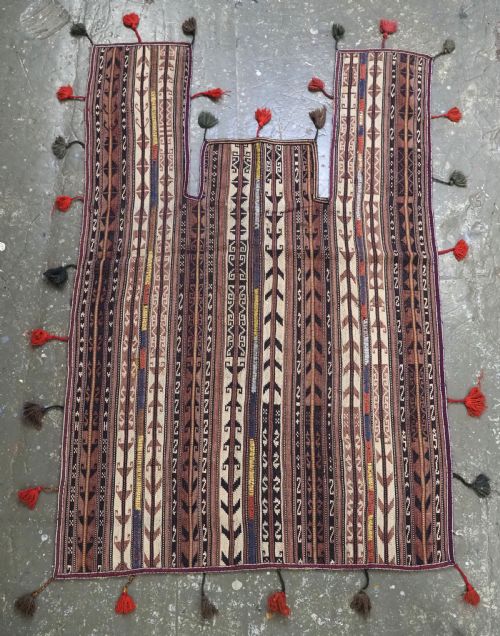
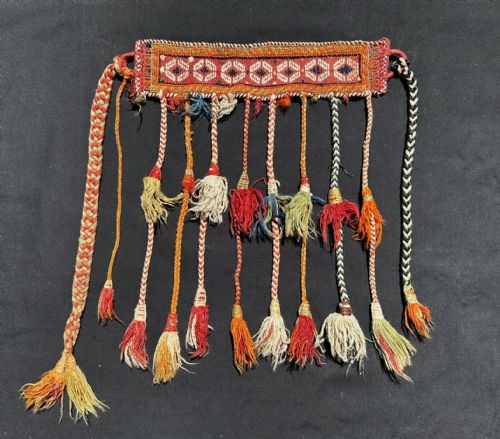
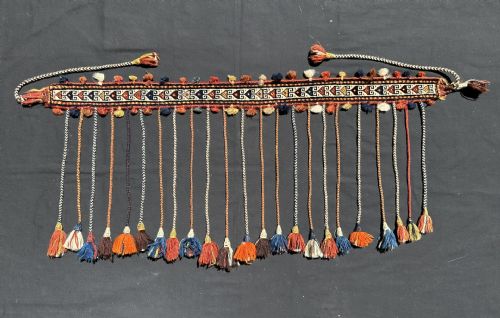
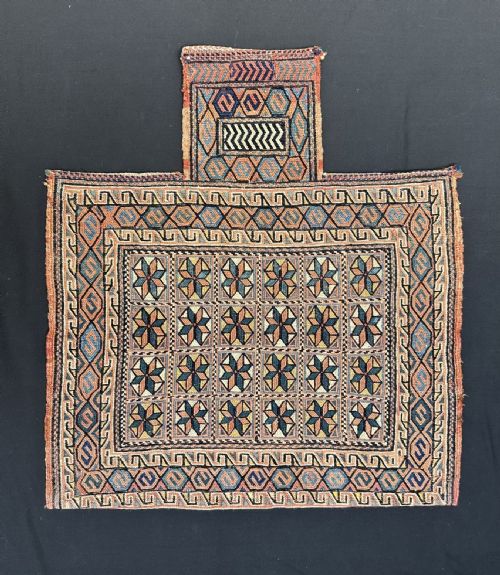
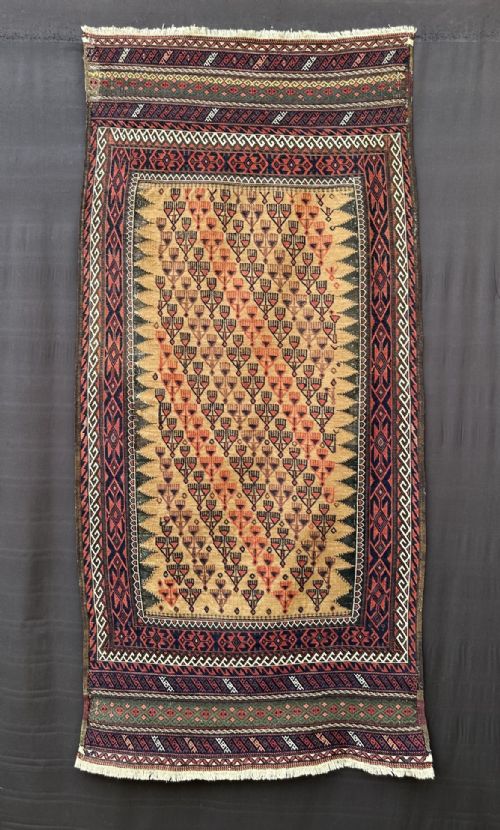
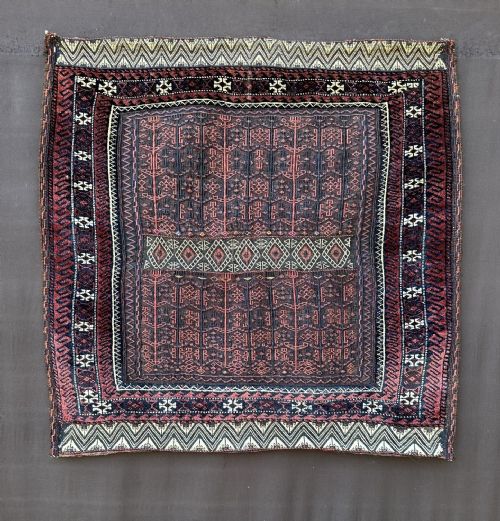
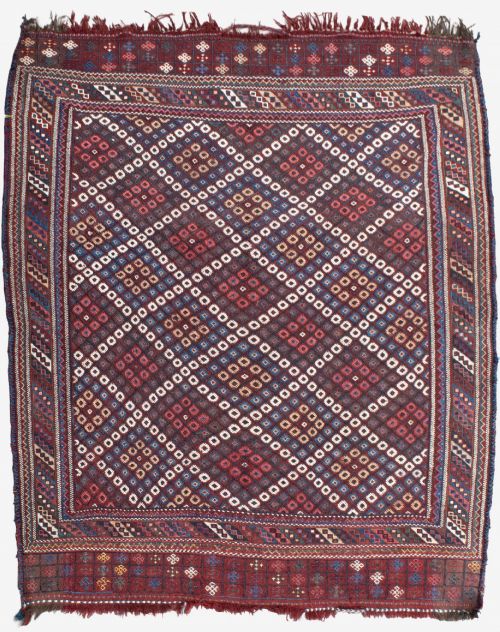
When searching for a tribal flatweave textile, buyers encounter a diverse range of nomadic and village objects including storage bags, animal trappings, dining sofreh, and kilim rugs. These pieces originate from various regional groups such as the Qashqai, Shahsavan, Yomut Turkmen, and Baluch, spanning the mid-nineteenth century to the early twentieth century.
The most common formats on this page are utilitarian domestic items transformed by intricate weaving techniques, such as salt-bags, vanity bags, bread sofreh, and horse blankets. Each item reflects the specific daily life, utilitarian needs, and tribal identity of weavers working across Persia, Afghanistan, Central Asia, and the Caucasus.
How They Were Made
Weavers utilised local materials, predominantly relying on hand-spun wool and natural dyes to create durable, rich surfaces that patinate gracefully over time. Goat hair often reinforced high-wear structural edges, while specialty pieces incorporated cotton, silk, cactus fibre, or sabra silk.
The construction methods depended on the intended function, spanning slit-tapestry kilim weaving, soumac wrapping, and banded flatweave techniques. Nomadic makers worked on portable horizontal looms, producing tight structures designed to withstand the rigorous demands of seasonal migration and daily camp life.
Listings feature regional flatweaves spanning from the mid-nineteenth century to the early twentieth century, utilising hand-spun wool, natural dyes, and goat hair.
What Varies in Quality
Quality in a tribal flatweave textile rests on the fineness of the weave, the clarity of the geometric drawing, and the depth of the natural dye palette. Superior examples demonstrate exceptional control over tension and proportion, resulting in crisp, balanced motifs that maintain their visual rhythm across the entire field.
The handling of secondary materials and structural details also distinguishes the upper tier of pieces. Complete examples retaining original wool backs, tassels, or cowrie shell embellishments demonstrate greater integrity and cultural context than fragmented panels.
Shahsavan Nomads·Yomut Turkmen·Bakhtiari Tribes·Baluch Tribes
The Tribal Flatweave Textile Glossary
- Sofreh
- A spreading cloth used for dining, kneading dough, or wrapping bread within nomadic households. These textiles often feature striking central medallions and geometric borders.
- Soumac
- A supplementary warp-faced wrapping technique that produces a textured, braided surface resembling embroidery on the front and loose floats on the reverse. It adds structural weight and durability to bags and animal trappings.
- Chuval
- A large storage bag traditionally used by Turkmen tribes for domestic belongings inside the yurt. They are celebrated for their bold gul motifs and rich red ground colours.
- Mafrash
- A rectangular storage sack or bedding bag, usually woven in two complementary panels and assembled to form a chest shape. They were loaded onto pack animals during nomadic migrations.
- Jajim
- A lightweight, striped flatweave textile typically constructed from narrow panels stitched together. They served as coverlets, decorative spreads, or utilitarian wrapping cloths.
Tribal Flatweave Textile: Frequently Asked Questions
What is a tribal flatweave textile used for?
These textiles served practical nomadic functions, ranging from grain storage and bedding bags to eating cloths and horse decorations. Families relied on them for portable domestic storage and daily camp life.
Today, collectors use them as decorative wall hangings, table covers, or accent rugs to introduce texture and heritage into contemporary interiors.
How do I identify different tribal designs?
Tribal attribution relies on specific structural techniques, wool qualities, and distinct regional palettes unique to groups like the Shahsavan, Qashqai, or Yomut Turkmen. Motifs often repeat traditional symbols passed down through generations within specific confederacies.
Examining the borders, fringe construction, and secondary fibres helps narrow down the exact geographic origin and weaving culture.
Are these textiles made with natural dyes?
Traditional pieces from the nineteenth and early twentieth centuries predominantly utilise natural dyes derived from local plants, roots, and insects. These colourants yield rich, complex tones that mellow harmoniously with age.
Subtle tonal variations, known as abrash, often occur naturally across the field due to batch dyeing of wool by nomadic weavers.
How should I care for an antique flatweave?
Gentle vacuuming without a rotating brush helps remove dust and particulate matter from the weave. Keeping the textile out of direct sunlight preserves the integrity of natural dye colours over time.
Professional textile conservators should handle any deep cleaning or structural stabilisation required for fragile wool or goat hair foundations.