



Traditional Woven Area Mat
A traditional woven area mat brings tactile warmth and enduring regional pattern into a room through centuries-old textile traditions.
Traditional Woven Area Mat
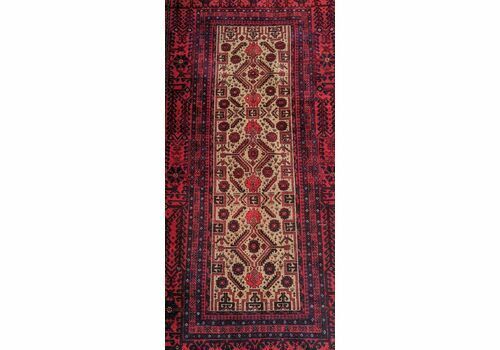
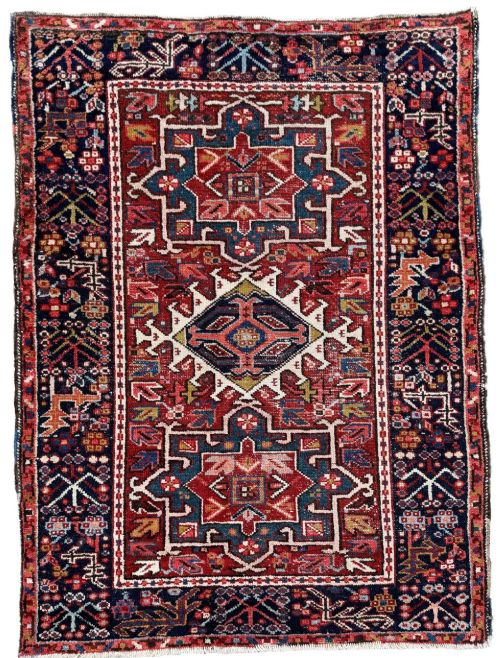
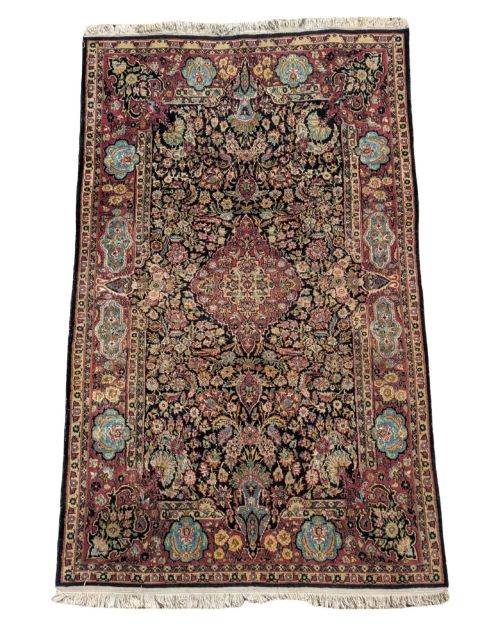
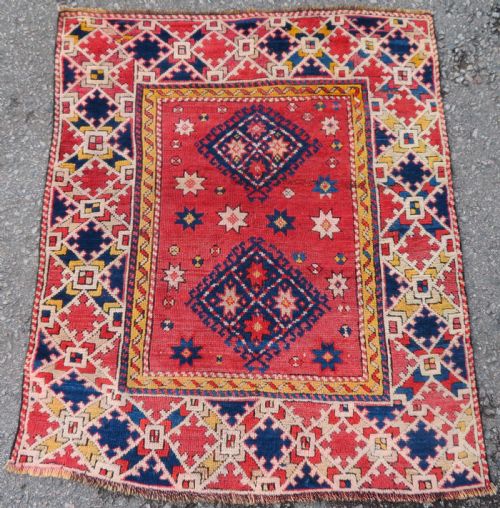
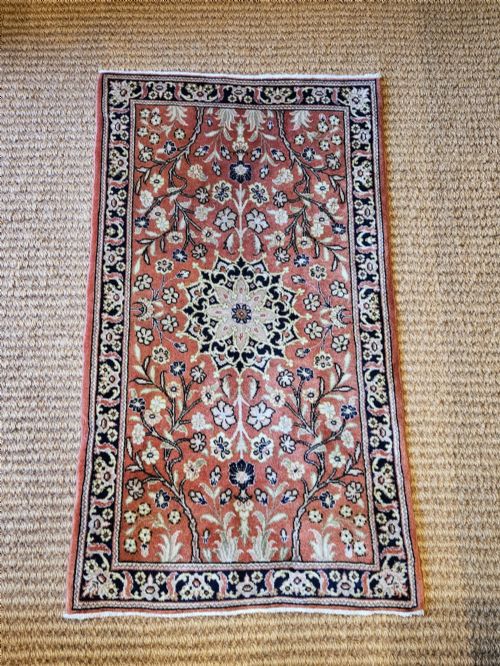
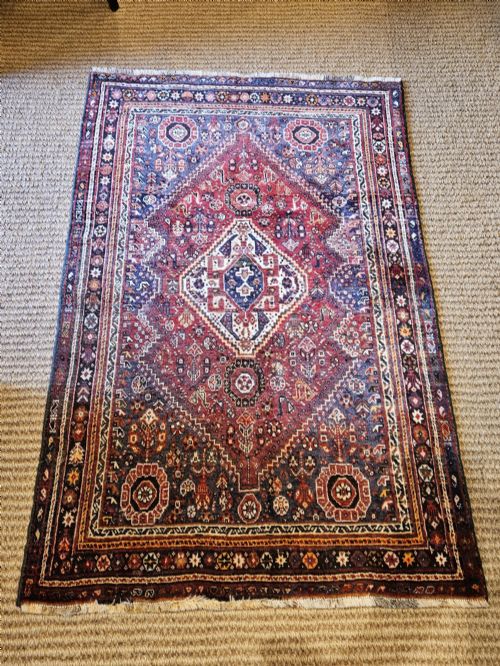
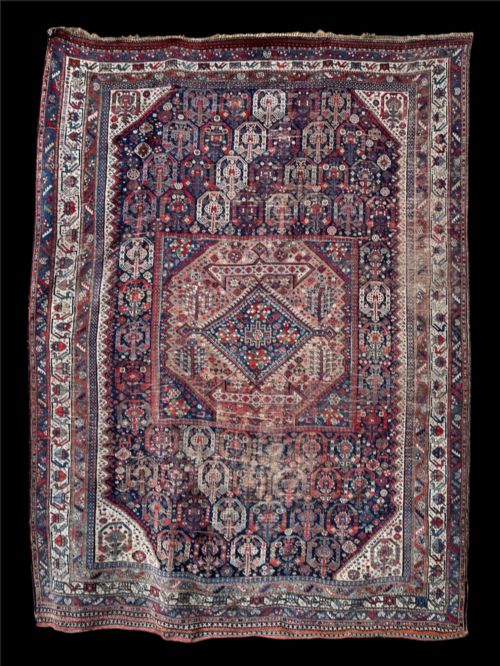
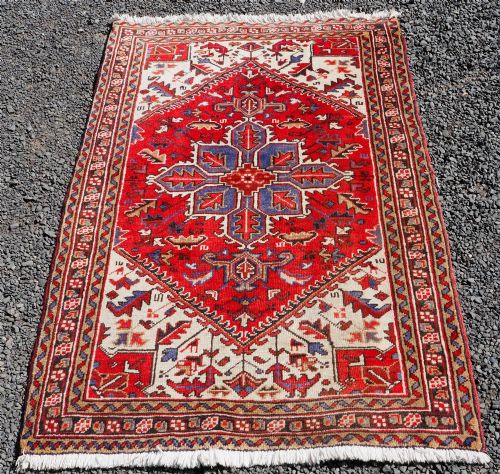
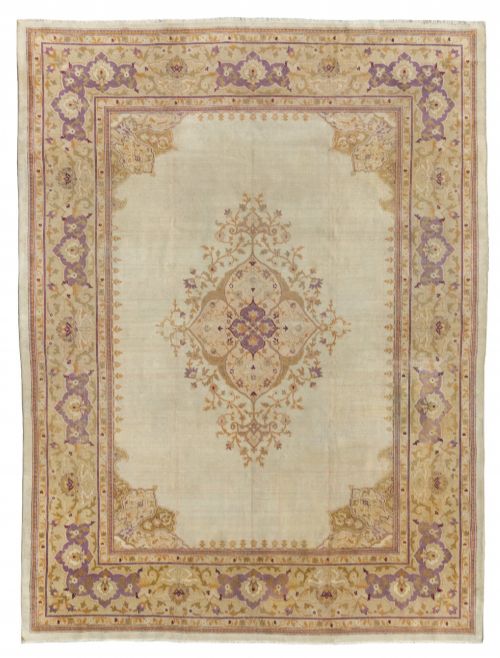
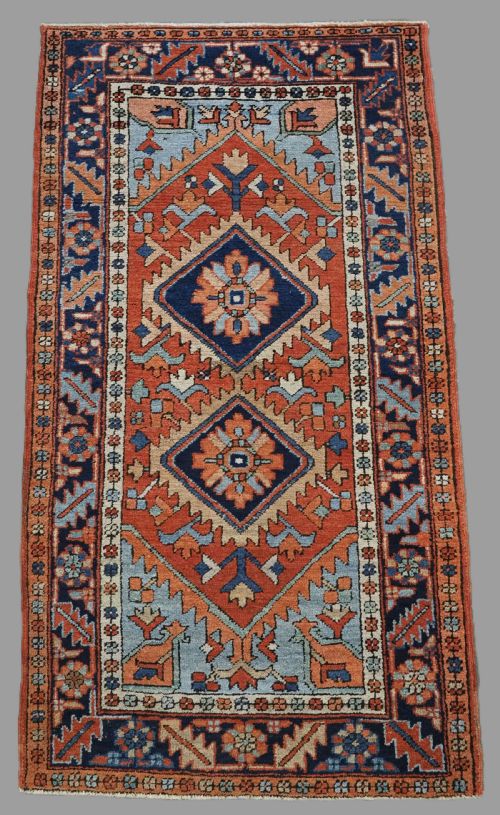
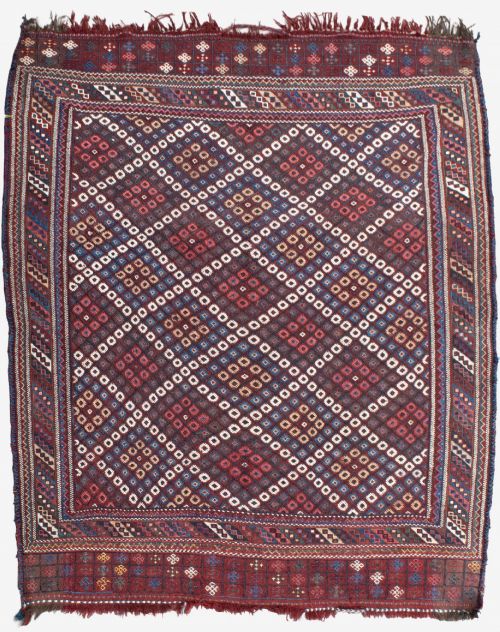
A traditional woven area mat encompasses hand-knotted and flat-woven floor coverings originating from Persian, Caucasian, Anatolian, and Turkmen weaving traditions. These pieces bridge the gap between utilitarian household furnishings and decorative tribal art, reflecting the specific regional aesthetics of their makers.
The selection centres heavily on antique village rugs, nomadic carpets, and prayer rugs dating from the nineteenth and early twentieth centuries. Buyers encounter formats ranging from hearth-sized hearth mats to larger room-sized carpets displaying geometric medallions, prayer mihrabs, and tribal motifs.
Originating from workshops, villages, and nomadic confederacies across the Middle East and Asia, each traditional woven area mat carries distinct structural characteristics tied to its specific locale. Village weavers utilised local iconography, passing down specific border patterns and colour combinations through generations.
How they were made
Makers constructed these textiles predominantly using wool, cotton, and occasional silk highlights, employing both hand-spun wool for pile yarns and sturdy cotton foundations for warps and wefts. The choice of material dictated the weight, drape, and resilience of the finished floor covering.
Weavers utilised traditional hand-knotting techniques or flat-weaving methods, building up intricate patterns row by row on vertical or horizontal looms. Natural dye stuffs provided the rich palette of rust, madder red, indigo, and earth tones seen across the surviving pieces.
Regional styles represented on this site span Persian Tribal, Caucasian, Anatolian, Ottoman Turkish, and Turkmen Tribal traditions.
What varies in quality
Quality rests in the density and precision of the weave, which dictates how sharply the geometric or floral motifs resolve across the surface. Tighter knotting and finer wool preparation yield a textile that maintains its structural integrity through decades of heavy use.
The depth and saturation of the colour palette separate standard village production from superior examples. Master weavers achieved harmonious, nuanced tones through skilled dye extraction, ensuring the wool aged with rich patina rather than dulling.
The Traditional Woven Area Mat Glossary
- Prayer rug
- A small format textile featuring a distinctive mihrab arch design, originally used by Muslims for daily prayers. These pieces often display directional designs pointing toward Mecca.
- Medallion
- A central ornamental motif set in the middle of the field, frequently incorporating geometric or floral elements characteristic of Persian and Anatolian weaving.
- Warp
- The vertical threads stretched tightly on the loom before weaving begins, forming the foundational skeleton of the rug and often visible at the fringed ends.
- Weft
- The horizontal threads passed across and interlaced through the warp threads to hold the knots or flat-weave structure securely in place.
- Pile
- The upright cut or looped yarn surface of a rug that provides softness and warmth underfoot, created by individual knots tied around the warp threads.
Traditional Woven Area Mat: Frequently Asked Questions
How do I clean an antique woven mat?
Gentle surface brushing and professional specialist washing maintain the integrity of natural wool fibres and dyes.
Avoid household detergents and aggressive mechanical scrubbing, which can damage delicate foundations and cause colour bleeding.
Where should I place these mats at home?
These textiles suit low-traffic living areas, studies, or bedrooms where their pile receives protection from excessive wear.
Pair them with a breathable underlay to prevent slipping and reduce friction against hard wooden floors.
How do I identify a village rug from a workshop piece?
Village rugs display asymmetrical tribal motifs, spontaneous design shifts, and thicker hand-spun wool typical of nomadic or domestic production.
Workshop carpets show rigid symmetry, finer knot counts, and sophisticated curvilinear floral layouts associated with urban centres.
What causes colour variations in older wool?
Natural dye batches varied according to seasonal plant availability, mineral content in water, and the mordants used by individual dyers.
This phenomenon, known as abrash, creates subtle horizontal bands of shifting tone that indicate authentic hand-dyeing processes.