





Woven Wool Floor Runner
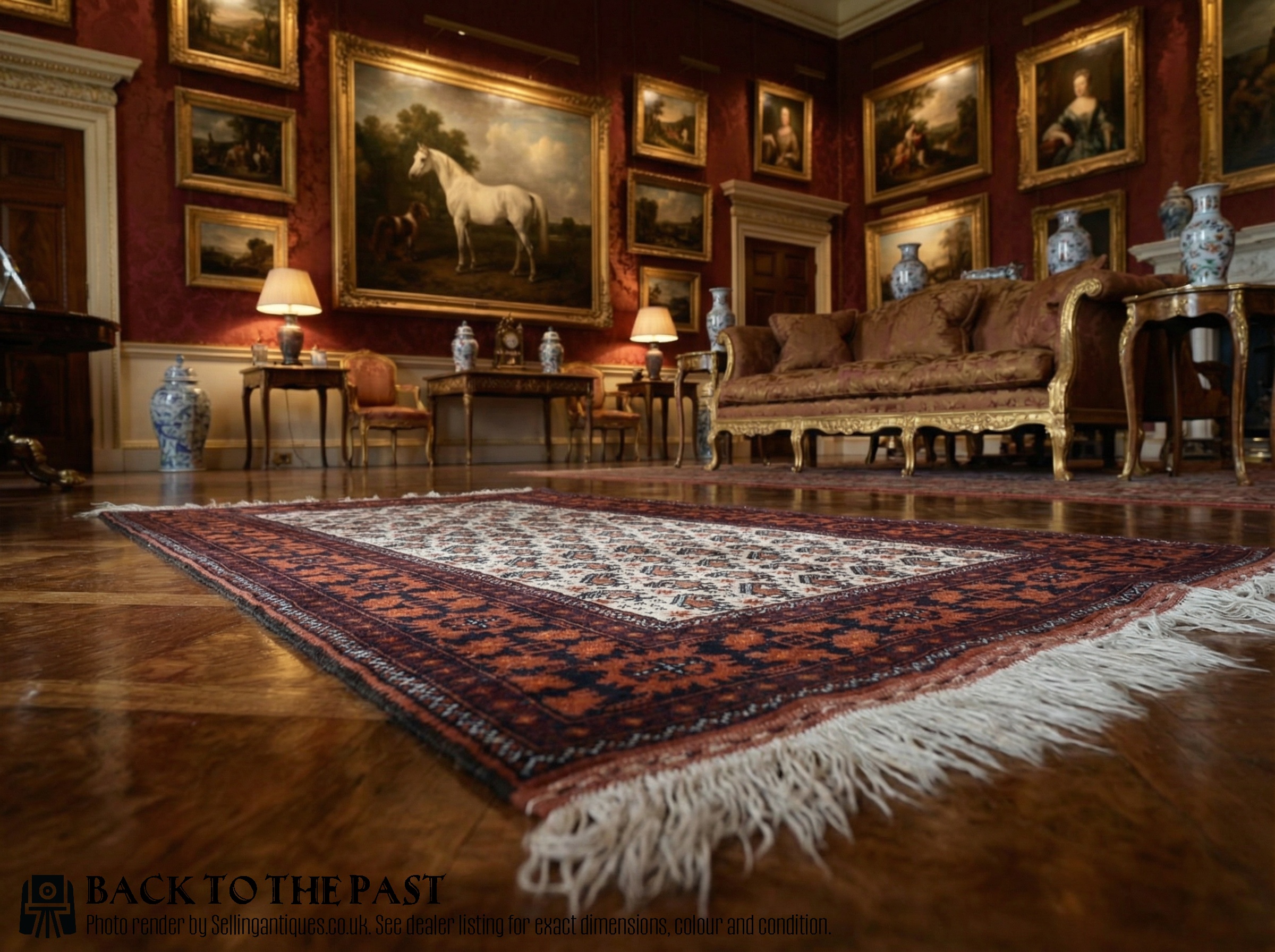
A woven wool floor runner brings warmth and pattern to long corridors through decades of traditional handcraft.
Woven Wool Floor Runner
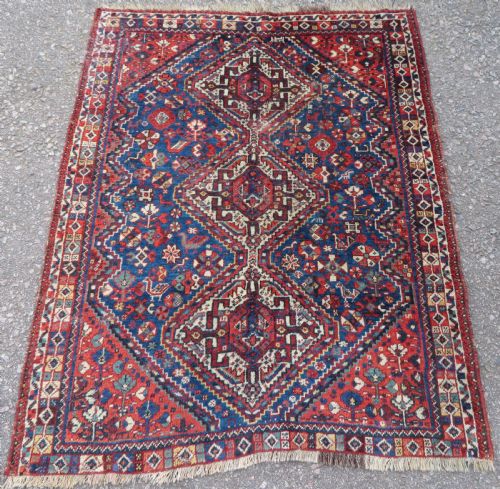
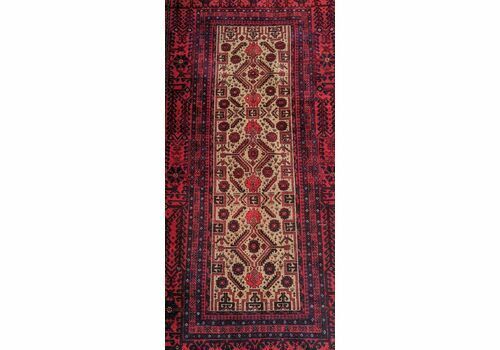
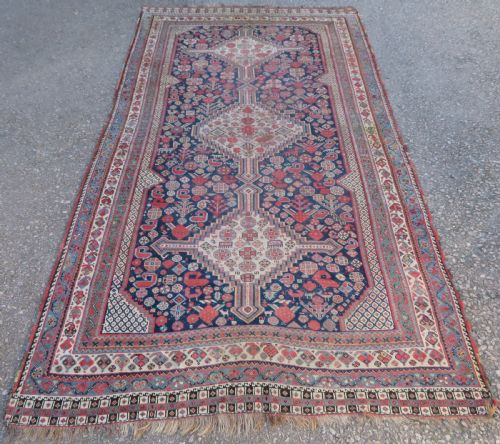
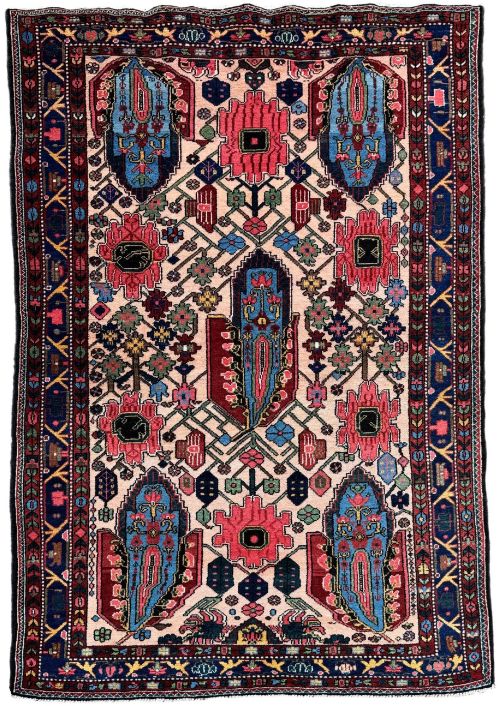
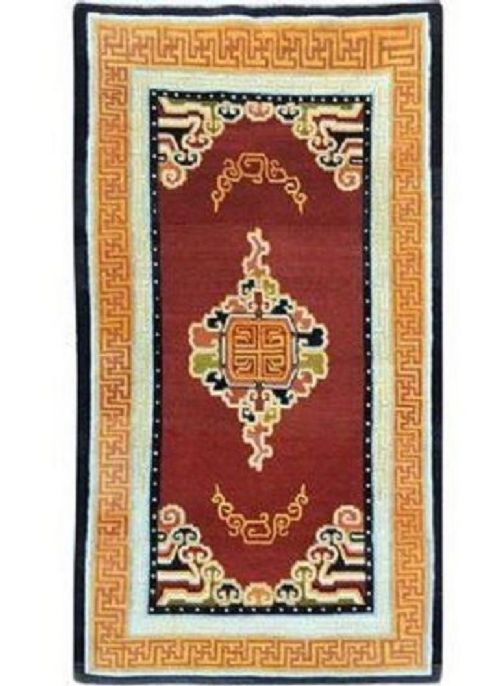
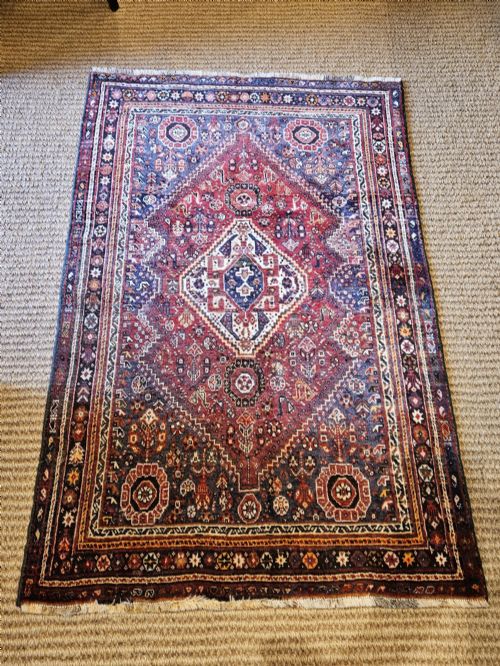
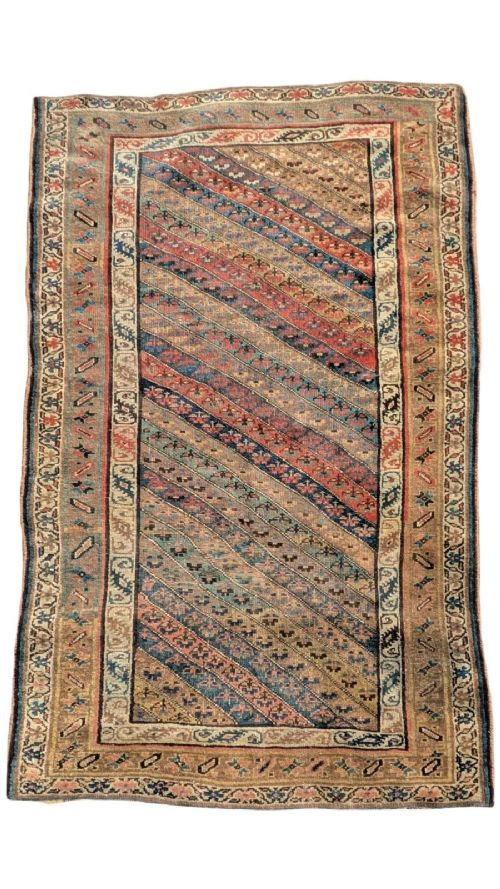
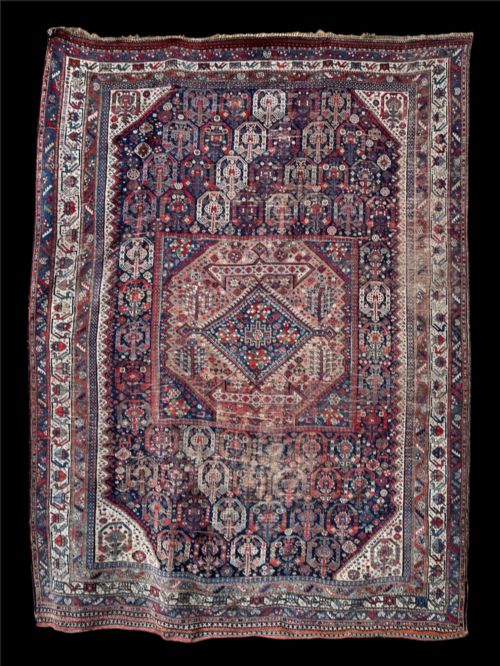
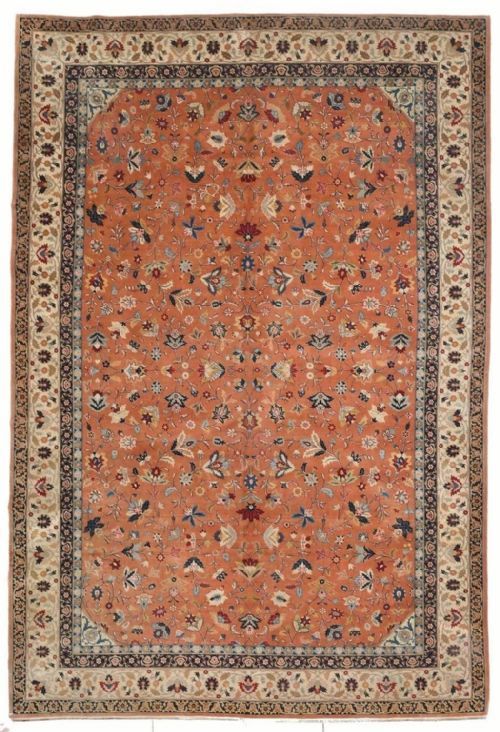
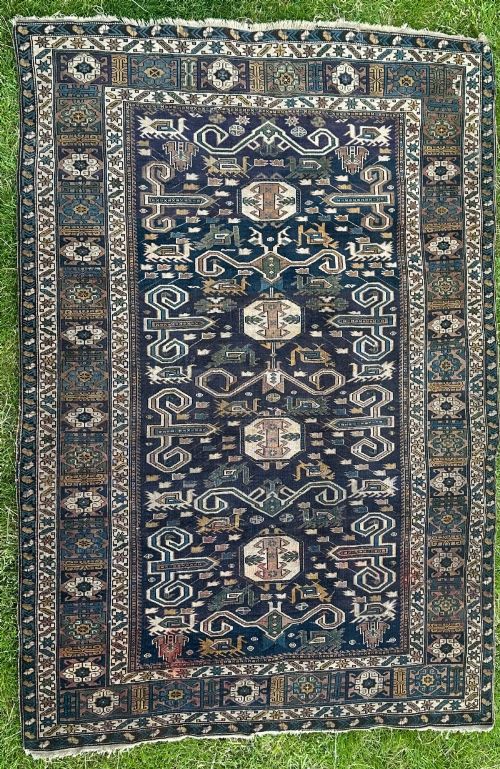
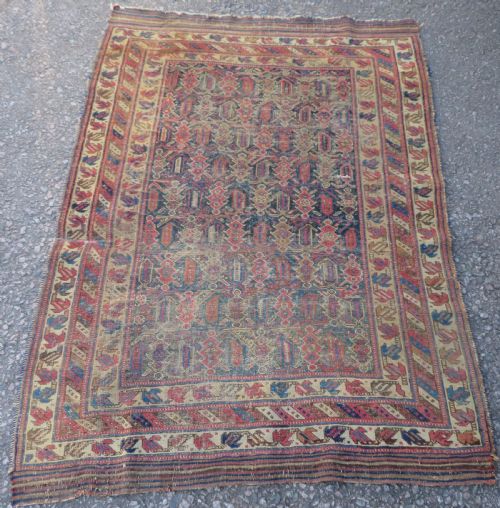
A woven wool floor runner serves as a durable linear carpet designed for hallways and narrow spaces, drawing upon centuries of weaving heritage. When searching for a woven wool floor runner, buyers encounter Persian, Caucasian, and Ottoman traditions alongside Tibetan and Chinese examples. These textiles originate from village workshops and nomadic confederacies, spanning the late nineteenth century through the early decades of the twentieth century.
The format typically involves elongated formats such as Heriz, Malayer, and Ushak runners alongside tribal pieces from Kurdish and Bakhtiari makers. Many pieces display geometric medallions, boteh motifs, and repeating floral patterns worked into traditional formats. Hand-knotted and flat-woven constructions dominate the selections, offering both textured pile surfaces and smooth kilim structures.
What varies in quality
The standard of materials and dye purity distinguishes finer examples from simpler village work, particularly in the depth of natural colour achieved by the weaver. Knot density and the precision of the geometric or floral drawing reflect the skill of the artisan and the importance of the commission. Structural integrity, including the survival of original wool pile and secure selvedges, determines the resilience of a runner under modern household use.
Nomadic weavers occasionally included stray animal hairs and minor asymmetry in tribal rugs as a humble nod to human imperfection.
The Woven Wool Floor Runner Glossary
- Knot density
- The number of knots per square unit that determines the fineness and durability of a pile carpet. Higher densities allow for more intricate curves and detailed botanical motifs.
- Kilim
- A flat-woven textile produced without a pile by tightly interweaving warp and weft threads. These lightweight pieces offer reversible designs and geometric patterns.
- Warp
- The vertical foundation threads stretched tightly on the loom before weaving begins. Wool and cotton serve as the primary materials for these structural elements.
- Weft
- The horizontal threads passed across the warp to hold the knots or pattern in place. They contribute to the structural firmness of the finished textile.
- Natural dye
- Colouring matter derived from plants, insects, and minerals rather than synthetic compounds. These dyes yield complex patinas that age gracefully over decades.
Woven Wool Floor Runner: Frequently Asked Questions
How do I clean a wool runner?
Regular gentle vacuuming without a beater bar removes surface dust and grit from the wool fibres.
Professional specialist cleaning remains essential for deep maintenance to protect natural dyes and hand-spun materials.
Are these runners suitable for hallways?
Traditional runners were specifically constructed for narrow spaces like corridors, staircases, and entrance halls.
Dense wool pile and sturdy construction provide natural resilience against everyday foot traffic.
How do I identify regional styles?
Specific geometric motifs, medallion layouts, and border arrangements point directly to origin regions such as Heriz, Kazak, or Hamadan.
Palette choices and the presence of tribal symbols further indicate whether a piece comes from a nomadic confederacy or a permanent workshop.
Why use a rug pad underneath?
A quality underlay prevents the runner from slipping on smooth wooden or tiled hallway floors.
It also absorbs direct impact from footsteps, reducing friction and extending the lifespan of the antique wool foundation.