


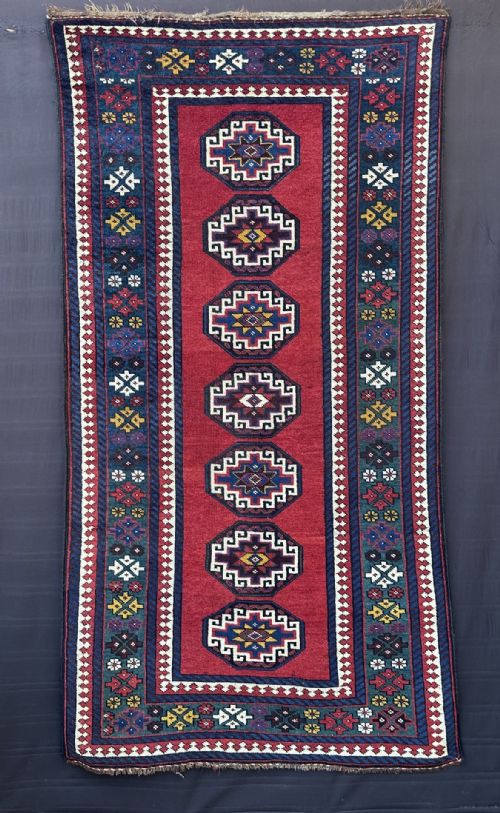

Antique Style Wool Rug
An antique style wool rug brings warmth and historic pattern into a room through hand-knotted pile and traditional village designs.
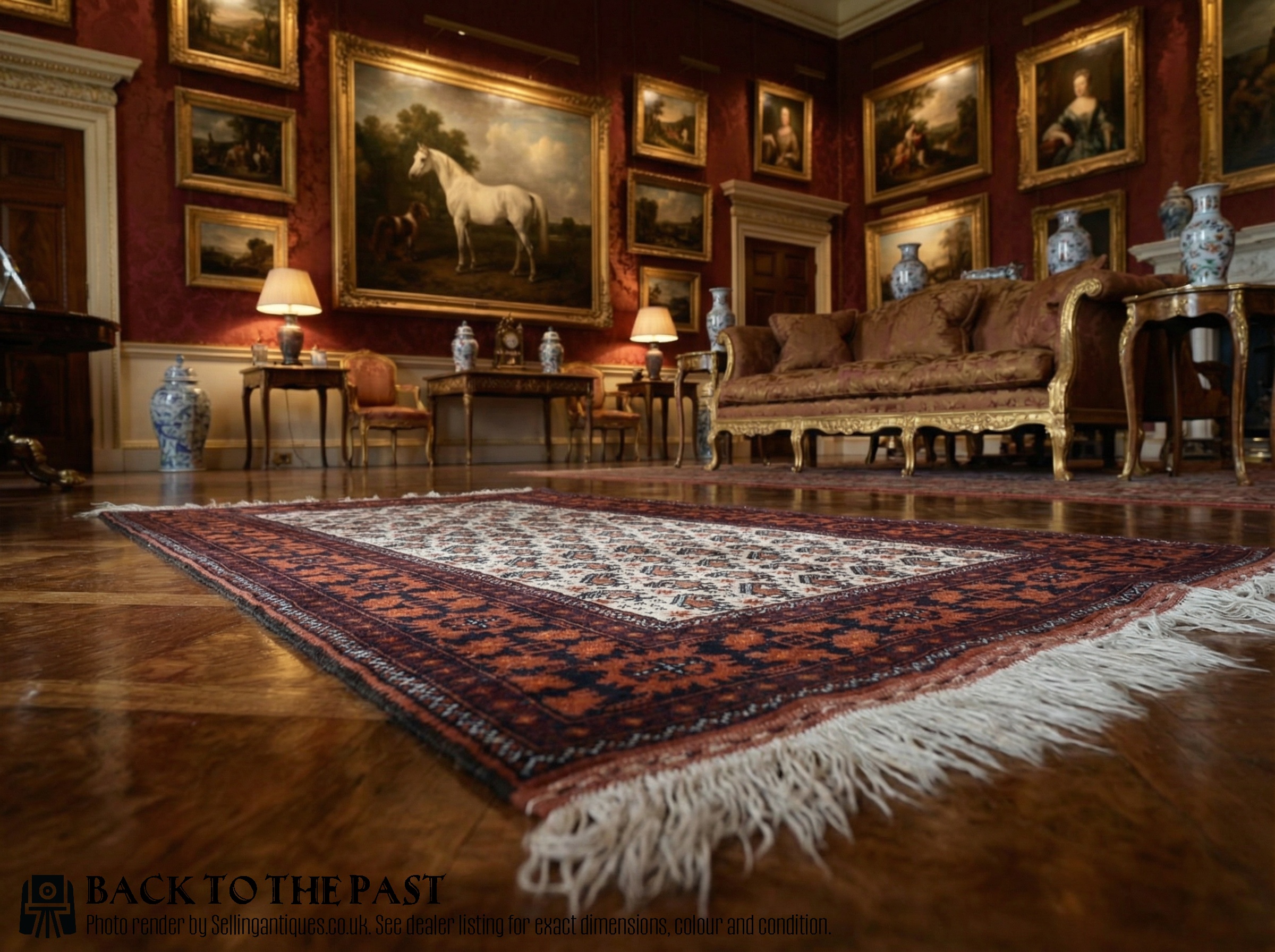
Antique Style Wool Rug
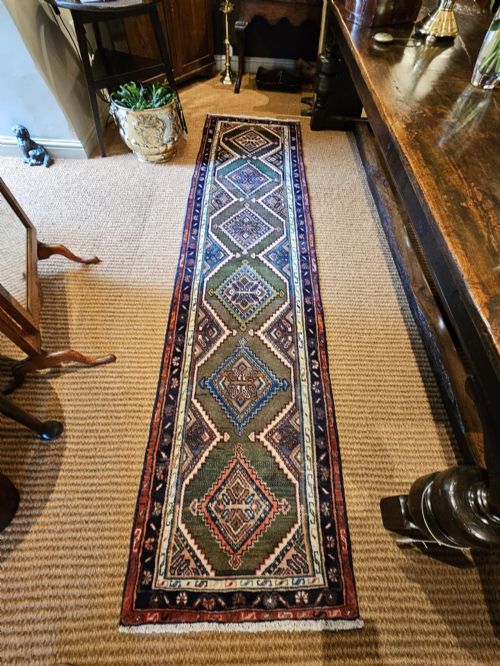
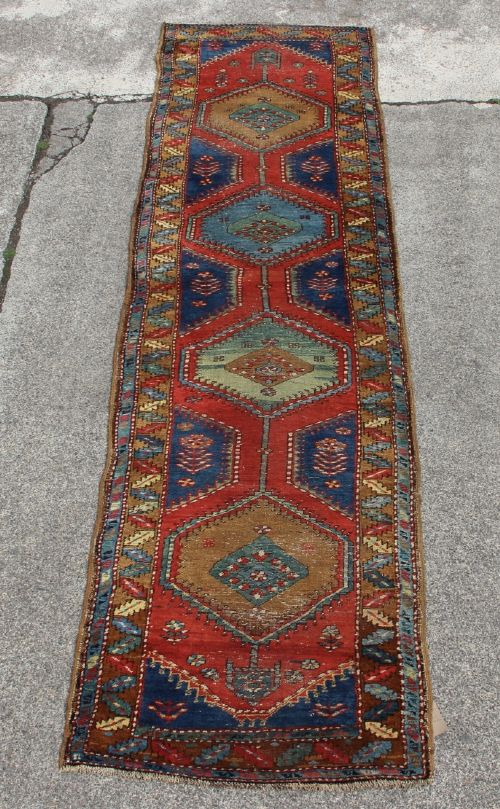
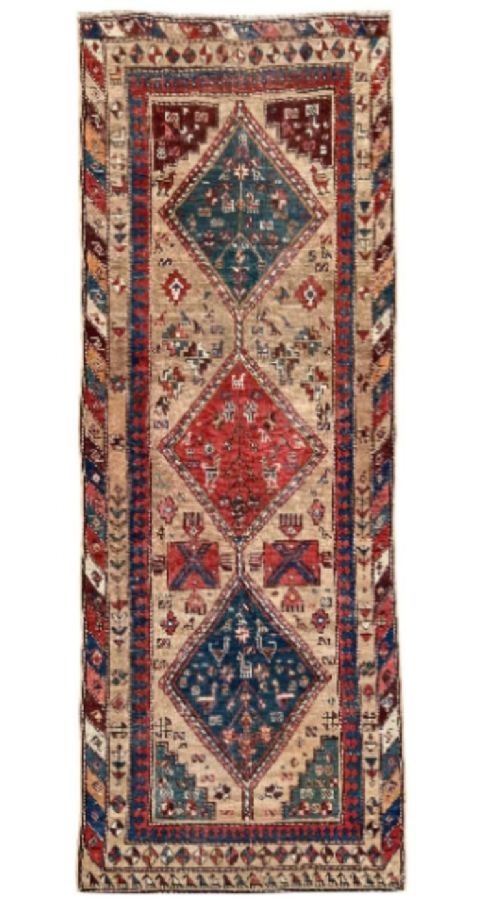
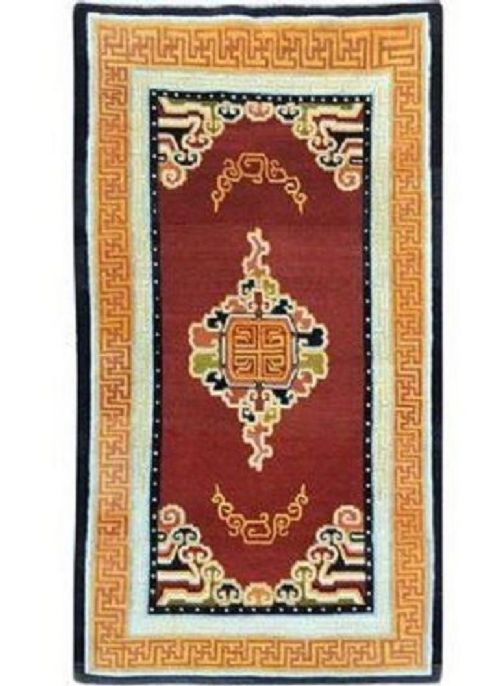
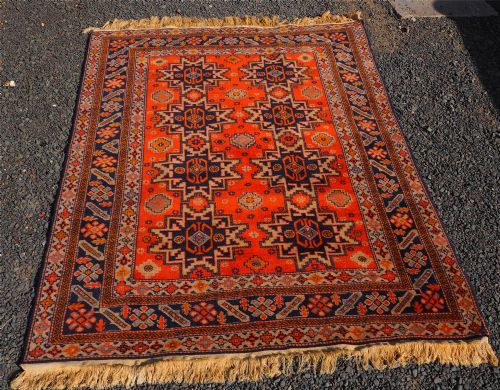
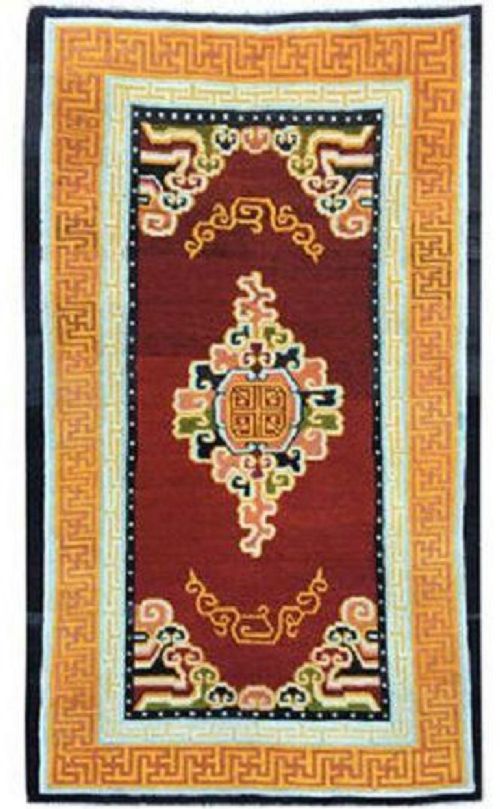
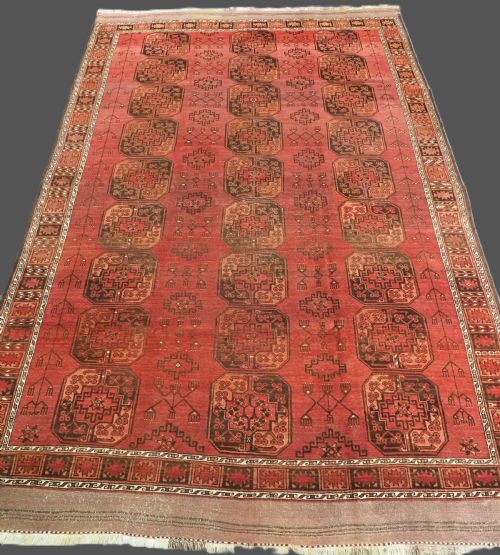
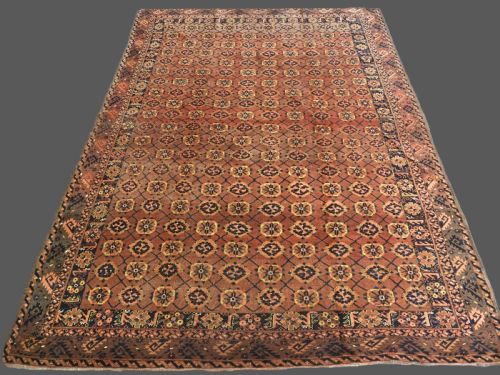
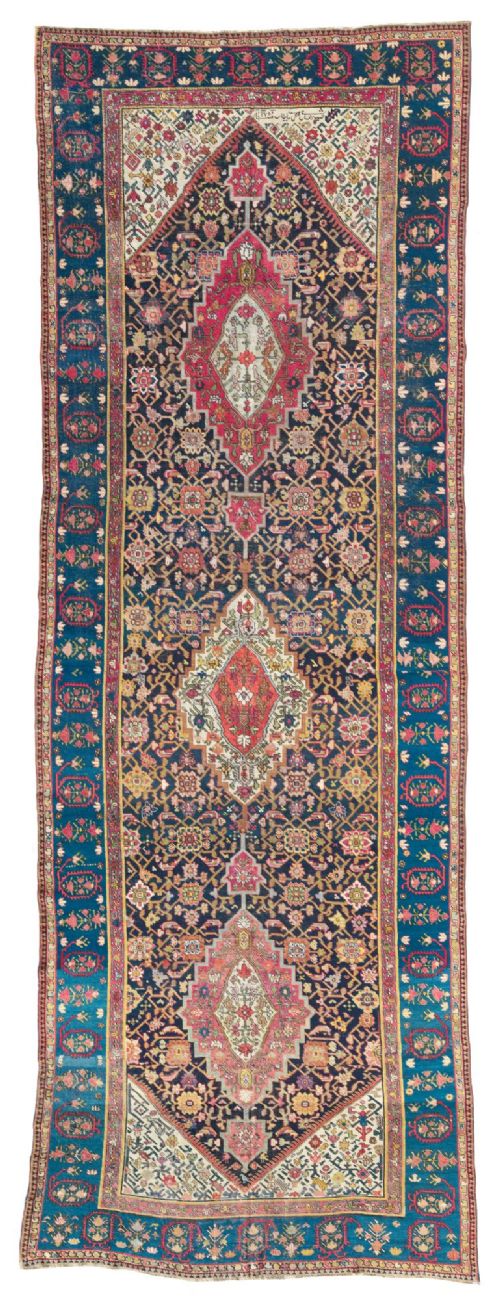
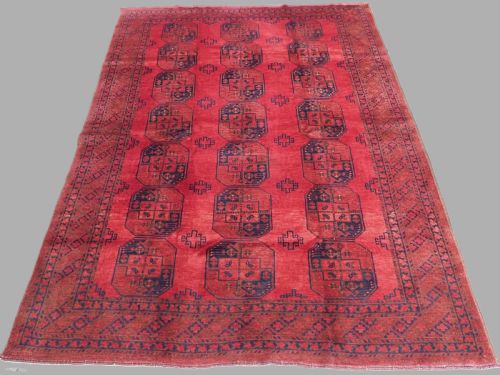
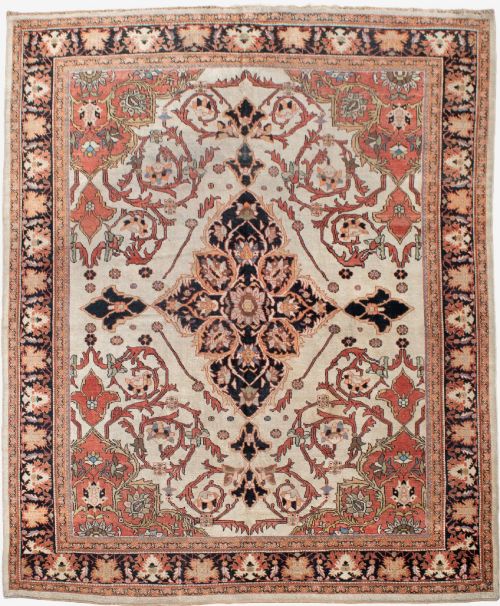
When searching for an antique style wool rug, buyers find floor coverings originating from nineteenth and early twentieth century periods, spanning village and tribal workshops across Persia, the Caucasus, Anatolia, and Central Asia. These pieces appear in formats ranging from small prayer rugs and bag faces to room-sized carpets and long runners.
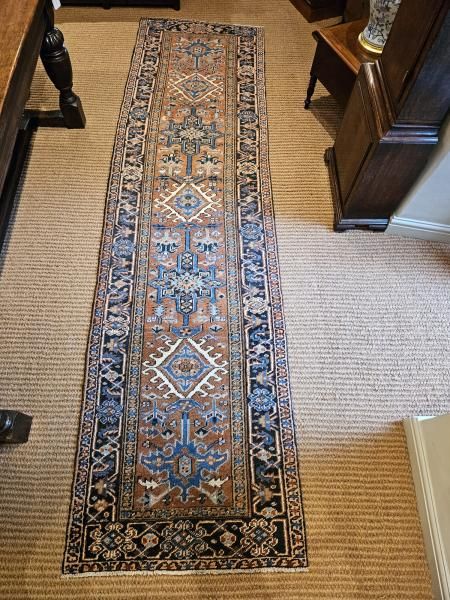
The selection here draws heavily on Persian Heriz, Caucasian, Afghan, and Turkmen tribal traditions, offering geometric medallions, all-over patterns, and warm red or olive green backgrounds. Buyers are most likely to encounter room carpets or hallway runners carrying the distinct motifs of nineteenth century weaving centres.
How these rugs were made
Makers utilised natural materials including wool, hand-spun wool, cotton, and occasional touches of silk to build durable pile carpets. Weavers knotted these fibres by hand onto cotton or wool foundations, creating dense structures designed to withstand decades of heavy use.
Dyers employed natural colourants to achieve the deep reds, navy blues, and mellow tones visible across nineteenth and early twentieth century pieces. The combination of hand-spun wool and traditional knotting techniques accounts for the enduring structural integrity of these floor coverings.
Materials recorded on this page include hand-spun wool, cotton, and occasional silk highlights set within traditional village formats.
What varies in quality
Quality rests upon the fineness of the knotting and the complexity of the design execution within regional traditions such as Heriz, Kazak, or Oushak. Tighter knots and precise geometric placement separate master village weavers from simpler utilitarian pieces.
The condition of the wool pile and the integrity of the foundation threads determine the longevity and visual impact of each carpet. Original dyes and evenly aged wool retain a richness that elevates an antique textile.
The Antique Style Wool Rug Glossary
- Pile
- The upright yarn loops that form the soft surface of a rug. Wool and silk pile provide warmth and texture underfoot.
- Runner
- A long, narrow carpet format designed for hallways and corridors. These pieces measure significantly longer than they are wide.
- Kelleh
- A large, elongated format rug traditionally produced in Persian workshops. It sits proportionally between a standard room carpet and a runner.
- Bag face
- The decorative front panel of a tribal storage sack, woven as a small rug. These pieces display concentrated tribal patterns and compact dimensions.
- Warp
- The vertical foundation threads stretched lengthwise on a loom. Weft threads cross these to secure the knots in place.
Antique Style Wool Rug: Frequently Asked Questions
How do I place a runner?
Runners fit narrow spaces such as hallways, corridors, and galley kitchens where floor protection is needed.
Measure the clear floor space carefully, leaving a border of bare timber or stone visible on either side.
How should I clean a wool rug?
Vacuum gently using suction attachments without rotating brushes that pull at historic fibres.
Professional specialist cleaning is necessary for deep washing to protect natural wool pile and traditional dyes.
Are these rugs suitable for high traffic?
Hand-knotted wool rugs withstand regular household foot traffic due to dense pile construction.
Underlay helps prevent slipping and cushions the foundation threads against hard flooring.
How do I identify a Heriz carpet?
Heriz carpets display bold geometric central medallions paired with angular corner spandrels.
These Persian pieces use sturdy wool foundations and robust knotting suited for heavy domestic use.