

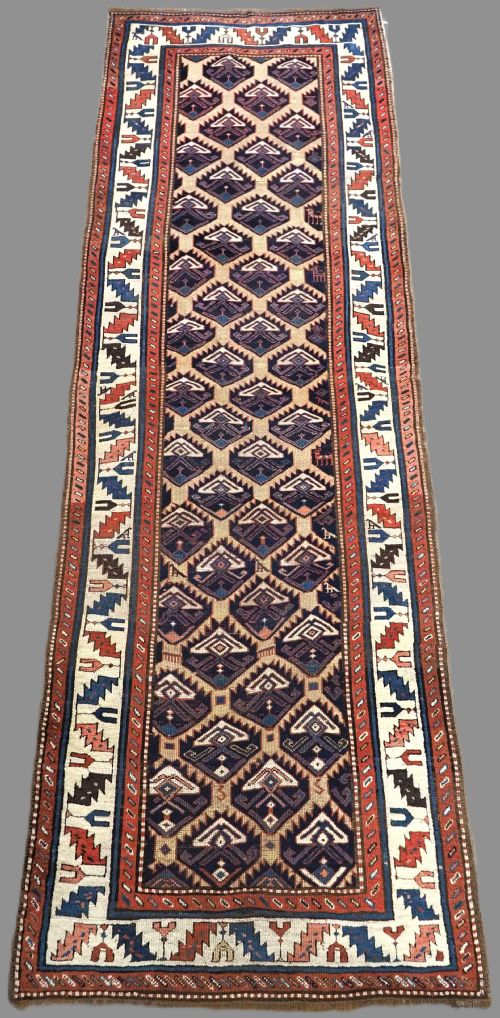
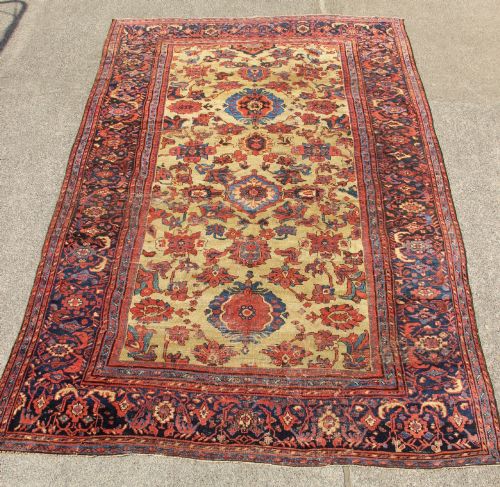
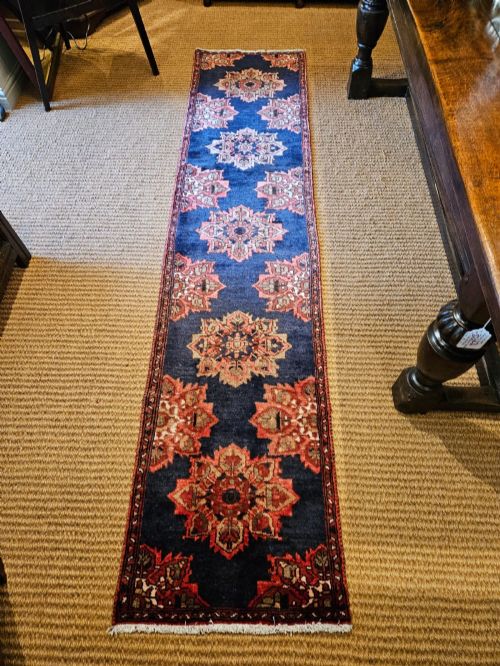
Patterned Wool Rug
A patterned wool rug brings warmth and historic craftsmanship into a room through dense hand-knotted pile and traditional regional designs.
Patterned Wool Rug
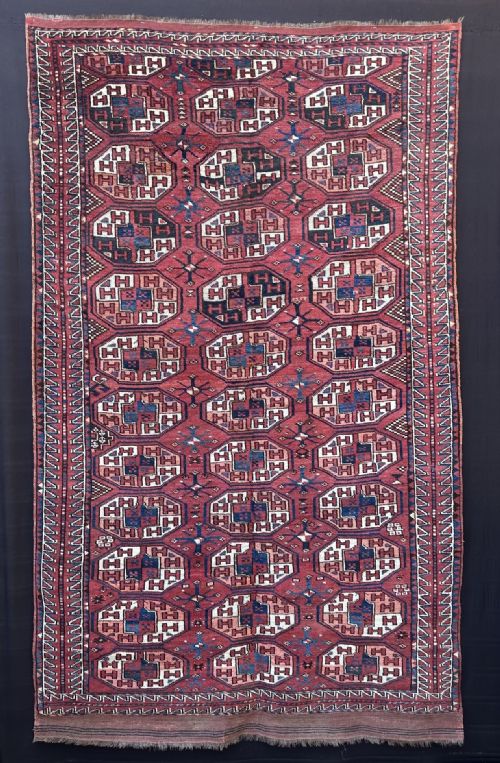
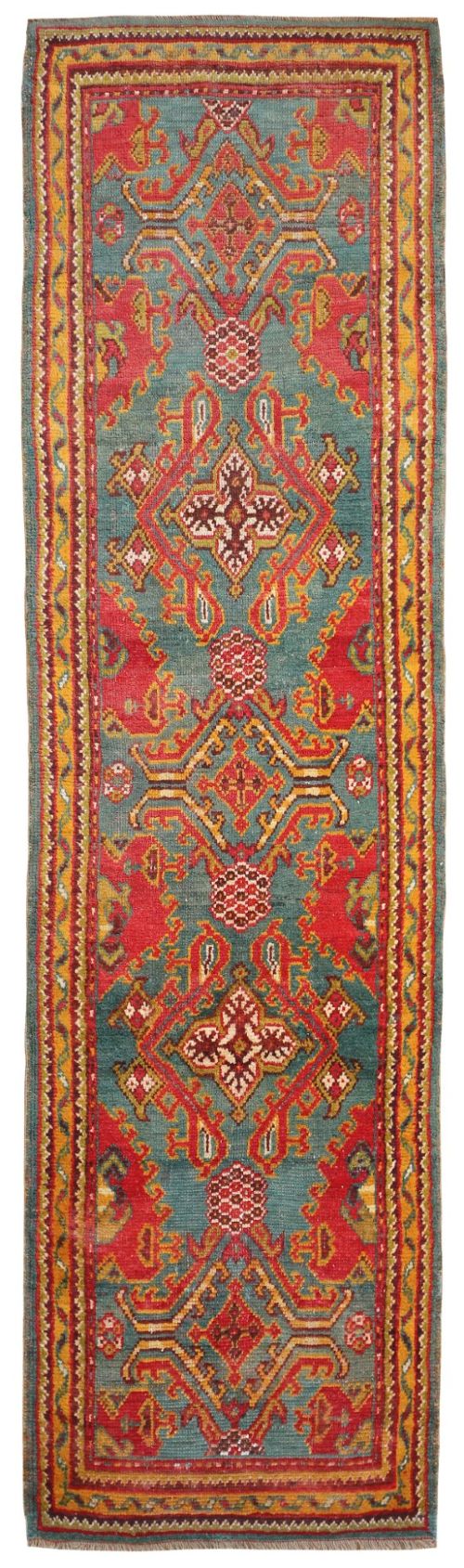
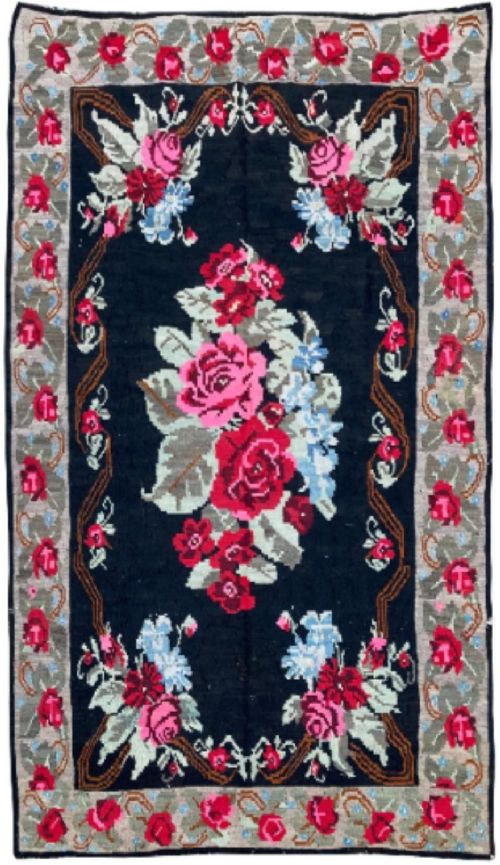
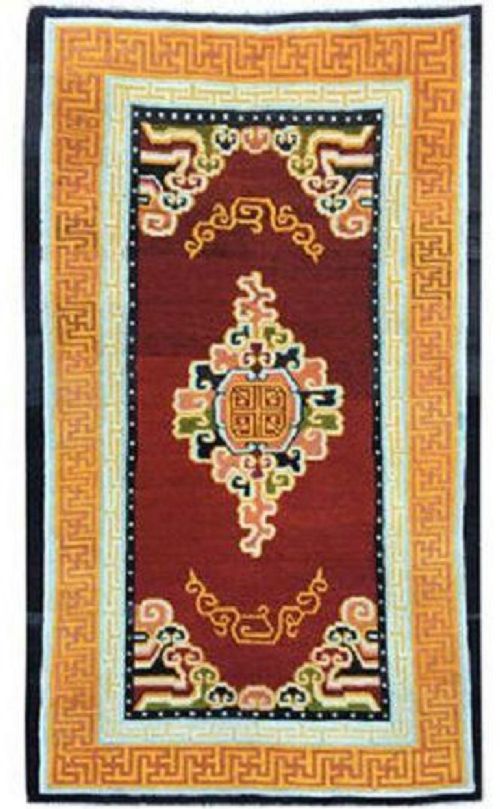
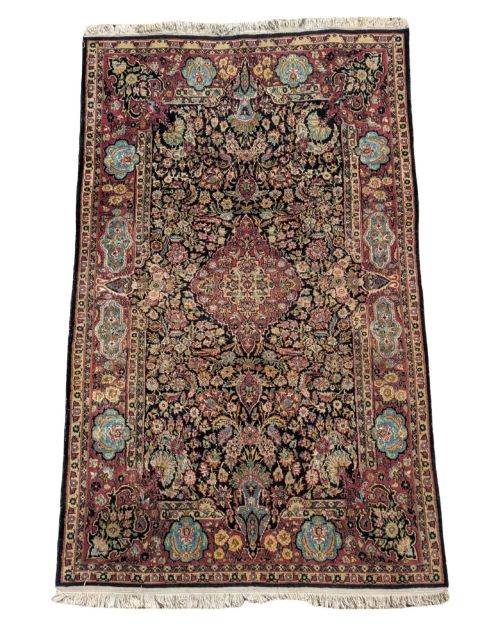
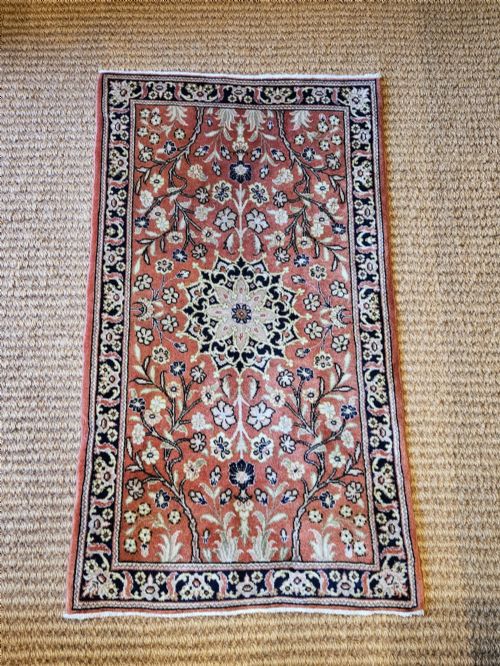
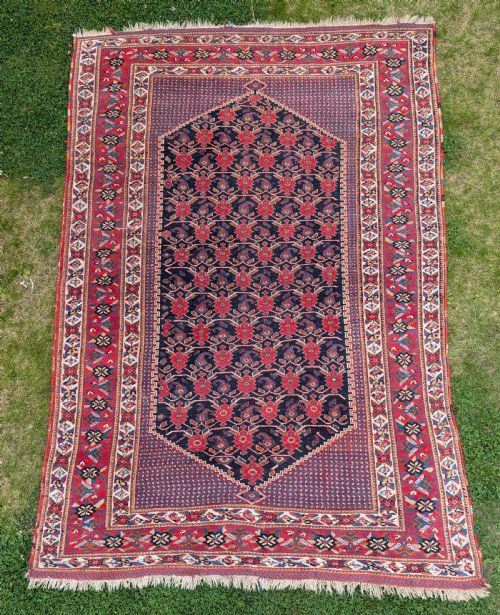
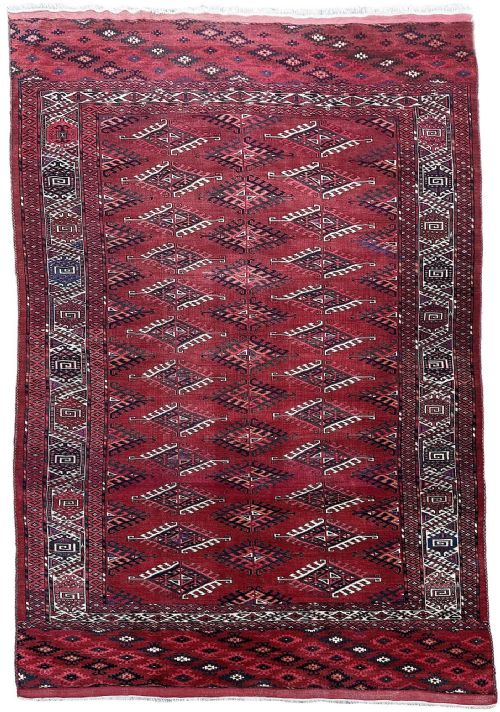
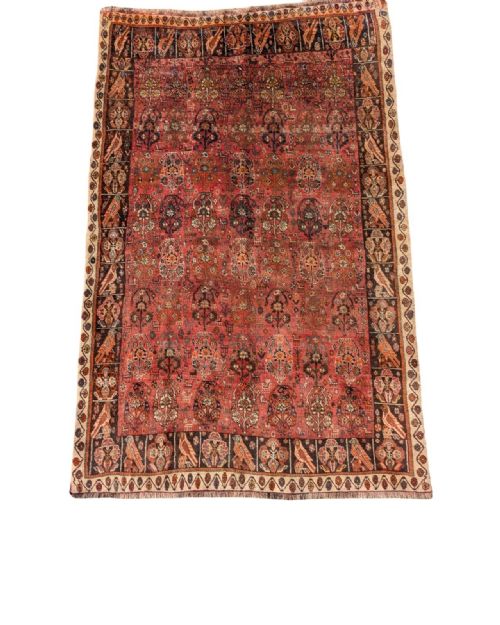
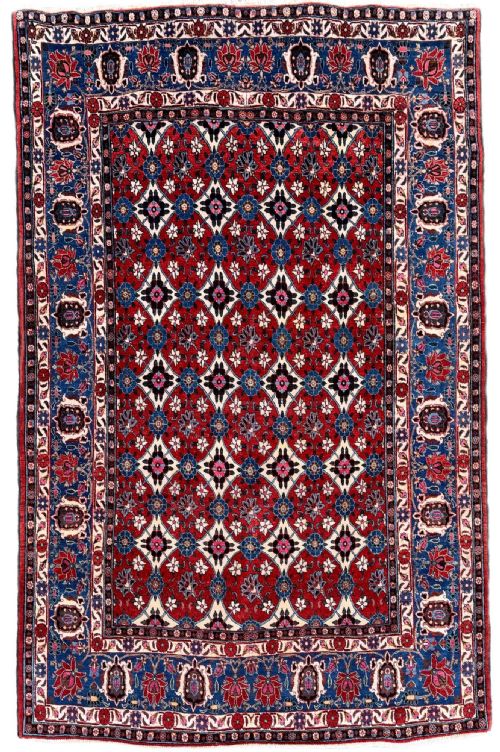
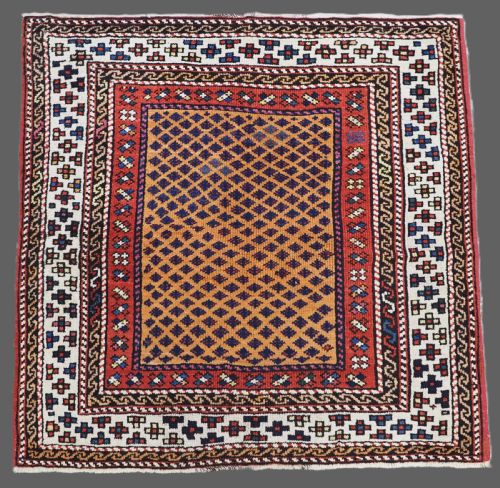
A patterned wool rug encompasses hand-knotted floor coverings, runners and ceremonial textiles originating from Persia, the Caucasus, Central Asia and Turkey. These pieces date from the mid-nineteenth century through the early twentieth century, showing distinct tribal and regional weaving traditions.
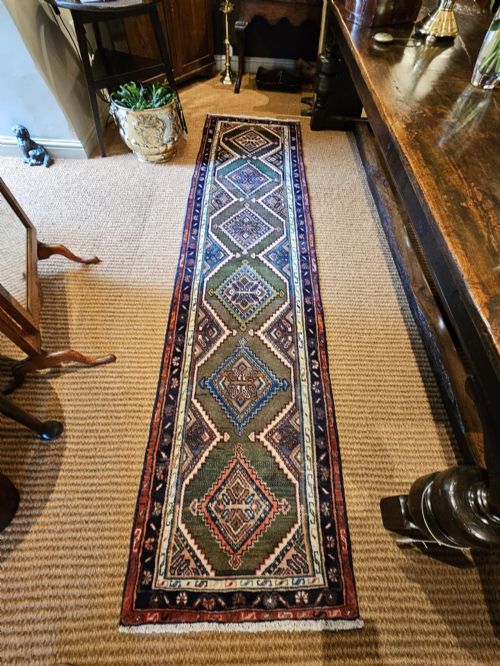
Buyers encounter formats ranging from large carpets and square hearth rugs to long hallway runners and tent door hangings. The selection relies heavily on nomadic and village workshops where makers utilised wool, cotton foundations and natural dyes.
How they were made
Weavers constructed these textiles using hand-spun wool for the pile, often paired with cotton or wool foundations depending on the regional origin. Artisans knotted the yarn by hand over months of labour to build durable, dense structures.
Makers applied natural dyes to colour the wool, yielding rich hues that aged across decades of use. Silk highlights occasionally appear in specific Persian carpets to add texture and catch the light.
Patterned Wool Rug Retail Price Guide 2026
Typical asking prices for patterned wool rug among the pieces listed under this phrase on Sellingantiques today, from the lower quarter to the upper quarter. They describe what is for sale here now, not the wider market.
Natural dyes and hand-spun wool appear alongside silk highlights in select Persian and Central Asian carpets.
What varies in quality
Knot density and the precision of the geometric or floral design determine the fineness of a rug. Higher quality examples display tightly packed knots on the reverse and crisp execution of intricate lattice or medallion motifs.
The choice of materials and the stability of the natural dyes influence how well a carpet withstands foot traffic. Uniform wool preparation and balanced proportions separate standard village pieces from master-woven city carpets.
The Patterned Wool Rug Glossary
- Runner
- A long, narrow carpet format designed specifically for hallways and corridors. These pieces typically measure significantly longer than they are wide.
- Kilim
- A flat-woven textile produced without a pile by tightly interweaving warp and weft threads. Collectors value these for their crisp graphic patterns and lighter weight.
- Boteh
- A traditional teardrop or almond-shaped motif representing a floral spray or cypress tree. This pattern appears frequently across Persian and regional carpets.
- Engsi
- A specialised rug type traditionally hung over the entrance inside a nomad tent. These pieces feature distinct cross-panel designs associated with Turkmen weaving.
- Pile
- The upright yarn surface of a rug formed by individual knots tied to the foundation. Dense pile provides both physical cushioning and protection for the underlying structure.
Patterned Wool Rug: Frequently Asked Questions
How do I clean an antique rug?
Gentle surface brushing and professional specialist washing remove embedded grit without damaging natural wool fibres or historic dyes. Avoid harsh chemical detergents and mechanical scrubbing.
Regular light vacuuming without a rotating beater bar prevents dust accumulation in the pile between specialist cleans.
Can I use a runner in a hallway?
Long narrow formats fit naturally along corridors and narrow entrance spaces to protect wooden flooring while adding colour. Placing an appropriate underlay beneath the textile prevents slipping and reduces wear.
High-traffic areas benefit from rotating the piece periodically to distribute foot pressure evenly across the length.
What is the difference between tribal and city rugs?
Nomadic and village weavers produced tribal rugs from memory, resulting in geometric motifs, irregular borders and expressive designs. City workshops followed precise cartoons drawn by master designers to create symmetrical floral carpets.
Materials and knot counts also reflect this divide, with village pieces often displaying heavier hand-spun wool and coarser structures.
How do I identify the age of a rug?
Examination of the dyes, wool preparation, knot structure and wear patterns provides clues to the manufacturing period. Natural dyes and hand-spun wool point toward nineteenth and early twentieth-century production.
Structural details and specific regional motifs help narrow down the decade and origin of the piece.