

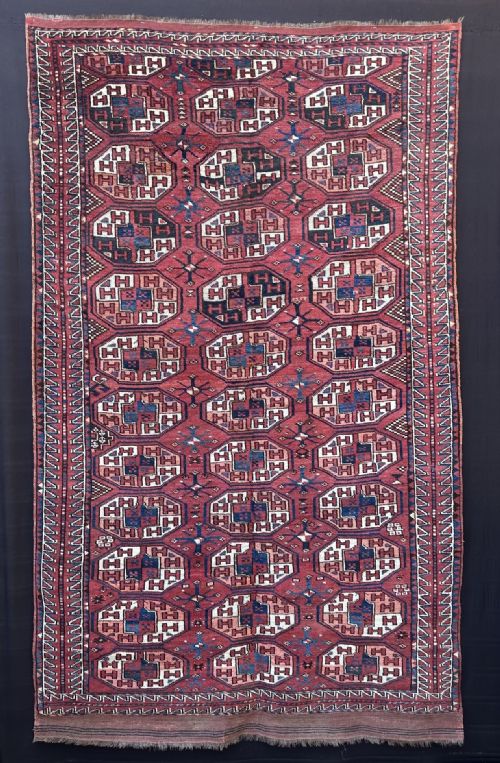
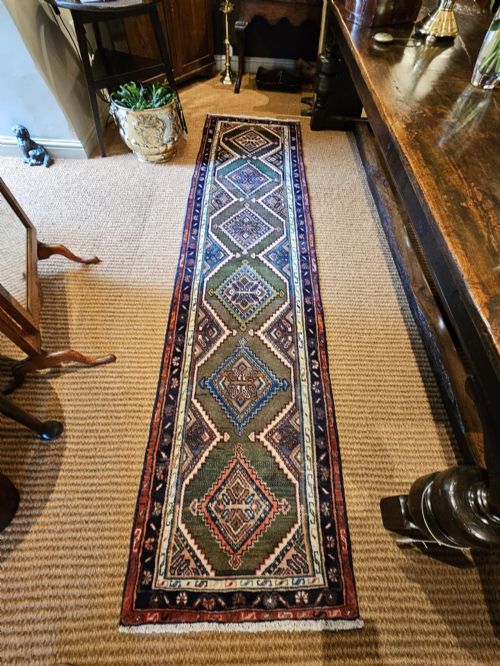



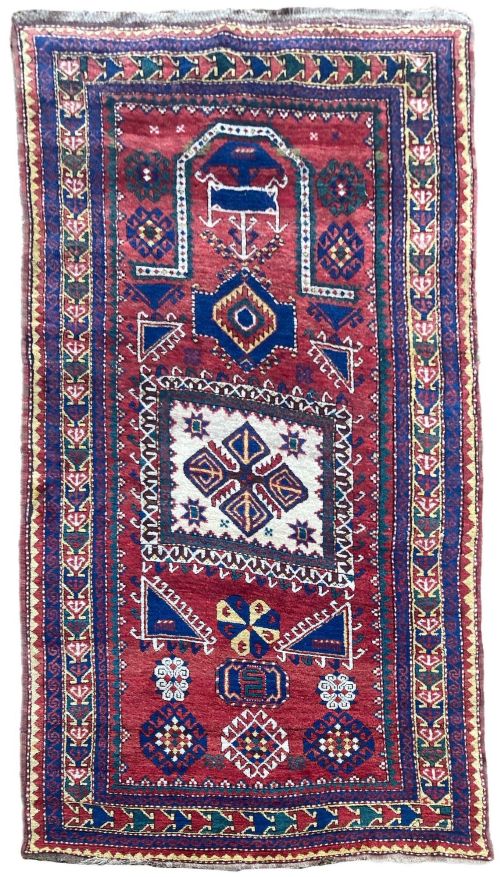
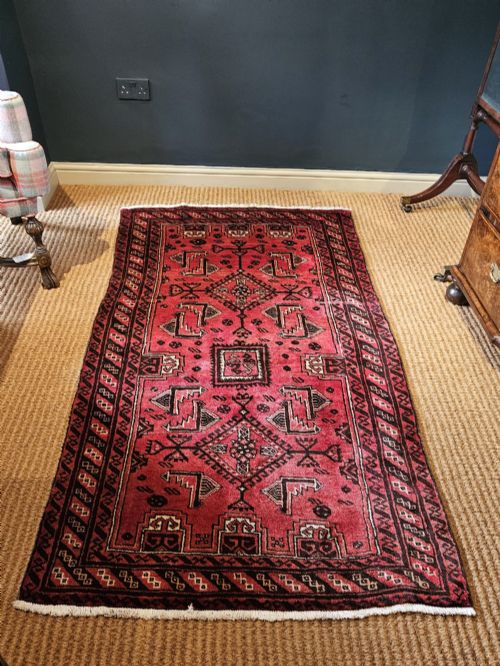

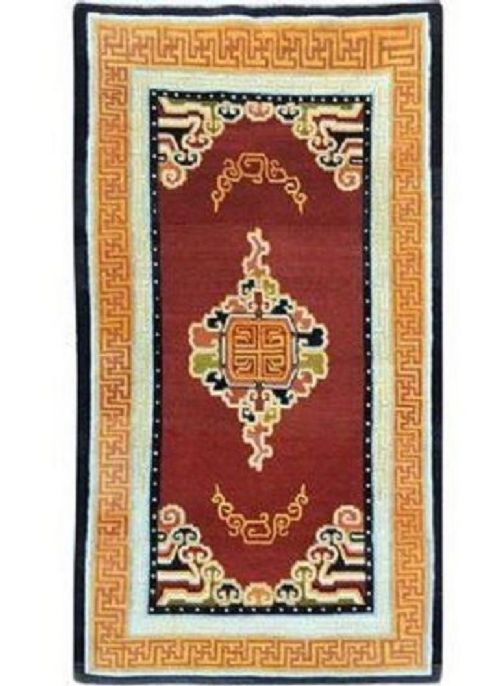
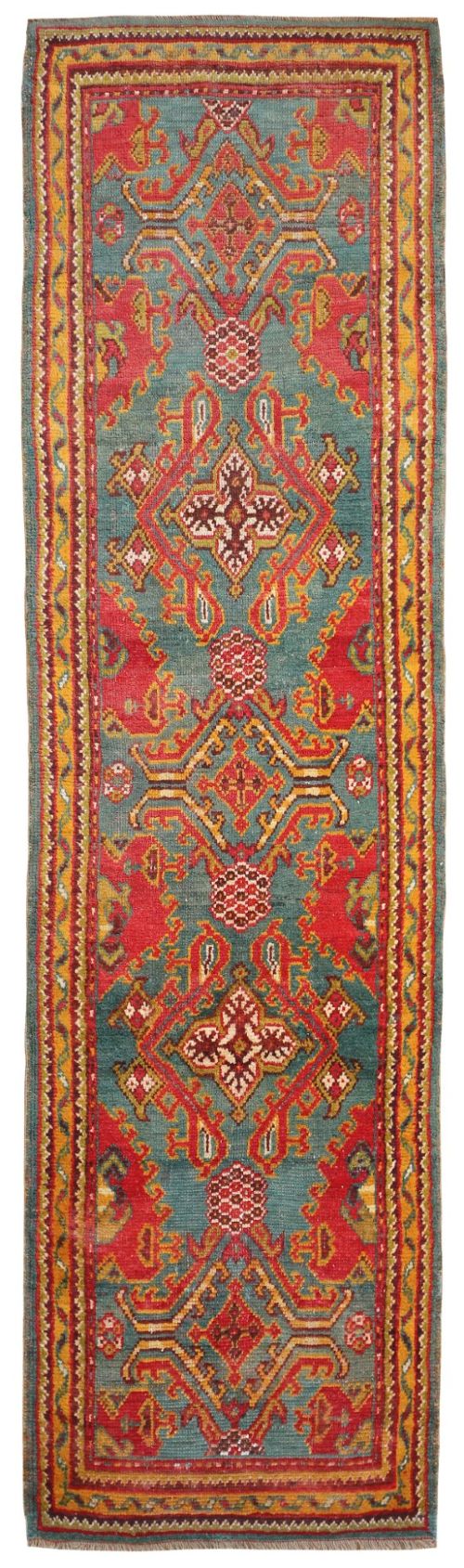
Traditional Carpet Runner
A traditional carpet runner grounds a narrow space with patterned warmth, bringing centuries of weaving heritage directly into a hallway.
Traditional Carpet Runner
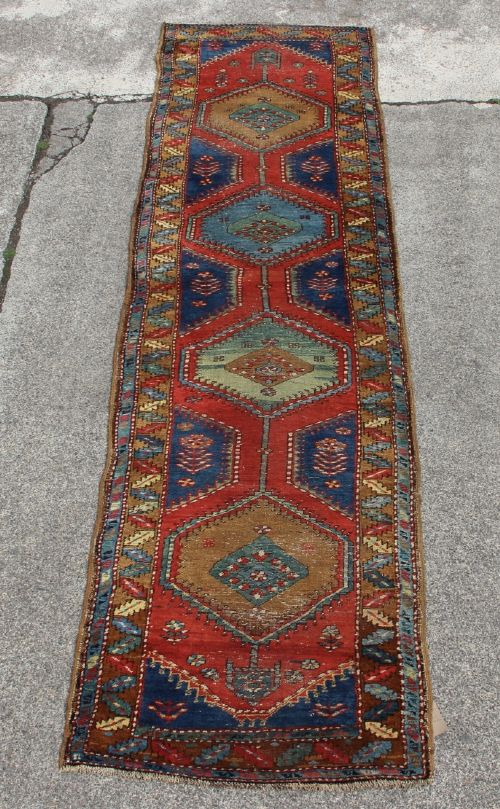
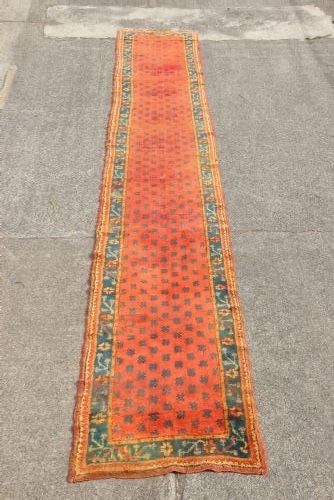
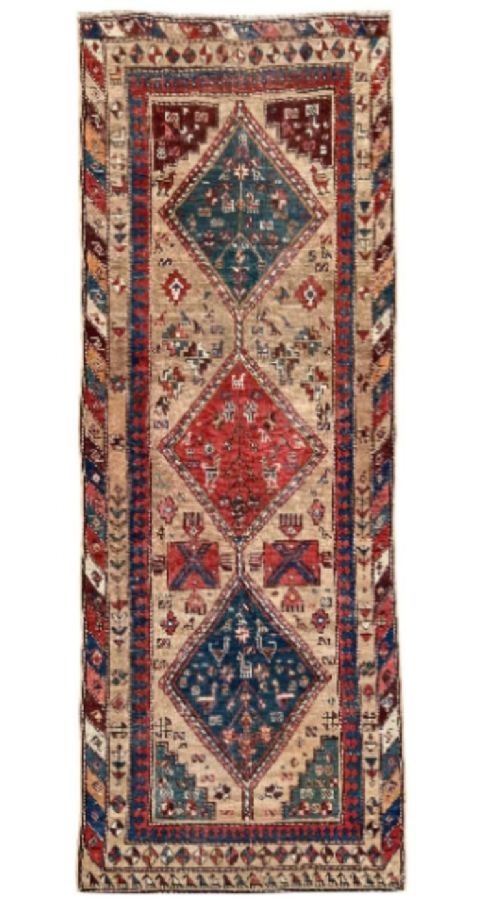
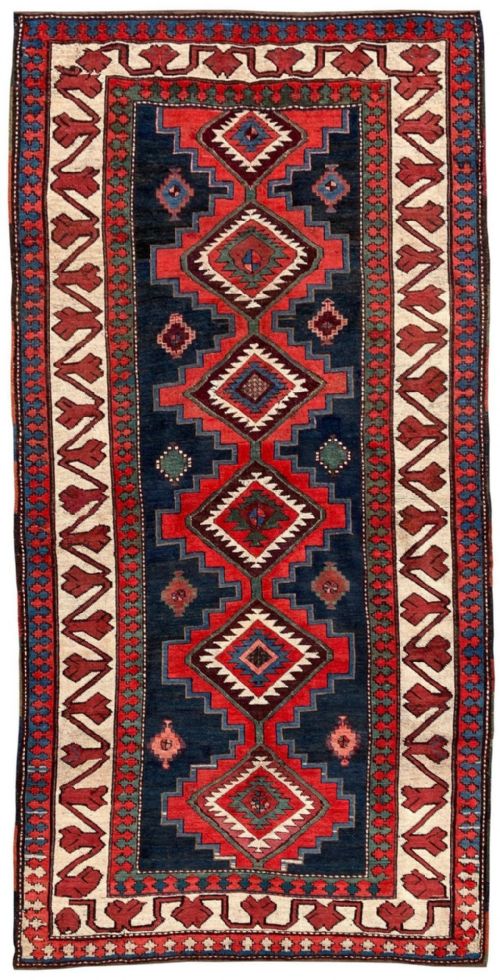
A traditional carpet runner is a long, narrow textile designed specifically for hallways and corridors, providing both acoustic comfort and visual structure. The examples gathered under this search phrase span formats from village workshops and nomadic camps, featuring elongated proportions suited to linear spaces.
Most pieces seen here originate from Persia, the Caucasus, Anatolia, and Central Asia, alongside Tibetan examples. These long formats were woven to span domestic thoroughfares, utilising resilient materials built to endure daily foot traffic.
Makers ranged from settled village weavers to tribal groups working on portable looms. Their output includes named regional types such as Hamadan, Heriz, and Oushak, each showing distinct geometric or floral layouts scaled for corridors.
Materials and Construction
Wool serves as the primary material for pile and foundation, often supplemented by cotton foundations in later or more urban workshop pieces, alongside occasional uses of silk and camel hair for specific accents or detail work.
Weavers employed hand-knotted pile techniques on vertical looms, creating dense structures designed to withstand heavy use. Natural dyes derived from local plants and minerals provided the rich palette seen across these antique and vintage floor coverings.
The listings span weaving traditions from the mid nineteenth century through to the 1930s, using wool, cotton, silk, and camel hair.
Evaluating Quality and Character
Knot density and structural integrity dictate the baseline durability of each runner, while the nuance of the natural dye palette determines its visual depth. Tighter knotting allows for crisper execution of intricate geometric medallions or repeating lattice motifs.
The harmony of proportion between the central field and the guarding borders separates standard village production from finer workshop output. Original end finishes and intact selvedges preserve the structural integrity and historical completeness of the textile.
Kizyl Ayak Tribe·Baluch Tribe·Kashgai Tribe·Shahsavan Tribe
The Traditional Carpet Runner Glossary
- Runner
- A long, narrow carpet format traditionally utilised for hallways, corridors, and stairs. These pieces balance length with restricted width to fit transitional architectural spaces.
- Pile
- The upright yarn loops that form the soft surface of a carpet, created by knotting wool, silk, or cotton onto a structural warp and weft foundation.
- Warp
- The vertical foundation threads stretched tightly on the loom before weaving begins. The visible ends of these threads often form the fringe at either end of the rug.
- Weft
- The horizontal threads passed alternately over and under the warp threads to lock the knots firmly in place. This grid provides the underlying structural tension.
- Selvedge
- The reinforced outer edge of a carpet running parallel to the warp, bound to prevent fraying and maintain the straight linear shape.
Traditional Carpet Runner: Frequently Asked Questions
How do I measure for a hallway runner?
Measure the clear length of your hallway while leaving equal strips of bare flooring visible around the perimeter for proportion. Ensure clearance allows doors to swing freely over the pile thickness.
Account for any radiators or architectural protrusions that might obstruct a straight linear run.
Are these runners suitable for heavy traffic?
Traditional runners woven with dense wool pile on sturdy foundations handle everyday corridor foot traffic exceptionally well. Their resilient natural fibres recover quickly from compression underfoot.
Regular rotation distributes wear evenly along the length of the runner in high-use passageways.
How do I distinguish regional Persian designs?
Heriz runners typically display bold geometric medallions with large angular corners, whereas Hamadan pieces often feature repeating Herati patterns or pole medallions. Oushak runners lean towards softer floral motifs rendered in muted terracotta and yellow tones.
Examining the specific knotting structure and wool quality helps confirm the geographic origin.
What underlay should I use?
A breathable, rubberised mesh underlay prevents the runner from slipping on timber or stone floors while providing additional cushioning. This extra layer reduces friction between the foundation and the floorboards.
Choose a pad specifically rated for antique textiles to protect the original fibres.