
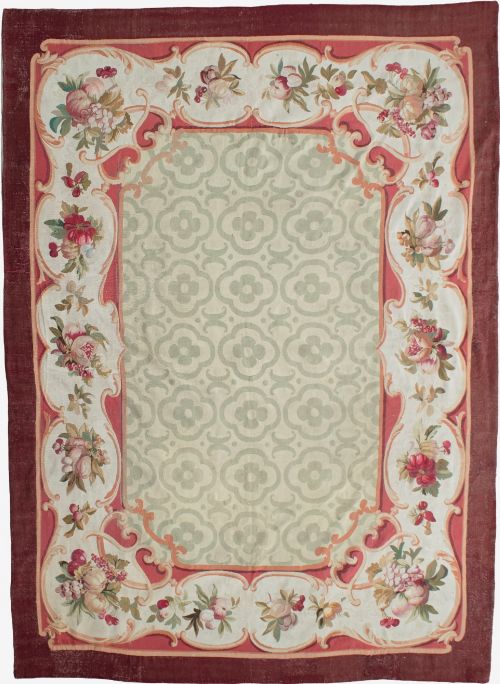


Green Wool Rug
A green wool rug brings depth and warmth to a room through centuries-old weaving traditions.

Green Wool Rug
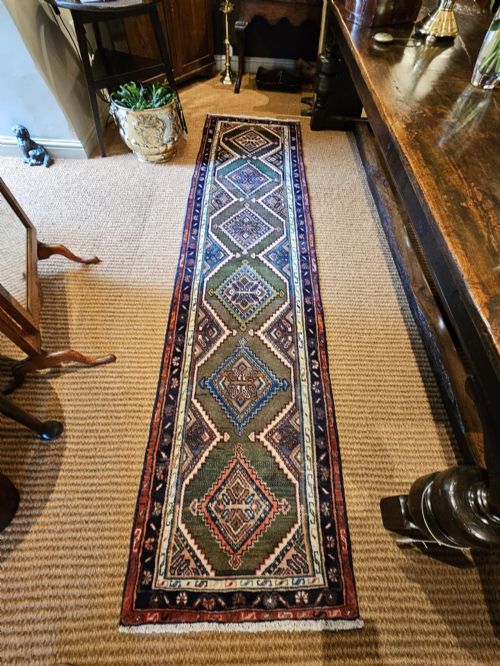
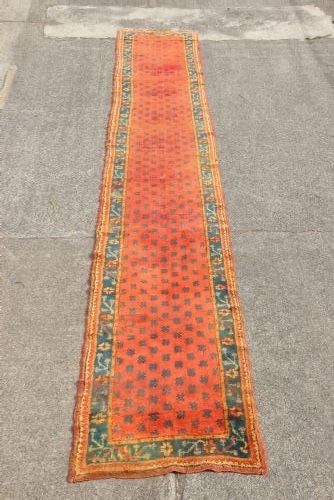
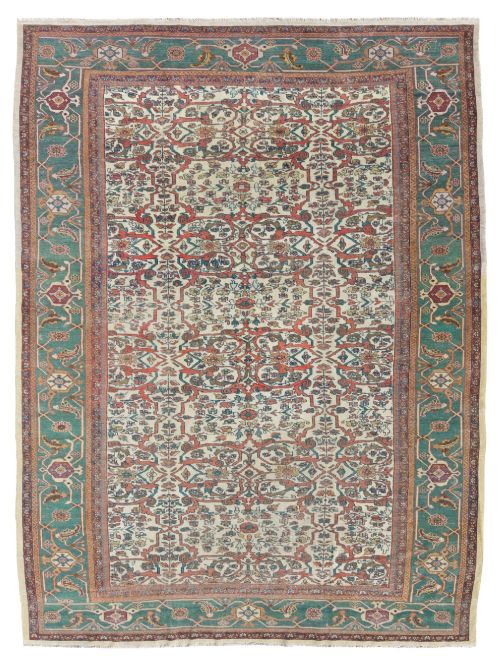
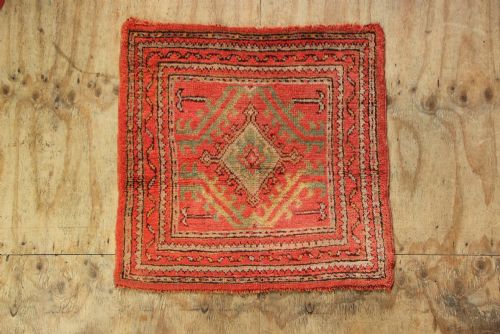
When searching for a green wool rug, buyers encounter floor coverings originating from Turkey, the Caucasus, Persia, and Europe, dating from the eighteenth century to the mid-twentieth century. The selection includes long runners, square formats, and large carpets created for functional floor use or devotional prayer.
The most frequent examples on this page are antique Turkish carpets from centres such as Ushak, alongside Caucasian and Persian village rugs. These pieces often incorporate wool pile knotted onto wool or cotton foundations, displaying regional geometric and floral motifs.
Materials and construction
The construction relies predominantly on wool for the pile, combined with cotton, linen, hemp, jute, or canvas for the warp and weft foundations. Certain regional pieces utilise silk, angora wool, or specific flatweave techniques such as kilim and chain stitch embroidery.
Dyers achieved green shades using natural mordants and vegetable dyes on animal fibres before synthetic alternatives became widespread in later decades. Hand-knotting and flatweaving methods ensure structural durability across generations of use.
Green Wool Rug Retail Price Guide 2026
Typical asking prices for green wool rug among the pieces listed under this phrase on Sellingantiques today, from the lower quarter to the upper quarter. They describe what is for sale here now, not the wider market.
Several centuries ago, weavers tucked stray animal hairs directly into the foundation wool just for good luck.
Quality and distinction
Quality rests in the crispness of the drawing, the saturation and balance of the vegetable dyes, and the integrity of the foundation. A finer knot density and superior wool quality allow the pile to age evenly while retaining structural strength.
Scarce colour fields, such as distinct olive, pistachio, or aquamarine grounds, elevate specific workshop and village examples above standard commercial productions.
The Green Wool Rug Glossary
- Pile
- The upright yarn loops or tufts forming the soft surface of a knotted carpet. It provides the texture and absorbs wear during daily use.
- Warp
- The vertical foundation threads stretched tightly on a loom prior to weaving. Wefts are passed across them to secure the knots.
- Weft
- The horizontal threads passed alternately over and under warp threads to bind the structure together. They stabilize the woven format.
- Kilim
- A flatwoven textile produced without a raised pile by tightly interweaving warp and weft strands. These pieces lie thin on the floor.
- Prayer rug
- A small format textile featuring a mihrab niche design indicating the direction of prayer. Historically utilised for personal devotion.
Green Wool Rug: Frequently Asked Questions
How do I clean an antique wool rug?
Gentle surface brushing and professional specialist washing preserve the natural lanolin within the wool fibres. Avoid harsh chemical detergents that strip the historical dye combinations.
Regular rotation prevents uneven sun exposure and balances foot traffic across the pile. Proper padding underneath reduces friction against hard flooring.
Can I place these rugs in high traffic areas?
Sturdy village and workshop carpets withstand regular walking provided they rest upon a supportive underlay. Dense wool pile absorbs daily friction without losing structural integrity.
Lighter flatweaves and delicate prayer formats suit spaces with lower foot movement. Selecting the correct placement safeguards the historical foundation.
How are different regional styles identified?
Geometrical medallions, prayer niches, and floral border arrangements point to specific weaving traditions in Turkey, the Caucasus, or Persia. Palette choices and knotting structures further clarify the geographic origin.
Comparing border motifs against documented village types reveals the precise workshop or district of manufacture. Expert consultation confirms attribution when patterns overlap.
What causes variations in green wool rug tones?
Natural dye ingredients react differently to wool batches and mordants over decades of exposure to light. Olive, pistachio, and blue-green shades shift subtly as the plant materials age.
Hand-spun wool absorbs pigment unevenly, creating abrash effects across the field. These natural tonal variations demonstrate authentic hand-dyeing processes.