




Medallion Pattern Rug
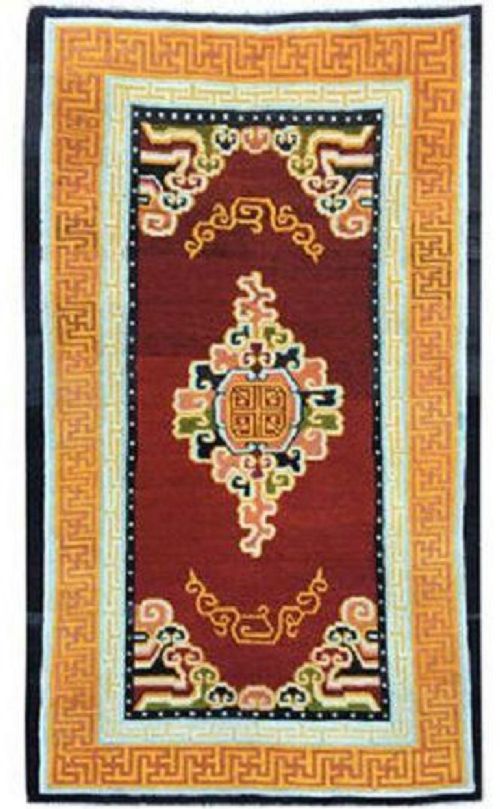
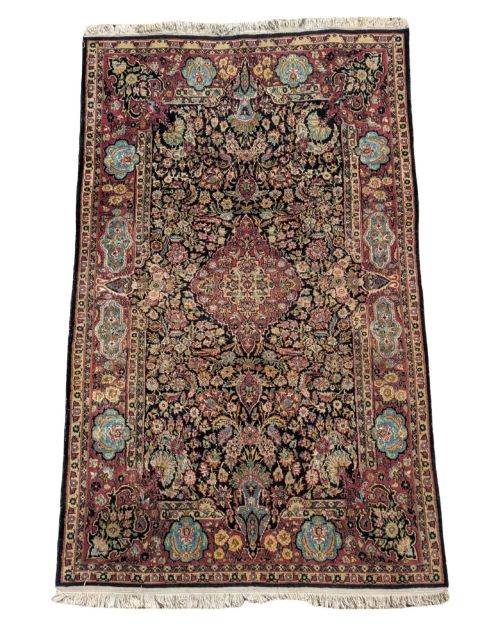
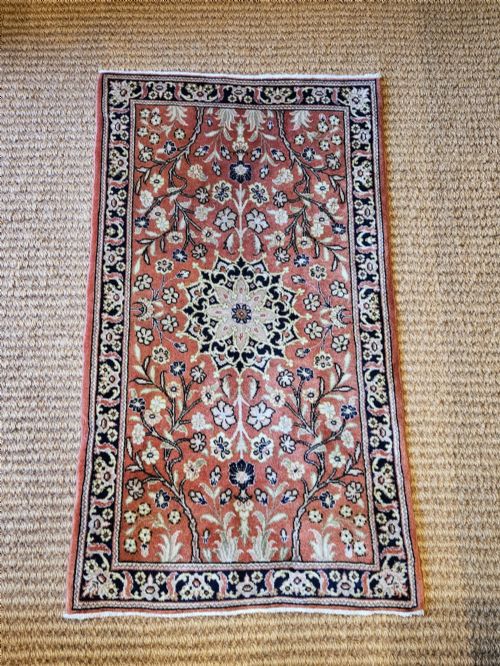
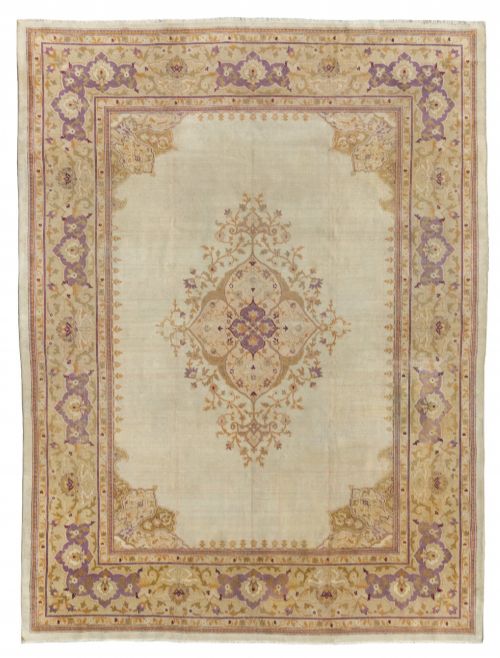
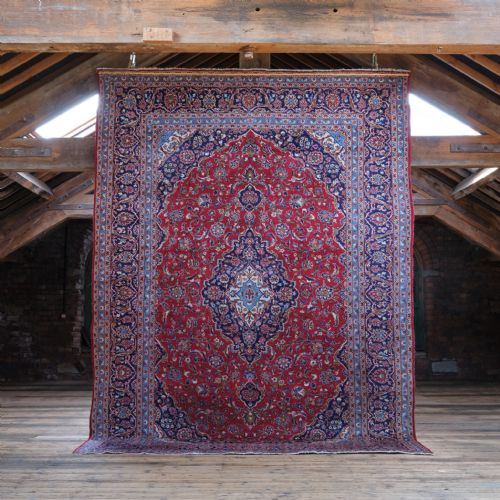
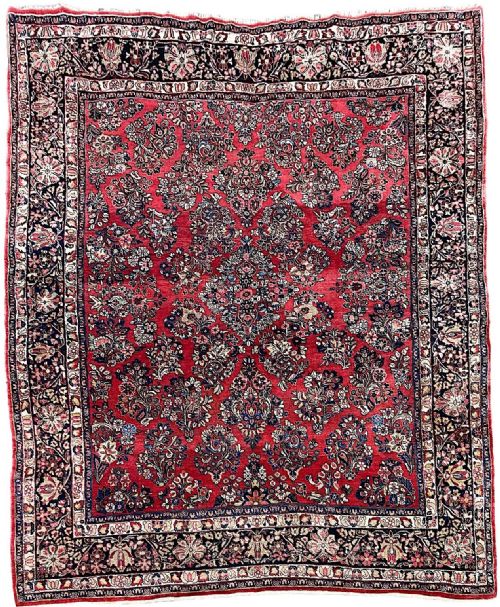
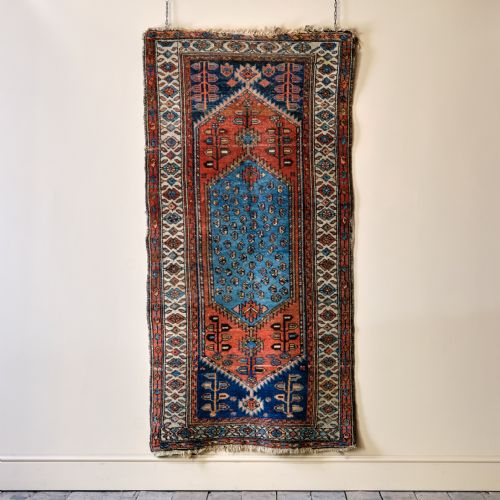
These medallion pattern rug examples anchor a room with centuries of regional weaving traditions and centred geometric or floral motifs.
Medallion Pattern Rug
A medallion pattern rug brings traditional regional weaving into a modern interior through floor coverings defined by a central ornamental motif. These pieces span the nineteenth and twentieth centuries, originating from workshops and tribal centres across Persia, the Caucasus, and Anatolia.
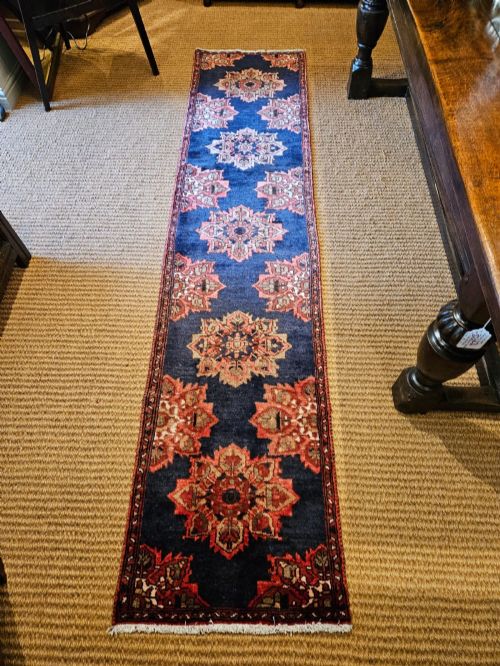
The selection ranges from large palace carpets and room-sized area rugs down to hearth sizes and long runner rugs. Regional designations like Heriz, Kazak, Oushak, and Senneh appear frequently among the listings, each bringing distinct drawing styles and palette choices.
How They Were Made
These floor coverings are fundamentally hand knotted using natural fibres such as wool, cotton, and occasionally silk or mercerised cotton highlights. The foundation warps and wefts typically utilise cotton or wool, supporting dense wool pile construction that handles generations of foot traffic.
Weavers tied individual knots onto the warp threads by hand, resulting in durable textiles with varying pile depths depending on whether the piece originated from a nomadic tribal camp or a settled town workshop.
One recorded rug includes unexpected depictions of peacocks, animals, and figures alongside its Caucasian design elements.
What Varies in Quality
Quality rests upon the fineness of the knotting and the precision of the drawing within the central medallion and field. Tightly packed knots allow for crisper geometric or floral details and greater structural longevity under daily use.
The choice of materials also divides the grade, particularly the use of high-grade lustrous wool and supplementary silk highlights that add depth to the design. Furthermore, the integrity of the original borders and the consistency of natural dye colours separate standard village weaving from finer workshop productions.
The Medallion Pattern Rug Glossary
- Medallion
- The central ornamental design motif placed in the middle of the rug field. It acts as the visual anchor for the entire composition.
- Pile
- The upright yarn loops or cut ends that form the soft surface of the rug. It provides the texture and protects the foundational weave underneath.
- Warp
- The vertical foundation threads stretched lengthwise on the loom before knotting begins. All the horizontal wefts and knots are built around these structural lines.
- Weft
- The horizontal threads passed across the warp threads between rows of knots to bind the structure together. They stabilize the width of the textile.
- Runner
- A long and narrow format of rug designed specifically for hallways, corridors, or staircases. These pieces guide movement through domestic spaces.
Medallion Pattern Rug: Frequently Asked Questions
How do I style a medallion rug?
Centre the rug in the room so the central motif remains visible rather than hiding underneath heavy furniture. Allow the dominant colours in the medallion to guide your choice of surrounding soft furnishings and wall paint.
Keep surrounding patterns minimal to let the traditional geometry and floral drawing of the central field hold visual priority. These pieces work effectively on both bare timber floors and neutral fitted carpets.
Where should I place a runner rug?
Place runners in high-traffic transition areas such as long hallways, entryways, or alongside a bed in a bedroom. Ensure you measure the corridor width properly to leave an even border of exposed floor on either side.
Secure the runner with a suitable anti-slip underlay to prevent shifting and to protect the older foundation fibres from premature wear against hard flooring.
How do I care for an antique rug?
Vacuum the rug gently on a low suction setting without using a rotating beater bar that might catch the hand-knotted pile. Rotate the piece every six months to ensure even exposure to foot traffic and sunlight.
Address accidental spills immediately by blotting with a clean white cloth rather than rubbing. Professional cleaning is recommended periodically to maintain the integrity of the wool and cotton fibres.
How do I identify regional rug styles?
Examine the specific drawing style of the central medallion, corner spandrels, and border motifs to trace the origin. Bold geometric lines often point toward Caucasian or tribal Persian workshops, while curved floral sprays suggest town centres like Kashan or Ishfahan.
Note the materials and palette choices, as certain regions historically favoured specific natural dyes and structural densities. Comparing the knot count on the reverse side also helps distinguish fine workshop pieces from coarser village weaves.