



Persian Floor Mat
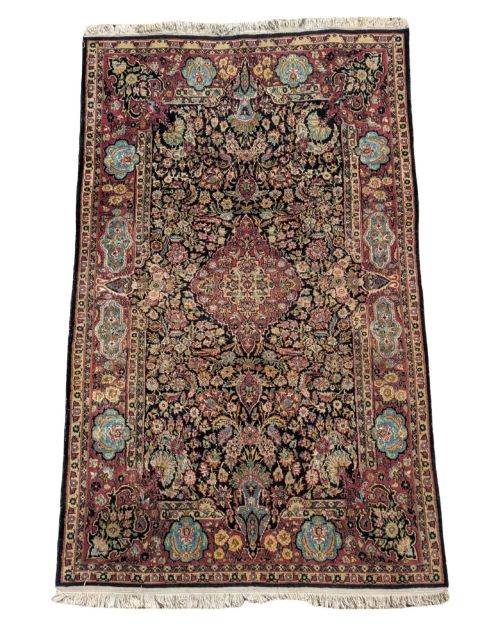
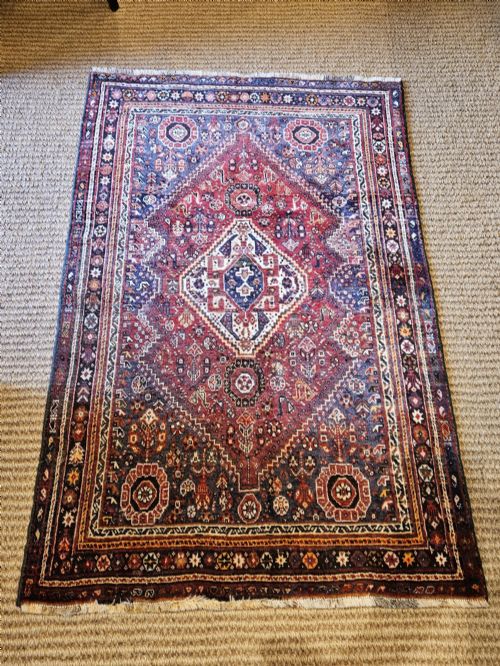
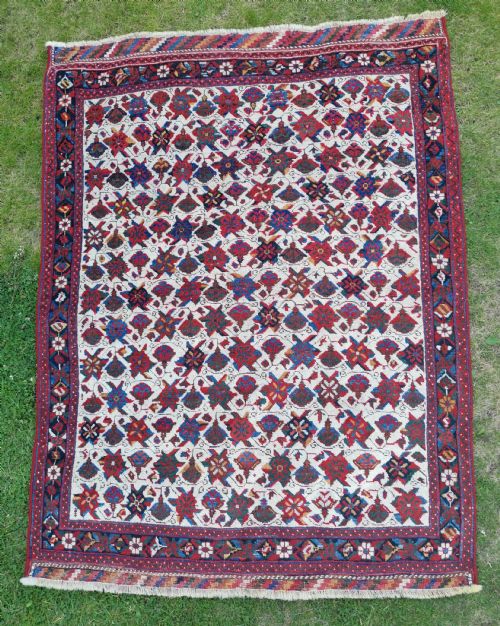
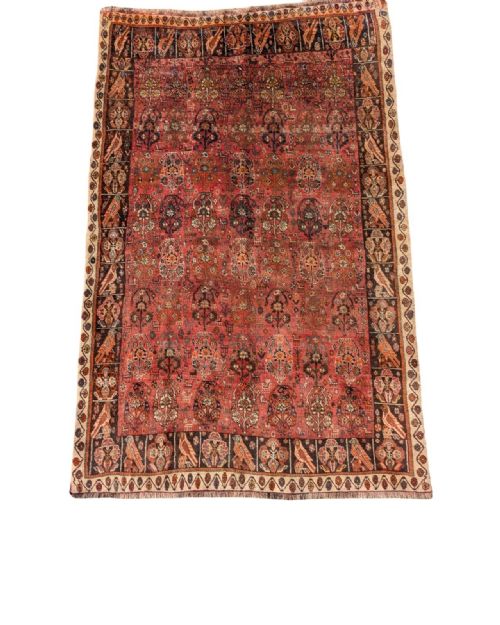
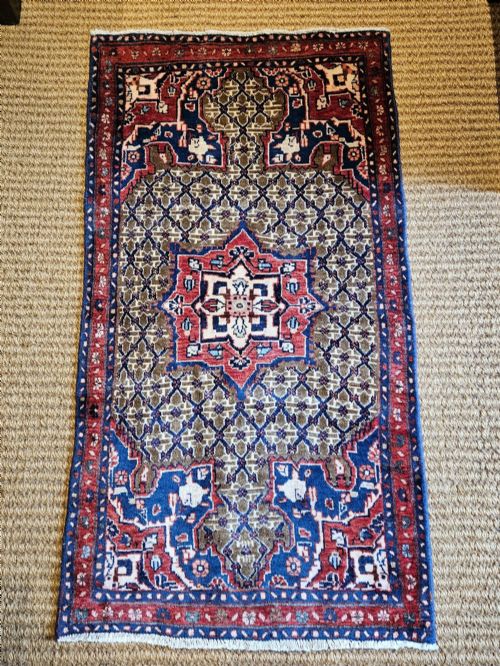
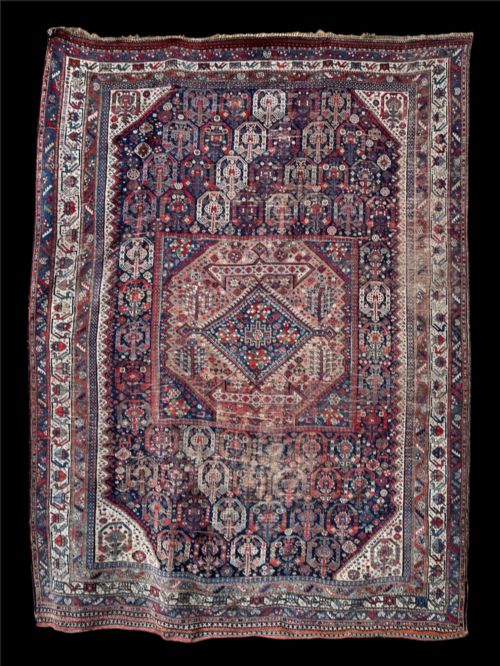
A persian floor mat brings historic woven artistry into a room, offering tactile warmth and complex traditional patterns gathered from tribal and village workshops.
Persian Floor Mat
A persian floor mat encompasses a diverse range of hand-woven rugs, runners, and carpets originating from nineteenth and early twentieth-century village and tribal traditions. Buyers searching this phrase encounter formats spanning small hearth-sized rugs, saddlebags, and large room-sized carpets.
The selections on this page most frequently showcase nineteenth-century and early twentieth-century pieces, including Heriz, Afshar, Baluch, and Khamseh examples. These domestic and tribal floor coverings reflect distinct regional patterns such as geometric medallions, prayer designs, and all-over repeat motifs.
Traditional versions display a deep connection to specific regional weaving groups, from Northwest Persia down to southern tribal confederacies. Each piece functions simultaneously as practical flooring and as a textile record of nomadic and village culture.
How they were made
Makers constructed these textiles predominantly using natural wool, cotton foundations, and occasional silk highlights to add textural contrast and visual depth. Spinners prepared local fleeces by hand, yielding durable yarns capable of withstanding generations of daily foot traffic.
Weavers knotted the pile tightly onto warp and weft foundations on upright looms, employing traditional symmetrical or asymmetrical knotting techniques passed down through generations. Natural dye stuffs provided a rich palette dominated by deep reds, blues, and earthy neutrals that mellow gracefully over time.
Persian Floor Mat Retail Price Guide 2026
Typical asking prices for persian floor mat among the pieces listed under this phrase on Sellingantiques today, from the lower quarter to the upper quarter. They describe what is for sale here now, not the wider market.
What varies in quality
Knot density and structural tightness dictate the longevity and crispness of the design, separating finely detailed city carpets from coarser tribal weaving. Greater precision in knotting allows complex floral or geometric motifs to emerge with sharper definition.
The integrity of the foundation materials and the richness of the dyes define the overall character of the piece. Superior examples retain robust wool piles and balanced proportions that hold their structural strength across decades of use.
The Persian Floor Mat Glossary
- Knot density
- The number of knots per square unit, which determines the fineness and clarity of the woven pattern. Higher counts usually indicate more intricate city or workshop weaving.
- Warp
- The vertical threads stretched lengthwise on the loom that form the structural skeleton of the rug. Fringe ends typically originate from these foundational threads.
- Weft
- The horizontal threads passed back and forth between warp threads to lock the knots firmly in place. They contribute to the structural stability of the textile body.
- Pile
- The upright yarn surface formed by the cut ends of knots that provides the soft texture underfoot. Pile height varies from densely clipped city carpets to longer, softer tribal variations.
- Gul
- A repeating octagonal medallion motif frequently found in tribal weavings, particularly associated with Baluch and Turkmen traditions. Each tribe utilised distinct variations of this stamp-like emblem.
Persian Floor Mat: Frequently Asked Questions
How do I clean an old rug?
Gentle surface brushing and careful professional washing help preserve fragile wool fibres and natural dyes without causing structural damage.
Avoid harsh chemical cleaners and vigorous mechanical scrubbing, which can weaken old cotton foundations and strip the wool of natural oils.
Where were these rugs made?
Weavers produced these textiles across various regions of Persia, spanning established city workshops, rural villages, and nomadic tribal camps.
Specific areas such as Heriz, Isfahan, Kashan, and the Khorasan province developed highly recognisable local styles and colour palettes.
Are these rugs suitable for hallways?
Narrow runner formats and smaller tribal mats fit easily into corridors, entryways, and transitional spaces between larger rooms.
Sturdy wool construction ensures the pile tolerates frequent foot traffic while adding historic character to functional areas.
How do I date a woven rug?
Examining material characteristics, dye types, structural wear patterns, and stylistic motifs helps narrow down the period of production.
Stylistic shifts between nineteenth-century tribal pieces and early twentieth-century workshop carpets provide reliable clues for chronological placement.