


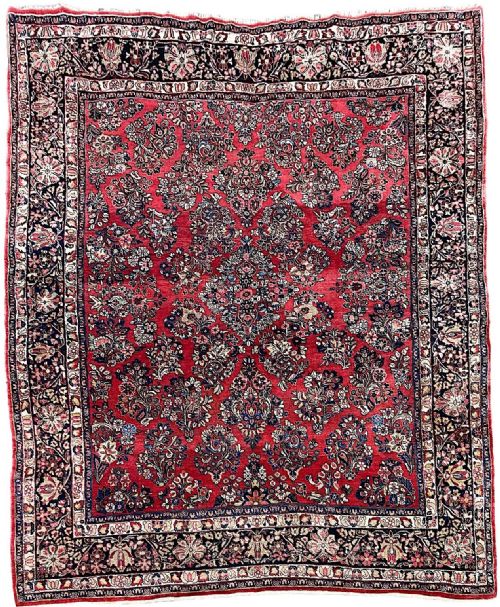

Navy Floral Carpet
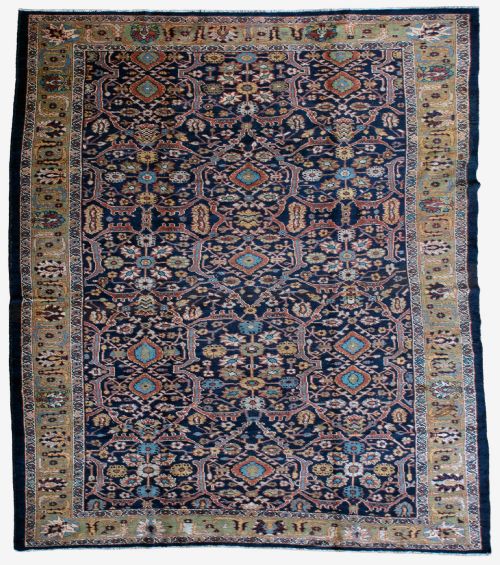
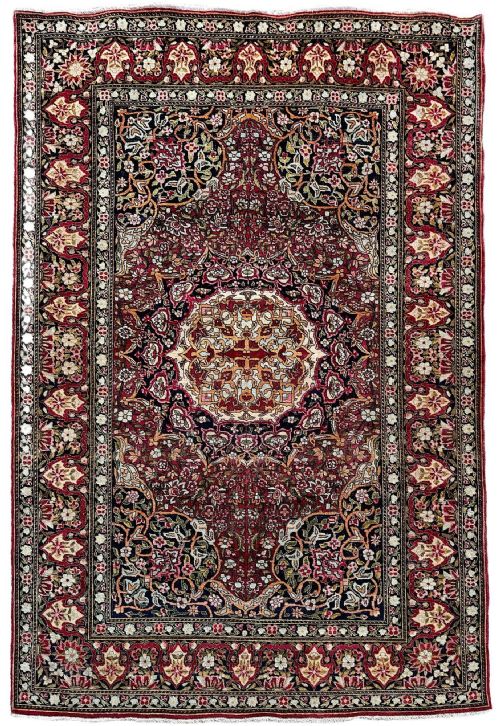
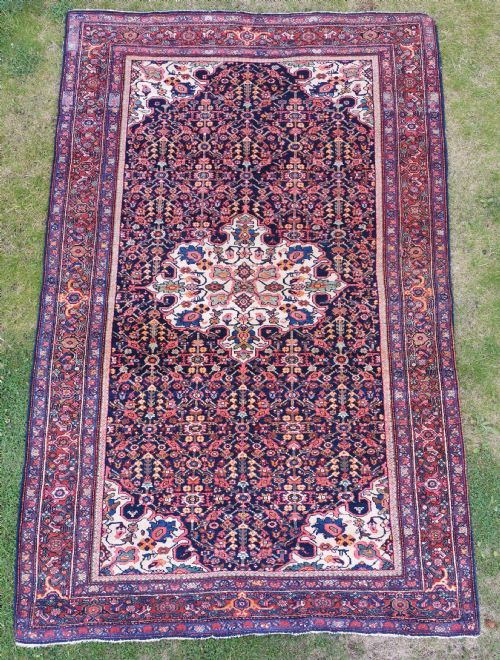
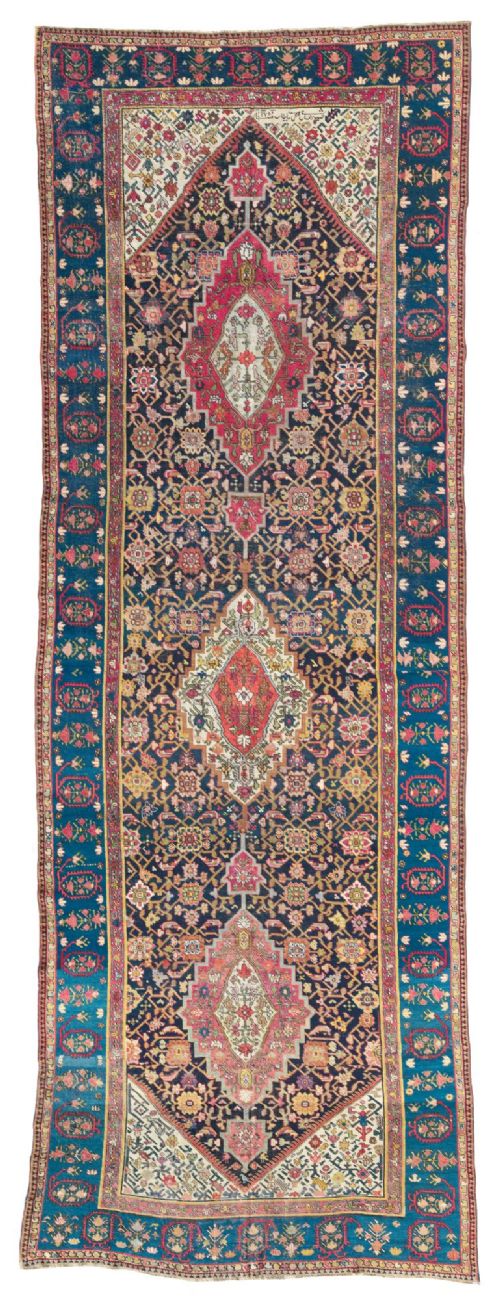
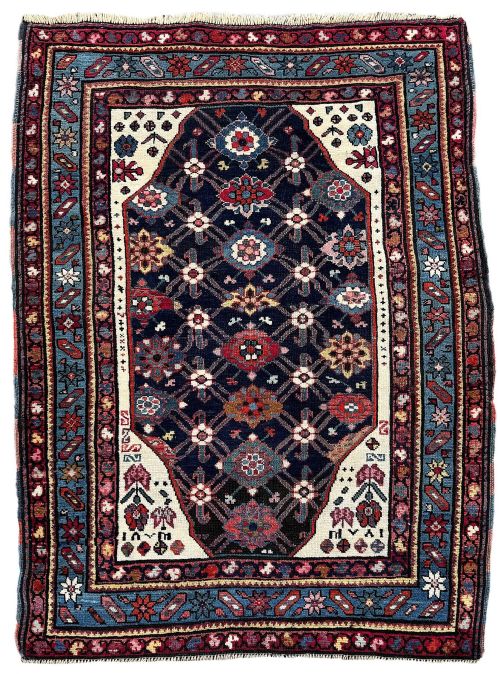
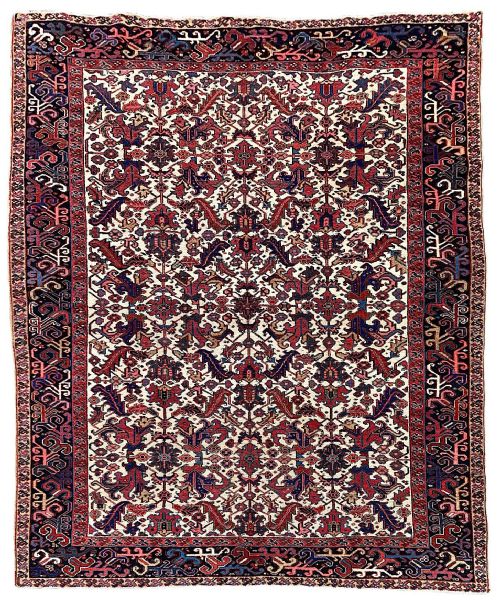
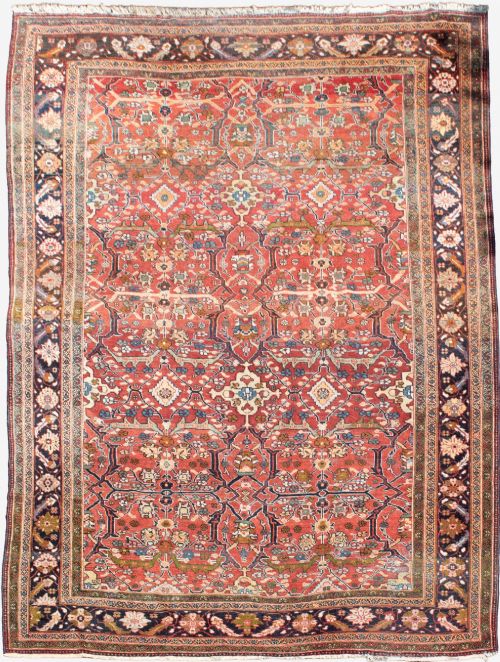
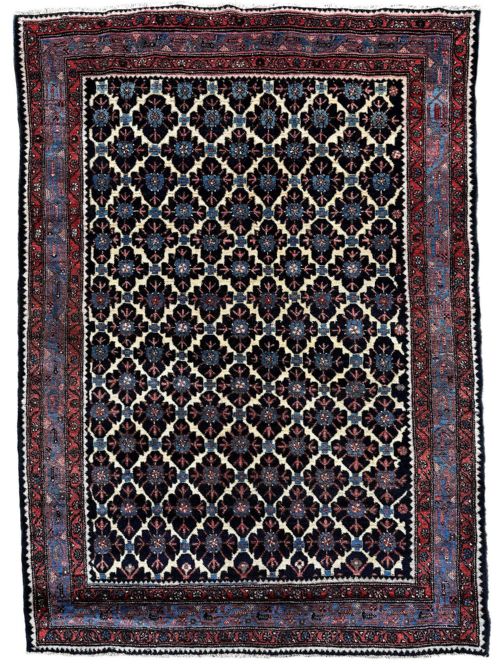
A navy floral carpet provides a deep indigo ground beneath intricate botanical motifs, offering traditional craftsmanship from Persian and Caucasian workshops.
Navy Floral Carpet
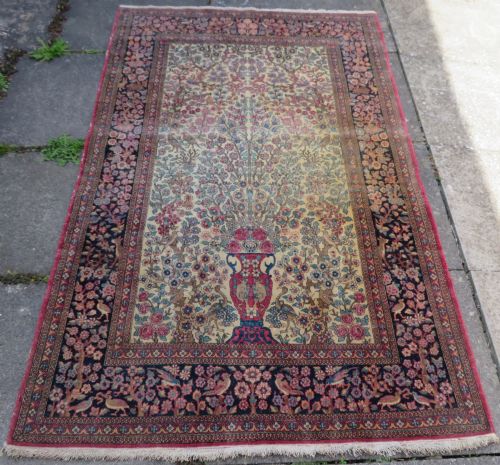
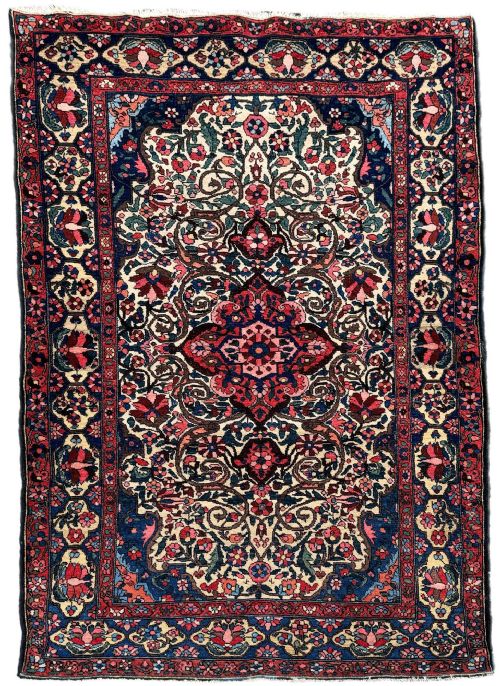
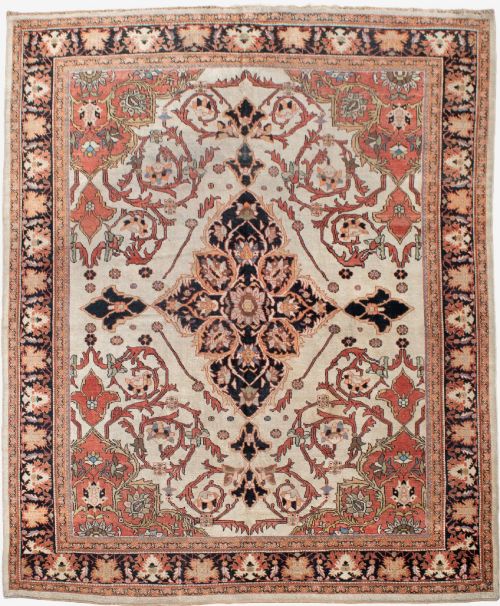
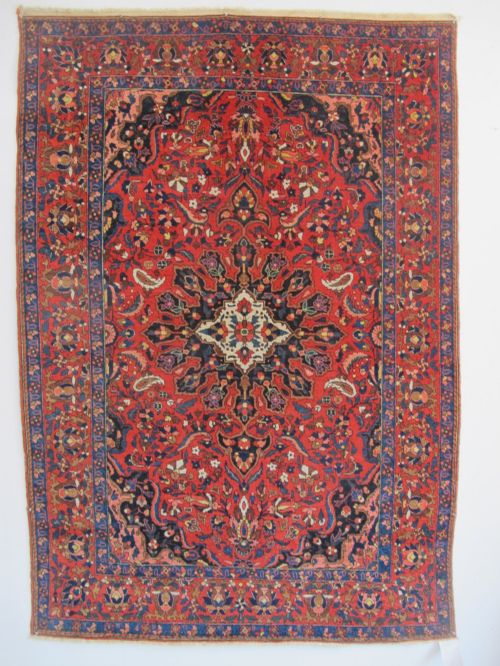
A navy floral carpet brings together centuries of weaving traditions from Persian and Caucasian regions, spanning periods from the late nineteenth century into the twentieth. Buyers exploring a navy floral carpet encounter large room-sized floor coverings alongside smaller area formats, runners, and kilims.
The selections primarily consist of traditional room carpets and smaller rugs originating from centres such as Mahal, Kashan, Bakhtiar, and Heriz. These pieces display detailed botanical patterns set against dark blue grounds, utilising wool, cotton, and silk foundations.
How they were made
Makers constructed these floor coverings using durable wool pile knotted onto cotton or wool foundations, ensuring structural resilience for domestic use. Silk occasionally appears in finer weaving to highlight specific botanical details within the design.
Weavers employed traditional hand-knotting techniques across various regional workshops, incorporating supplementary materials like cotton for warps and wefts to maintain the stability of large carpets.
Some weavers included tiny intentional irregularities in their symmetrical floral designs to ward off the evil eye.
What varies in quality
Knot density and the precision of the botanical drawing dictate the structural refinement of each piece. Tighter knotting allows for sharper delineation of floral sprays, medallions, and vine scrolls across the navy field.
The depth and variation of the dye work influence the visual impact of the surface. Skilled dyers achieved rich indigo tones and complex secondary hues that retain their vibrancy across different lighting conditions.
The Navy Floral Carpet Glossary
- Kelleh
- A long, rectangular format of carpet traditionally suited for narrow rooms or hallways. These pieces typically maintain a distinct proportion longer than standard room-size rugs.
- Kilim
- A flat-woven carpet or rug produced without a pile. These items rely on interlocking weft threads to form geometric and stylised floral patterns.
- Prayer rug
- A small rug featuring a mihrab or niche design at one end, historically utilised for individual devotional practices. The iconography frequently incorporates floral vases and tree of life motifs.
- Medallion
- A central ornamental motif positioned in the middle of the carpet field. This focal point is often surrounded by complex floral borders and corner spandrels.
Navy Floral Carpet: Frequently Asked Questions
Where were these carpets made?
The pieces originate primarily from Persian and Caucasian weaving centres, including regions such as Mahal, Kashan, Bakhtiar, and Heriz.
Local workshops developed distinct regional designs, incorporating specific floral compositions and colour palettes that identify their geographic provenance.
How do I care for an old wool rug?
Regular gentle vacuuming without a beater bar removes surface dust and prevents fibres from matting. Professional cleaning by specialists in antique textiles maintains the integrity of the wool and cotton materials.
Keeping the piece out of direct sunlight prevents the natural dyes from fading unevenly across the navy ground.
What materials are used in these rugs?
The pile is predominantly spun from wool, which provides durability and soft texture underfoot. Cotton foundations offer structural stability, while occasional silk threads highlight specific botanical details.
Natural dye sources historically contributed to the rich variations found in the navy backgrounds and floral motifs.
How do I distinguish regional styles?
Regional styles appear through specific medallion layouts, border arrangements, and floral drawing styles. For instance, Heriz carpets display geometric interpretations of floral themes, whereas Kashan pieces show finer curved vines and central medallions.
Examining the weave density and foundation materials also helps determine the specific origin of each rug.