


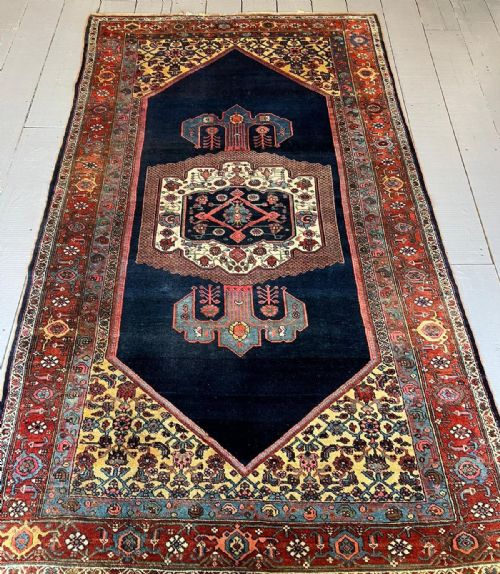

Large Tribal Area Rug
When you need a large tribal area rug, you are looking for substantial floor coverings carrying centuries of nomadic design.
Large Tribal Area Rug
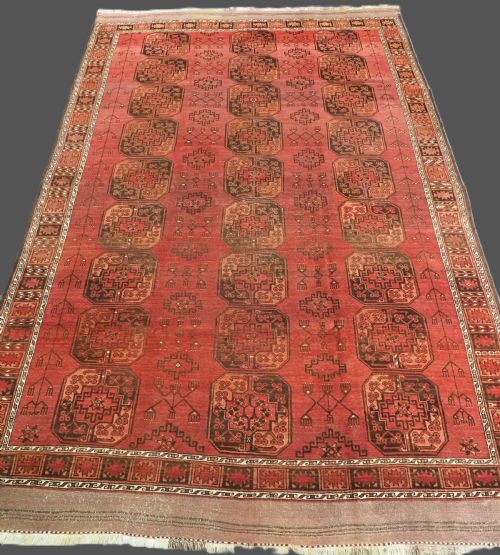
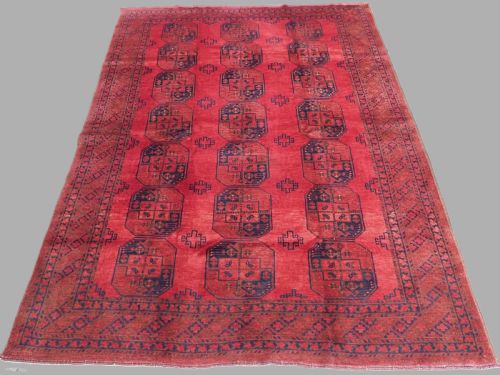
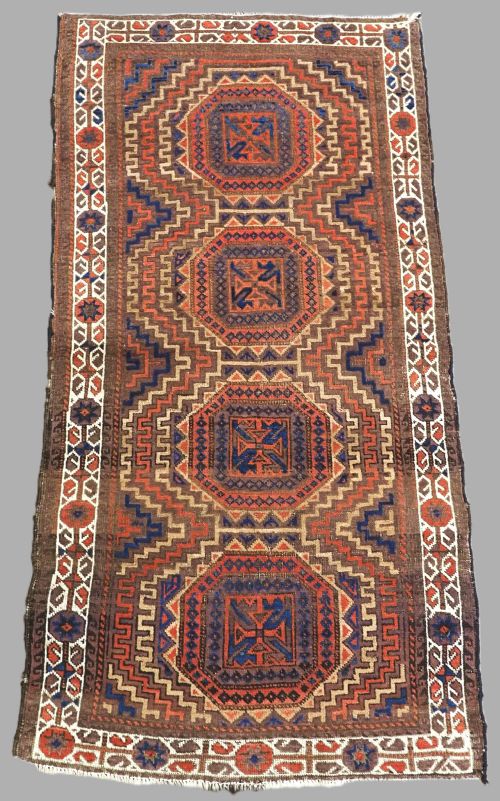
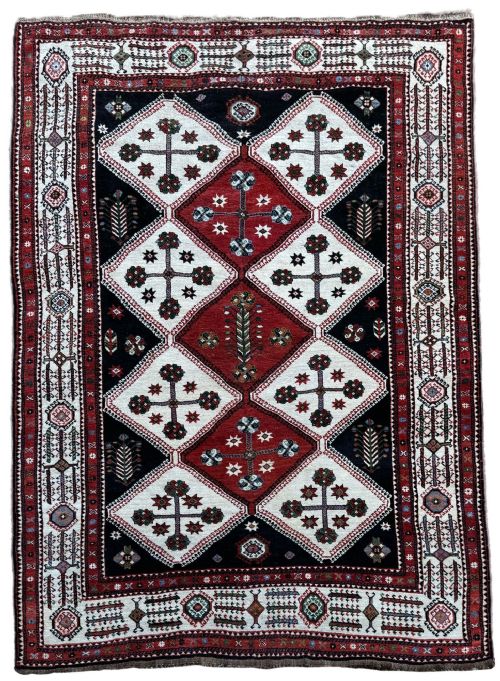
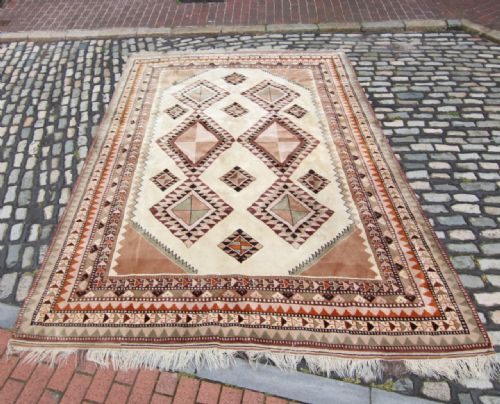
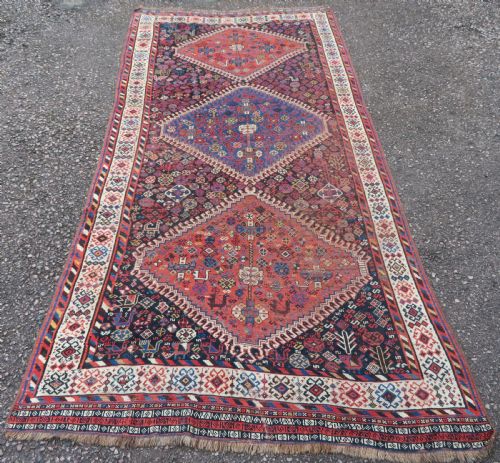
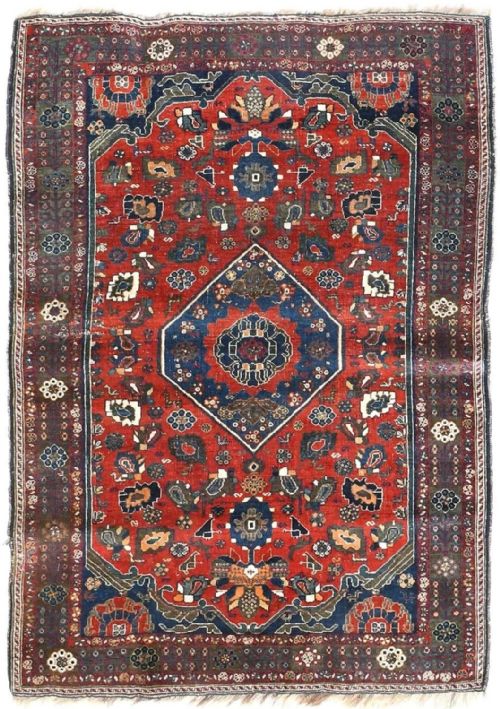
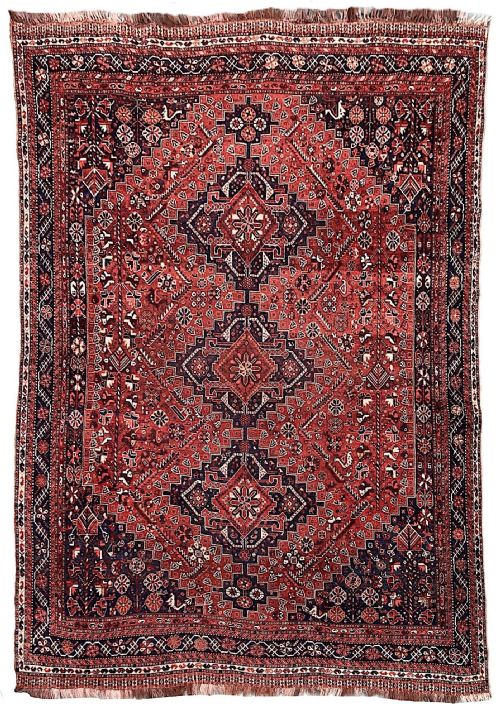
A large tribal area rug brings bold geometric patterns and rich natural colour palettes directly into spacious interiors, functioning as both historical artefacts and durable floor coverings. These substantial pieces originate from nomadic and village traditions across Persia, the Caucasus, and Central Asia.
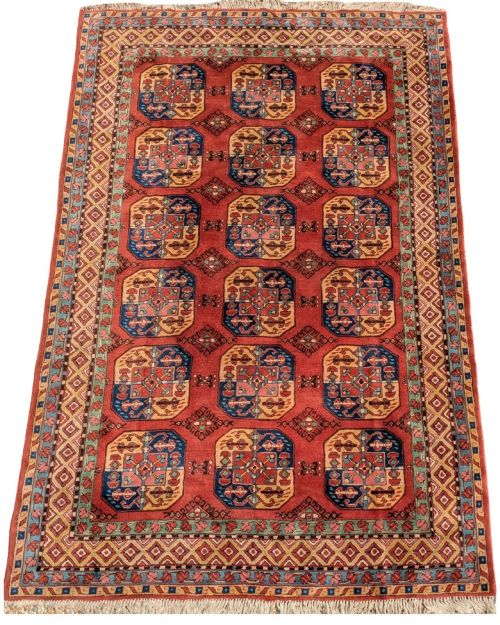
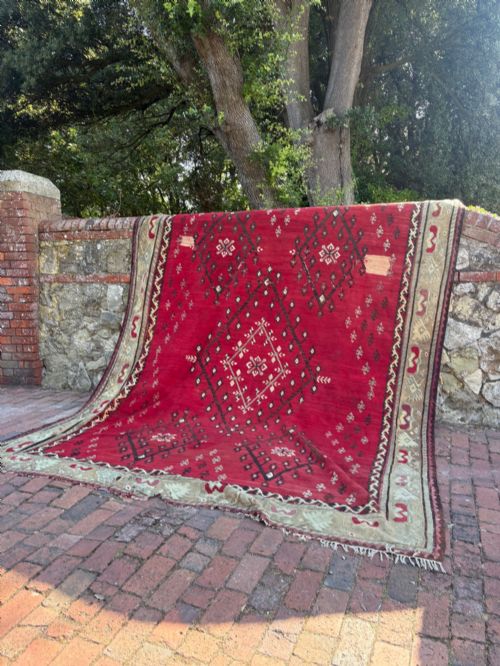
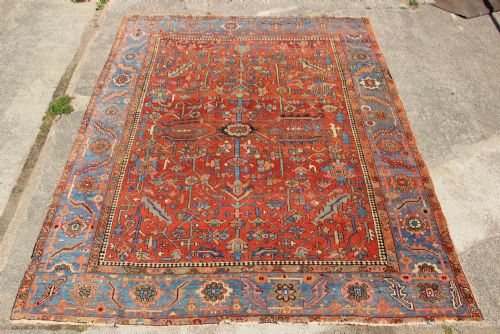
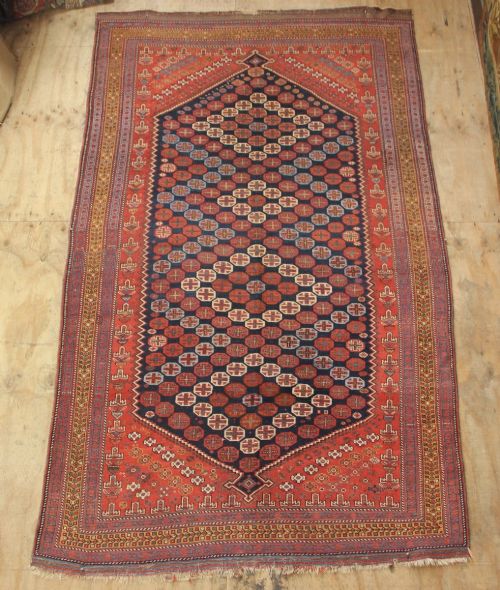
Buyers encounter room-sized carpets woven by specific regional groups such as the Ersari, Heriz, Afghan, and Bakshaish, dating from the mid-nineteenth century through the early twentieth century. These textiles often display large-scale medallions, repeated guls, and intricate tribal motifs that reflect the distinct heritage of their makers.
The selection ranges from heavy village carpets to finely knotted town variants sharing tribal designs, offering practical proportions for modern rooms that require anchor pieces with genuine character.
How they were made
The weavers utilised hand-spun wool for the pile, providing resilience and a rich tactile quality that absorbs natural dyes over decades of use. Cotton foundation threads frequently offer structural stability in larger formats.
Natural dyes derived from plants and minerals yield the deep reds, indigos, and earth tones characteristic of these carpets, mellowing gracefully over time rather than fading harshly.
Large Tribal Area Rug Retail Price Guide 2026
Typical asking prices for large tribal area rug among the pieces listed under this phrase on Sellingantiques today, from the lower quarter to the upper quarter. They describe what is for sale here now, not the wider market.
Listings feature carpets spanning from the mid-nineteenth century through the 1930s, constructed predominantly from hand-spun wool and cotton.
What varies in quality
Knot density and the precision of the wool preparation dictate the tactile weight and longevity of the carpet, separating robust country house pieces from simpler village weaves. Finer spinning yields a denser pile that resists crushing under heavy foot traffic.
The complexity and execution of the natural dye palette also distinguish finer examples, where subtle tonal shifts within individual yarns create depth and visual movement across the surface.
The Large Tribal Area Rug Glossary
- Gul
- A repeated octagonal medallion motif frequently found in Turkmen and Afghan weaving traditions. These primary design elements often enclose tribal symbols passed down through generations.
- Kilim
- A flatweave carpet produced without a pile by tightly interweaving warp and weft threads. This technique creates a lightweight, reversible textile with sharp geometric patterns.
- Kelleh
- A long, narrow carpet format traditionally suited to the proportions of Persian reception rooms. These elongated runners bridge the gap between standard area rugs and full room-size carpets.
- Warp
- The vertical foundation threads stretched tightly on the loom before weaving commences. The pile knots are tied around these stationary parallel strands.
- Weft
- The horizontal threads passed back and forth across the warp to secure each row of knots. Proper packing of these threads ensures structural integrity.
Large Tribal Area Rug: Frequently Asked Questions
Where were these large tribal carpets woven?
These textiles originate from nomadic tribes and settled village communities across regions such as Persia, Anatolia, the Caucasus, and Afghanistan.
Each area developed distinct weaving habits, utilising local wool and specific dye traditions that make the origin identifiable today.
How do I care for a wool tribal rug?
Regular gentle vacuuming without a rotating brush roll prevents dust accumulation within the wool pile without damaging the antique foundation threads.
Professional cleaning by specialists familiar with vegetable-dyed wool ensures the colours remain stable and vibrant over decades of domestic use.
Are these carpets suitable for heavy foot traffic?
Hand-spun wool combined with a dense foundation creates exceptionally durable floor coverings designed originally for demanding nomadic or country house environments.
Placing a quality underlay beneath the carpet cushions the fibres and prevents slipping on hard wooden or stone flooring.
How do I identify a Heriz carpet?
Heriz carpets from Northwest Persia are recognised by their large, bold geometric centre medallions and robust structural weight.
They frequently employ cotton foundations alongside durable wool, making them particularly sturdy choices for substantial living spaces.