


Red Silk Persian Rug
A red silk persian rug brings together rich textile traditions and fine knotting.
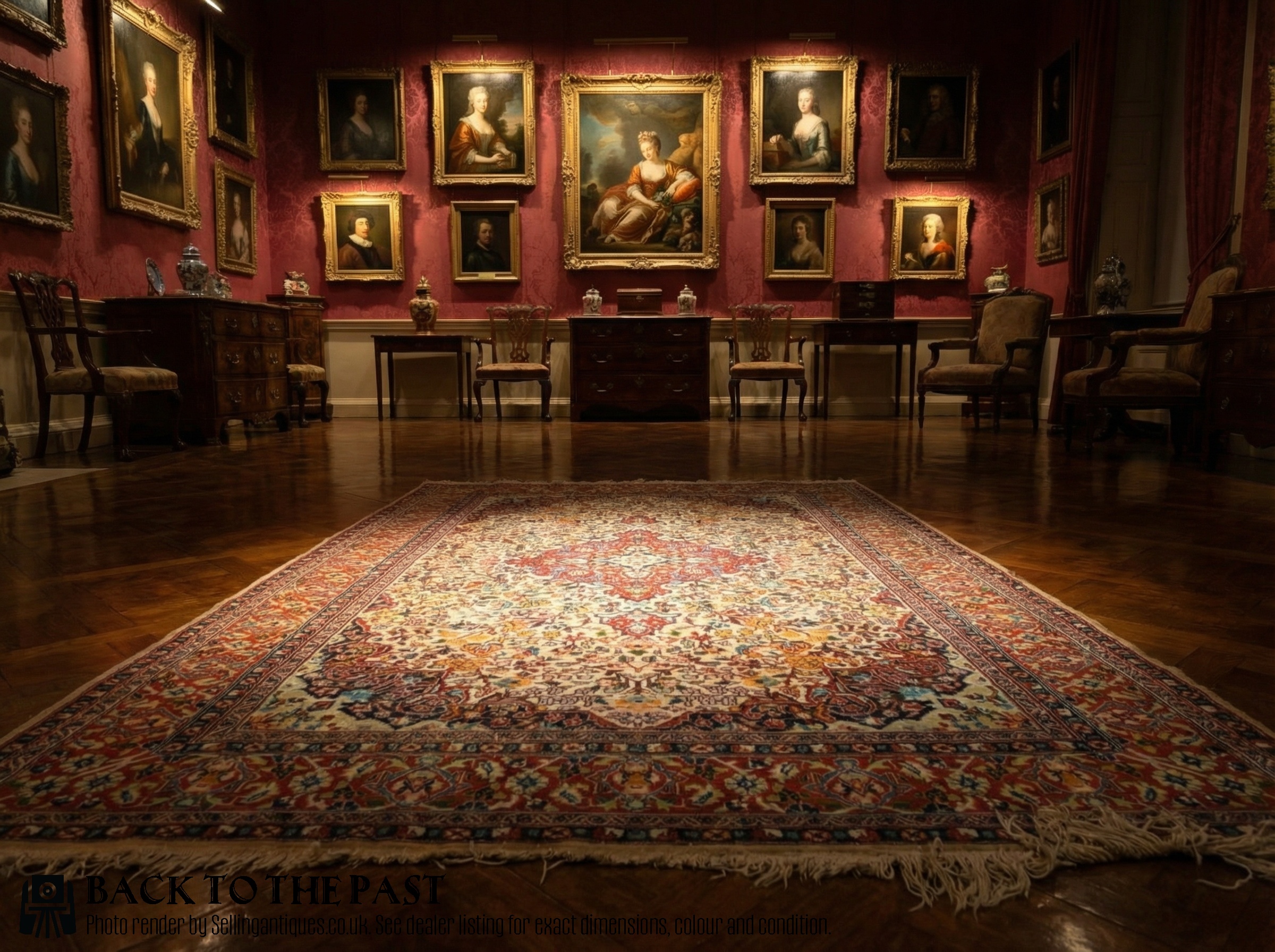
Red Silk Persian Rug
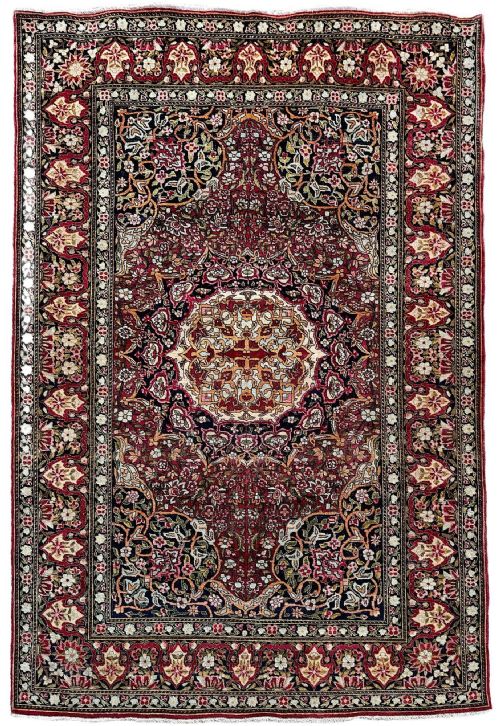
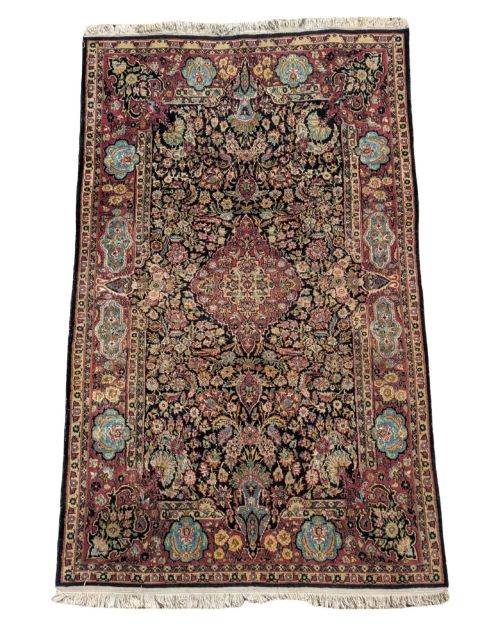
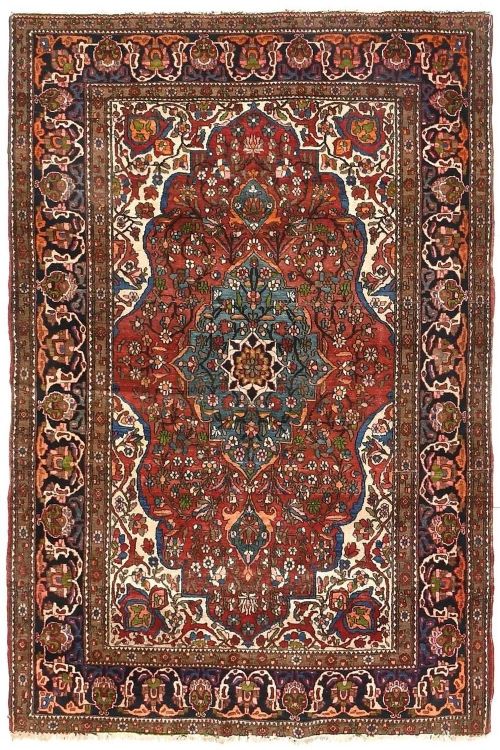
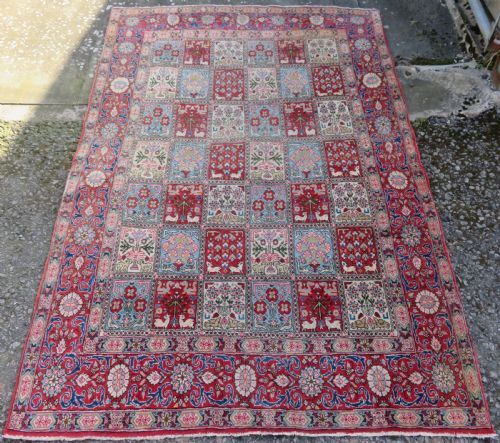
A red silk persian rug encompasses woven carpets, embroidered panels, and wall-mounted textiles originating from various periods and regional workshops. When searching for a red silk persian rug, buyers encounter pieces attributed to centres such as Isfahan, Qum, Kashan, and Senneh.
The selection ranges from early twentieth-century floor coverings to nineteenth-century embroideries and mounted fragments. Many examples utilise silk foundations, wool piles with silk highlights, or silk embroidery applied to felt grounds.
Regional styles include Qajar period designs, traditional oriental patterns, and pictorial or medallion layouts. These pieces vary from room-sized carpets to smaller area rugs and prayer formats.
Materials and construction methods
Construction relies upon hand-woven and hand-knotted techniques, often combining fine silk threads with cotton foundations or lambswool piles. Certain workshop pieces feature elaborate pile weaving on silk warp and weft threads.
Embroidered examples utilise fine silk threads worked onto a red felt or wool felt ground, frequently incorporating appliqué work. Textile panels and jajim fragments demonstrate alternative weaving methods from nineteenth and twentieth-century production.
Listings span production dates from the mid-nineteenth century through the 1930s, featuring silk, wool, and felt materials.
Distinctions in quality and execution
Quality separates through the density of the weave, the precision of the knotting, and the handling of the materials. Pieces featuring lambswool on silk foundations or tightly worked silk embroidery reflect higher levels of workshop execution.
The sophistication of the design, such as balanced floral medallions or intricate tile patterns, dictates the visual success of the piece. Preservation of the silk pile, felt ground, and original edges also marks the distinction between standard and finer examples.
The Red Silk Persian Rug Glossary
- Silk foundation
- The warp and weft threads of a rug made entirely from silk, providing structural stability for fine knotting.
- Rasht embroidery
- A traditional Persian needlework technique utilising silk threads and appliqué on a wool felt ground.
- Medallion
- A central ornamental design motif placed in the field of a rug or textile panel.
- Prayer rug
- A small rug featuring a mihrab or niche design used historically for private devotions.
- Jajim
- A flat-woven textile traditionally constructed in strips and stitched together.
Red Silk Persian Rug: Frequently Asked Questions
How do I clean a silk rug?
Silk textiles require professional conservation cleaning rather than standard domestic washing methods. Water and harsh detergents can damage delicate fibres and cause dye bleeding.
Regular gentle vacuuming without a beater bar helps remove surface dust. Specialist textile cleaners should handle any deeper maintenance.
Can these rugs be placed on the floor?
Many woven carpets and area rugs are durable enough for light floor placement in low-traffic areas. Placing a quality underlay beneath the rug prevents slipping and reduces fibre wear.
Embroidered panels and mounted textiles are better suited for wall display to protect the delicate felt and silk work from foot traffic.
What is the difference between Isfahan and Qum rugs?
Isfahan rugs often feature classical Persian designs with refined floral details and sophisticated colour palettes. Production in this centre has a long history tied to historic court workshops.
Qum rugs emerged more prominently in the twentieth century, known for precise knotting, varied tile or pictorial patterns, and extensive use of silk.
How can I tell the age of a rug?
Dating relies upon stylistic markers, material analysis, and structural characteristics. Natural dye palettes, specific regional weaving structures, and historical attributions provide key indicators.
Comparing knot counts and handling wear against documented examples helps establish the likely period of manufacture.