
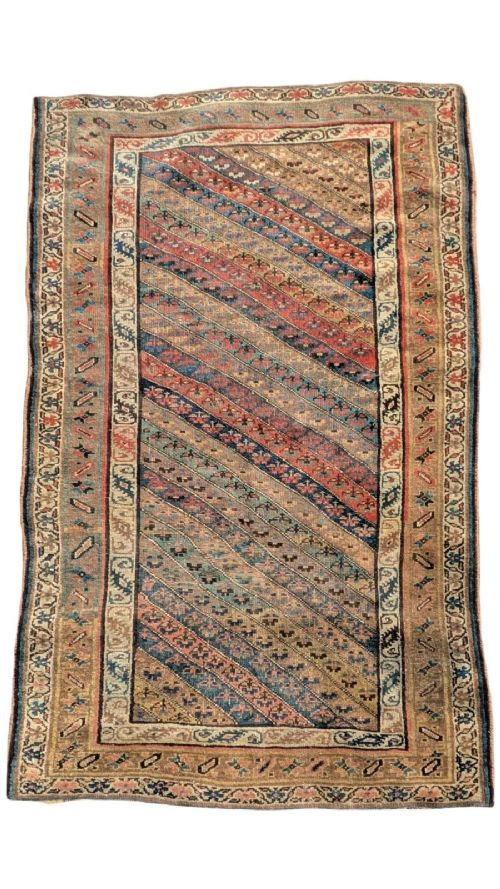
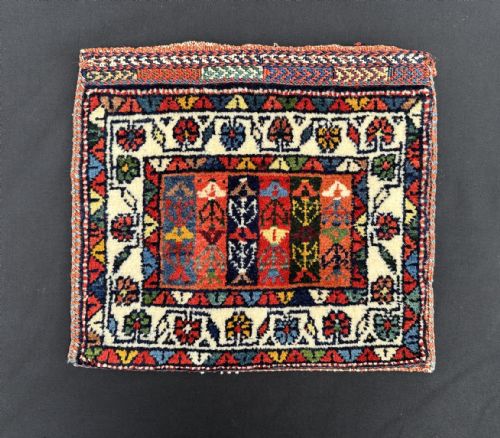


Multicolour Woven Carpet
A multicolour woven carpet brings rich texture and layered hues into a room, offering striking tribal patterns and enduring wool, cotton, or silk construction.
Multicolour Woven Carpet
A multicolour woven carpet encompasses flatweaves, pile rugs, and runners originating from Persian, Caucasian, Anatolian, Central Asian, and Balkan traditions. These textiles date from the late nineteenth century through the early decades of the twentieth century, reflecting diverse regional aesthetics and nomadic histories.
Materials and Construction Methods
Weavers constructed these carpets predominantly from durable wool, sometimes combined with cotton foundations or highlighted with fine silk elements. The technique relies on interlocking or slit-weave methods for flatweaves, alongside traditional knotted pile for heavier floor coverings.
Natural dyeing traditions provided the varied palette seen across these rugs, utilising plant and insect extracts that developed soft, harmonious patinas over decades of light and use.
Certain nineteenth-century nomadic weavers hid tiny intentional errors in their geometric patterns to ward off the evil eye.
Distinguishing Quality and Execution
The distinction between standard examples and superior pieces rests on the precision of the weave and the complexity of the graphic design. Tightly compacted wefts and well-balanced proportions demonstrate skilled regional craftsmanship.
Dye quality and colour distribution further separate the output, as expertly balanced palettes and intricate tribal iconography elevate a textile's visual impact within an interior.
The Multicolour Woven Carpet Glossary
- Kilim
- A flatwoven carpet or rug produced without a pile, common throughout Anatolia, the Caucasus, and Central Asia. These textiles feature sharp geometric patterns created by tightly packed horizontal weft threads.
- Runner
- A long, narrow carpet format designed for hallways, staircases, or corridors. These pieces balance linear geometry with repeated central medallions.
- Weft
- The horizontal threads passed back and forth across the warp to form the fabric structure. In flatweaves, the weft completely obscures the vertical warp threads to display the pattern.
- Medallion
- A central ornamental motif set within the field of a carpet. These geometric or floral focal points structure the overall composition of tribal rugs.
Multicolour Woven Carpet: Frequently Asked Questions
How do I clean a woven carpet?
Regular gentle vacuuming without a rotating brush roll helps remove surface dust and grit from the fibres. Professional specialist cleaning remains essential for addressing deeper soil or spills without damaging natural dyes.
Avoid vigorous scrubbing or harsh chemical treatments, which can weaken wool and cotton structures. Promptly blotting liquid spills with a clean, dry cloth prevents staining.
Where should I place a runner rug?
Runner rugs suit narrow spaces such as corridors, entryways, and galleys where length dictates the floor covering. They also function effectively alongside beds or in transitional architectural areas.
Using a suitable underlay helps keep the flatweave stable on smooth flooring surfaces. This extra layer prevents slipping and reduces friction wear between the rug and the floor.
What is a flatweave carpet?
A flatweave is constructed by interlacing warp and weft threads without creating a raised pile surface. This technique produces a lightweight, reversible textile with a distinct, crisp graphic quality.
Traditional flatweaves include kilims from regions such as Anatolia and the Balkans. Their low profile makes them adaptable for various interior settings.
How do I identify a tribal rug?
Tribal rugs typically display geometric motifs, stylized animals, and repeated tribal symbols rather than formal court designs. Makers relied on memory and local traditions to compose these patterns.
Asymmetrical details and regional colour combinations often point to specific nomadic groups or provinces. Examining the weave structure and material provides further context regarding geographic origin.