


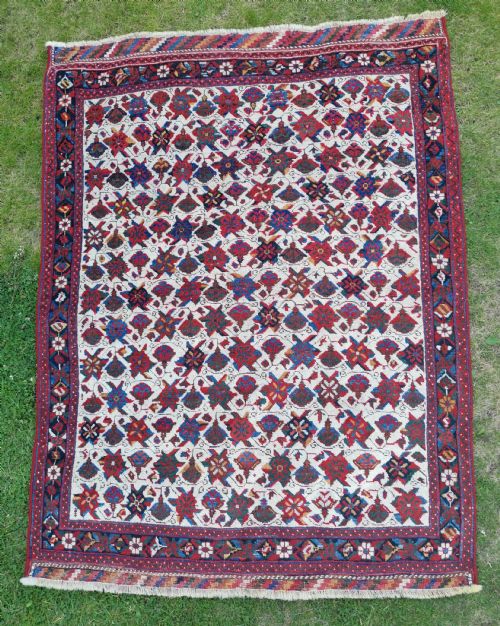
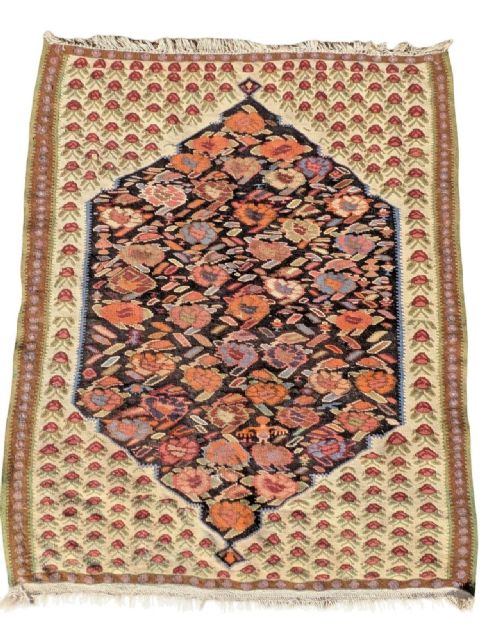
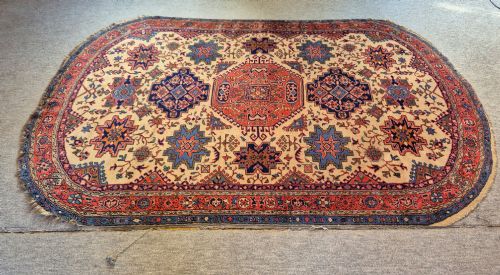
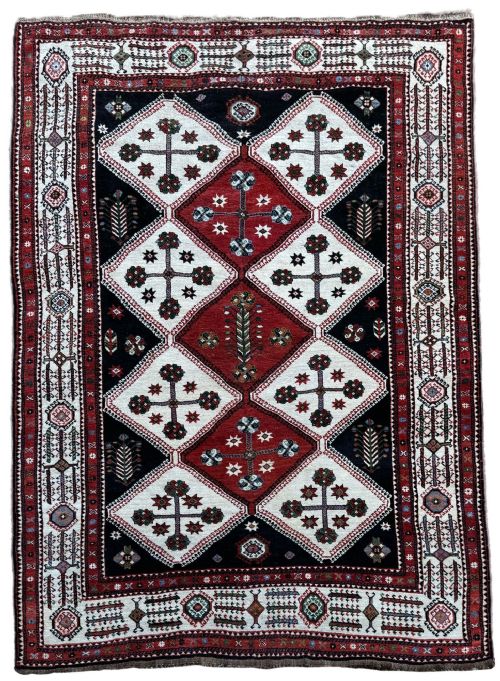



Cream Wool Tribal Rug
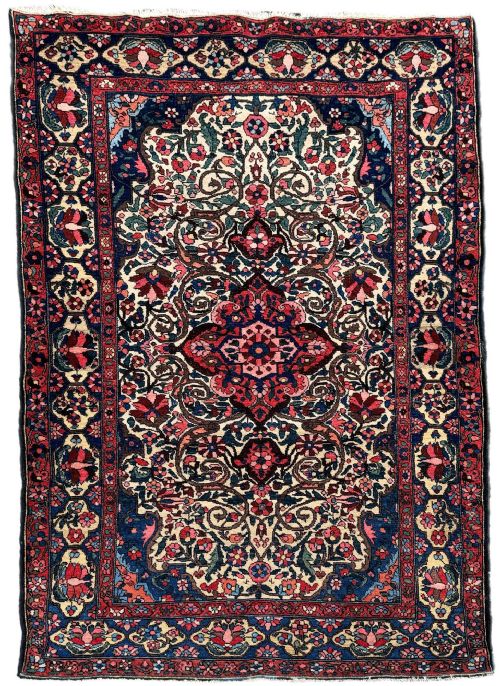
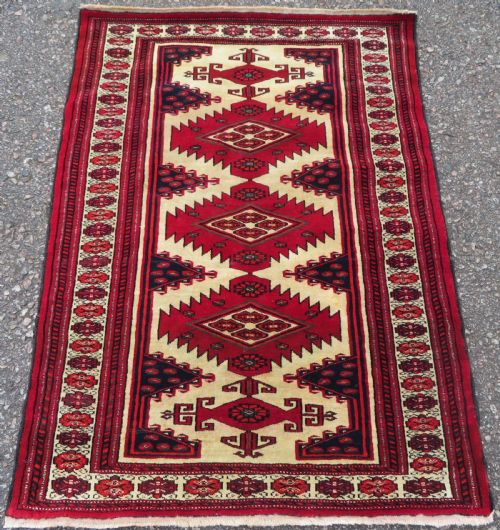
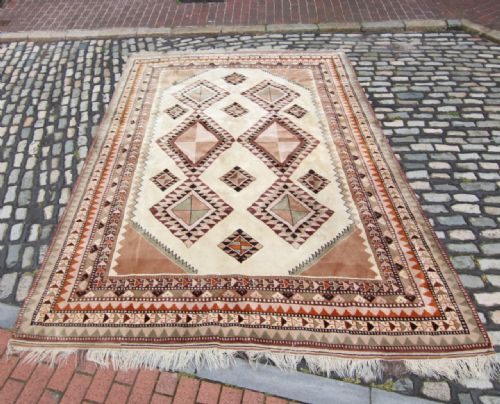
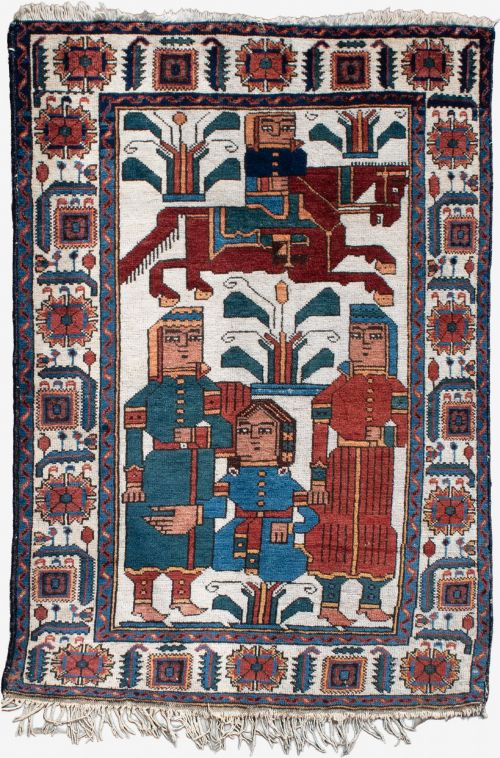
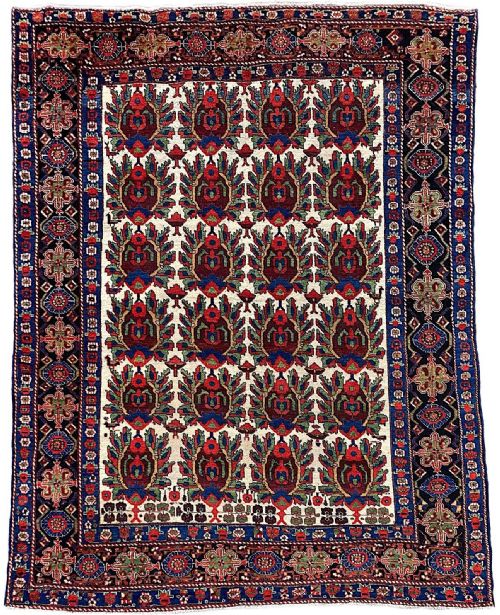
These pieces form a cream wool tribal rug, bringing durable hand-woven textiles into a room through regional designs.
Cream Wool Tribal Rug
A cream wool tribal rug sits within a tradition of village and nomadic weaving spanning Persia, Turkey, Central Asia, and the Caucasus. These floor coverings and utility textiles include runners, prayer rugs, and storage bags produced by specific confederacies and tribes.
The selections available here represent decades of output ranging from the mid-nineteenth century through the early twentieth century. Buyers encounter formats from small village rugs to substantial carpets woven by nomadic groups.
Materials and construction
Weavers utilised natural wool, hand-spun wool, cotton, and occasional goat hair foundations to create these textiles. Natural dyes provide the colour palette across the woven surfaces.
Construction relies on hand-woven techniques characteristic of regional tribal production, resulting in dense piles and sturdy flatweaves designed for practical utility.
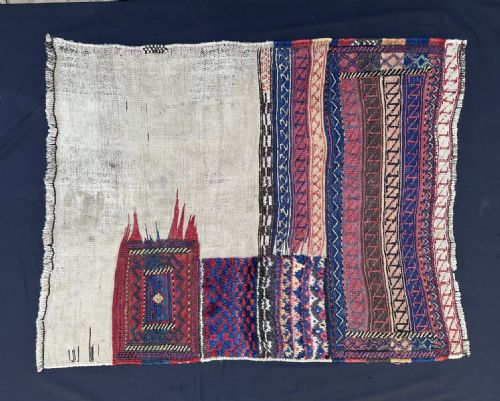
Water-pipe bags reveal where nomads kept their smoking gear safe during long desert treks.
Factors of quality
The standard of a weaving depends on the fineness of the knotting and the integrity of the natural dye palette. Subtle variations in wool preparation and spinning affect the texture and handling of the piece.
Structural balance in the tribal design and the preservation of original edge finishes distinguish finer examples from standard village production.
The Cream Wool Tribal Rug Glossary
- Sofreh
- A flatwoven or piled utility cloth used for bread making or food spreading among nomadic groups. These textiles often display geometric field patterns.
- Prayer rug
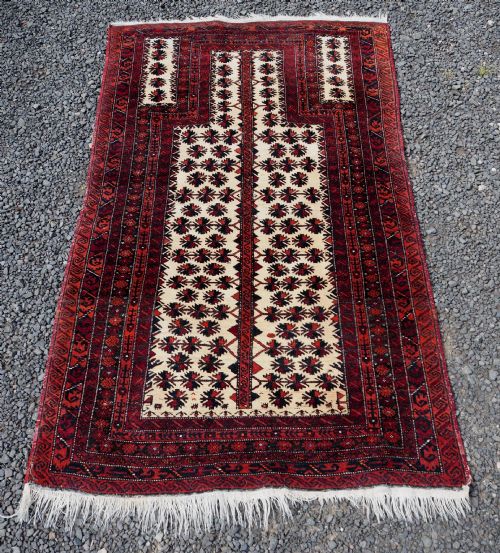
- A small textile featuring a mihrab or niche design used historically for daily prayers. They frequently originate from Anatolian, Persian, or Baluch weavers.
- Runner
- A long, narrow carpet format designed for hallways or corridors. These pieces often employ repeating geometric lattices or boteh motifs.
- Kilim
- A tapestry-woven carpet or rug produced without a pile. These flatweaves rely on visible warp and weft threads to form sharp geometric patterns.
- Natural dyes
- Colourants derived from plants, insects, and minerals before the introduction of synthetic dyes. Their tones mellow organically over decades of exposure.
Cream Wool Tribal Rug: Frequently Asked Questions
How were these rugs used originally?
Nomadic and village weavers produced these textiles for daily domestic utility, including floor insulation, bedding, animal transport, and food preparation.
Specialised bags and flatweaves served practical storage functions within tribal camps before entering the decorative market.
How do I care for an old rug?
Regular gentle vacuuming without a rotating brush roll prevents dust accumulation in the wool pile. Professional cleaning suited for antique textiles preserves the natural dye stability.
Keep the textile out of direct sunlight to prevent uneven fading of the natural tones across the wool surface.
Where do these tribal designs originate?
The patterns stem from specific regional tribes and confederacies across Persia, the Caucasus, Anatolia, and Turkmenistan. Each group maintained distinct geometric or pictorial vocabularies.
Weavers passed these symbols down through generations, reflecting their local environment and tribal heritage.