





Pink Wool Runner Rug
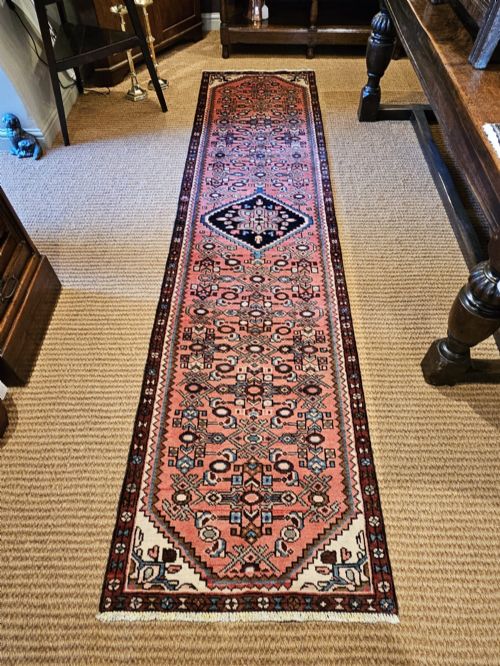
A pink wool runner rug brings warmth and linear texture to a hallway, offering character grounded in traditional textile arts.

Pink Wool Runner Rug
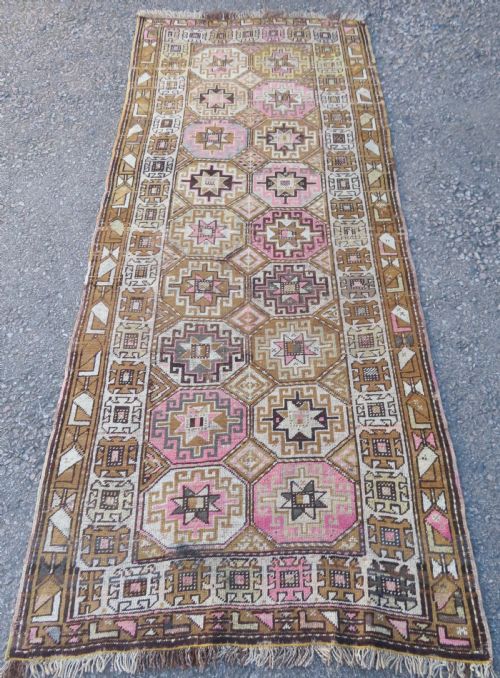
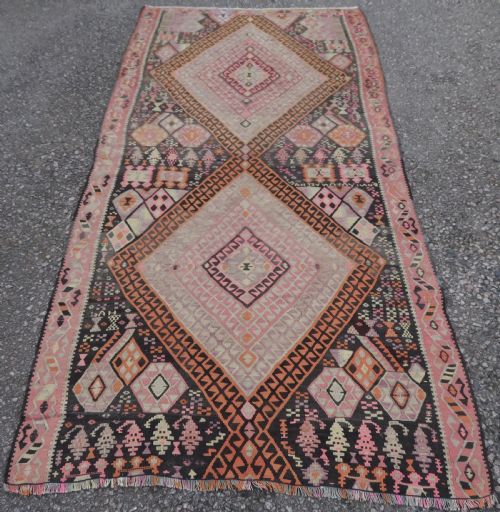
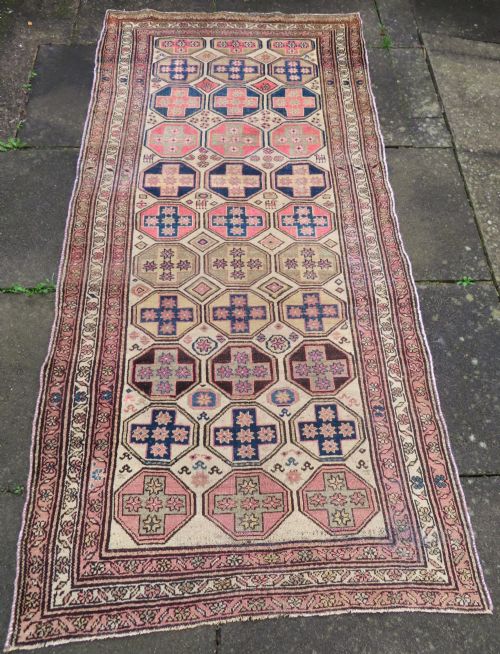
A pink wool runner rug is a long, narrow floor covering designed for corridors, hallways, and narrow spaces, utilising durable natural fibres to withstand regular foot traffic. These pieces span multiple decades and centuries, incorporating regional weaving traditions from Persian, Caucasian, Ottoman, and tribal workshops.
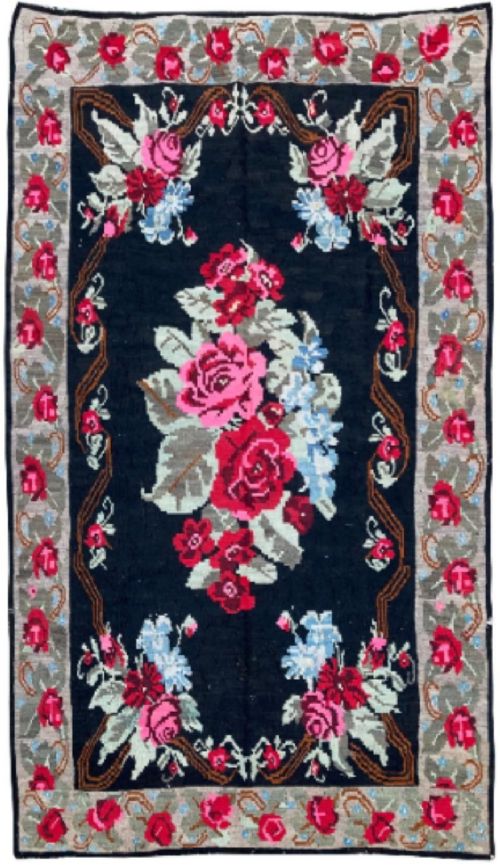
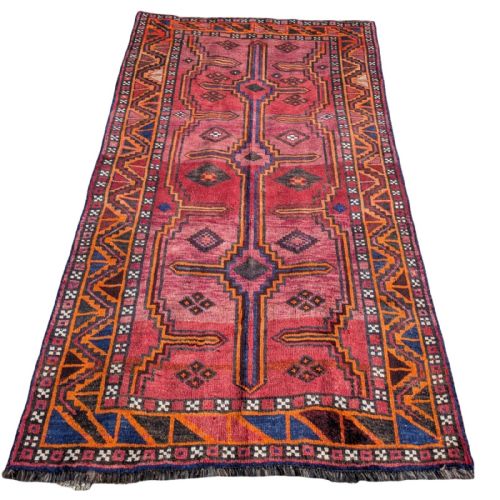
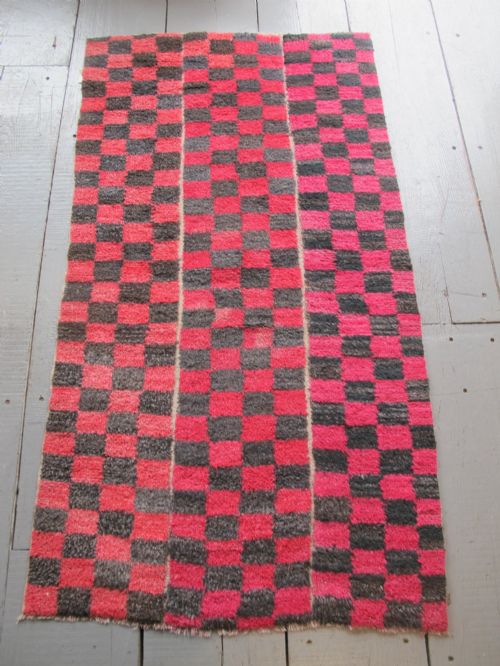
While the archive records a specific pink wool runner rug, the current selections encompass broader regional styles such as Kurdish, Caucasian, Ushak, and Moroccan Berber floor coverings. Buyers will encounter varied formats, from room-sized carpets down to long hallway runners and meditation mats created from sheep's wool and cotton foundations.
The periods represented stretch from the nineteenth century through the early decades of the twentieth century, capturing diverse design vocabularies including classic medallion layouts, folk art motifs, and geometric tribal patterns. Each item reflects the distinctive dyeing and weaving methods of its specific origin, offering an authentic historic floor covering for modern interiors.
Materials and Construction
These textiles are constructed primarily from wool pile woven onto supportive cotton or wool foundations, utilising hand-woven and knotted techniques passed down through generations. The natural resilience of wool provides the dense texture and tactile quality characteristic of these historic floor coverings.
Weavers employed natural and vegetable dyes to achieve the distinct colour palettes seen across Persian, Turkish, and Caucasian examples. The combination of hand-spun yarn and sturdy structural warp and weft threads ensures the enduring durability observed in these nineteenth and early twentieth-century pieces.
Pink Wool Runner Rug Retail Price Guide 2026
Typical asking prices for pink wool runner rug among the pieces listed under this phrase on Sellingantiques today, from the lower quarter to the upper quarter. They describe what is for sale here now, not the wider market.
Early weavers occasionally embedded intentional asymmetries into geometric borders, gently disrupting perfection to ward off the evil eye.
Evaluating Quality and Craftsmanship
Quality in these textiles resides in the density of the knotting or weave, the precision of the geometric or floral design, and the integrity of the structural foundations. Finer examples display greater intricacy in pattern execution and superior handling of the natural wool materials.
The preservation of original edge bindings, fringe areas, and side cords significantly influences the standing of a piece. Uniformity in pile height and the depth of colour saturation resulting from traditional dyeing techniques further distinguish superior examples from standard regional productions.
The Pink Wool Runner Rug Glossary
- Runner rug
- A long, narrow carpet format specifically proportioned for corridors, hallways, and staircases. This shape directs movement through a space while displaying continuous central motifs.
- Pile
- The upright yarn loops or cut ends that form the soft surface of a rug. Dense pile construction provides both cushioning underfoot and protection for the structural foundation beneath.
- Warp
- The vertical threads stretched tightly on the loom before weaving begins. The weft threads are passed horizontally through these warp cords to create the stable grid of the textile.
- Kilim
- A flat-woven carpet produced without a piled surface, utilising interlocking weft techniques. These textiles offer a smooth, lightweight profile distinct from knotted pile rugs.
Pink Wool Runner Rug: Frequently Asked Questions
How do I style a hallway runner?
Place your runner centrally along the length of a hallway or corridor, leaving equal exposed floor space on either side to frame the piece effectively. Ensure the material can withstand regular foot traffic while complementing the surrounding wall colours and lighting.
Secure the runner with an appropriate underlay to prevent slipping and to add cushioning underfoot. This protects the historic textile structure from undue friction against hard timber or stone flooring.
How should I clean an antique wool rug?
Gently vacuum the surface using a low-suction attachment without a rotating brush bar to avoid pulling the delicate wool fibres or knotting. Professional specialist cleaning remains essential for removing embedded dirt safely without compromising natural dyes.
Address accidental spills immediately by blotting gently with a clean, dry white cloth rather than rubbing. Avoid harsh chemical detergents or excessive water immersion, which can damage the wool pile and cotton foundations.
What is the difference between a village rug and a workshop rug?
Village and tribal rugs typically feature geometric motifs, spontaneous designs, and bold, simplified patterns woven within domestic or community settings. These pieces showcase regional character and personal expression by individual weavers.
Workshop carpets are produced in urban centres under centralized direction, exhibiting refined floral designs, precise symmetry, and sophisticated medallion layouts. Such pieces involve specialised master designers and coordinated teams of artisans.