


Vintage Baluch Wool Rug
A vintage baluch wool rug brings nomadic heritage and rich tribal motifs into a room through deeply saturated dyes and tactile handle.
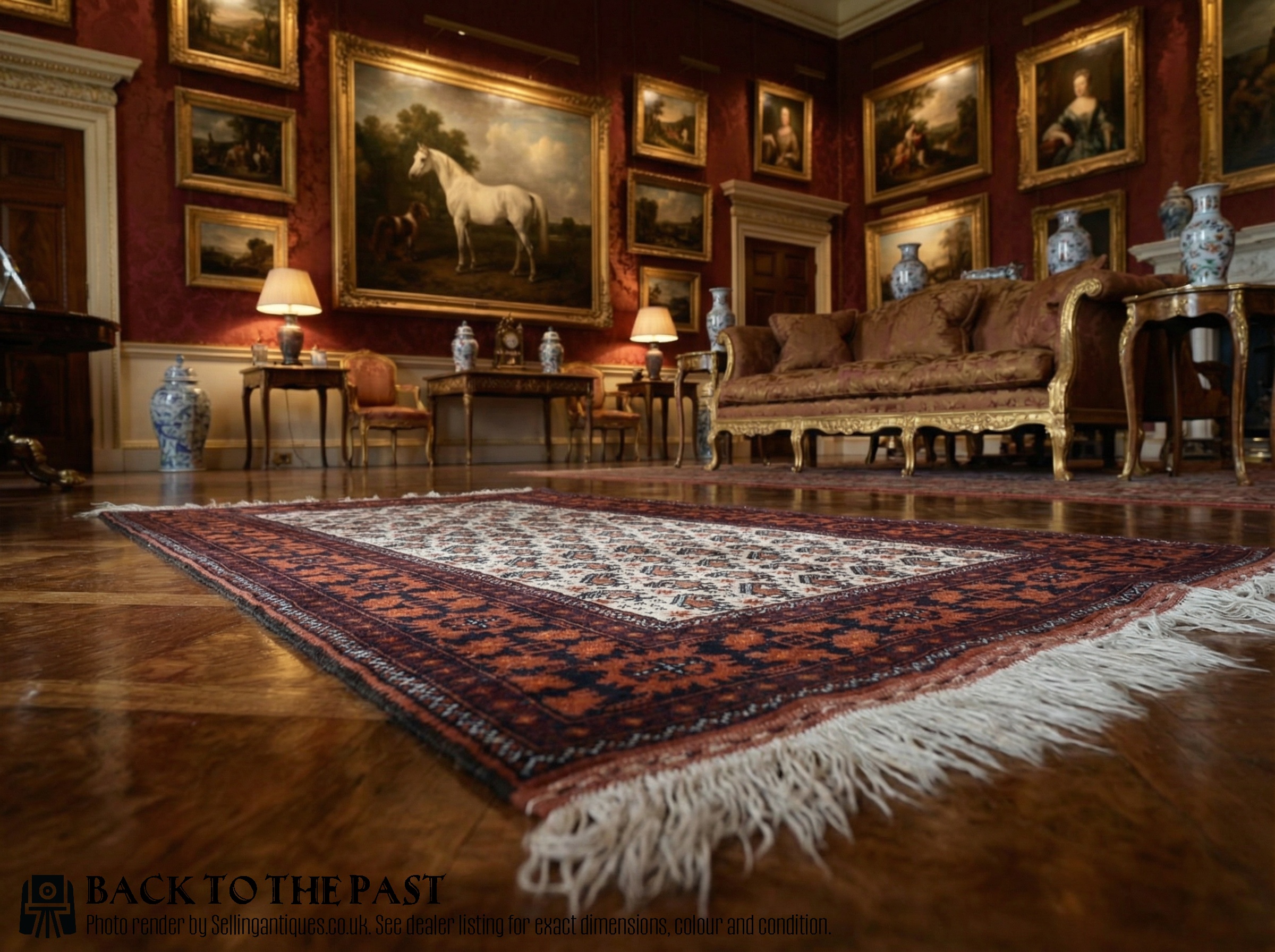
Vintage Baluch Wool Rug
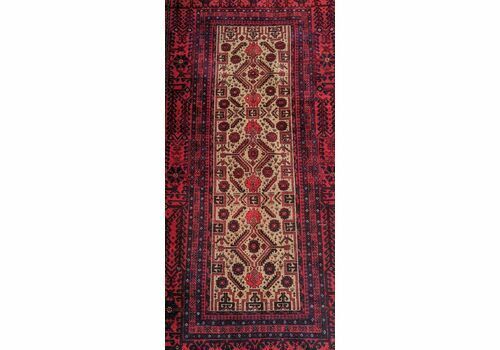
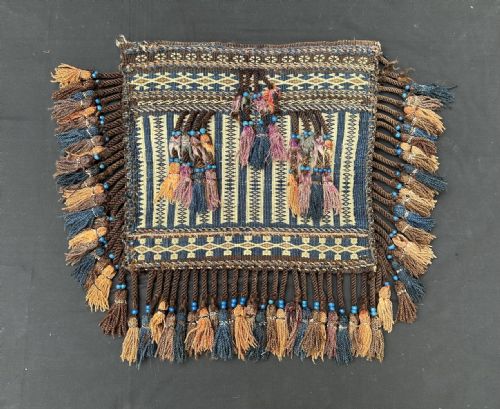
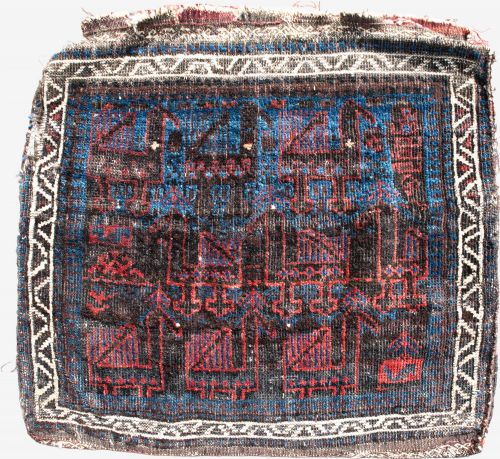
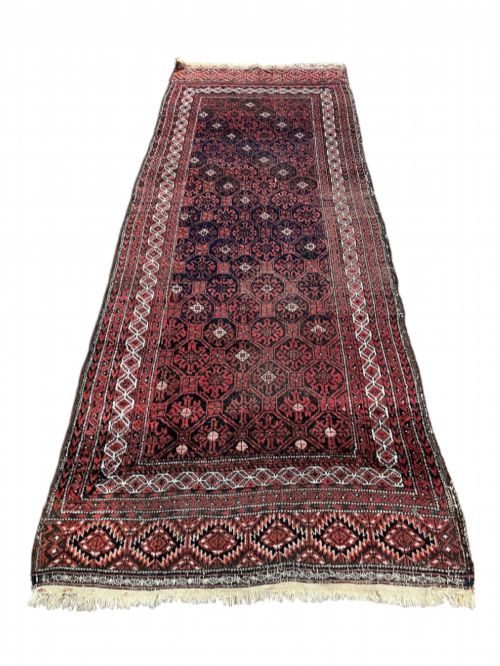
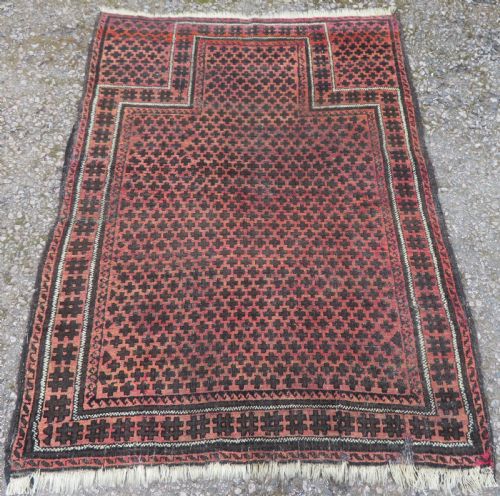
These textiles originate from the nomadic and village weavers of Baluchistan, spanning the borderlands of Afghanistan, Iran, and Pakistan. When searching for a vintage baluch wool rug, collectors encounter formats ranging from floor rugs and runners to prayer rugs and storage bags.
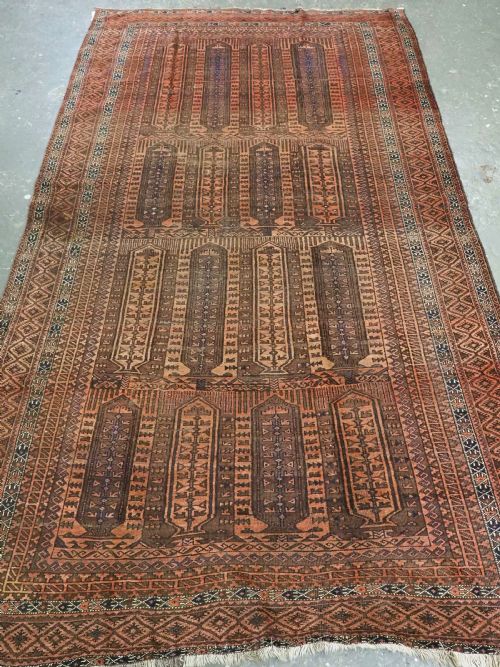
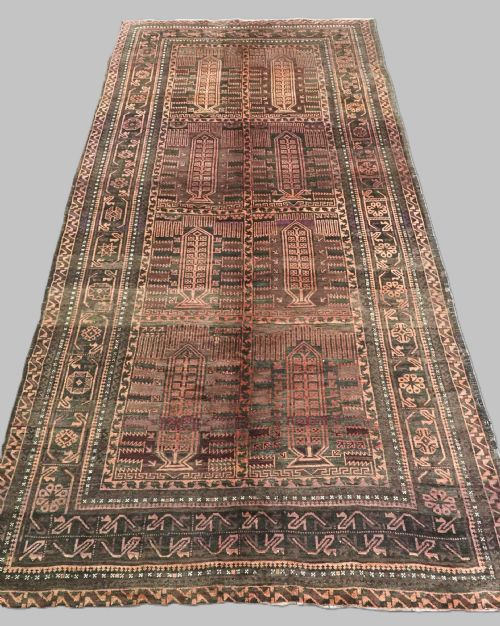
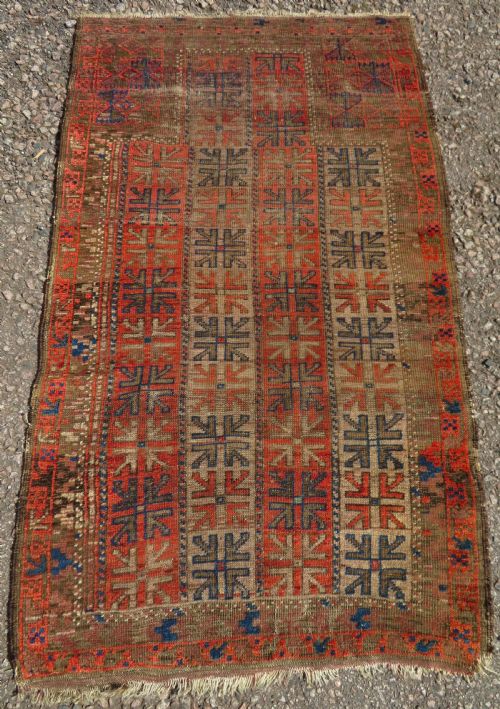
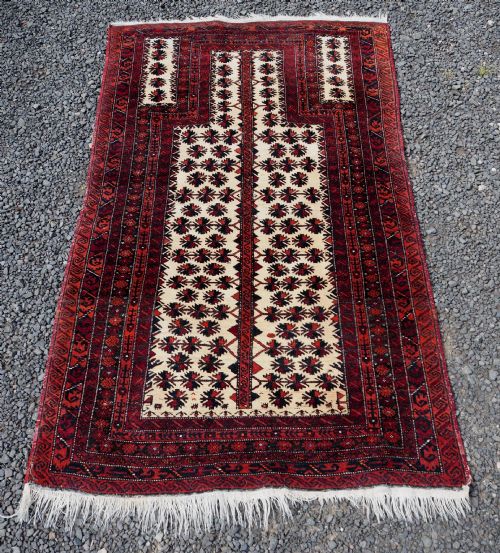
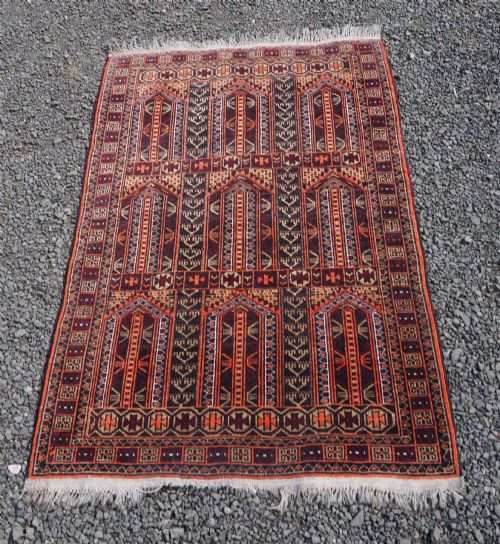
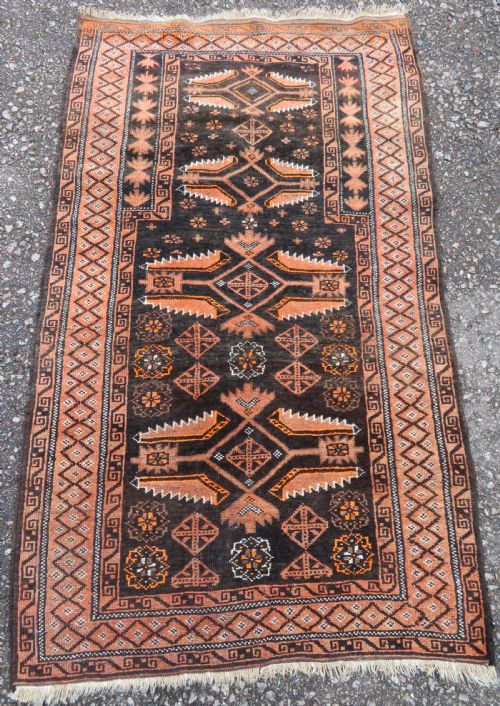
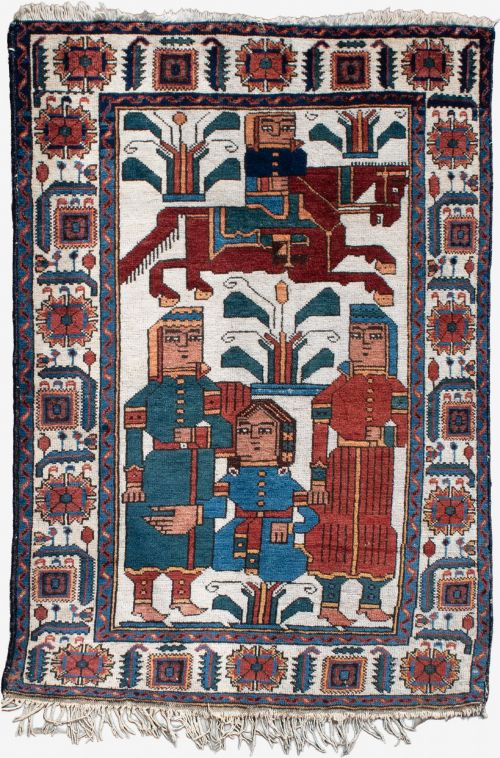
The pieces listed on this page date predominantly from the late nineteenth century through to the 1930s. Common structural motifs include prayer mihrabs, latch hook medallions, and repeating field patterns such as the kalam donneh or pencil box design.
Village and tribal makers utilised traditional formats that served practical functions within nomadic life, translating utility into enduring decorative art. These textiles carry the distinct visual vocabulary of regional groups including the Timuri, Sistan, and Mushwani.
How they were made
Weavers relied on hand-spun wool, often incorporating camel wool, cotton foundations, and structural elements of goat hair for durability. Natural dyes yielded the characteristic deep reds, dark browns, and indigo tones that define the palette.
Certain utility pieces incorporate mixed techniques such as flatweave bands, glass beads, or double-sided construction for storage bags and eating cloths. The handle remains dense and flexible due to traditional hand-weaving methods practiced across tribal workshops.
Listings feature pieces spanning the 1880s to the 1930s, constructed from hand-spun wool, cotton, and camel wool using natural dyes.
What varies in quality
Quality rests upon the fineness of the wool, the crispness of the tribal design execution, and the depth achieved by natural dyes. Pieces with intact original backs, selvedges, and uncompromised pile sit at the higher end of the spectrum.
The complexity of regional motifs, such as pictorial elements or detailed shrub patterns, distinguishes standard utility pieces from exceptional tribal weaving. Uniformity in knot density and the preservation of secondary materials like camel wool or goat hair further dictate the standard.
The Vintage Baluch Wool Rug Glossary
- Prayer rug
- A textile featuring a mihrab or niche design historically oriented toward Mecca during daily prayers.
- Sofreh
- An eating cloth or spreading textile used by nomadic families for communal meals and food preparation.
- Kalam donneh
- A traditional repeating motif resembling a cone, shrub, or paisley shape found across regional carpets.
- Flatweave
- A non-pile textile constructed by interlocking warp and weft threads, common in storage bags and runners.
- Latched hook
- A geometric ornamentation featuring stepped or hooked corners frequently arranged in vertical medallions.
Vintage Baluch Wool Rug: Frequently Asked Questions
How do I clean a wool rug?
Surface dust should be removed gently using a soft brush or low-suction vacuum without a rotating beater bar.
Professional specialist cleaning is recommended for heavier soil to protect natural dye stability and wool fibres.
Where were these textiles woven?
Production centres span the tribal borderlands of Afghanistan, eastern Persia, and Baluchistan.
Nomadic and village groups such as the Timuri and Sistan created these pieces for domestic use and trade.
Can I use a runner in a hallway?
These narrow formats suit hallways and corridors when paired with a suitable non-slip rug underlay.
Foot traffic should be balanced with the structural condition of the wool pile and foundation.
What is a storage bag used for?
Tribal groups utilised these constructed compartments to transport and store household possessions during seasonal migration.
Today they function as decorative wall hangings or distinct floor elements when displayed flat.