



Traditional Oriental Ceramic Urn
These traditional oriental ceramic urn pieces bring rich colour and intricate hand-painted detail to any room.
Traditional Oriental Ceramic Urn
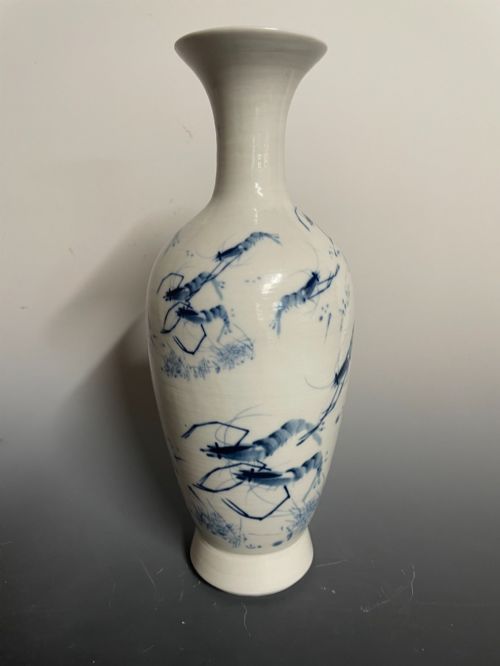
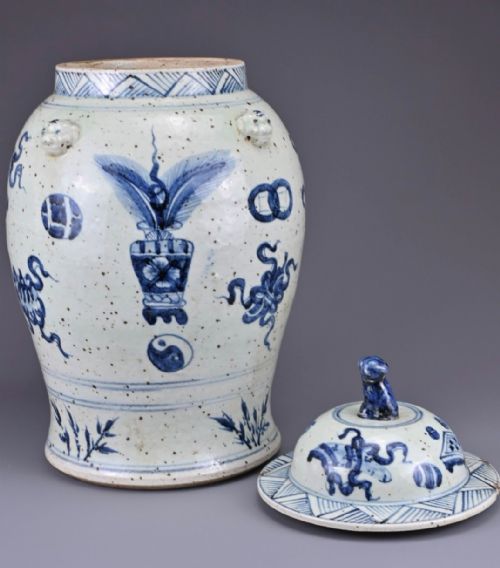
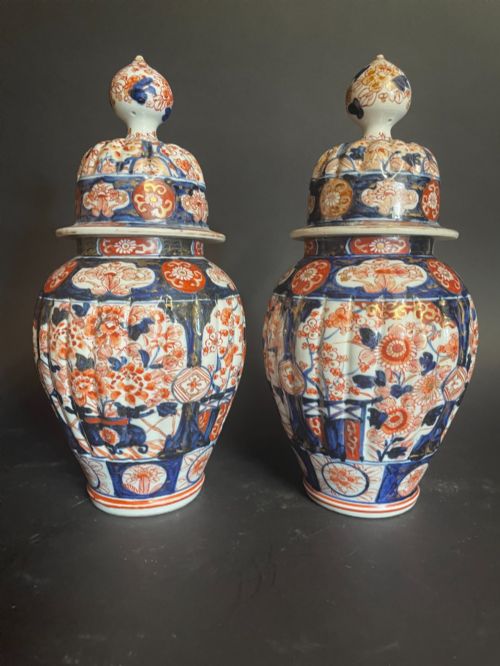
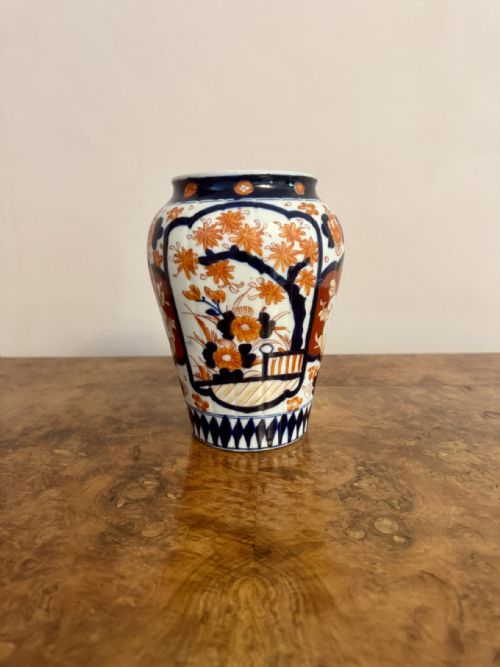
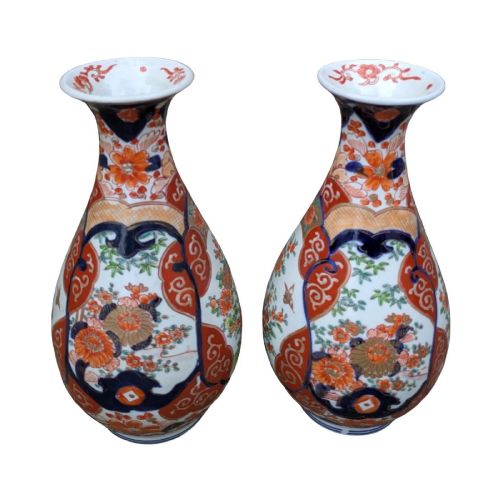
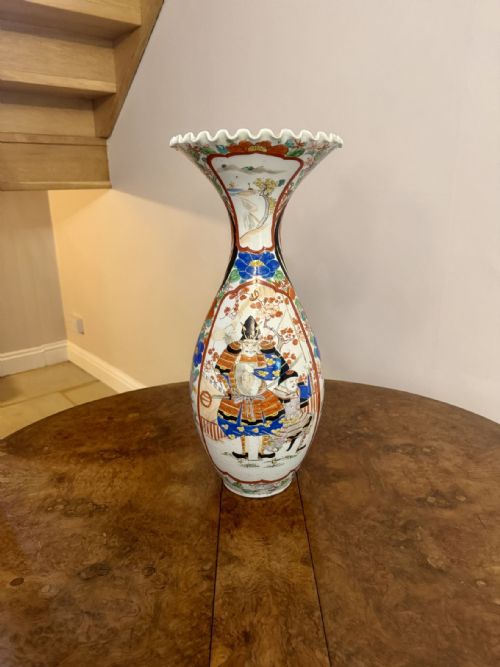
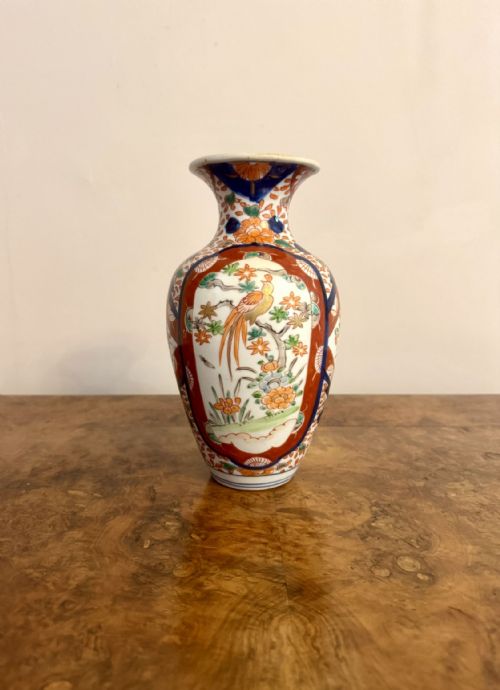
When you search for a traditional oriental ceramic urn, you encounter a selection of jars, baluster vases, and bottle vases originating from China and Japan. These pieces span the eighteenth, nineteenth, and early twentieth centuries, capturing historical ceramic traditions from Qing dynasty workshops, Meiji period studios, and export kilns.
The most common examples on this page are Japanese Imari porcelain vases and Chinese blue and white jars, alongside Satsuma earthenware and larger floor vases. Many of these vessels have been adapted into table lamps while retaining their original hand-painted bodies.
Materials and construction methods
The foundation of these vessels is hard-paste porcelain or earthenware, shaped on the wheel or in moulds before receiving intricate hand-painted decoration. Artisans applied cobalt blue underglaze, polychrome enamel pigments, and occasionally gold leaf accents to the fired clay surfaces.
Selected pieces incorporate mounted brass fittings and silk components where the original ceramic bodies were converted into functional lighting during later decades. Glazes range from clear crackle finishes to deep celadon and cobalt washes.
Listings feature porcelain, enamel, gold leaf, brass, wood, glaze, cobalt glaze, and silk across the nineteenth and early twentieth centuries.
Distinctions in quality
Quality rests upon the precision of the hand-painted brushwork and the clarity of the underlying glaze. Superior pieces exhibit dense, meticulously rendered floral or figurative motifs without blurring.
The weight, symmetry, and firing stability of the porcelain body further separate standard export ware from exceptional examples produced during the Meiji period or Qing dynasty.
The Traditional Oriental Ceramic Urn Glossary
- Imari
- A style of Japanese porcelain featuring a distinct palette of cobalt blue, iron red, and gold, originating from the town of Arita.
- Satsuma
- A type of earthenware from Japan characterised by a crackled ivory glaze and detailed polychrome enamel decoration.
- Celadon
- A transparent green glaze that mimics jade, applied over a pale clay body with carved or impressed designs.
- Baluster
- A vase form with a rounded lower body that tapers toward a narrow neck, resembling the architectural baluster shape.
- Famille Rose
- A palette of opaque enamel colours dominated by pink or rose tones, widely utilised on Chinese export ceramics.
Traditional Oriental Ceramic Urn: Frequently Asked Questions
How do I identify a Meiji period piece?
Meiji period items originate from Japan between eighteen sixty-eight and nineteen twelve, often displaying dense hand-painted Satsuma or Imari decoration.
These works frequently combine intricate enamel work with gilt detailing, reflecting the high output of Japanese kilns during that era.
Were these originally made as lamps?
Most of these ceramic vessels started life as decorative jars, covered vases, or floor urns rather than lighting fixtures.
Many were converted into table lamps later in their history by mounting them with brass hardware and electrical fittings.
What is the difference between Imari and Satsuma?
Imari pieces are made from porcelain and typically showcase a deep cobalt blue and iron red colour scheme.
Satsuma items utilise an earthenware body covered in a finely crackled cream glaze that serves as a canvas for painted figures.
How should I clean antique porcelain?
Dust these ceramic surfaces gently with a soft, dry cloth to prevent the accumulation of grit in recessed glazed areas.
Avoid submerging converted lamp bases in water, as moisture can damage internal electrical wiring and older brass components.