




White Ceramic Chinese Vase
When you search for a white ceramic chinese vase, you are looking for porcelain works carrying centuries of decorative tradition.
White Ceramic Chinese Vase
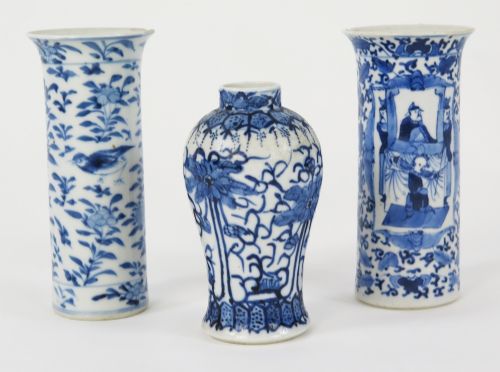
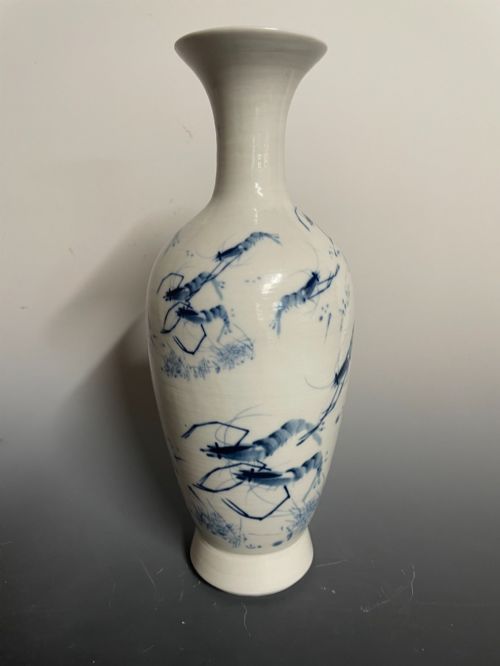
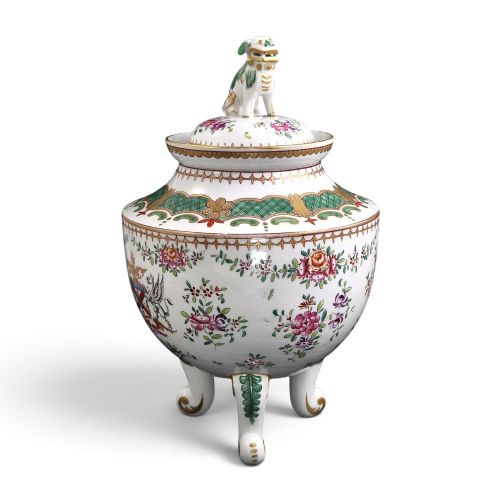
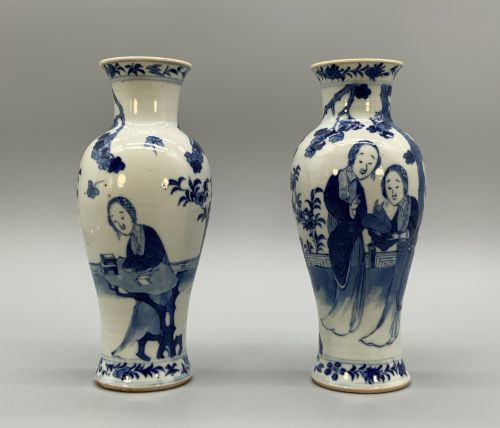
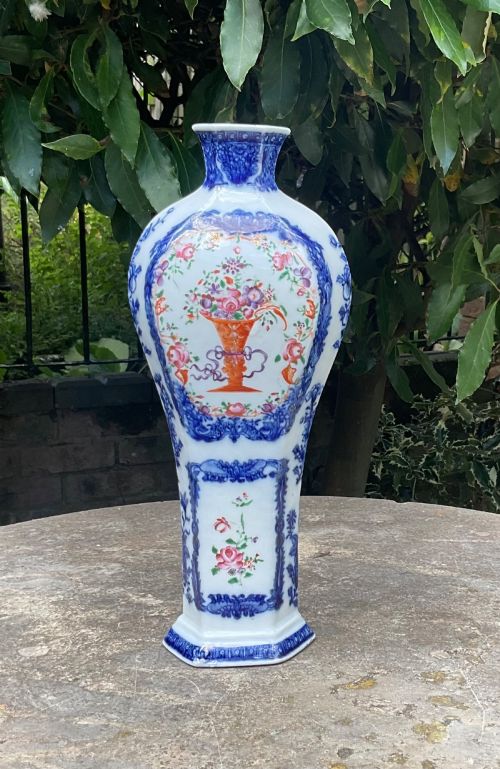
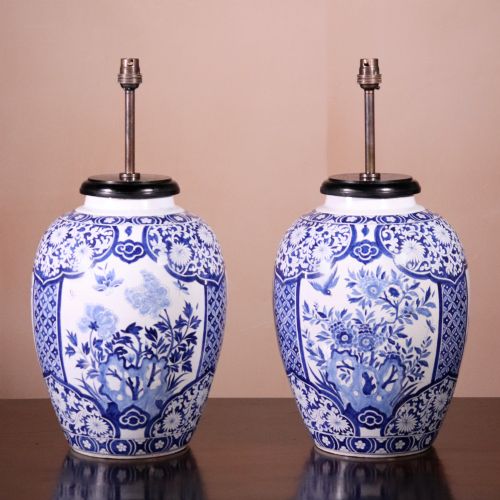
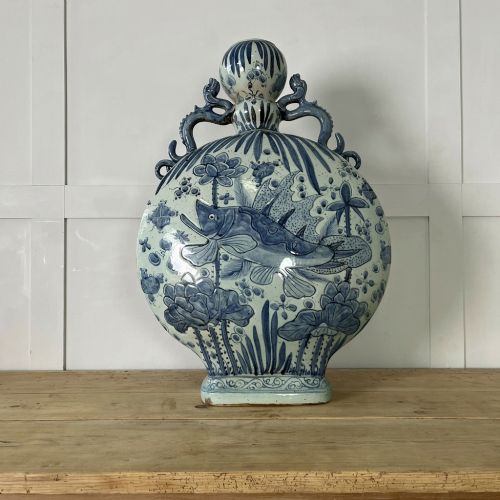
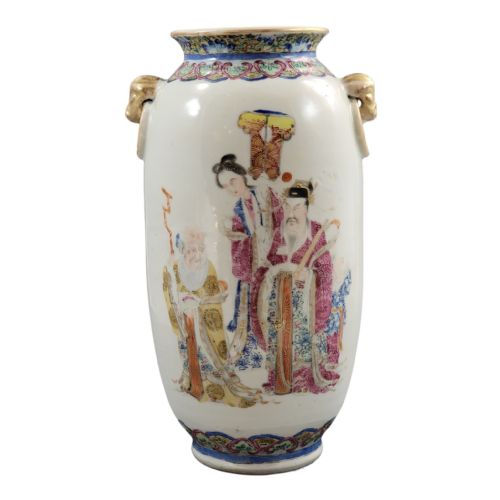
A white ceramic chinese vase encompasses various forms shaped from porcelain and ceramic materials, often decorated with blue and white cobalt pigments, famille rose enamels, or celadon glazes.
You are most likely to encounter nineteenth century examples, alongside pieces created in imitation of earlier reigns such as the Kangxi and Qianlong periods.
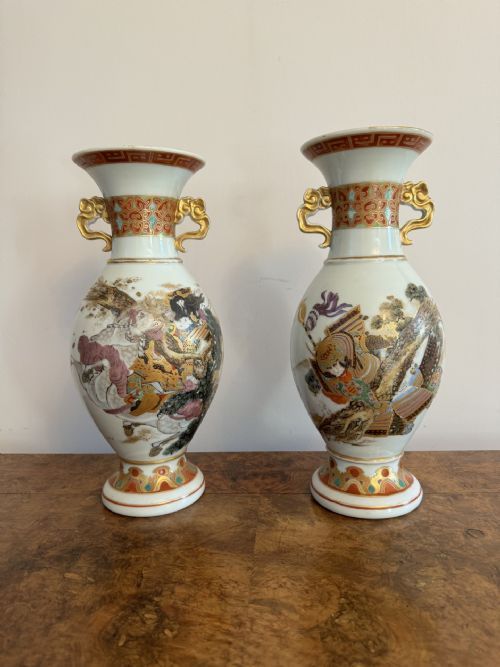
The selection ranges from tall garlic-mouth vessels and double-gourd shapes to brush pots and jar lamps mounted in brass or paired with wooden stands.
How they were made
The makers utilised fine porcelain clay shaped on the wheel or in moulds, then fired at high temperatures to achieve a dense, vitrified body.
Decoration relied on mineral pigments such as cobalt blue underglaze and multi-coloured enamel paints applied by hand beneath or over the clear glaze.
Certain pieces received secondary mounts in brass or were adapted later into table lamps using fabric components.
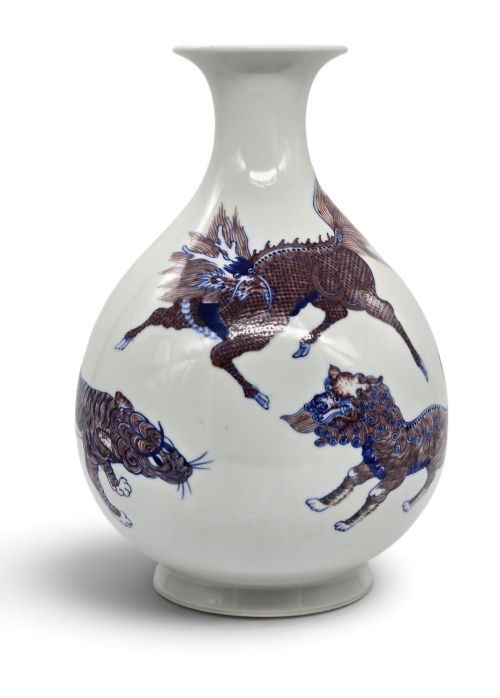
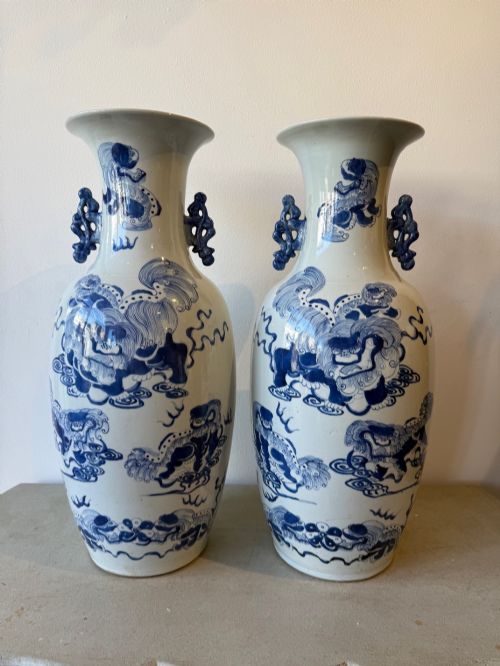
Some vessels depict mythical beasts and auspicious figures, watching over the room from their porcelain surfaces.
What varies in quality
Quality rests primarily on the precision and fluidity of the painted brushwork, distinguishing briskly executed commercial wares from masterfully detailed scholar pieces.
The purity of the white porcelain body and the control shown during the high-temperature firing process dictate the refinement of the finished surface.
Samson Paris·Gao Hengsheng
The White Ceramic Chinese Vase Glossary
- Famille Rose
- A palette of opaque enamel colours dominated by pink or rose hues, introduced during the Qing Dynasty.
- Underglaze Blue
- A decorative technique where cobalt pigment is applied directly to the unglazed clay body before being covered with a clear glaze and fired.
- Meiping
- A traditional form of Chinese vase featuring a narrow neck, broad shoulders, and a tapering base, originally designed to hold plum branches.
- Celadon
- A type of green-glazed pottery that mimics the appearance of jade, produced through an iron-oxide mixture fired in a reducing atmosphere.
- Gu
- An archaic-style beaker vessel characterised by a flaring mouth and base with a bulbous central section.
White Ceramic Chinese Vase: Frequently Asked Questions
How are these vases dated?
Dating relies on stylistic clues, potting characteristics, and painted reign marks found on the base of the porcelain. Examining the brushwork style helps separate authentic period pieces from later revivals.
Changes in glaze chemistry and cobalt tones across the nineteenth and early twentieth centuries provide further confirmation of a piece's era of production.
How do I display a ceramic jar lamp?
Jar lamps combine antique ceramic bodies with electrical fittings, allowing them to function as decorative lighting. They suit placement on side tables or desks where their painted surfaces receive adequate illumination.
Pairing them with neutral fabric shades helps balance the visual weight of the porcelain base.
What does blue and white mean?
Blue and white refers to porcelain decorated using cobalt oxide beneath a transparent glaze. The technique achieves its characteristic cobalt designs during a single high-temperature kiln firing.
This aesthetic tradition spans multiple dynasties and remains one of the most recognisable styles in ceramic history.