
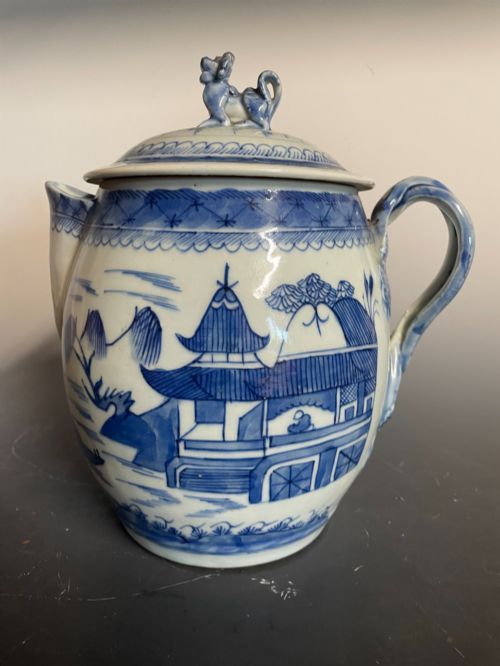


Chinese Blue White Jar
A chinese blue white jar brings centuries of refined ceramic artistry into a room, offering both decorative presence and historical depth through cobalt decoration.
Chinese Blue White Jar
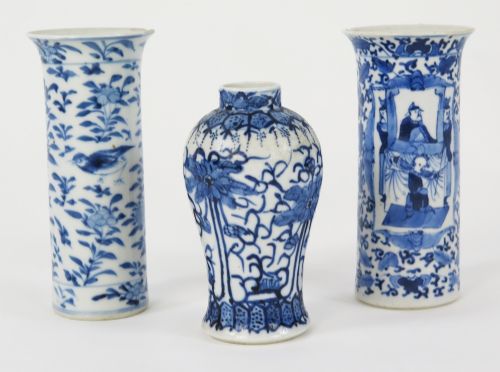
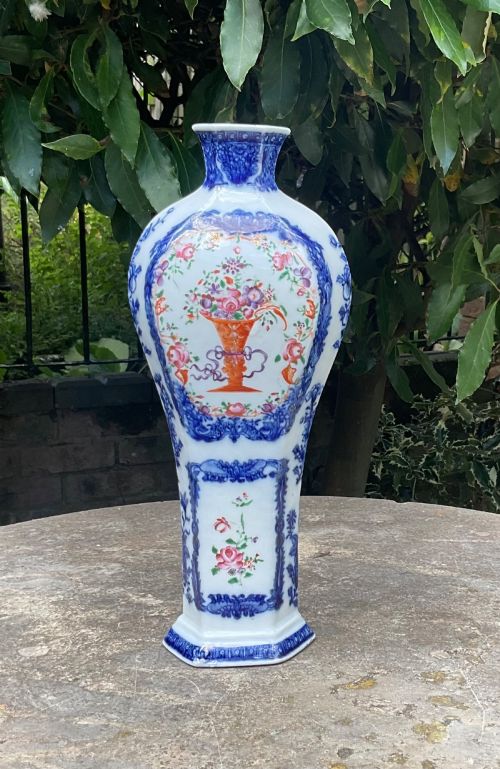
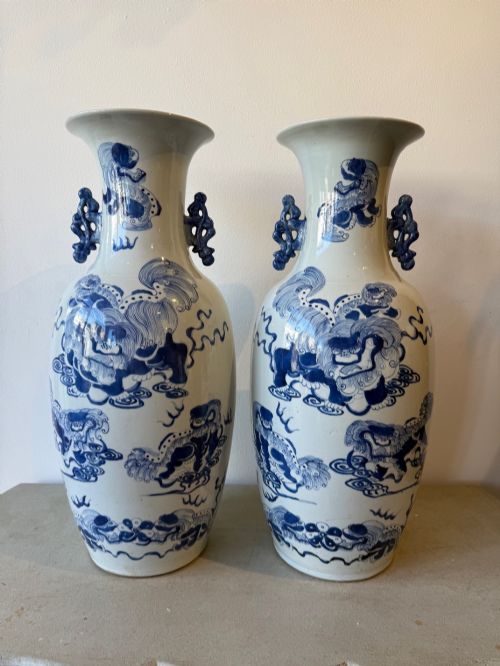
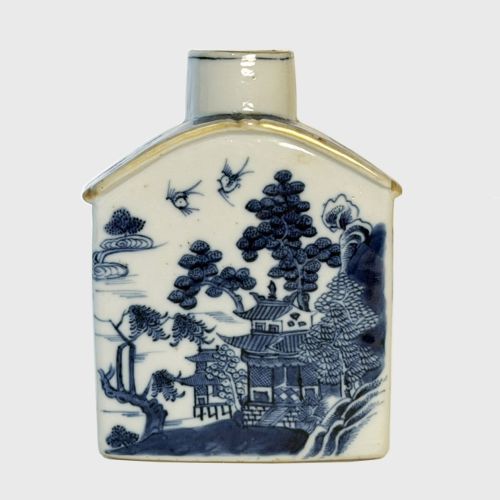
A chinese blue white jar encompasses vessels ranging from small ginger jars and tea caddies to monumental temple containers produced across the seventeenth, eighteenth, and nineteenth centuries. These vessels frequently display traditional motifs such as prunus blossom, dragons, and botanical scrolls set against porcelain bodies.
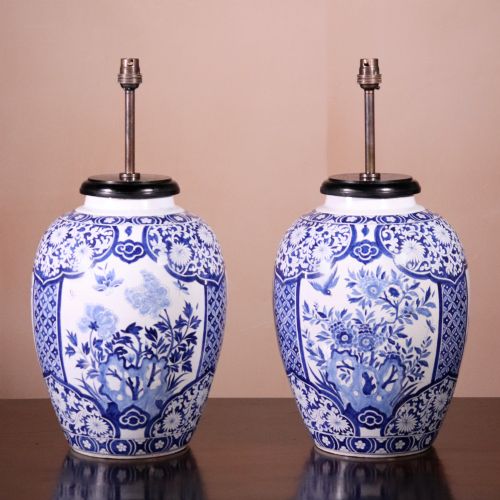
Buyers encounter numerous examples originating from the Qing Dynasty, alongside later nineteenth-century interpretations and provincial pieces styled after earlier Kangxi designs. Many vessels arrive paired with fitted wooden lids or adapted into table lamps while retaining their core ceramic identity.
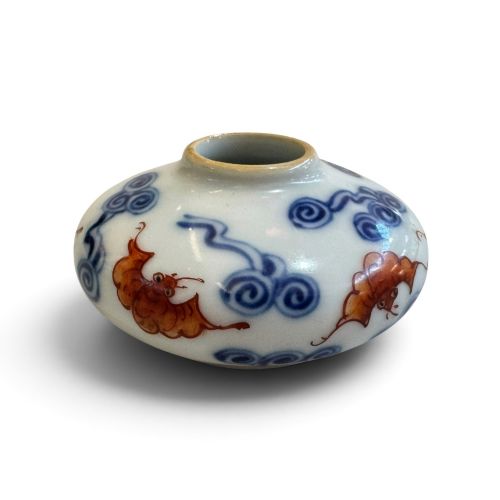
The selection includes specialised forms such as ovid storage jars, double-gourd vases, and brush washers created for scholars. Each piece reflects the enduring demand for cobalt-decorated ceramic ware across diverse domestic interiors.
How They Were Made
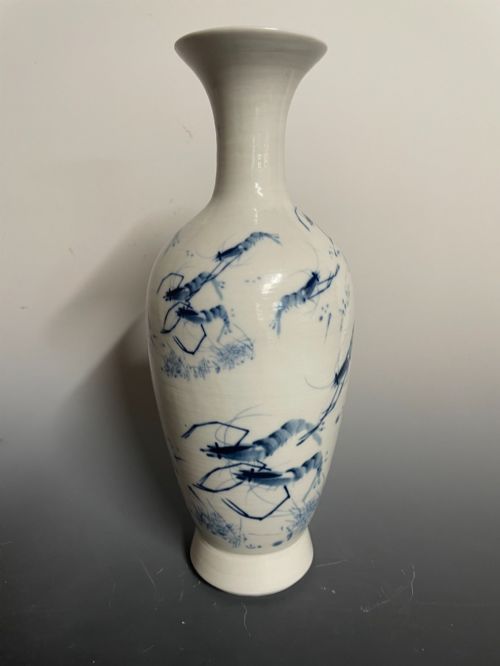
Potters shaped these vessels from fine porcelain and ceramic clay, applying cobalt glaze pigments by hand before firing the pieces at high temperatures. This technique allowed the cobalt to fuse smoothly beneath or within the clear glaze layer, producing deep blue tones.
Craftsmen frequently incorporated wooden elements for stands and lids, complementing the rigid ceramic body with organic textures. Selected items also integrate brass fittings or silk components, particularly when converted into functional lighting during later periods.
Current listings feature porcelain and ceramic jars utilising cobalt glaze across the 17th, 18th, and 19th centuries.
What Varies in Quality
Quality rests upon the crispness of the cobalt painting, where fluid, detailed brushwork demonstrates superior artisanal control over rigid or hurried application. The clarity of the porcelain body and the smoothness of the glaze further distinguish standard production ware from finer scholarly commissions.
Proportion and balance define the visual success of a vessel, particularly on larger temple jars and ginger pots where symmetry matters. The presence of well-executed reign marks or careful baseline finishing also indicates a higher level of historical workshop execution.
The Chinese Blue White Jar Glossary
- Cobalt Glaze
- A blue pigment derived from cobalt oxide applied to ceramics before glazing and firing. This mineral withstands high kiln temperatures without losing its intense colour.
- Ginger Jar
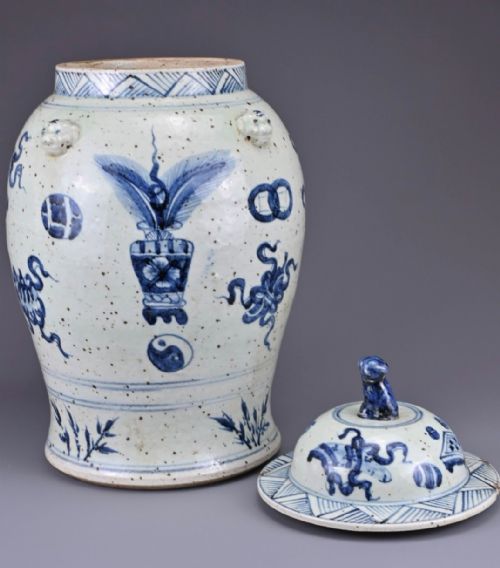
- A wide-shouldered ceramic storage vessel originally designed for spices or salt. These jars typically feature high shoulders and flat or domed matching covers.
- Kangxi Period
- A historical phase of the Qing Dynasty associated with exceptional porcelain refinement. Pieces from this era set artistic standards emulated by later generations.
- Qing Dynasty
- The final imperial dynasty of China spanning from the seventeenth to the early twentieth century. This era produced the vast majority of antique blue and white porcelain found today.
- Underglaze
- A decoration technique applied directly to the raw clay body before the transparent glaze layer goes on. The subsequent firing seals the pigment permanently beneath the glass surface.
Chinese Blue White Jar: Frequently Asked Questions
How are antique jars dated?
Dating relies upon stylistic markers, baseline characteristics, and cobalt pigment depth observed across different imperial reigns. Comparing potting techniques and foot rim construction helps place a vessel within the seventeenth, eighteenth, or nineteenth centuries.
Markings on the base, whether specific reign characters or apocryphal symbols, provide additional clues regarding the era of production. Expert evaluation synthesizes these visual elements with glaze behaviour to establish a probable timeframe.
Were these jars used for ginger?
Despite modern terminology identifying them as ginger jars, many of these covered vessels originally stored various spices, oils, or preserved goods. Their sturdy porcelain construction and tight-fitting lids made them practical containers for international trade.
Over time, Western collectors applied the ginger jar label due to the shape's prevalence and utility. Their robust bodies ensured survival across centuries of domestic storage use.
How do I display a jar at home?
Placing a jar on a dedicated wooden stand elevates its profile and protects delicate porcelain edges from surface friction. These vessels sit effectively on mantelpieces, sideboards, or within open shelving units where their cobalt patterns stand out against neutral walls.
Some examples arrive converted into table lamps, offering a way to integrate antique ceramics into everyday room lighting. Keeping them away from direct foot traffic ensures the safety of fitted lids and handles.
What do the painted motifs mean?
Common motifs carry traditional symbolic meanings rooted in Chinese culture, such as prunus blossoms representing resilience through winter or endurance. Dragons and phoenixes often signify imperial authority, balance, and cosmic harmony.
Floral scrolls and lotus designs frequently denote purity and seasonal renewal across scholar objects and storage vessels. Recognising these patterns adds narrative depth to the physical appreciation of the ceramic surface.