

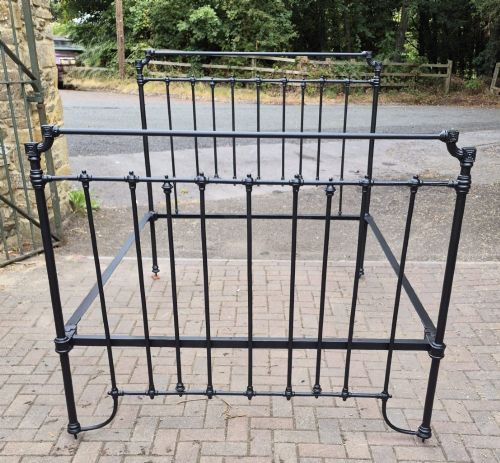
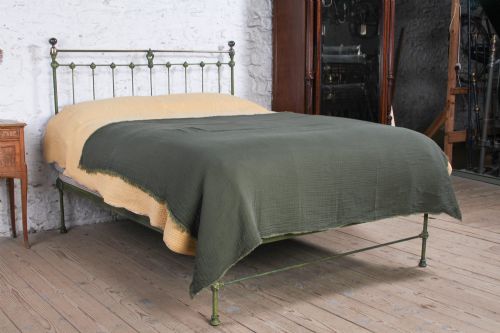

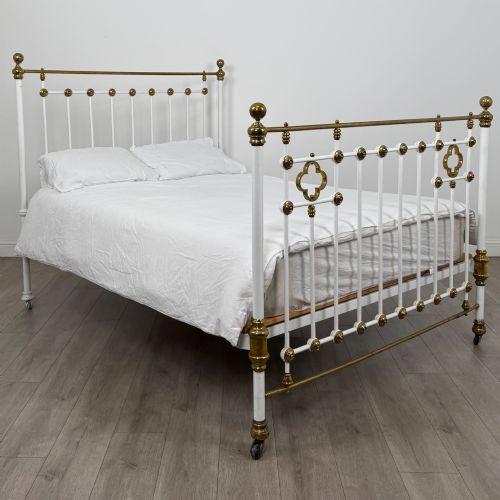
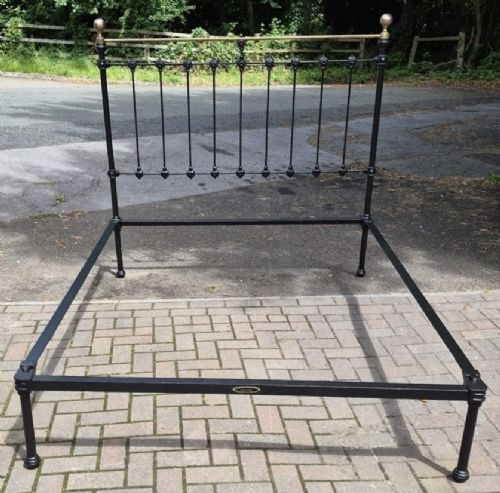
Traditional Metal King Bed
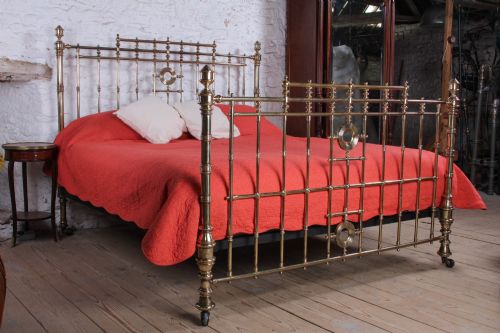
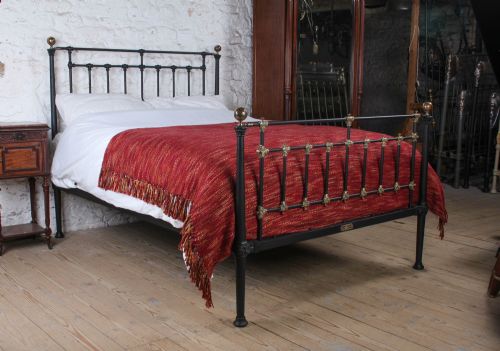
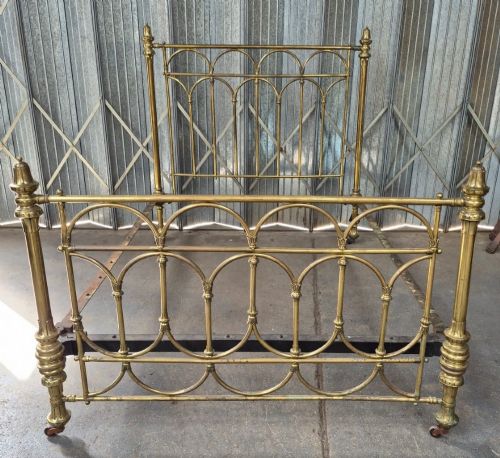
A traditional metal king bed brings substance and genuine period character to a bedroom through substantial brass castings and robust iron framework.
Traditional Metal King Bed
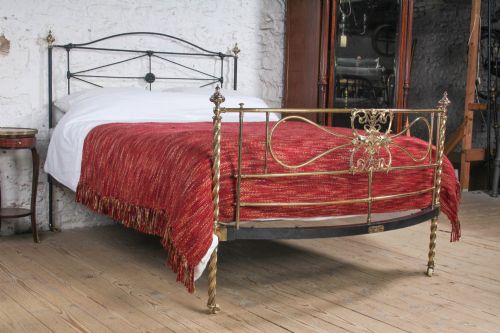
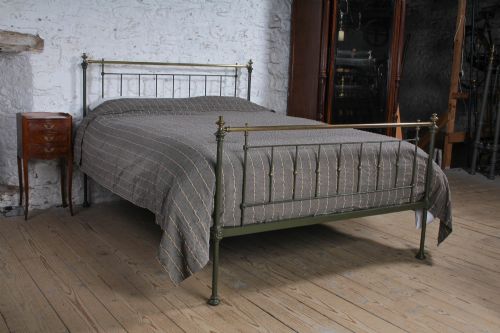
A traditional metal king bed appears frequently in Victorian, Edwardian, and early twentieth-century formats, often spanning the years between eighteen-seventy and nineteen-twenty. These pieces take the form of iron and brass bedsteads, half testers, and low-end or no-end frames suited to modern proportions. The listings here showcase styles ranging from French Country and Portuguese Regional to Victorian Gothic Revival, Art Nouveau, and Aesthetic Movement designs.
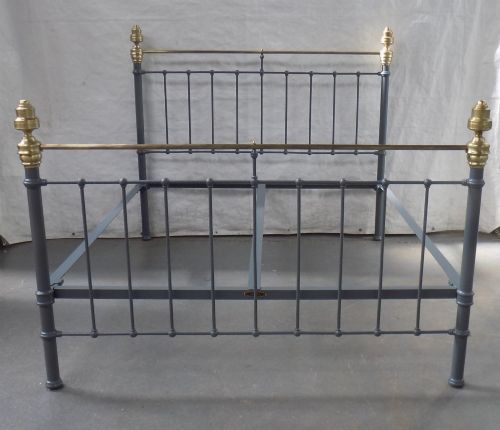
Makers and workshops of the period produced both all-iron constructions and mixed material frames combining polished brass mounts with painted iron tubing. Buyers frequently encounter standard king size dimensions alongside extra wide and super king variations, constructed to accommodate modern mattresses while retaining original nineteenth and early twentieth-century frames.
Materials and construction
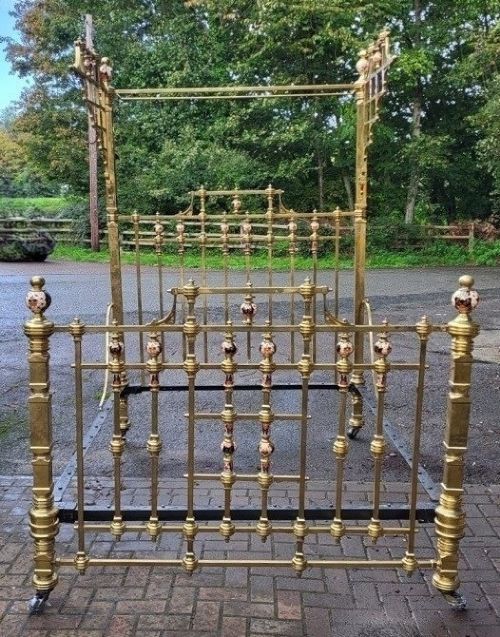
Makers utilised cast iron, wrought iron, and forged iron for the structural framework, combining these robust metals with polished brass components such as finials, spindles, and mountings. Frames often feature painted surfaces in black or cream alongside applied decorative elements like ceramic details.
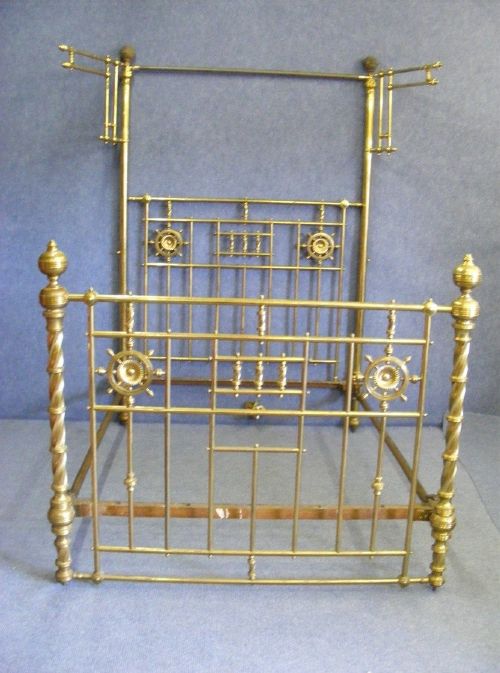
Construction techniques relied on heavy metal castings and secure joint systems, with specialised firms incorporating tapered posts, ribbon reed mouldings, and intricate brass half tester canopies. Structural integrity depends on the original iron framework and the precise casting of decorative corner brackets.
Listings feature periods from eighteen-seventy through nineteen-twenty, showcasing brass, cast iron, wrought iron, and painted metal materials.
Craftsmanship and distinction
Quality reveals itself in the weight and complexity of the brass castings, the crispness of iron shaping, and the presence of documented maker marks from notable workshops. Finer examples display elaborate decorative details, tapered posts, and sophisticated stylistic influences like Arts and Crafts or Aesthetic Movement motifs.
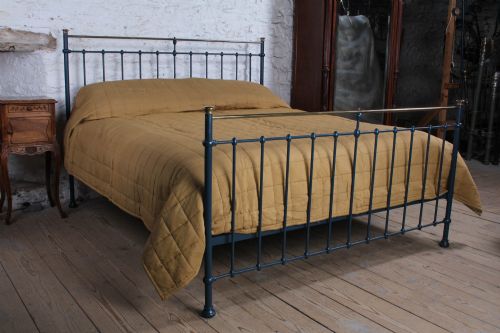
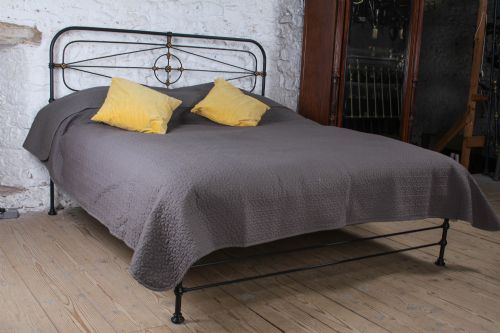
Simpler all-iron frames rely on clean lines, classic shaping, and sturdy construction rather than ornamental brass work, yet achieve distinction through balanced proportions and regional characteristics such as Irish no-end configurations.
Maple & Co·Winfield·RW Winfield·James Shoolbread & Co
The Traditional Metal King Bed Glossary
- Half tester
- A canopy bedstead where the tester projects only partway over the head of the bed. This style is frequently supported by substantial brass posts and detailed framing.
- Dip rail
- A top rail on a headboard or footboard that curves downward in the centre. This shaping provides a softer silhouette on iron and brass frames.
- Finial
- A decorative terminal ornament positioned on the top posts of a bedstead. Makers cast these in brass to cap the vertical iron pillars.
- Castings
- Shaped metal components poured into moulds to create decorative joints and ornaments. High quality beds feature crisp, deeply detailed brass or iron castings.
- No end
- A bed frame configuration featuring a tall headboard but lacking a high footboard. This open design suits contemporary rooms by maintaining sightlines.
Traditional Metal King Bed: Frequently Asked Questions
Will a standard mattress fit these beds?
Most traditional metal king beds require careful measurement because nineteenth-century sizing standards differ slightly from modern dimensions. Adapting modern mattress bases to fit securely within antique iron side rails often involves subtle adjustments.
Many frames on this page accommodate modern king size proportions, but checking the internal width and length before purchase ensures a proper fit.
How do I assemble an antique metal bed?
These bedsteads typically utilise wedge-lock or bolt-together corner fastenings that join the headboard and footboard to the side rails. Tapping the joints firmly into place with a mallet secures the rectangular frame.
Ensuring the side rails sit square and level creates the stable foundation necessary for supporting modern mattress slats.
How do I clean painted iron and brass?
Painted iron surfaces respond best to gentle dusting and occasional wiping with a damp cloth to preserve the original finish. Avoid harsh chemical solvents that might damage historic paint layers.
Polishing brass components requires a suitable metal cleaner applied sparingly with a soft cloth, taking care to keep polish off adjacent painted or ceramic surfaces.
How do I identify a Victorian iron bed?
Victorian iron beds display characteristic heavy cast iron construction, often paired with brass finials and decorative corner castings. Stylistic clues such as Gothic Revival motifs, Aesthetic Movement patterns, or Art Nouveau curves point directly to the nineteenth century.
Maker marks stamped into the iron framework provide definitive proof of period origin and workshop attribution.