



Wrought Iron King Bed
A wrought iron king bed brings robust metal framing and generous proportions together, offering a sturdy centrepiece for a traditional bedroom.
Wrought Iron King Bed
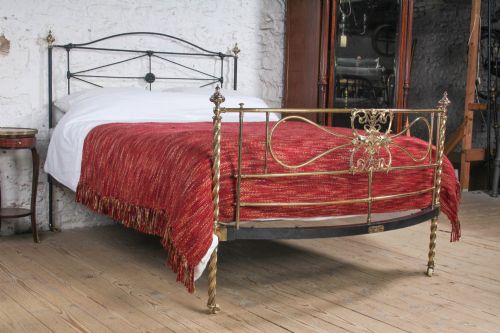
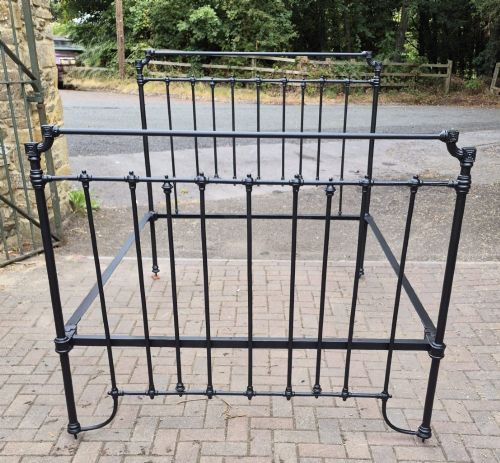
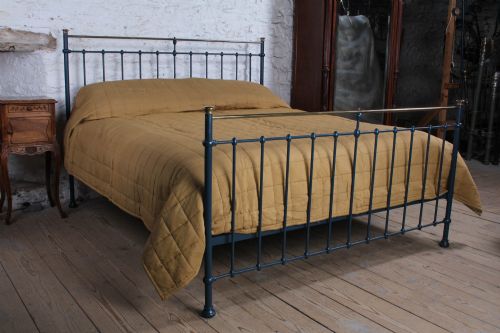
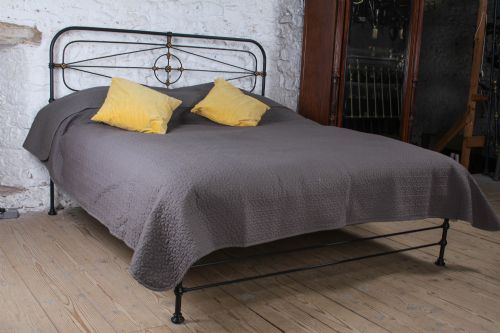
A wrought iron king bed is a substantial sleeping frame designed to accommodate generous mattress sizes while providing a commanding architectural presence in a room. These large bedsteads frequently combine durable iron with contrasting metal components or decorative finishes to create a striking focal point.
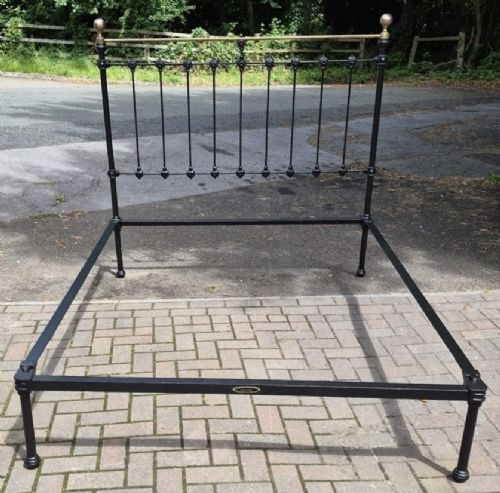
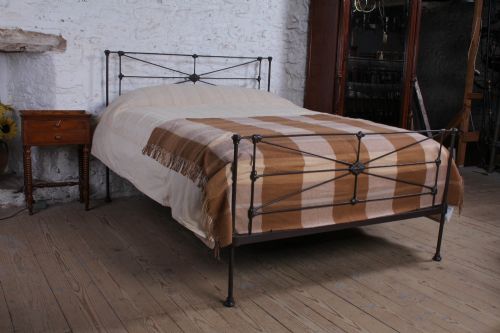
Buyers browsing this selection encounter pieces originating primarily from the nineteenth and early twentieth centuries, spanning Victorian, Edwardian, and regional European aesthetics. The listings encompass various formats, from traditional high-end footboards to low-end and no-end configurations that suit contemporary bedroom layouts.
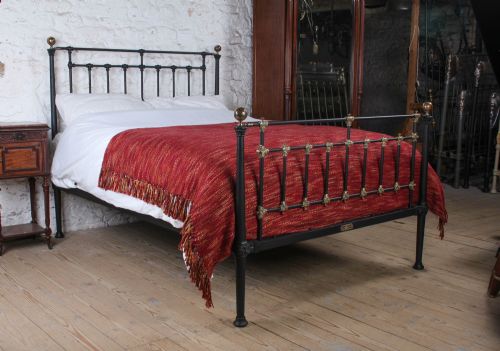
The most common examples on this page are Victorian and turn-of-the-century designs featuring classic shaping, painted surfaces, or polished brass accents. Regional variations from Ireland, France, Italy, and Portugal also appear, bringing distinct local metalwork traditions to the standard king size format.
How they were made
Makers utilised forged iron, cast iron, and steel to construct the primary structural framework of these large beds. Black paint, ivory finishes, and original japanned lacquer were frequently applied to protect the metal and provide a clean aesthetic surface.
Many examples incorporate decorative brass finials, spindles, or structural mounts that contrast with the dark iron body. Hand-forging techniques allowed artisans to shape sturdy metal bars into curvaceous profiles, arches, and tailored ribbon reed details.
Listings feature periods spanning from 1850 through the Edwardian era, incorporating materials such as brass, japanned lacquer, and forged iron.
What varies in quality
The distinction between standard examples and superior pieces rests upon the sophistication of the metal shaping and the intricacy of the decorative components. Finer examples display meticulous hand-forged detailing, tapered posts, and well-integrated brass elements that require advanced blacksmithing skill.
Winfield
The Wrought Iron King Bed Glossary
- Wrought iron
- A tough, malleable form of iron that can be heated and hammered into decorative shapes by a blacksmith. This material provides the primary structural strength for many antique large bedframes.
- Cast iron
- Iron that has been poured into a mould while molten to create rigid decorative components or structural joints. It often appears alongside wrought elements in nineteenth-century bedheads.
- Japanned lacquer
- A European imitation of East Asian lacquerwork used to finish metal surfaces with a dark, durable sheen. This glossy coating was popular on nineteenth-century iron furniture.
- Finial
- A decorative ornamental terminal piece mounted at the top of a bedpost or spindle. They are frequently cast in brass to contrast with black iron frames.
- Tole ware
- Enamelled or painted metalware produced in various European centres during the nineteenth century. These decorative elements add painted colour and visual softness to iron bed designs.
Wrought Iron King Bed: Frequently Asked Questions
What size mattress fits these beds?
These listings comprise king size and super king proportions designed for standard large modern mattresses. Frame dimensions often accommodate wider or longer sleeping surfaces depending on the specific nineteenth-century standard used.
Buyers should verify internal rail measurements prior to purchase, as older European sizing conventions occasionally differ slightly from contemporary British mattress dimensions.
How do I assemble an antique iron bed?
Most historic metal frames utilise standard wedge locks, side rail slots, or heavy bolts that secure the headboard and footboard together. The components slot into place and tighten to form a rigid self-supporting structure without requiring modern tools.
Care must be taken during assembly to protect painted or japanned surfaces from scratching against adjacent metal components.
Are no end beds suitable for modern rooms?
No end configurations feature a prominent headboard but omit a high footboard entirely. This open design makes the sleeping area appear more spacious and suits rooms with restricted floor space.
They also simplify the process of making the bed and allow taller individuals to sleep comfortably without feet hitting a solid foot rail.
How do I distinguish Victorian from Edwardian iron beds?
Victorian examples tend to display heavier proportions, ornate brass mounts, and robust castings combined with dark painted finishes. They often lean towards Gothic, classical, or early Art Nouveau styling.
Edwardian pieces generally present a lighter aesthetic with simpler geometric shaping, cleaner lines, and more restrained use of applied brass ornamentation.